As the U.S. Job Market Weakens, Key Layoff Announcements to Watch Out For


Current Job Market Challenges: The job market is tightening as companies slow hiring and implement layoffs due to rising operational costs, tariffs, and shifts in consumer behavior, leading to increased worker anxiety.
Recent Layoffs: Major companies like ConocoPhillips, Intel, Microsoft, and Procter & Gamble have announced significant layoffs, while federal employees face uncertainty following job cuts and a prolonged government shutdown.
Unemployment Rates: The Labor Department reported an increase in unemployment to 4.4% after the government shutdown, highlighting the economic impact of recent job cuts.
Stock Market Insights: Analysts predict Amazon stock has significant growth potential, with a target price suggesting over 28% upside, while Lufthansa stock is expected to decline, indicating varying market expectations.
Trade with 70% Backtested Accuracy
Analyst Views on GM

About GM
About the author


Leasing Market Faces Challenges for EVs


- Leasing Market Risks: A wave of off-lease EVs is expected to return with values approximately $10,000 lower than projected, potentially costing the finance arms up to $8 billion, which could significantly impact overall industry profitability.
- Surge in Supply: By 2028, around 800,000 EVs are projected to hit the used market, leading to oversupply and further price depreciation, which may put additional financial strain on leasing companies.
- Tesla's Market Dominance: Tesla's leasing volume is substantial, with nearly 229,000 EVs leased last year, far exceeding the combined totals of General Motors and Ford, highlighting its strong influence in the industry.
- Financial Management Strategy: Despite industry challenges, Tesla mitigates its financial risk by managing a portion of its lease portfolio through partnerships with third-party lenders, allowing investors to remain cautiously optimistic while monitoring market developments in the coming years.

Tesla Faces Off-Lease EV Depreciation Risks
- Leasing Market Risks: Tesla is expected to see a wave of off-lease EVs flooding the market in the coming years, with industry experts projecting these vehicles to return at values approximately $10,000 lower than anticipated, potentially costing the industry about $8 billion.
- Depreciation Trends: According to Cox Automotive, by 2025, a three-year-old EV will maintain only about 40% of its original value at auction, a significant drop from 90% in early 2022, indicating pressure on the used EV market.
- Tesla's Market Dominance: Tesla dominates the EV leasing market, having leased nearly 229,000 vehicles last year, which is significantly more than the combined total of General Motors and Ford, highlighting its strong industry influence.
- Investor Confidence Reminder: Despite the challenges posed by off-lease EV depreciation, Tesla's finance arm collaborates with third-party lenders, allowing it to mitigate most of the leasing losses, suggesting that investors need not panic just yet.

Impact of Trump's Tariffs One Year Later


- Widespread Tariff Impact: Trump's tariff policies have placed significant economic pressure on U.S. businesses over the past year, with approximately 80% to 85% of costs absorbed by companies, leading to reduced profits and increased consumer prices, thereby exacerbating overall economic uncertainty.
- Retail Sector Adaptation: While large retailers like Walmart have emerged relatively unscathed, smaller businesses have been severely impacted, with Home Depot aiming to limit purchases from any single country to 10% to reduce dependency and enhance supply chain flexibility.
- Automotive Industry Cost Surge: Automakers such as General Motors and Toyota are facing tariff impacts estimated at up to $9.5 billion, and although the Trump administration has taken steps to alleviate overlapping tariffs, overall costs remain significant, forcing companies to reassess their supply chain strategies.
- Pharmaceutical Sector Stability: Pharmaceutical companies have secured three-year tariff exemptions through pricing agreements with Trump, although new tariffs impose 100% on companies that do not reach agreements, the overall industry is still striving to increase investments in U.S. manufacturing.
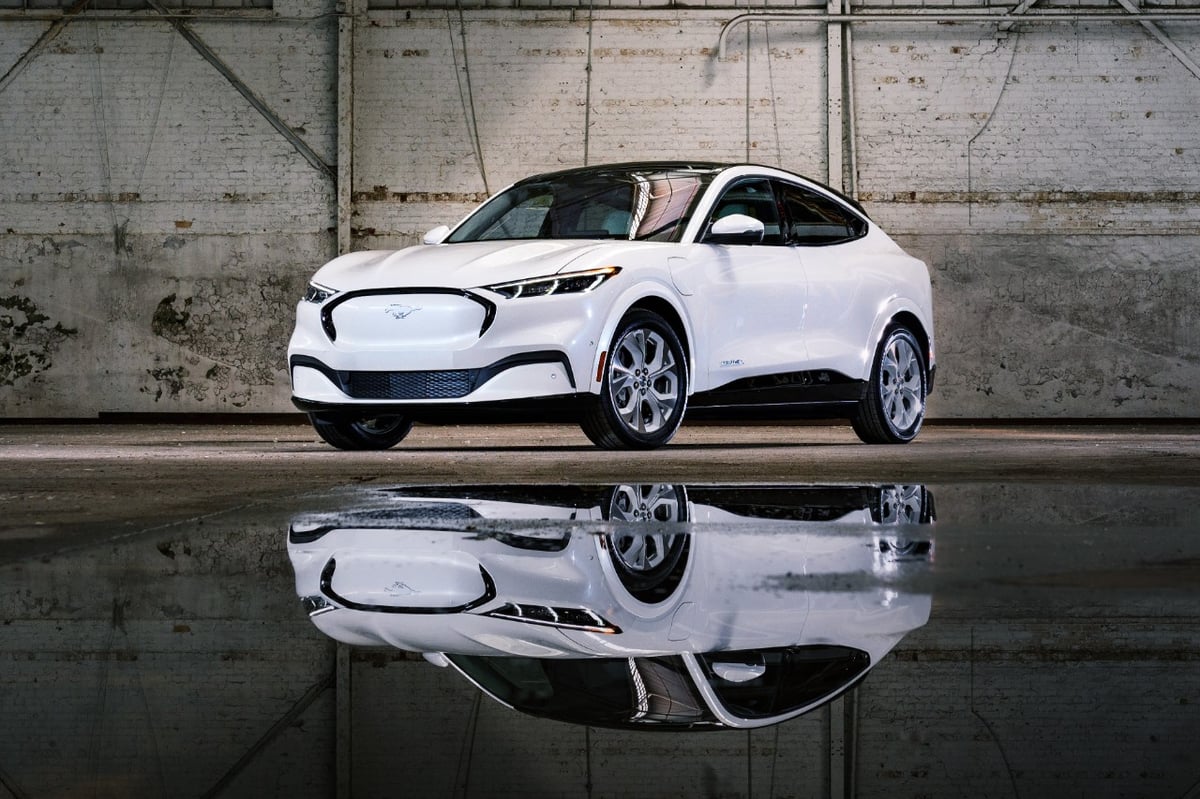
Ford Credit's Profit-Driving Potential

- Profit Source: Ford Credit, while generating only about 5% of the company's revenue annually, contributes 15% to 20% of profits, with last year's earnings before taxes reaching $2.6 billion and returning $1.7 billion in cash to Ford, supporting growth in electric vehicles and other initiatives.
- Leasing Risks: Ford Credit finances customer sales and leases, and is projected to face significant risks from off-lease EVs with residual values lower than expected, potentially crippling profitability, especially with nearly 800,000 EVs expected to come off lease by 2028.
- Market Dynamics: By the end of 2026, EVs are expected to make up 15% of off-lease used vehicles, up from just 7.7% in Q1 2023, indicating rapid changes in the EV market and its potential impact on Ford Credit.
- Industry Loss Estimates: Experts predict that the resale value of off-lease EVs will be around $10,000 less than projected, leading to an estimated industry-wide loss of about $8 billion in 2028, posing challenges for Ford and its competitors Tesla and General Motors.

Ford Credit Faces EV Residual Value Crisis
- Profitability Overview: Ford Credit has recorded only one annual loss in the past two decades, in 2008, and while it typically generates about 5% of the company's revenue, it contributes 15% to 20% of profits, highlighting its significance as a profit engine.
- EV Residual Value Risk: With nearly 800,000 EVs expected to flood the market by 2028, industry experts predict these vehicles will resell for about $10,000 less than projected, potentially leading to an industry-wide loss of approximately $8 billion, posing significant financial pressure on Ford Credit.
- Leasing Market Dynamics: Ford's performance in the EV leasing market is relatively weak, with only 52,000 EV leases last year compared to 228,000 for Tesla and 102,000 for General Motors, which may impact Ford's future profitability due to market share disparities.
- Investor Watchpoint: Although the current situation is less severe than the 2008 crisis, the residual value issues of EVs warrant close attention from investors, as they could unexpectedly affect Ford's financial health in the coming years.
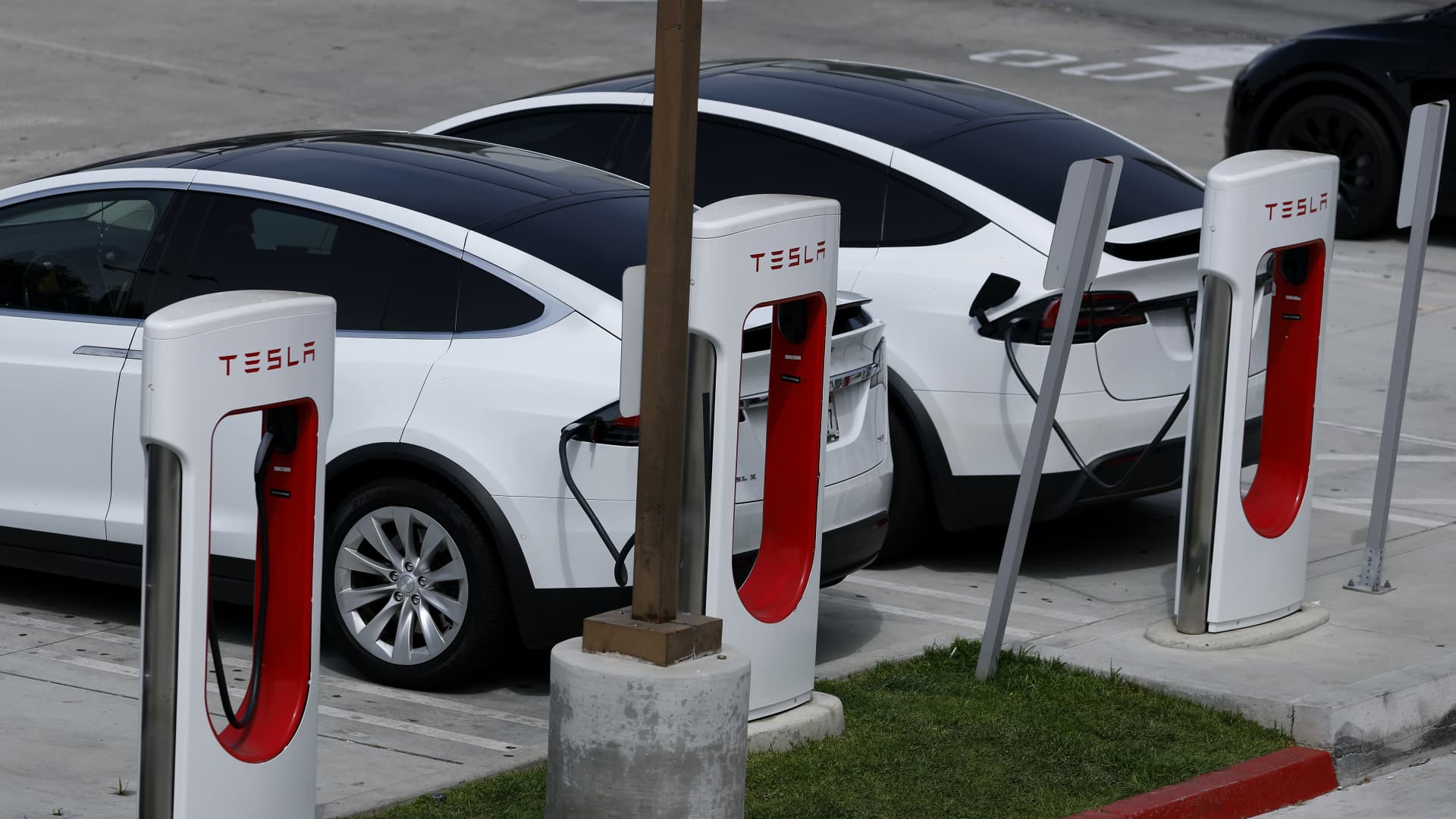
Tesla's Deliveries Fall Short of Expectations, Shares Drop


- Tesla Delivery Decline: Tesla reported first-quarter deliveries of 358,000 vehicles, a 14% drop from the previous quarter and below the expected 370,000, leading to a 4% decline in stock price, indicating market concerns over its growth outlook.
- Nike's Bleak Sales Outlook: Nike anticipates a 20% decline in sales in China for the current quarter, resulting in a more than 2% drop in stock price, highlighting increasing challenges the company faces in the global market that could impact future profitability.
- Globalstar Stock Surge: Globalstar shares rose 9% following reports that Amazon is in talks to acquire the company, although Amazon declined to comment, the optimism surrounding the potential acquisition boosted the stock price significantly.
- Penguin Solutions Earnings Beat: Penguin Solutions reported adjusted earnings of 52 cents per share, exceeding the analyst consensus of 42 cents, with revenue of $343 million surpassing expectations, reflecting strong performance in the computing and memory markets, resulting in a 13% stock price increase.
Leasing Market Faces Challenges for EVs
- Leasing Market Risks: A wave of off-lease EVs is expected to return with values approximately $10,000 lower than projected, potentially costing the finance arms up to $8 billion, which could significantly impact overall industry profitability.
- Surge in Supply: By 2028, around 800,000 EVs are projected to hit the used market, leading to oversupply and further price depreciation, which may put additional financial strain on leasing companies.
- Tesla's Market Dominance: Tesla's leasing volume is substantial, with nearly 229,000 EVs leased last year, far exceeding the combined totals of General Motors and Ford, highlighting its strong influence in the industry.
- Financial Management Strategy: Despite industry challenges, Tesla mitigates its financial risk by managing a portion of its lease portfolio through partnerships with third-party lenders, allowing investors to remain cautiously optimistic while monitoring market developments in the coming years.
Tesla Faces Off-Lease EV Depreciation Risks
- Leasing Market Risks: Tesla is expected to see a wave of off-lease EVs flooding the market in the coming years, with industry experts projecting these vehicles to return at values approximately $10,000 lower than anticipated, potentially costing the industry about $8 billion.
- Depreciation Trends: According to Cox Automotive, by 2025, a three-year-old EV will maintain only about 40% of its original value at auction, a significant drop from 90% in early 2022, indicating pressure on the used EV market.
- Tesla's Market Dominance: Tesla dominates the EV leasing market, having leased nearly 229,000 vehicles last year, which is significantly more than the combined total of General Motors and Ford, highlighting its strong industry influence.
- Investor Confidence Reminder: Despite the challenges posed by off-lease EV depreciation, Tesla's finance arm collaborates with third-party lenders, allowing it to mitigate most of the leasing losses, suggesting that investors need not panic just yet.
Impact of Trump's Tariffs One Year Later
- Widespread Tariff Impact: Trump's tariff policies have placed significant economic pressure on U.S. businesses over the past year, with approximately 80% to 85% of costs absorbed by companies, leading to reduced profits and increased consumer prices, thereby exacerbating overall economic uncertainty.
- Retail Sector Adaptation: While large retailers like Walmart have emerged relatively unscathed, smaller businesses have been severely impacted, with Home Depot aiming to limit purchases from any single country to 10% to reduce dependency and enhance supply chain flexibility.
- Automotive Industry Cost Surge: Automakers such as General Motors and Toyota are facing tariff impacts estimated at up to $9.5 billion, and although the Trump administration has taken steps to alleviate overlapping tariffs, overall costs remain significant, forcing companies to reassess their supply chain strategies.
- Pharmaceutical Sector Stability: Pharmaceutical companies have secured three-year tariff exemptions through pricing agreements with Trump, although new tariffs impose 100% on companies that do not reach agreements, the overall industry is still striving to increase investments in U.S. manufacturing.
Ford Credit's Profit-Driving Potential
- Profit Source: Ford Credit, while generating only about 5% of the company's revenue annually, contributes 15% to 20% of profits, with last year's earnings before taxes reaching $2.6 billion and returning $1.7 billion in cash to Ford, supporting growth in electric vehicles and other initiatives.
- Leasing Risks: Ford Credit finances customer sales and leases, and is projected to face significant risks from off-lease EVs with residual values lower than expected, potentially crippling profitability, especially with nearly 800,000 EVs expected to come off lease by 2028.
- Market Dynamics: By the end of 2026, EVs are expected to make up 15% of off-lease used vehicles, up from just 7.7% in Q1 2023, indicating rapid changes in the EV market and its potential impact on Ford Credit.
- Industry Loss Estimates: Experts predict that the resale value of off-lease EVs will be around $10,000 less than projected, leading to an estimated industry-wide loss of about $8 billion in 2028, posing challenges for Ford and its competitors Tesla and General Motors.
Ford Credit Faces EV Residual Value Crisis
- Profitability Overview: Ford Credit has recorded only one annual loss in the past two decades, in 2008, and while it typically generates about 5% of the company's revenue, it contributes 15% to 20% of profits, highlighting its significance as a profit engine.
- EV Residual Value Risk: With nearly 800,000 EVs expected to flood the market by 2028, industry experts predict these vehicles will resell for about $10,000 less than projected, potentially leading to an industry-wide loss of approximately $8 billion, posing significant financial pressure on Ford Credit.
- Leasing Market Dynamics: Ford's performance in the EV leasing market is relatively weak, with only 52,000 EV leases last year compared to 228,000 for Tesla and 102,000 for General Motors, which may impact Ford's future profitability due to market share disparities.
- Investor Watchpoint: Although the current situation is less severe than the 2008 crisis, the residual value issues of EVs warrant close attention from investors, as they could unexpectedly affect Ford's financial health in the coming years.
Tesla's Deliveries Fall Short of Expectations, Shares Drop
- Tesla Delivery Decline: Tesla reported first-quarter deliveries of 358,000 vehicles, a 14% drop from the previous quarter and below the expected 370,000, leading to a 4% decline in stock price, indicating market concerns over its growth outlook.
- Nike's Bleak Sales Outlook: Nike anticipates a 20% decline in sales in China for the current quarter, resulting in a more than 2% drop in stock price, highlighting increasing challenges the company faces in the global market that could impact future profitability.
- Globalstar Stock Surge: Globalstar shares rose 9% following reports that Amazon is in talks to acquire the company, although Amazon declined to comment, the optimism surrounding the potential acquisition boosted the stock price significantly.
- Penguin Solutions Earnings Beat: Penguin Solutions reported adjusted earnings of 52 cents per share, exceeding the analyst consensus of 42 cents, with revenue of $343 million surpassing expectations, reflecting strong performance in the computing and memory markets, resulting in a 13% stock price increase.