Archer Aviation: Future of eVTOL Aircraft in Question
Written by Emily J. Thompson, Senior Investment Analyst
Updated: May 26 2026
0mins
Source: Fool
- Poor Market Performance: Since going public in 2021, Archer Aviation's stock has declined approximately 38%, currently trading around $6, reflecting a 25% drop in 2026, indicating a lack of competitiveness in the market.
- Strong Partnerships: Archer has formed strategic alliances with notable companies, including United Airlines and Abu Dhabi Aviation, resulting in a $6 billion backlog; however, the company's path to commercialization remains challenging.
- Government Support for Development: Under the U.S. government's eVTOL Integration Pilot Program, Archer has the opportunity to conduct early test flights, which could accelerate its commercialization process, with air taxi services expected to launch in the latter half of 2026, potentially generating revenue.
- Significant Financial Pressure: Archer burns approximately $500 million to $700 million in cash annually, lacks a commercial license, and trails competitor Joby Aviation on the regulatory timeline, making its current $4.6 billion market cap a concern for investors.
Trade with 70% Backtested Accuracy
Stop guessing "Should I Buy ACHR?" and start using high-conviction signals backed by rigorous historical data.
Sign up today to access powerful investing tools and make smarter, data-driven decisions.
Analyst Views on ACHR
Wall Street analysts forecast ACHR stock price to rise
6 Analyst Rating
4 Buy
2 Hold
0 Sell
Moderate Buy
Current: 5.250

Low
8.00
Averages
12.40
High
18.00
Current: 5.250
Low
8.00
Averages
12.40
High
18.00
About ACHR
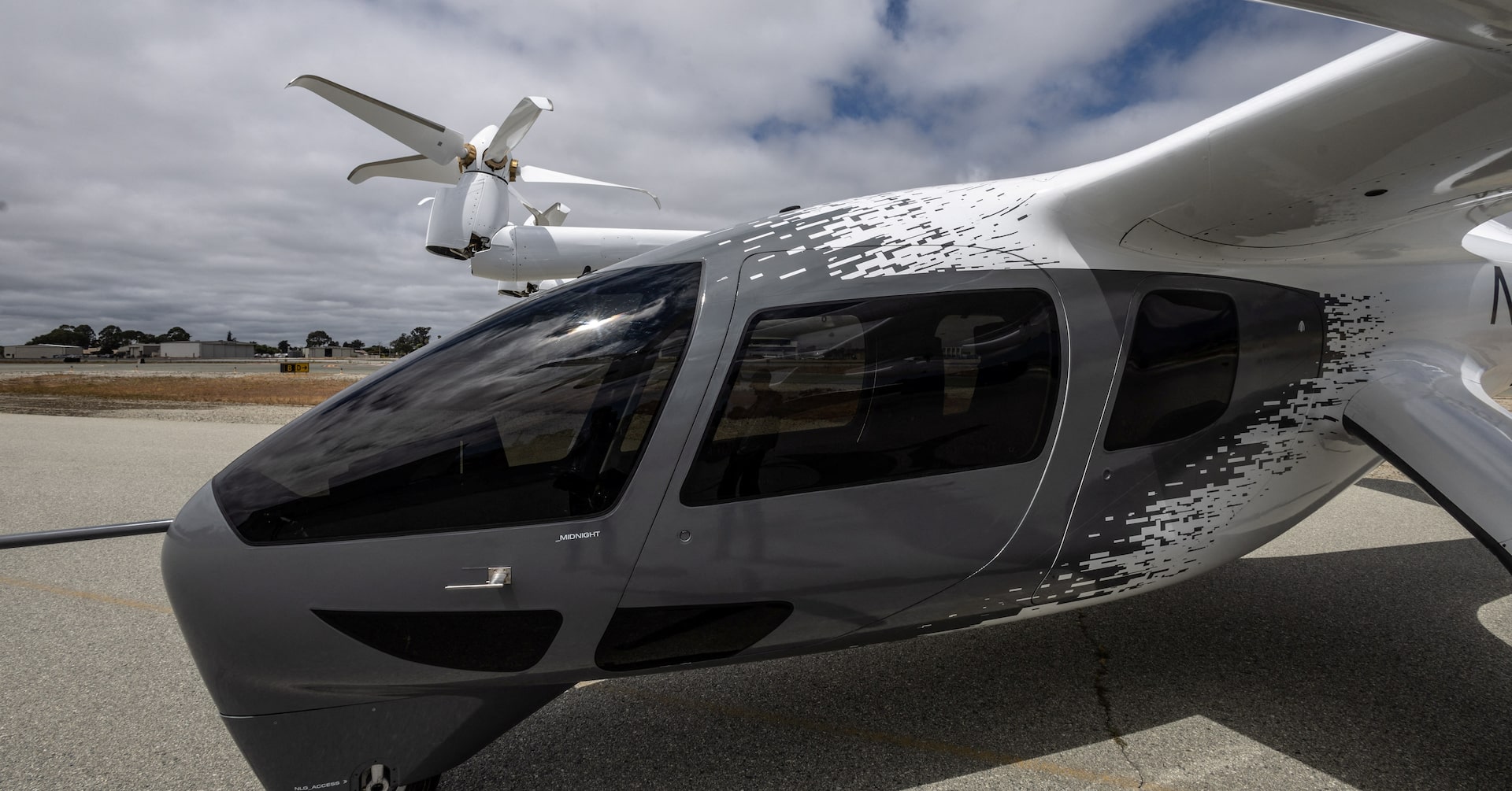
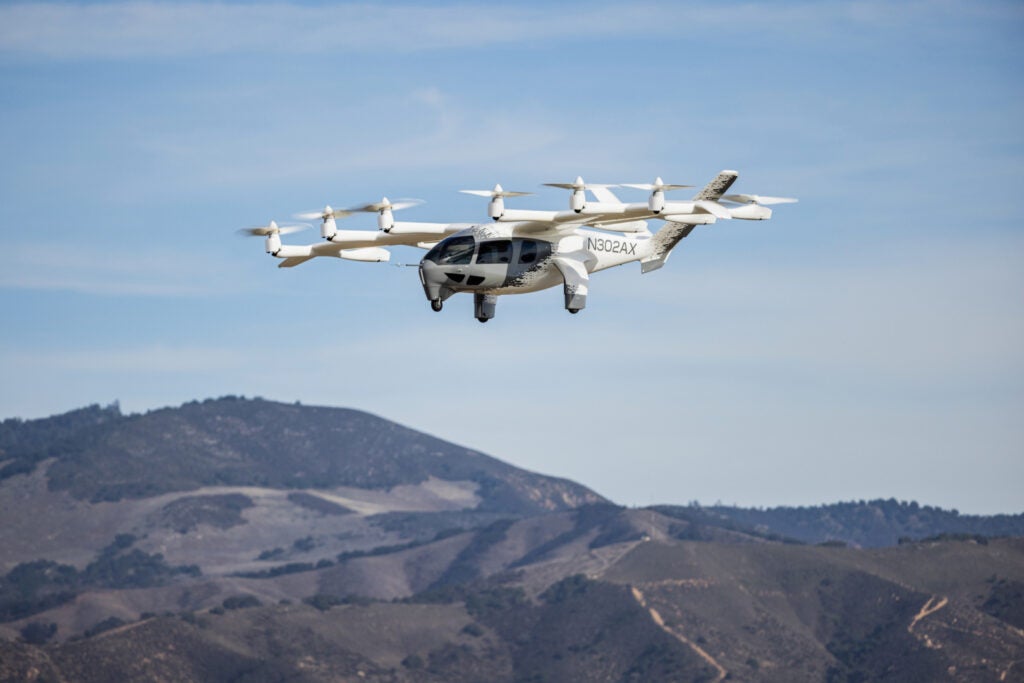
Archer Aviation Inc. is an aerospace company. It is engaged in providing customers with advanced aircraft and related technologies and services in the United States and internationally in both the commercial and defense sectors. Its commercial line of business consists of the sale of its commercial aircraft (Archer Direct), such as Midnight, to aircraft operators as well as technologies and services related thereto, including commercial launch (certification, testing, training, demonstration, market survey and early trial operations), and maintenance and repair. Its defense line of business consists of the sale of aircraft and related technologies for defense applications. Its initial product is intended to be a hybrid-propulsion, vertical take-off and landing (VTOL) aircraft. Its Midnight aircraft is designed around its proprietary 12-tilt-6 distributed electric propulsion platform. It carries four passengers plus a pilot. The aircraft is purpose-built for air taxi operations.
About the author

Emily J. Thompson
Emily J. Thompson, a Chartered Financial Analyst (CFA) with 12 years in investment research, graduated with honors from the Wharton School. Specializing in industrial and technology stocks, she provides in-depth analysis for Intellectia’s earnings and market brief reports.
USA Rare Earth and Archer Aviation Compete in Rare-Earth and eVTOL Markets


- Government Backing for Rare Earths: USA Rare Earth benefits from U.S. government support, including a 10% stake and approximately $3.5 billion in funding, aimed at establishing a domestic supply chain for rare-earth magnets, which is expected to significantly enhance U.S. autonomy in critical technology sectors.
- Pioneering Electric Aviation: Archer Aviation has successfully passed Phase 3 of the FAA's regulatory approval process, and if it receives final approval, it could begin commercial operations this year, positioning itself as a leader in the U.S. eVTOL market, which is projected to reach $28.6 billion by 2030.
- Market Opportunities and Risks: USA Rare Earth faces a $19 billion market opportunity for rare-earth magnets, but its success hinges on political support and the smooth execution of multiple construction projects, while Archer Aviation's outlook primarily depends on FAA approval, providing a clearer growth trajectory.
- Revenue Potential Comparison: Despite USA Rare Earth and Archer Aviation having market capitalizations of $5.5 billion and $4.2 billion respectively, both companies have less than $10 million in total trailing-12-month revenue, indicating that both are highly speculative investments, with future revenue realization being critical.
See More
Competitive Analysis of USA Rare Earth and Archer Aviation
- Market Opportunity: USA Rare Earth, backed by the Trump administration, has secured approximately $3.5 billion in funding commitments to establish a domestic supply chain for rare-earth magnets, which is expected to significantly enhance its market share in weapons and electronics over the coming years.
- Expansion Plans: The company plans to complete an expansion of its magnet factory in Oklahoma by 2024 and expects to open a new facility in South Carolina by 2028, with commercial mining in Texas projected to begin in late 2028, targeting a $19 billion rare-earth market.
- Archer Aviation's Edge: Archer Aviation's eVTOL aircraft has successfully passed Phase 3 of the FAA's regulatory approval process and is expected to begin commercial operations this year, positioning itself as a pioneer in urban air taxi services with substantial market potential.
- Industry Outlook: According to Grand View Research, the eVTOL industry could reach $28.6 billion by 2030, and FAA approval for Archer Aviation will provide a clearer growth trajectory, enhancing its leadership position in the industry.
See More

Archer Aviation Faces Absence of Key Milestone

- FAA Certification Progress: Archer Aviation has recently completed the third phase of the FAA certification process; however, the absence of a demonstrated piloted transition raises investor concerns about its future, potentially impacting stock performance.
- Market Participation Plan: The company is participating in the White House's eVTOL Integration Pilot Program, with pre-certification operations planned in New York, Florida, and Texas, yet the overall bearish sentiment on eVTOLs has led to Archer's stock price dropping approximately 33% since January.
- Flight Performance Showcase: Archer's flagship model, Midnight, can fly at speeds of 150 miles per hour and travel about 100 miles on a single charge, but the lack of a piloted transition demonstration leaves its commercialization prospects uncertain, which may affect investor confidence.
- Increased Competitive Pressure: Compared to Joby Aviation, Archer is lagging in demonstrating the critical piloted transition capability, as Joby has successfully showcased this maneuver; if Archer continues to fall behind, it may find itself at a disadvantage in the competitive market.
See More

Archer Aviation Faces Major Challenges Ahead
- FAA Certification Progress: Archer Aviation has recently completed the third phase of the FAA certification process; however, its stock remains 33% lower than its January levels, indicating market concerns about eVTOLs that could impact future funding capabilities.
- White House Program Participation: The company is participating in the White House's eVTOL Integration Pilot Program, set to launch early, yet pre-certification operations in states like New York, Florida, and Texas have not significantly boosted market confidence.
- Missing Flight Test: Although Archer's flagship aircraft, Midnight, has proven it can fly, it has yet to demonstrate the crucial piloted transition from vertical takeoff to forward flight, which may lead to investor anxiety regarding its commercialization prospects.
- Increased Competitive Pressure: Compared to Joby Aviation, Archer lags in flight experience and technical demonstrations, as Joby has successfully showcased piloted transition; if Archer fails to catch up quickly, it may further weaken its market position.
See More
Investment Choices: Archer Aviation vs. Boeing

- Archer Aviation's Potential: Focused on eVTOL aircraft, Archer reported a net loss of approximately $618.2 million in FY 2025, yet its $1 billion conditional purchase agreement with United Airlines indicates significant market potential, which could revolutionize urban transport if successful.
- Boeing's Recovery: Boeing achieved $89.5 billion in revenue for FY 2025, a 34.5% increase year-over-year, and reported a net income of $1.9 billion, marking a return to profitability after six years of losses, showcasing its resilience in the global aerospace market.
- Risk Comparison: Archer faces significant hurdles with FAA certification that could delay its commercial launch, while Boeing contends with strict regulatory oversight and environmental liabilities, although its diversified business structure provides some buffer against market downturns.
- Valuation Discrepancy: Archer commands a forward P/E ratio of 833x, significantly higher than Boeing's 31.6x, reflecting market expectations for future growth but also high risks, necessitating careful evaluation of long-term sustainability by investors.
See More
Archer Aviation Shares Drop 26% Amid Investor Concerns

- Stock Decline: Archer Aviation shares have fallen nearly 26% this year and over 18% this month, primarily due to investor concerns regarding ongoing losses and heavy spending, which has led to diminished market confidence.
- CEO's Optimistic Outlook: Despite the challenges, CEO Adam Goldstein remains confident in the electric vertical takeoff and landing aircraft technology, expecting the public to see the company's aircraft in operation during the second half of the year, drawing parallels to Tesla's early development stages.
- Significant Regulatory Progress: Archer recently advanced through Phase 3 of the FAA's aircraft certification process, becoming the first eVTOL developer to reach this stage, which paves the way for further regulator-supervised flight testing, indicating the company's maturity in technology and regulation.
- Severe Financial Situation: In Q1 2023, Archer reported a modest revenue of $1.6 million with a net loss of $217.7 million, highlighting the financial pressures faced by the company during its capital-intensive development phase, despite significant technological advancements.
See More
USA Rare Earth and Archer Aviation Compete in Rare-Earth and eVTOL Markets
- Government Backing for Rare Earths: USA Rare Earth benefits from U.S. government support, including a 10% stake and approximately $3.5 billion in funding, aimed at establishing a domestic supply chain for rare-earth magnets, which is expected to significantly enhance U.S. autonomy in critical technology sectors.
- Pioneering Electric Aviation: Archer Aviation has successfully passed Phase 3 of the FAA's regulatory approval process, and if it receives final approval, it could begin commercial operations this year, positioning itself as a leader in the U.S. eVTOL market, which is projected to reach $28.6 billion by 2030.
- Market Opportunities and Risks: USA Rare Earth faces a $19 billion market opportunity for rare-earth magnets, but its success hinges on political support and the smooth execution of multiple construction projects, while Archer Aviation's outlook primarily depends on FAA approval, providing a clearer growth trajectory.
- Revenue Potential Comparison: Despite USA Rare Earth and Archer Aviation having market capitalizations of $5.5 billion and $4.2 billion respectively, both companies have less than $10 million in total trailing-12-month revenue, indicating that both are highly speculative investments, with future revenue realization being critical.
See More
Competitive Analysis of USA Rare Earth and Archer Aviation
- Market Opportunity: USA Rare Earth, backed by the Trump administration, has secured approximately $3.5 billion in funding commitments to establish a domestic supply chain for rare-earth magnets, which is expected to significantly enhance its market share in weapons and electronics over the coming years.
- Expansion Plans: The company plans to complete an expansion of its magnet factory in Oklahoma by 2024 and expects to open a new facility in South Carolina by 2028, with commercial mining in Texas projected to begin in late 2028, targeting a $19 billion rare-earth market.
- Archer Aviation's Edge: Archer Aviation's eVTOL aircraft has successfully passed Phase 3 of the FAA's regulatory approval process and is expected to begin commercial operations this year, positioning itself as a pioneer in urban air taxi services with substantial market potential.
- Industry Outlook: According to Grand View Research, the eVTOL industry could reach $28.6 billion by 2030, and FAA approval for Archer Aviation will provide a clearer growth trajectory, enhancing its leadership position in the industry.
See More
Archer Aviation Faces Absence of Key Milestone
- FAA Certification Progress: Archer Aviation has recently completed the third phase of the FAA certification process; however, the absence of a demonstrated piloted transition raises investor concerns about its future, potentially impacting stock performance.
- Market Participation Plan: The company is participating in the White House's eVTOL Integration Pilot Program, with pre-certification operations planned in New York, Florida, and Texas, yet the overall bearish sentiment on eVTOLs has led to Archer's stock price dropping approximately 33% since January.
- Flight Performance Showcase: Archer's flagship model, Midnight, can fly at speeds of 150 miles per hour and travel about 100 miles on a single charge, but the lack of a piloted transition demonstration leaves its commercialization prospects uncertain, which may affect investor confidence.
- Increased Competitive Pressure: Compared to Joby Aviation, Archer is lagging in demonstrating the critical piloted transition capability, as Joby has successfully showcased this maneuver; if Archer continues to fall behind, it may find itself at a disadvantage in the competitive market.
See More
Archer Aviation Faces Major Challenges Ahead
- FAA Certification Progress: Archer Aviation has recently completed the third phase of the FAA certification process; however, its stock remains 33% lower than its January levels, indicating market concerns about eVTOLs that could impact future funding capabilities.
- White House Program Participation: The company is participating in the White House's eVTOL Integration Pilot Program, set to launch early, yet pre-certification operations in states like New York, Florida, and Texas have not significantly boosted market confidence.
- Missing Flight Test: Although Archer's flagship aircraft, Midnight, has proven it can fly, it has yet to demonstrate the crucial piloted transition from vertical takeoff to forward flight, which may lead to investor anxiety regarding its commercialization prospects.
- Increased Competitive Pressure: Compared to Joby Aviation, Archer lags in flight experience and technical demonstrations, as Joby has successfully showcased piloted transition; if Archer fails to catch up quickly, it may further weaken its market position.
See More
Investment Choices: Archer Aviation vs. Boeing
- Archer Aviation's Potential: Focused on eVTOL aircraft, Archer reported a net loss of approximately $618.2 million in FY 2025, yet its $1 billion conditional purchase agreement with United Airlines indicates significant market potential, which could revolutionize urban transport if successful.
- Boeing's Recovery: Boeing achieved $89.5 billion in revenue for FY 2025, a 34.5% increase year-over-year, and reported a net income of $1.9 billion, marking a return to profitability after six years of losses, showcasing its resilience in the global aerospace market.
- Risk Comparison: Archer faces significant hurdles with FAA certification that could delay its commercial launch, while Boeing contends with strict regulatory oversight and environmental liabilities, although its diversified business structure provides some buffer against market downturns.
- Valuation Discrepancy: Archer commands a forward P/E ratio of 833x, significantly higher than Boeing's 31.6x, reflecting market expectations for future growth but also high risks, necessitating careful evaluation of long-term sustainability by investors.
See More
Archer Aviation Shares Drop 26% Amid Investor Concerns
- Stock Decline: Archer Aviation shares have fallen nearly 26% this year and over 18% this month, primarily due to investor concerns regarding ongoing losses and heavy spending, which has led to diminished market confidence.
- CEO's Optimistic Outlook: Despite the challenges, CEO Adam Goldstein remains confident in the electric vertical takeoff and landing aircraft technology, expecting the public to see the company's aircraft in operation during the second half of the year, drawing parallels to Tesla's early development stages.
- Significant Regulatory Progress: Archer recently advanced through Phase 3 of the FAA's aircraft certification process, becoming the first eVTOL developer to reach this stage, which paves the way for further regulator-supervised flight testing, indicating the company's maturity in technology and regulation.
- Severe Financial Situation: In Q1 2023, Archer reported a modest revenue of $1.6 million with a net loss of $217.7 million, highlighting the financial pressures faced by the company during its capital-intensive development phase, despite significant technological advancements.
See More