Carnival Reports Non-GAAP EPS of $0.34, Exceeding Estimates by $0.09; Revenue of $6.33B Falls Short by $40M
Q4 Financial Performance: Carnival reported a Q4 non-GAAP EPS of $0.34, beating expectations by $0.09, while revenue of $6.33 billion increased by 6.6% year-over-year but missed estimates by $40 million.
Record Customer Deposits: The company achieved record customer deposits of $7.2 billion, surpassing the previous fourth quarter record as of November 30, 2024.
2026 Financial Outlook: For the full year 2026, Carnival anticipates a 12% increase in adjusted net income and a 2.5% rise in net yields, despite less than 1% capacity growth.
Q1 2026 Expectations: In the first quarter of 2026, Carnival expects net yields to increase by approximately 1.6% compared to 2025, with adjusted cruise costs excluding fuel per ALBD projected to rise by about 5.9% compared to Q1 2025.
Trade with 70% Backtested Accuracy
Analyst Views on CCL

About CCL
About the author

US Stock Market Volatility Amid Falling WTI Crude Prices

- Mixed Market Performance: The S&P 500 index fell by 0.28%, while the Dow Jones Industrial Average rose by 0.19%, and the Nasdaq 100 index dropped by 0.80%, indicating a divergence in market sentiment, particularly with weakness in chipmakers and software stocks weighing on the broader market.
- Crude Oil Price Decline: WTI crude oil prices plunged over 3% to a one-week low, primarily due to the ceasefire agreement between Iran and Israel, leading to expectations of further declines in oil prices that could impact the profitability outlook for energy stocks.
- Positive Economic Data: The US trade deficit narrowed to $55.9 billion in April, better than the expected $56.1 billion, while existing home sales in May rose by 3.2% month-over-month to 4.17 million, indicating resilience in the housing market that may provide support for stocks.
- Company Movements: United Natural Foods saw its stock drop over 12% after reporting Q3 net sales below expectations, while Nuvalent's stock surged over 38% following GSK's agreement to acquire the company for $10.6 billion, reflecting varied market reactions to company fundamentals.

US Stocks Rebound as AI Trade Continues to Gain Momentum
- Market Rebound: The S&P 500 Index rose by 0.93%, the Dow Jones Industrial Average increased by 0.89%, and the Nasdaq 100 Index climbed by 1.17%, indicating a sustained rebound in the artificial intelligence trade that boosts market confidence and investor sentiment.
- Crude Oil Price Decline: WTI crude oil prices fell by 2% to a one-week low, which lowered inflation expectations and provided support for stocks and bonds, reflecting a positive outlook for future economic growth.
- Strong China Trade Data: May exports rose by 19.4% year-on-year, exceeding expectations of 15.0%, while imports increased by 27.4%, surpassing the anticipated 26.0%, indicating positive signals for global economic recovery that could further drive market gains.
- Tech Stocks Lead Gains: Chipmakers and AI infrastructure stocks showed strong performance, with Lam Research up over 4%, and Applied Materials and KLA Corp both rising over 3%, suggesting that the recovery in the tech sector is driving overall market growth.

Konami Delivers Advanced Technology to Carnival Cruise Line
- Comprehensive System Deployment: Konami has successfully installed its SYNKROS® casino management system across all 29 Carnival Cruise Line ships, marking a significant expansion of its technology application within the world's largest cruise company, enhancing customer gaming experiences and satisfaction.
- Personalized Rewards Mechanism: With the SYNKROS system, guests on Carnival Cruise Line can enjoy personalized rewards, offers, and cashless wagering, which not only enhances customer engagement but also strengthens the company's competitive position in the market.
- Enhanced Innovative Experience: Guests on Carnival Cruise Line can now experience Konami's latest technology across 40 onboard casinos, offering a wide range of gaming options and rewarding opportunities, further promoting the company's innovative image in the leisure travel market.
- Ongoing Expansion Plans: Carnival Cruise Line plans to continue rolling out the SYNKROS system across its entire portfolio of world-class cruise lines, demonstrating the company's commitment to enhancing customer experiences while laying the groundwork for future market growth.
Seabourn Quest Undergoes Comprehensive Interior Overhaul
- Dry Dock Overhaul: Seabourn's Seabourn Quest has completed the most comprehensive interior update in its history, enhancing suites, public spaces, and dining venues to elevate guest comfort and luxury, thereby increasing customer satisfaction and loyalty.
- Public Space Transformation: The Club underwent significant renovations with a new layout and lighting design, creating a more social atmosphere that enhances live music and social gatherings, further boosting the appeal of onboard social activities.
- Sustainable Practices: Over 20,000 square meters of carpet were replaced during the upgrade, with all original carpets being recycled, reflecting Seabourn's commitment to sustainability, while new suites feature biodegradable materials to support a closed-loop lifecycle approach.
- Customer Incentives: To attract more guests to experience the upgraded Seabourn Quest, Seabourn is offering up to 15% off summer voyages and up to $1,000 in shipboard credit per suite on select winter voyages, further driving sales growth.
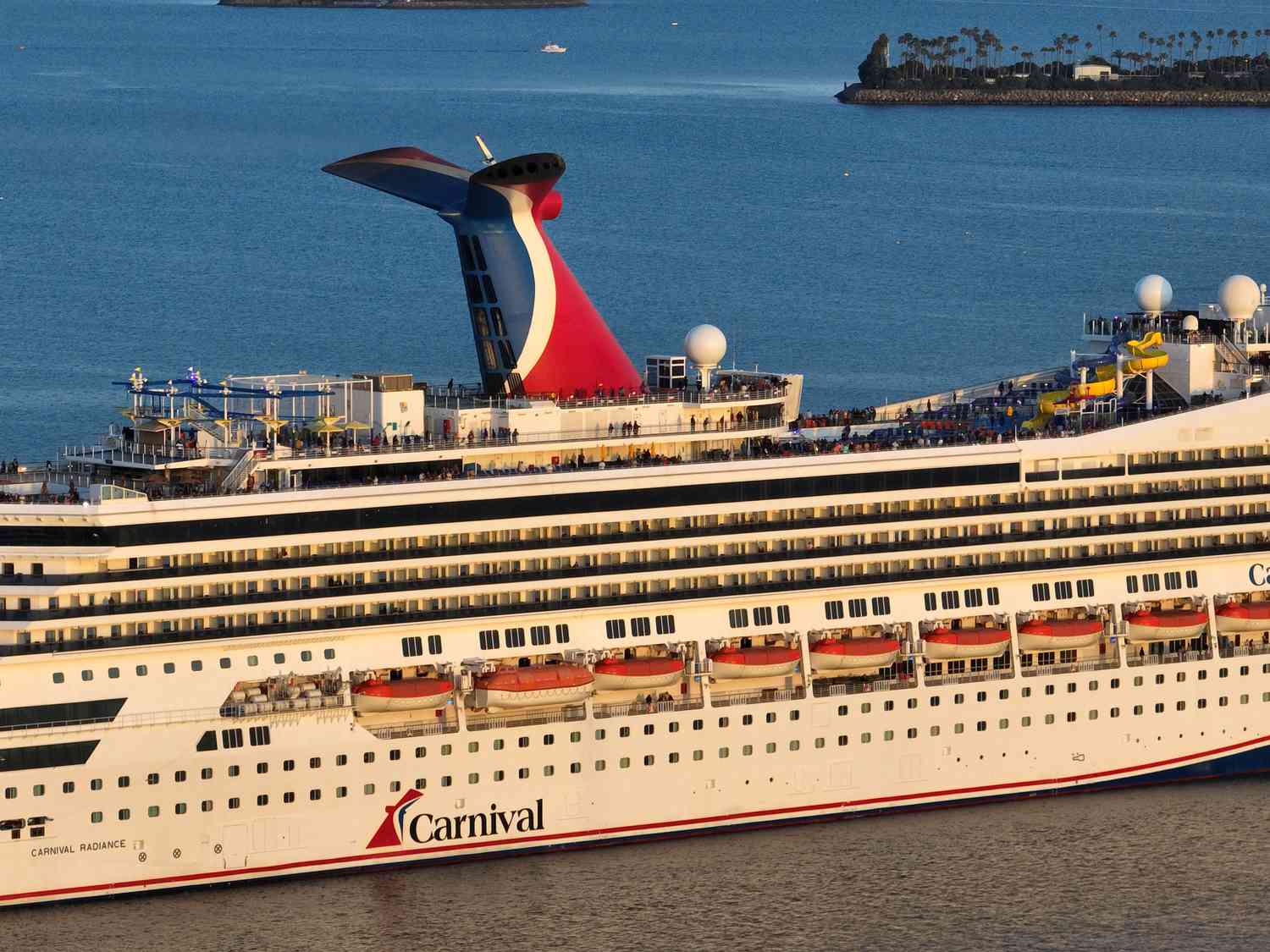
Seabourn Quest Undergoes Comprehensive Interior Upgrade
- Dry Dock Upgrade: Seabourn Quest has completed the most comprehensive dry dock upgrade in its history, enhancing suites, public spaces, and dining venues, which elevates guest comfort and luxury, thereby increasing brand appeal and customer loyalty.
- Public Space Transformation: The Club underwent significant renovations with a new layout and lighting design, creating a more social atmosphere that enhances live music and gatherings, further boosting the appeal of onboard activities.
- Sustainability Practices: The upgrade emphasizes sustainability, replacing over 20,000 square meters of carpet, with all original materials being repurposed, reflecting Seabourn's commitment to environmental responsibility while improving the overall quality of the onboard environment.
- Enhanced Guest Experience: Seabourn is offering a 15% discount on summer voyages and up to $1,000 in shipboard credit per suite for winter voyages, aimed at attracting more customers to experience the upgraded Seabourn Quest, thus driving sales growth.
Financial Comparison of Royal Caribbean and Carnival Corporation
- Royal Caribbean Growth: Royal Caribbean Cruises reported a revenue of $17.9 billion for FY 2025, reflecting an 8.8% year-over-year increase, with a net income of $4.3 billion and a net margin of 23.8%, indicating strong market demand and profitability, particularly in high-end and family segments.
- Carnival's Scale Advantage: Carnival Corporation achieved a revenue of $26.6 billion in FY 2025, with a growth rate of 6.4% and a net income close to $2.8 billion, showcasing a net margin of 7.7%, leveraging its large fleet and diverse brands to capture a wide range of customer segments.
- Risk Factors Analysis: Royal Caribbean faces risks from cybersecurity threats and geopolitical tensions that could lead to sudden drops in travel demand, while Carnival must navigate fluctuating fuel prices and weather events, which can impact operational costs and itinerary schedules.
- Valuation Comparison: Carnival's forward P/E ratio stands at 11.8x, lower than Royal Caribbean's 16.1x, indicating that Carnival's stock appears more valuable in the current market, and its $2.5 billion stock buyback program reflects the company's confidence in its stock value.
US Stock Market Volatility Amid Falling WTI Crude Prices
- Mixed Market Performance: The S&P 500 index fell by 0.28%, while the Dow Jones Industrial Average rose by 0.19%, and the Nasdaq 100 index dropped by 0.80%, indicating a divergence in market sentiment, particularly with weakness in chipmakers and software stocks weighing on the broader market.
- Crude Oil Price Decline: WTI crude oil prices plunged over 3% to a one-week low, primarily due to the ceasefire agreement between Iran and Israel, leading to expectations of further declines in oil prices that could impact the profitability outlook for energy stocks.
- Positive Economic Data: The US trade deficit narrowed to $55.9 billion in April, better than the expected $56.1 billion, while existing home sales in May rose by 3.2% month-over-month to 4.17 million, indicating resilience in the housing market that may provide support for stocks.
- Company Movements: United Natural Foods saw its stock drop over 12% after reporting Q3 net sales below expectations, while Nuvalent's stock surged over 38% following GSK's agreement to acquire the company for $10.6 billion, reflecting varied market reactions to company fundamentals.
US Stocks Rebound as AI Trade Continues to Gain Momentum
- Market Rebound: The S&P 500 Index rose by 0.93%, the Dow Jones Industrial Average increased by 0.89%, and the Nasdaq 100 Index climbed by 1.17%, indicating a sustained rebound in the artificial intelligence trade that boosts market confidence and investor sentiment.
- Crude Oil Price Decline: WTI crude oil prices fell by 2% to a one-week low, which lowered inflation expectations and provided support for stocks and bonds, reflecting a positive outlook for future economic growth.
- Strong China Trade Data: May exports rose by 19.4% year-on-year, exceeding expectations of 15.0%, while imports increased by 27.4%, surpassing the anticipated 26.0%, indicating positive signals for global economic recovery that could further drive market gains.
- Tech Stocks Lead Gains: Chipmakers and AI infrastructure stocks showed strong performance, with Lam Research up over 4%, and Applied Materials and KLA Corp both rising over 3%, suggesting that the recovery in the tech sector is driving overall market growth.
Konami Delivers Advanced Technology to Carnival Cruise Line
- Comprehensive System Deployment: Konami has successfully installed its SYNKROS® casino management system across all 29 Carnival Cruise Line ships, marking a significant expansion of its technology application within the world's largest cruise company, enhancing customer gaming experiences and satisfaction.
- Personalized Rewards Mechanism: With the SYNKROS system, guests on Carnival Cruise Line can enjoy personalized rewards, offers, and cashless wagering, which not only enhances customer engagement but also strengthens the company's competitive position in the market.
- Enhanced Innovative Experience: Guests on Carnival Cruise Line can now experience Konami's latest technology across 40 onboard casinos, offering a wide range of gaming options and rewarding opportunities, further promoting the company's innovative image in the leisure travel market.
- Ongoing Expansion Plans: Carnival Cruise Line plans to continue rolling out the SYNKROS system across its entire portfolio of world-class cruise lines, demonstrating the company's commitment to enhancing customer experiences while laying the groundwork for future market growth.
Seabourn Quest Undergoes Comprehensive Interior Overhaul
- Dry Dock Overhaul: Seabourn's Seabourn Quest has completed the most comprehensive interior update in its history, enhancing suites, public spaces, and dining venues to elevate guest comfort and luxury, thereby increasing customer satisfaction and loyalty.
- Public Space Transformation: The Club underwent significant renovations with a new layout and lighting design, creating a more social atmosphere that enhances live music and social gatherings, further boosting the appeal of onboard social activities.
- Sustainable Practices: Over 20,000 square meters of carpet were replaced during the upgrade, with all original carpets being recycled, reflecting Seabourn's commitment to sustainability, while new suites feature biodegradable materials to support a closed-loop lifecycle approach.
- Customer Incentives: To attract more guests to experience the upgraded Seabourn Quest, Seabourn is offering up to 15% off summer voyages and up to $1,000 in shipboard credit per suite on select winter voyages, further driving sales growth.
Seabourn Quest Undergoes Comprehensive Interior Upgrade
- Dry Dock Upgrade: Seabourn Quest has completed the most comprehensive dry dock upgrade in its history, enhancing suites, public spaces, and dining venues, which elevates guest comfort and luxury, thereby increasing brand appeal and customer loyalty.
- Public Space Transformation: The Club underwent significant renovations with a new layout and lighting design, creating a more social atmosphere that enhances live music and gatherings, further boosting the appeal of onboard activities.
- Sustainability Practices: The upgrade emphasizes sustainability, replacing over 20,000 square meters of carpet, with all original materials being repurposed, reflecting Seabourn's commitment to environmental responsibility while improving the overall quality of the onboard environment.
- Enhanced Guest Experience: Seabourn is offering a 15% discount on summer voyages and up to $1,000 in shipboard credit per suite for winter voyages, aimed at attracting more customers to experience the upgraded Seabourn Quest, thus driving sales growth.
Financial Comparison of Royal Caribbean and Carnival Corporation
- Royal Caribbean Growth: Royal Caribbean Cruises reported a revenue of $17.9 billion for FY 2025, reflecting an 8.8% year-over-year increase, with a net income of $4.3 billion and a net margin of 23.8%, indicating strong market demand and profitability, particularly in high-end and family segments.
- Carnival's Scale Advantage: Carnival Corporation achieved a revenue of $26.6 billion in FY 2025, with a growth rate of 6.4% and a net income close to $2.8 billion, showcasing a net margin of 7.7%, leveraging its large fleet and diverse brands to capture a wide range of customer segments.
- Risk Factors Analysis: Royal Caribbean faces risks from cybersecurity threats and geopolitical tensions that could lead to sudden drops in travel demand, while Carnival must navigate fluctuating fuel prices and weather events, which can impact operational costs and itinerary schedules.
- Valuation Comparison: Carnival's forward P/E ratio stands at 11.8x, lower than Royal Caribbean's 16.1x, indicating that Carnival's stock appears more valuable in the current market, and its $2.5 billion stock buyback program reflects the company's confidence in its stock value.