

Apple Surpasses Expectations, Stock Market Opens Optimistically
Written by Emily J. Thompson, Senior Investment Analyst
Updated: May 01 2026
0mins

Source: seekingalpha
- Apple's Strong Performance: Apple reported an adjusted earnings per share of $2.01 for its fiscal second quarter ending March 28, with revenue rising 17% year-over-year to $111.18 billion, surpassing Wall Street expectations and reflecting robust market demand and brand strength.
- iPhone Sales Robust: The company's iPhone revenue reached $56.99 billion, slightly above the consensus estimate of $56.98 billion, indicating its sustained competitiveness and consumer preference in the smartphone market.
- Nebius Acquires Eigen AI: Nebius announced an agreement to acquire artificial intelligence company Eigen AI for approximately $643 million, which will enhance its Token Factory's capabilities, positioning it as a frontier managed inference platform for production AI, showcasing its strategic focus in the AI sector.
- Colgate-Palmolive Revenue Growth: Colgate-Palmolive's first-quarter revenue increased by 8.4% to $5.32 billion, and despite a 1.8% decline in North American organic sales, strong performances in Latin America and Asia Pacific demonstrate the company's resilience in global markets.
Trade with 70% Backtested Accuracy
Stop guessing "Should I Buy AAPL?" and start using high-conviction signals backed by rigorous historical data.
Sign up today to access powerful investing tools and make smarter, data-driven decisions.
Analyst Views on AAPL
Wall Street analysts forecast AAPL stock price to rise
27 Analyst Rating
17 Buy
9 Hold
1 Sell
Moderate Buy
Current: 290.550

Low
239.00
Averages
306.89
High
350.00
Current: 290.550
Low
239.00
Averages
306.89
High
350.00
About AAPL
Apple Inc. designs, manufactures and markets smartphones, personal computers, tablets, wearables and accessories, and sells a variety of related services. Its product categories include iPhone, Mac, iPad, Wearables, Home and Accessories. Its services include advertising, AppleCare, cloud services, digital content, and payment services. The Company operates various platforms, including the App Store, that allow customers to discover and download applications and digital content, such as books, music, video, games and podcasts. It also offers digital content through subscription-based services, including Apple Arcade, Apple Fitness+, Apple Music, Apple News+, and Apple TV+. Its wearables include smartwatches, wireless headphones, and spatial computers. Its products include iPhone 16 Pro, iPhone 16, iPhone 15, iPhone 14, iPhone SE, MacBook Air, MacBook Pro, iMac, Mac mini, Mac Studio, Mac Pro, iPad Pro, iPad Air, AirPods, AirPods Pro, AirPods Max, Apple TV, Apple Vision Pro and others.
About the author

Emily J. Thompson
Emily J. Thompson, a Chartered Financial Analyst (CFA) with 12 years in investment research, graduated with honors from the Wharton School. Specializing in industrial and technology stocks, she provides in-depth analysis for Intellectia’s earnings and market brief reports.

Vanguard Mega Cap Growth ETF Outperforms S&P 500


- Strong Returns: Since its launch in 2007, the Vanguard Mega Cap Growth ETF has significantly outperformed the S&P 500, with a hypothetical $10,000 investment now worth approximately $106,000 compared to $73,000 for the S&P 500, highlighting its exceptional investment return potential.
- Tech Dominance: The ETF's top three holdings—Nvidia, Apple, and Microsoft—account for over one-third of the portfolio, indicating a heavy concentration in the tech sector, which may benefit from ongoing advancements in AI technology.
- Market Risks: Despite its strong past performance, the ETF's focus on mega-cap growth stocks poses higher risks; during the 2022 bear market, it fell about 35%, significantly more than the S&P 500's 24% decline, necessitating careful risk assessment by investors.
- Future Outlook: With high-profile companies like SpaceX and OpenAI set to enter the market, the mega-cap space could expand further, positioning the Vanguard Mega Cap Growth ETF to potentially continue outperforming the market in the coming years, appealing to growth-seeking investors.
See More
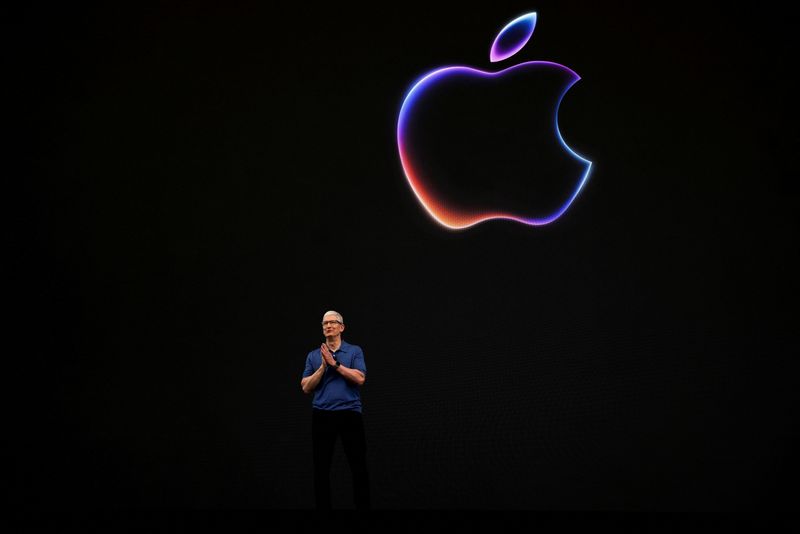
Growth Potential and Risks of Mega-Cap Stocks ETF
- Strong Market Performance: The S&P 500 has achieved nearly 80% total returns over the past three years, while the Vanguard Mega Cap Growth ETF has significantly outperformed this benchmark since its launch in 2007, with a hypothetical investment of $10,000 now worth approximately $106,000, indicating robust growth potential.
- Tech Stock Dominance: The ETF's top three holdings—Nvidia, Apple, and Microsoft—account for over one-third of the portfolio, highlighting its heavy reliance on the tech sector and reflecting the dominance of technology stocks in the market.
- Concentration Risk: Despite the ETF's above-average returns in recent years, its narrow focus on mega-cap growth stocks poses significant risks during market volatility, as evidenced by a 35% decline during the 2022 bear market, compared to a 24% drop for the S&P 500.
- Future Outlook: With high-profile companies like SpaceX and OpenAI set to enter the market soon, the mega-cap space could expand further, and if large companies continue to outperform, this ETF may sustain strong growth in the coming years.
See More

SpaceX IPO Could Define Market Sentiment on Musk's Leadership

- Valuation Target Raises Eyebrows: SpaceX's staggering $1.75 trillion valuation target, with a price-to-earnings ratio nearing 100 times, significantly exceeds Nvidia's 20-25 times and Apple's 10 times, indicating high market expectations for future growth while raising sustainability concerns.
- Voting Rights Issue Affects Investor Confidence: Musk's insistence on retaining 80-85% of voting rights may deter some investors, particularly given the lack of a stable profit history, reflecting a test of trust in a founder-driven model amidst governance concerns.
- Market Optimism Prevails: Analysts predict SpaceX shares could reach $165 within 12 months post-IPO, representing a 22% upside based on expectations of capturing 75% of the future space market, showcasing investor confidence in long-term growth opportunities.
- Long-Term Risks Require Caution: While the market remains optimistic about SpaceX's future, scholars caution that the company's valuation is closely tied to Musk's leadership, with the next 20 years being critical, as any uncertainties could significantly impact market performance.
See More

Intensifying Rivalry Between OpenAI and Anthropic
- Escalating Competition: The rivalry between OpenAI and Anthropic has accelerated the launch of their respective AI products, with OpenAI's release of ChatGPT in November 2022 sparking a global technological revolution that is expected to profoundly impact the way people interact and the global economy.
- IPO Race: Both companies are racing to go public, with OpenAI targeting an IPO as early as September 2023 at a valuation of around $1 trillion, while Anthropic announced a confidential filing on June 1, highlighting the urgency and competitiveness in the capital markets.
- Financial Reporting Discrepancies: OpenAI has accused Anthropic of inflating its revenue through its accounting methods, claiming that the total revenue reported includes amounts paid to partners, whereas OpenAI reports only net revenue, which could influence investor perceptions of both companies.
- Executive Conflicts: Tensions have arisen within OpenAI due to the urgency of the IPO timeline, with CEO Altman and CFO Friar clashing over the feasibility of meeting public listing obligations, reflecting the pressures and challenges faced by the company in a rapidly evolving market environment.
See More
S&P 500 June Decline Driven by Megacap Stocks

- Megacap Value Loss: According to Yahoo Finance analysis, the 'Magnificent Seven'—Microsoft, Amazon, Apple, Alphabet, Nvidia, Tesla, and Meta—have collectively erased approximately $2 trillion in market value in June, accounting for over two-thirds of the S&P 500's total market-cap loss, highlighting the concentrated risk in the market.
- Divergent Stock Performance: While the S&P 500 index overall declined, the median gain for other stocks was 0.3%, contrasting sharply with the Magnificent Seven's median loss of 9.7%, indicating that the market's weakness is primarily concentrated in a few large-cap stocks, reflecting structural vulnerabilities.
- Market Structure Pressure: In June, the 15 largest market-cap losers in the S&P 500 fell by 9.2%, while the rest of the index only dropped 0.2%, further emphasizing the leadership issue in the market; if chip stocks continue to falter, it could pose greater risks to the overall market.
- Investor Sentiment Impact: As the market's reliance on large tech stocks deepens, investor sentiment is affected; if these giants continue to underperform, it may lead to broader market unease, impacting investor confidence and future market trends.
See More
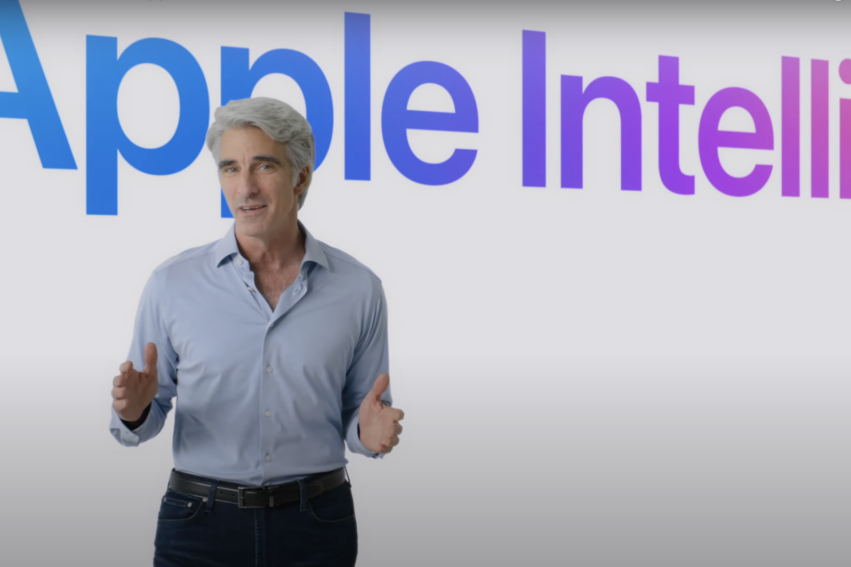
Apple's Siri Update Set to Drive Sales Growth
- Upgrade Incentives: Apple's new Siri AI features are exclusive to iPhone 15 Pro and newer models, likely prompting a significant number of users to upgrade their devices, which could lead to tens of billions in sales growth over the coming years, especially considering Apple generated over $209 billion in iPhone sales in fiscal 2025.
- Surge in Services Revenue: While most AI tools are offered for free, Apple will impose usage limits on advanced features, requiring users to subscribe to iCloud+ for expanded access, which could add $15 billion to $20 billion annually to Apple's services revenue, further solidifying its $31 billion quarterly services revenue base.
- Market Reaction Volatility: Despite generating investor interest during the launch, Apple's stock rose on the announcement day but fell the next day, indicating mixed market reactions; however, in the long run, the introduction of Siri AI may attract more users to purchase new devices, creating sustained sales growth.
- Ongoing Strategic Positioning: Apple is adopting a cautious approach in the AI space, with expectations to expand iCloud+ AI services in the coming years; leveraging its hardware dominance and high profit margins, Apple is well-positioned to maintain a competitive edge in the rapidly evolving AI market, attracting more users and investor interest.
See More
Vanguard Mega Cap Growth ETF Outperforms S&P 500
- Strong Returns: Since its launch in 2007, the Vanguard Mega Cap Growth ETF has significantly outperformed the S&P 500, with a hypothetical $10,000 investment now worth approximately $106,000 compared to $73,000 for the S&P 500, highlighting its exceptional investment return potential.
- Tech Dominance: The ETF's top three holdings—Nvidia, Apple, and Microsoft—account for over one-third of the portfolio, indicating a heavy concentration in the tech sector, which may benefit from ongoing advancements in AI technology.
- Market Risks: Despite its strong past performance, the ETF's focus on mega-cap growth stocks poses higher risks; during the 2022 bear market, it fell about 35%, significantly more than the S&P 500's 24% decline, necessitating careful risk assessment by investors.
- Future Outlook: With high-profile companies like SpaceX and OpenAI set to enter the market, the mega-cap space could expand further, positioning the Vanguard Mega Cap Growth ETF to potentially continue outperforming the market in the coming years, appealing to growth-seeking investors.
See More
Growth Potential and Risks of Mega-Cap Stocks ETF
- Strong Market Performance: The S&P 500 has achieved nearly 80% total returns over the past three years, while the Vanguard Mega Cap Growth ETF has significantly outperformed this benchmark since its launch in 2007, with a hypothetical investment of $10,000 now worth approximately $106,000, indicating robust growth potential.
- Tech Stock Dominance: The ETF's top three holdings—Nvidia, Apple, and Microsoft—account for over one-third of the portfolio, highlighting its heavy reliance on the tech sector and reflecting the dominance of technology stocks in the market.
- Concentration Risk: Despite the ETF's above-average returns in recent years, its narrow focus on mega-cap growth stocks poses significant risks during market volatility, as evidenced by a 35% decline during the 2022 bear market, compared to a 24% drop for the S&P 500.
- Future Outlook: With high-profile companies like SpaceX and OpenAI set to enter the market soon, the mega-cap space could expand further, and if large companies continue to outperform, this ETF may sustain strong growth in the coming years.
See More
SpaceX IPO Could Define Market Sentiment on Musk's Leadership
- Valuation Target Raises Eyebrows: SpaceX's staggering $1.75 trillion valuation target, with a price-to-earnings ratio nearing 100 times, significantly exceeds Nvidia's 20-25 times and Apple's 10 times, indicating high market expectations for future growth while raising sustainability concerns.
- Voting Rights Issue Affects Investor Confidence: Musk's insistence on retaining 80-85% of voting rights may deter some investors, particularly given the lack of a stable profit history, reflecting a test of trust in a founder-driven model amidst governance concerns.
- Market Optimism Prevails: Analysts predict SpaceX shares could reach $165 within 12 months post-IPO, representing a 22% upside based on expectations of capturing 75% of the future space market, showcasing investor confidence in long-term growth opportunities.
- Long-Term Risks Require Caution: While the market remains optimistic about SpaceX's future, scholars caution that the company's valuation is closely tied to Musk's leadership, with the next 20 years being critical, as any uncertainties could significantly impact market performance.
See More
Intensifying Rivalry Between OpenAI and Anthropic
- Escalating Competition: The rivalry between OpenAI and Anthropic has accelerated the launch of their respective AI products, with OpenAI's release of ChatGPT in November 2022 sparking a global technological revolution that is expected to profoundly impact the way people interact and the global economy.
- IPO Race: Both companies are racing to go public, with OpenAI targeting an IPO as early as September 2023 at a valuation of around $1 trillion, while Anthropic announced a confidential filing on June 1, highlighting the urgency and competitiveness in the capital markets.
- Financial Reporting Discrepancies: OpenAI has accused Anthropic of inflating its revenue through its accounting methods, claiming that the total revenue reported includes amounts paid to partners, whereas OpenAI reports only net revenue, which could influence investor perceptions of both companies.
- Executive Conflicts: Tensions have arisen within OpenAI due to the urgency of the IPO timeline, with CEO Altman and CFO Friar clashing over the feasibility of meeting public listing obligations, reflecting the pressures and challenges faced by the company in a rapidly evolving market environment.
See More
S&P 500 June Decline Driven by Megacap Stocks
- Megacap Value Loss: According to Yahoo Finance analysis, the 'Magnificent Seven'—Microsoft, Amazon, Apple, Alphabet, Nvidia, Tesla, and Meta—have collectively erased approximately $2 trillion in market value in June, accounting for over two-thirds of the S&P 500's total market-cap loss, highlighting the concentrated risk in the market.
- Divergent Stock Performance: While the S&P 500 index overall declined, the median gain for other stocks was 0.3%, contrasting sharply with the Magnificent Seven's median loss of 9.7%, indicating that the market's weakness is primarily concentrated in a few large-cap stocks, reflecting structural vulnerabilities.
- Market Structure Pressure: In June, the 15 largest market-cap losers in the S&P 500 fell by 9.2%, while the rest of the index only dropped 0.2%, further emphasizing the leadership issue in the market; if chip stocks continue to falter, it could pose greater risks to the overall market.
- Investor Sentiment Impact: As the market's reliance on large tech stocks deepens, investor sentiment is affected; if these giants continue to underperform, it may lead to broader market unease, impacting investor confidence and future market trends.
See More
Apple's Siri Update Set to Drive Sales Growth
- Upgrade Incentives: Apple's new Siri AI features are exclusive to iPhone 15 Pro and newer models, likely prompting a significant number of users to upgrade their devices, which could lead to tens of billions in sales growth over the coming years, especially considering Apple generated over $209 billion in iPhone sales in fiscal 2025.
- Surge in Services Revenue: While most AI tools are offered for free, Apple will impose usage limits on advanced features, requiring users to subscribe to iCloud+ for expanded access, which could add $15 billion to $20 billion annually to Apple's services revenue, further solidifying its $31 billion quarterly services revenue base.
- Market Reaction Volatility: Despite generating investor interest during the launch, Apple's stock rose on the announcement day but fell the next day, indicating mixed market reactions; however, in the long run, the introduction of Siri AI may attract more users to purchase new devices, creating sustained sales growth.
- Ongoing Strategic Positioning: Apple is adopting a cautious approach in the AI space, with expectations to expand iCloud+ AI services in the coming years; leveraging its hardware dominance and high profit margins, Apple is well-positioned to maintain a competitive edge in the rapidly evolving AI market, attracting more users and investor interest.
See More





