Apple Stock Rises 3% Driven by Strong Earnings


Stock futures this morning are mostly positive. First quarter results are coming in strong and big tech continues to carry the tape. The S&P 500 and Nasdaq are coming off their best monthly gains since 2020 and are sitting at or near all-time highs. Apple's latest beat and bullish outlook are reinforcing that narrative, while AI spending continues to anchor investor enthusiasm. Oil is elevated due to ongoing Middle East conflict, Treasury yields are creeping back toward the mid-4% range, and the Fed is leaning more hawkish as inflation risks persist.In pre-market trading, S&P 500 futures rose 0.23%, Nasdaq futures fell 0.08% and Dow futures rose 0.30%.Check out this morning's top movers from around Wall Street, compiled by The Fly.UP AFTER EARNINGS -Appleup 3%Five9up 19%Redditup 13%Estee Lauderup 11%Modernaup 6%Church & Dwightup 3%Aon plcup 2%Colgate-Palmoliveup 2%Exxon Mobildown 1%Terexup 1%Learup 1%Cinemarkup 1%DOWN AFTER EARNINGS -Robloxdown 23%Western Digitaldown 8%Cloroxdown 6%SanDiskdown 4%AutoNationdown 2%DexComdown 1%
Trade with 70% Backtested Accuracy
Analyst Views on XOM

About XOM
About the author


Guyana's Oil Boom and Its Challenges

- Accelerated Economic Growth: Amid the backdrop of the Iran war driving up oil prices, Guyana is set to reap even greater benefits from its estimated 11 billion barrels of oil reserves, with GDP projected to quadruple from 2019 to 2024, reaching $27.5 billion, highlighting the country's rising significance in the global energy market.
- Surge in Oil Revenue: With crude prices up 30% since February, Guyana's oil revenue is expected to reach approximately $4.3 billion, a 67% increase from last year, providing the government with more funds for economic diversification and infrastructure development.
- Policy Response to Challenges: Despite the booming oil sector, the government must remain vigilant against economic cycles, learning from neighboring Venezuela's pitfalls, and ensure steady utilization of oil revenues through the sovereign wealth fund established in 2019 to avoid over-reliance on a single resource.
- Expansion of Local Content Law: The government plans to expand the local content law passed in 2021, requiring oil companies to engage with Guyanese suppliers, thereby enhancing local employment and skill development, although challenges remain with foreign companies retaining control over local businesses.

Global Oil Inventories Dwindling Fast, Prices May Spike

- Inventory Decline Warning: Global oil inventories are depleting at a record rate of 8.7 million barrels per day, leading to unprecedented supply disruptions, with prices potentially spiking to $150 to $160 per barrel if the Strait of Hormuz does not reopen soon, which could trigger a global economic slowdown.
- Supply Chain Pressure Intensifies: The closure of the Strait of Hormuz has caused oil production in the Gulf to plummet by over 50%, forcing the global economy to tap into national strategic petroleum reserves, with current U.S. commercial crude inventories at 441.7 million barrels, about 2% below the five-year average.
- Market Reaction Expectations: Executives from ExxonMobil and Chevron have warned that as inventories continue to drain, oil prices are likely to face increased upward pressure in the coming weeks, potentially leading to demand destruction that could impact global economic growth.
- Potential Agreement Impact: Although the U.S. and Iran are reportedly close to a deal that could fully reopen the Strait of Hormuz within 30 days, investors need to remain vigilant regarding oil market dynamics to avoid the risk of rising oil prices triggering a recession and stock market downturn.
Oil Prices Cool but Risks Intensify Amid Supply Concerns
- Price Decline: Brent crude oil prices have recently fallen to around $90 per barrel from over $110 in mid-May, reflecting market optimism about a potential U.S.-Iran peace deal, although this respite may not last long.
- Inventory Depletion: The closure of the Strait of Hormuz has led to a more than 50% drop in oil production in the Persian Gulf, forcing the global economy to draw down oil reserves at a record rate of 8.7 million barrels per day, with the U.S. Strategic Petroleum Reserve now at 365.1 million barrels, significantly below its 714 million barrel capacity.
- Inventory Crisis: ExxonMobil executives warn that global oil inventories are nearing critical levels, with predictions that once stocks hit historical lows, Brent prices could soar to between $150 and $160 per barrel, surpassing previous all-time highs.
- Rising Market Risks: If the Strait of Hormuz does not reopen soon, skyrocketing oil prices could lead to demand destruction, potentially slowing down the global economy, prompting investors to closely monitor oil market developments to mitigate risks of recession and stock market downturns.
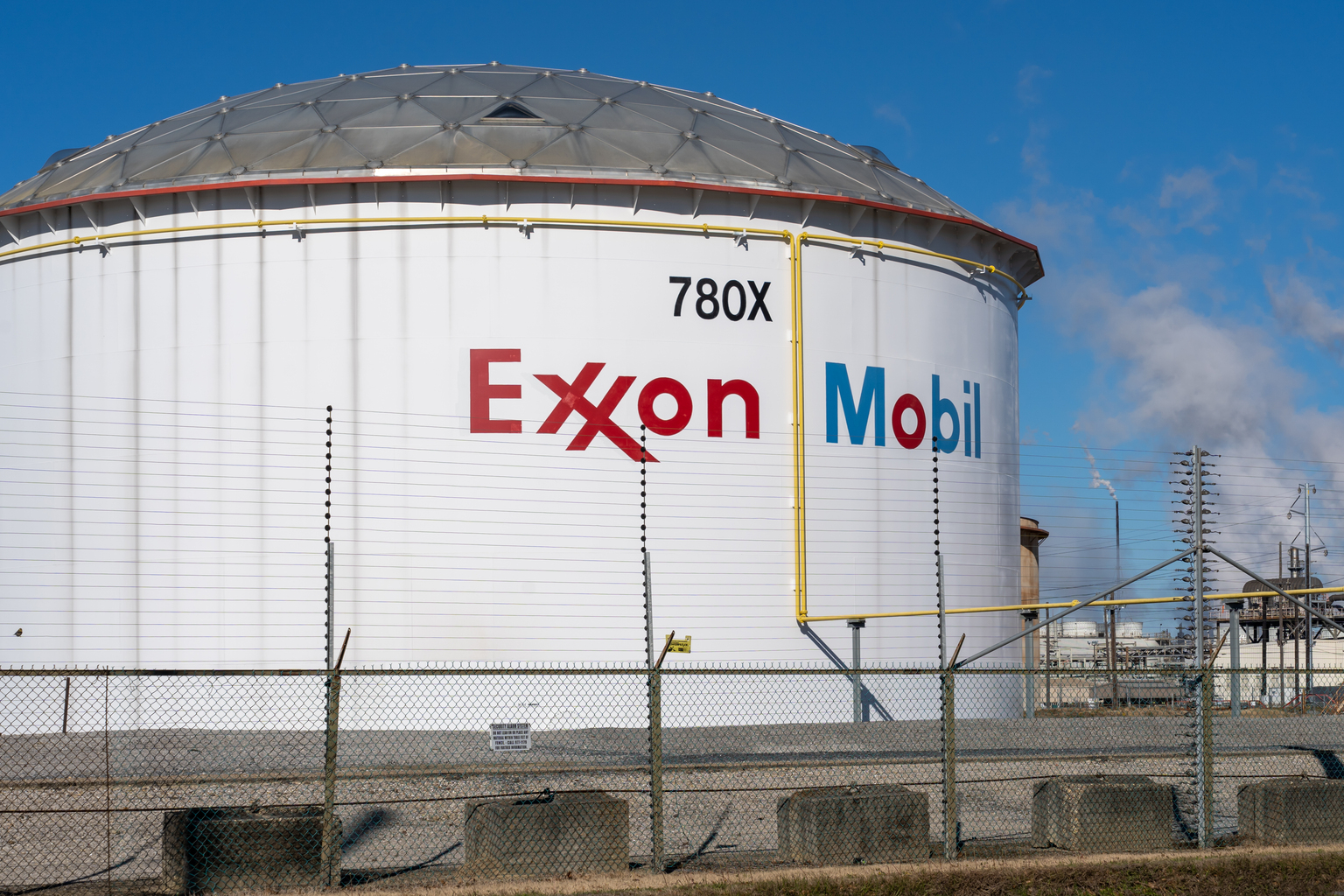
Exxon Mobil Faces Seventh Consecutive Loss Amid Market Pressures
- Stock Price Decline: Exxon Mobil (XOM) closed down 1.16% at $145.26 on Friday, marking its seventh consecutive day of losses, reflecting market concerns about its future performance.
- Acquisition Impact: Following reports that Occidental Petroleum (OXY) would acquire a 10% stake in its deepwater exploration block offshore Trinidad and Tobago, Exxon’s shares fell 3.30% on May 26, intensifying market pressure on its stock.
- Oil Price Warning: Exxon and Chevron (CVX) warned that oil prices may rise in the next two months due to escalating tensions between the U.S. and Iran, indicating a heightened sensitivity of the market to declining inventories that could impact profitability.
- Analyst Ratings: While Seeking Alpha rates Exxon Mobil as a Strong Buy with a score of 4.94, analysts express valuation concerns, suggesting that despite operational scale, long-term climate risks and a lack of renewable alternatives may limit future growth potential.

Investment Value of Stable Dividend Stocks

- ExxonMobil's Dividend History: ExxonMobil has increased its dividend for 43 consecutive years, paying out $17 billion to shareholders last year and returning an additional $20 billion through share repurchases, showcasing its strong capital management and stable cash flow.
- NextEra Energy's Acquisition Plans: NextEra Energy plans to acquire Dominion Energy in an all-stock transaction, which, if successful, will create the world's largest regulated electric utility company, with an expected completion in 12 to 18 months, further solidifying its market position.
- Air Products and Chemicals' Stability: Air Products has paid dividends every year since 1954 and has raised its payout for 44 consecutive years, ensuring predictable earnings and stable returns for investors due to long-term contracts and high barriers to entry.
- Market Environment Impact: Disruptions in the Middle East have caused helium prices to rebound, and combined with high oil prices and supply constraints, chemical prices have risen, leading to strong performance in Air Products' North American refining and chemicals segments, enhancing its appeal as a reliable income stock.

Three Quality Dividend Stocks with Growth
- ExxonMobil's Consistent Returns: ExxonMobil (XOM) has raised its dividend for 43 consecutive years, paying out $17 billion in dividends last year and returning another $20 billion through share buybacks, showcasing its strong capital return capability, with advantaged assets projected to comprise 65% of upstream production by 2030.
- NextEra Energy's Acquisition Plans: NextEra Energy (NEE) has increased its dividend for 32 years and recently announced an all-stock acquisition of Dominion Energy, which, if successful, will create the world's largest regulated electric utility, with projected earnings per share reaching between $3.92 and $4.02 and a dividend growth of about 10%.
- Air Products' Stability: Air Products (APD) has paid dividends every year since 1954 and has raised its payout for 44 consecutive years, ensuring future earnings visibility through 15- to 20-year contracts while pivoting towards clean energy with significant investments in green hydrogen production.
- Investment Opportunities Amid Market Volatility: Despite disruptions in the Middle East affecting helium prices, Air Products continues to provide reliable returns for investors due to its pricing power and robust profitability, making it a noteworthy income stock to consider.
Guyana's Oil Boom and Its Challenges
- Accelerated Economic Growth: Amid the backdrop of the Iran war driving up oil prices, Guyana is set to reap even greater benefits from its estimated 11 billion barrels of oil reserves, with GDP projected to quadruple from 2019 to 2024, reaching $27.5 billion, highlighting the country's rising significance in the global energy market.
- Surge in Oil Revenue: With crude prices up 30% since February, Guyana's oil revenue is expected to reach approximately $4.3 billion, a 67% increase from last year, providing the government with more funds for economic diversification and infrastructure development.
- Policy Response to Challenges: Despite the booming oil sector, the government must remain vigilant against economic cycles, learning from neighboring Venezuela's pitfalls, and ensure steady utilization of oil revenues through the sovereign wealth fund established in 2019 to avoid over-reliance on a single resource.
- Expansion of Local Content Law: The government plans to expand the local content law passed in 2021, requiring oil companies to engage with Guyanese suppliers, thereby enhancing local employment and skill development, although challenges remain with foreign companies retaining control over local businesses.
Global Oil Inventories Dwindling Fast, Prices May Spike
- Inventory Decline Warning: Global oil inventories are depleting at a record rate of 8.7 million barrels per day, leading to unprecedented supply disruptions, with prices potentially spiking to $150 to $160 per barrel if the Strait of Hormuz does not reopen soon, which could trigger a global economic slowdown.
- Supply Chain Pressure Intensifies: The closure of the Strait of Hormuz has caused oil production in the Gulf to plummet by over 50%, forcing the global economy to tap into national strategic petroleum reserves, with current U.S. commercial crude inventories at 441.7 million barrels, about 2% below the five-year average.
- Market Reaction Expectations: Executives from ExxonMobil and Chevron have warned that as inventories continue to drain, oil prices are likely to face increased upward pressure in the coming weeks, potentially leading to demand destruction that could impact global economic growth.
- Potential Agreement Impact: Although the U.S. and Iran are reportedly close to a deal that could fully reopen the Strait of Hormuz within 30 days, investors need to remain vigilant regarding oil market dynamics to avoid the risk of rising oil prices triggering a recession and stock market downturn.
Oil Prices Cool but Risks Intensify Amid Supply Concerns
- Price Decline: Brent crude oil prices have recently fallen to around $90 per barrel from over $110 in mid-May, reflecting market optimism about a potential U.S.-Iran peace deal, although this respite may not last long.
- Inventory Depletion: The closure of the Strait of Hormuz has led to a more than 50% drop in oil production in the Persian Gulf, forcing the global economy to draw down oil reserves at a record rate of 8.7 million barrels per day, with the U.S. Strategic Petroleum Reserve now at 365.1 million barrels, significantly below its 714 million barrel capacity.
- Inventory Crisis: ExxonMobil executives warn that global oil inventories are nearing critical levels, with predictions that once stocks hit historical lows, Brent prices could soar to between $150 and $160 per barrel, surpassing previous all-time highs.
- Rising Market Risks: If the Strait of Hormuz does not reopen soon, skyrocketing oil prices could lead to demand destruction, potentially slowing down the global economy, prompting investors to closely monitor oil market developments to mitigate risks of recession and stock market downturns.
Exxon Mobil Faces Seventh Consecutive Loss Amid Market Pressures
- Stock Price Decline: Exxon Mobil (XOM) closed down 1.16% at $145.26 on Friday, marking its seventh consecutive day of losses, reflecting market concerns about its future performance.
- Acquisition Impact: Following reports that Occidental Petroleum (OXY) would acquire a 10% stake in its deepwater exploration block offshore Trinidad and Tobago, Exxon’s shares fell 3.30% on May 26, intensifying market pressure on its stock.
- Oil Price Warning: Exxon and Chevron (CVX) warned that oil prices may rise in the next two months due to escalating tensions between the U.S. and Iran, indicating a heightened sensitivity of the market to declining inventories that could impact profitability.
- Analyst Ratings: While Seeking Alpha rates Exxon Mobil as a Strong Buy with a score of 4.94, analysts express valuation concerns, suggesting that despite operational scale, long-term climate risks and a lack of renewable alternatives may limit future growth potential.
Investment Value of Stable Dividend Stocks
- ExxonMobil's Dividend History: ExxonMobil has increased its dividend for 43 consecutive years, paying out $17 billion to shareholders last year and returning an additional $20 billion through share repurchases, showcasing its strong capital management and stable cash flow.
- NextEra Energy's Acquisition Plans: NextEra Energy plans to acquire Dominion Energy in an all-stock transaction, which, if successful, will create the world's largest regulated electric utility company, with an expected completion in 12 to 18 months, further solidifying its market position.
- Air Products and Chemicals' Stability: Air Products has paid dividends every year since 1954 and has raised its payout for 44 consecutive years, ensuring predictable earnings and stable returns for investors due to long-term contracts and high barriers to entry.
- Market Environment Impact: Disruptions in the Middle East have caused helium prices to rebound, and combined with high oil prices and supply constraints, chemical prices have risen, leading to strong performance in Air Products' North American refining and chemicals segments, enhancing its appeal as a reliable income stock.
Three Quality Dividend Stocks with Growth
- ExxonMobil's Consistent Returns: ExxonMobil (XOM) has raised its dividend for 43 consecutive years, paying out $17 billion in dividends last year and returning another $20 billion through share buybacks, showcasing its strong capital return capability, with advantaged assets projected to comprise 65% of upstream production by 2030.
- NextEra Energy's Acquisition Plans: NextEra Energy (NEE) has increased its dividend for 32 years and recently announced an all-stock acquisition of Dominion Energy, which, if successful, will create the world's largest regulated electric utility, with projected earnings per share reaching between $3.92 and $4.02 and a dividend growth of about 10%.
- Air Products' Stability: Air Products (APD) has paid dividends every year since 1954 and has raised its payout for 44 consecutive years, ensuring future earnings visibility through 15- to 20-year contracts while pivoting towards clean energy with significant investments in green hydrogen production.
- Investment Opportunities Amid Market Volatility: Despite disruptions in the Middle East affecting helium prices, Air Products continues to provide reliable returns for investors due to its pricing power and robust profitability, making it a noteworthy income stock to consider.