Apple Faces Engineering Challenges with Foldable iPhones
Written by Emily J. Thompson, Senior Investment Analyst
Updated: Apr 07 2026
0mins

Source: CNBC
- Stock Decline: Apple's shares fell 4% on Tuesday, primarily due to the company facing engineering challenges with its highly anticipated foldable phones, indicating market concerns over new product launches.
- Slow Engineering Progress: Sources indicate that Apple and its supply chain are working under a pressured timeline, and current solutions are insufficient to fully resolve engineering issues, suggesting potential delays in product release.
- Critical Timeframe: According to Nikkei, the period from April to early May is seen as crucial for Apple to address engineering problems; failure to do so could impact the production schedule for the iPhone 18.
- Competitive Pressure: Since Samsung launched its first foldable phone in 2019, it has gained a competitive edge in the market, and Apple's delays may put it at a disadvantage, affecting its market share in the smartphone sector.
Trade with 70% Backtested Accuracy
Stop guessing "Should I Buy AAPL?" and start using high-conviction signals backed by rigorous historical data.
Sign up today to access powerful investing tools and make smarter, data-driven decisions.
Analyst Views on AAPL
Wall Street analysts forecast AAPL stock price to fall
27 Analyst Rating
17 Buy
9 Hold
1 Sell
Moderate Buy
Current: 312.060

Low
239.00
Averages
306.89
High
350.00
Current: 312.060
Low
239.00
Averages
306.89
High
350.00
About AAPL
Apple Inc. designs, manufactures and markets smartphones, personal computers, tablets, wearables and accessories, and sells a variety of related services. Its product categories include iPhone, Mac, iPad, Wearables, Home and Accessories. Its services include advertising, AppleCare, cloud services, digital content, and payment services. The Company operates various platforms, including the App Store, that allow customers to discover and download applications and digital content, such as books, music, video, games and podcasts. It also offers digital content through subscription-based services, including Apple Arcade, Apple Fitness+, Apple Music, Apple News+, and Apple TV+. Its wearables include smartwatches, wireless headphones, and spatial computers. Its products include iPhone 16 Pro, iPhone 16, iPhone 15, iPhone 14, iPhone SE, MacBook Air, MacBook Pro, iMac, Mac mini, Mac Studio, Mac Pro, iPad Pro, iPad Air, AirPods, AirPods Pro, AirPods Max, Apple TV, Apple Vision Pro and others.
About the author

Emily J. Thompson
Emily J. Thompson, a Chartered Financial Analyst (CFA) with 12 years in investment research, graduated with honors from the Wharton School. Specializing in industrial and technology stocks, she provides in-depth analysis for Intellectia’s earnings and market brief reports.

Oura's IPO Potential Surpasses SpaceX

- IPO Filing Announcement: Oura submitted a confidential IPO filing to the SEC on May 21, 2026, and while its market cap is only a fraction of SpaceX's, its potential for growth in the health tech sector is significant, highlighting its competitive strength.
- Sales Growth Expectations: CEO Tom Hale revealed that Oura is on track to generate around $1 billion in sales for 2025, doubling the previous year's total, with projections nearing $2 billion in 2026, indicating successful international market expansion strategies.
- Profitability Model Advantage: Oura's hardware-plus-subscription revenue model, with smart rings priced between $349 and $499 and subscription fees at $5.99 per month or $69.99 annually, provides a stronger profitability framework compared to capital-intensive competitors.
- Market Competition Challenges: Despite Oura's strong performance in health monitoring, it faces fierce competition from companies like Samsung and Apple, especially as Apple has filed patents for smart ring technology, which could threaten Oura's market share.
See More
Nvidia Launches New Platform, Market Reaction Muted

- Nvidia Platform Launch: Nvidia unveiled its Vera Rubin platform at Computex Taipei, with CEO Jensen Huang declaring that 'useful AI has arrived,' which is optimized for agentic AI workloads and could drive widespread adoption of future AI applications.
- Limited Market Reaction: Despite Nvidia's 5.1% stock increase, the S&P 500 and Nasdaq Composite only rose by 0.1% and 0.2%, respectively, indicating that the market's response to AI optimism is constrained by other factors.
- AI-Linked Stocks Surge: Nvidia's announcement of a partnership with IBM boosted its stock by 9.2%, while Micron Technology and ARM Holdings also saw increases of 6.7% and 17%, respectively, reflecting market confidence in the AI ecosystem.
- Geopolitical Impact: The escalation of military tensions between the U.S. and Iran led to a 7% spike in oil prices, negatively affecting market sentiment and causing declines in other major tech stocks like Apple and Amazon, highlighting the market's uncertainty.
See More

Dell's New XPS 13 Challenges Apple's Budget Laptop

- Product Competition Intensifies: Dell's redesigned XPS 13 launches at $699, with a student price of $599, directly competing against Apple's MacBook Neo, which starts at $599 and drops to $499 for education buyers, indicating Dell's strong intent to reclaim market share in the budget laptop segment.
- Hardware Configuration Edge: The base XPS 13 features 512GB of storage, weighs only 2.2 pounds, and measures 12.7 millimeters thick with an aluminum shell, making it lighter than Apple's 2.7-pound MacBook Neo, while also offering a high-resolution touch display and backlit keyboard to enhance user experience.
- Battery Life and Performance Boost: The XPS 13 boasts up to 17 hours of battery life, surpassing Apple's 16 hours, and supports refresh rates up to 120Hz, with configurations available for up to 32GB of memory, showcasing Dell's competitive edge in performance and endurance.
- Market Response and Strategic Implications: Apple's CEO noted that demand for the MacBook Neo exceeded expectations, suggesting a reset in consumer expectations for budget laptops, prompting Dell and other Windows PC manufacturers like Acer to respond swiftly, indicating that competition in the budget-premium laptop market will intensify.
See More
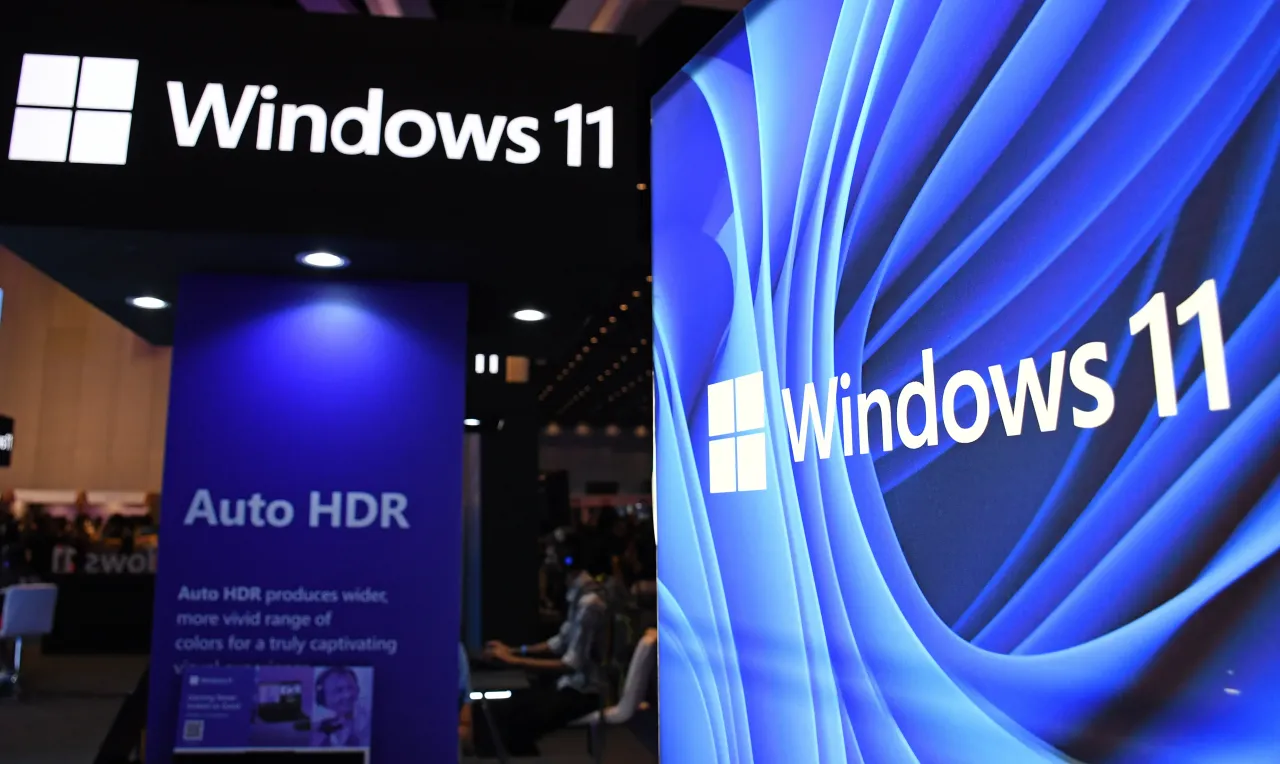
Microsoft Partners with Nvidia to Integrate AI into Windows

- AI Integration Progress: Microsoft is collaborating with Nvidia to develop a new superchip that will enhance AI applications in Windows, with detailed optimization strategies expected to be revealed at the Build 2026 conference, thereby improving user experience and developer efficiency.
- New Product Launch: Microsoft unveiled the Surface Laptop Ultra featuring Nvidia's Blackwell RTX GPU and up to 128GB of unified memory, aimed at supporting AI and 3D rendering workloads, marking a significant transformation in personal computing.
- Local AI Models: Microsoft plans to announce details on integrating local AI models at its developer conference, enabling developers to run AI models directly on devices, reducing reliance on cloud services and enhancing computational efficiency and responsiveness.
- Positive Market Reaction: Microsoft's stock rose nearly 3% in Monday's trading, reflecting investor optimism about the company's AI strategy, despite a 4% year-to-date decline, contrasting with Nvidia's 19% increase.
See More
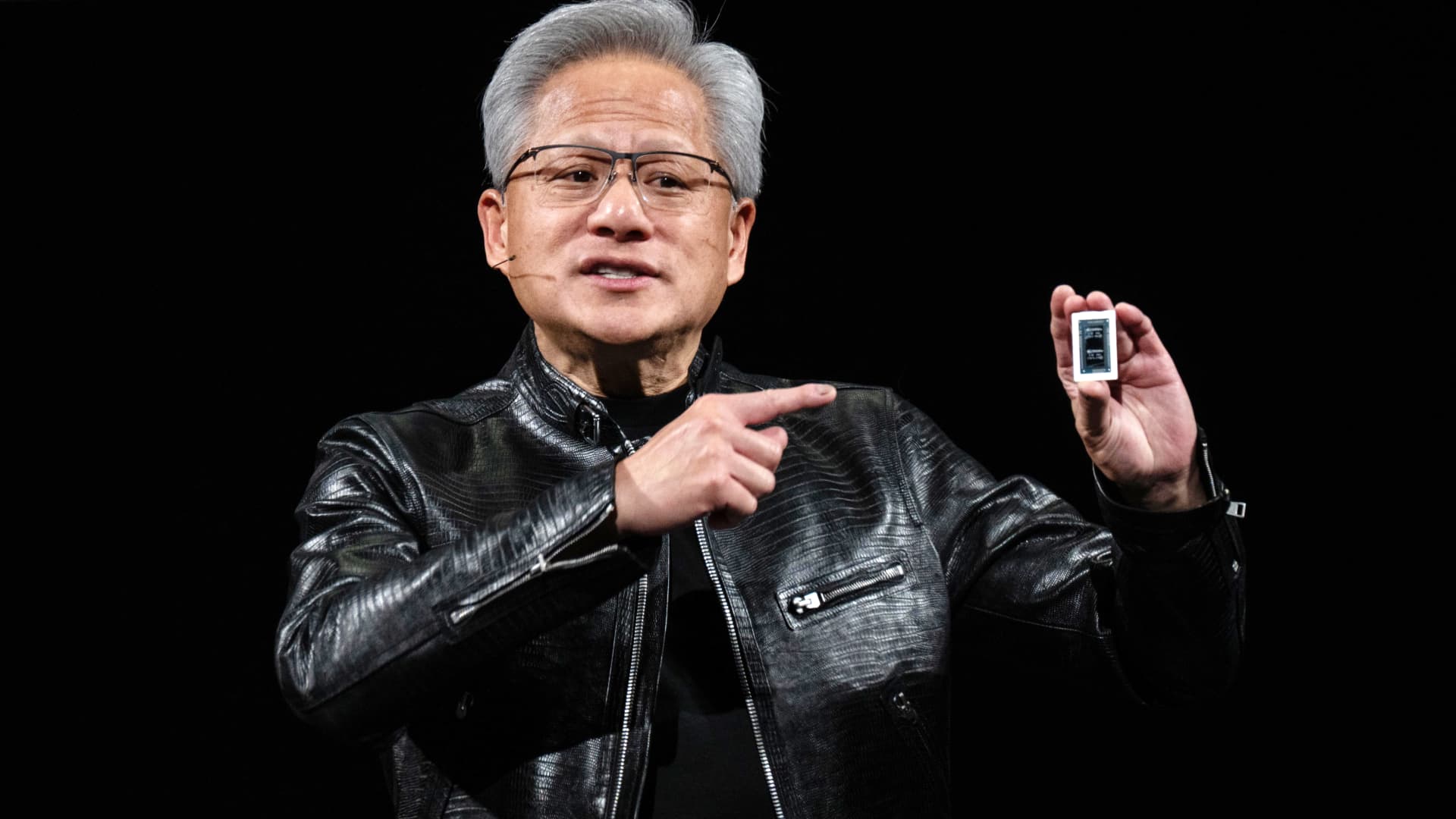
Nvidia Unveils New Personal Computer Product Line at Computex

- Increased Market Competition: Nvidia's introduction of a new personal computer product line at the Computex conference signifies its first direct competition with Intel and AMD, potentially allowing Nvidia to capture a larger share of the $274 billion PC market.
- Integrated Chip Innovation: The new RTX Spark system-on-chip integrates the CPU, GPU, and NPU onto a single silicon piece, enabling Nvidia to fully control the performance and AI capabilities of its PCs, thereby enhancing product competitiveness.
- Edge Computing Era: Nvidia's new PCs can run all Windows applications and its software locally, reducing cloud computing costs while improving efficiency and security, aligning with the current trend towards edge computing.
- Valuation Appeal: While Nvidia's data center opportunities are significant, its entry into the PC market may lead to a convergence in price-to-earnings ratios with Intel (91x) and AMD (52x), indicating that Nvidia's stock remains undervalued compared to its peers.
See More

Anthropic Confidentially Files for IPO, Setting Stage for AI Investment Surge
- IPO Filing: Anthropic has confidentially filed its IPO prospectus with the SEC, potentially offering investors a historic opportunity to enter the AI sector, particularly if market conditions are favorable.
- Revenue Surge: The company's revenue run rate has skyrocketed to $47 billion this year, up from $10 billion in annual revenue last year, indicating strong growth potential in the AI market.
- Infrastructure Agreement: Anthropic has struck a deal with SpaceX to utilize computing resources at its Colossus 1 data center in Memphis, Tennessee, with expected payments of $1.25 billion per month through May 2029, enhancing its technical capabilities.
- Market Competitive Edge: Despite a clash with the Department of Defense that led to its models being blacklisted, Anthropic's growth in the private sector has accelerated, particularly as its Claude model reached the top of Apple's free app chart, showcasing its product appeal.
See More
Oura's IPO Potential Surpasses SpaceX
- IPO Filing Announcement: Oura submitted a confidential IPO filing to the SEC on May 21, 2026, and while its market cap is only a fraction of SpaceX's, its potential for growth in the health tech sector is significant, highlighting its competitive strength.
- Sales Growth Expectations: CEO Tom Hale revealed that Oura is on track to generate around $1 billion in sales for 2025, doubling the previous year's total, with projections nearing $2 billion in 2026, indicating successful international market expansion strategies.
- Profitability Model Advantage: Oura's hardware-plus-subscription revenue model, with smart rings priced between $349 and $499 and subscription fees at $5.99 per month or $69.99 annually, provides a stronger profitability framework compared to capital-intensive competitors.
- Market Competition Challenges: Despite Oura's strong performance in health monitoring, it faces fierce competition from companies like Samsung and Apple, especially as Apple has filed patents for smart ring technology, which could threaten Oura's market share.
See More
Nvidia Launches New Platform, Market Reaction Muted
- Nvidia Platform Launch: Nvidia unveiled its Vera Rubin platform at Computex Taipei, with CEO Jensen Huang declaring that 'useful AI has arrived,' which is optimized for agentic AI workloads and could drive widespread adoption of future AI applications.
- Limited Market Reaction: Despite Nvidia's 5.1% stock increase, the S&P 500 and Nasdaq Composite only rose by 0.1% and 0.2%, respectively, indicating that the market's response to AI optimism is constrained by other factors.
- AI-Linked Stocks Surge: Nvidia's announcement of a partnership with IBM boosted its stock by 9.2%, while Micron Technology and ARM Holdings also saw increases of 6.7% and 17%, respectively, reflecting market confidence in the AI ecosystem.
- Geopolitical Impact: The escalation of military tensions between the U.S. and Iran led to a 7% spike in oil prices, negatively affecting market sentiment and causing declines in other major tech stocks like Apple and Amazon, highlighting the market's uncertainty.
See More
Dell's New XPS 13 Challenges Apple's Budget Laptop
- Product Competition Intensifies: Dell's redesigned XPS 13 launches at $699, with a student price of $599, directly competing against Apple's MacBook Neo, which starts at $599 and drops to $499 for education buyers, indicating Dell's strong intent to reclaim market share in the budget laptop segment.
- Hardware Configuration Edge: The base XPS 13 features 512GB of storage, weighs only 2.2 pounds, and measures 12.7 millimeters thick with an aluminum shell, making it lighter than Apple's 2.7-pound MacBook Neo, while also offering a high-resolution touch display and backlit keyboard to enhance user experience.
- Battery Life and Performance Boost: The XPS 13 boasts up to 17 hours of battery life, surpassing Apple's 16 hours, and supports refresh rates up to 120Hz, with configurations available for up to 32GB of memory, showcasing Dell's competitive edge in performance and endurance.
- Market Response and Strategic Implications: Apple's CEO noted that demand for the MacBook Neo exceeded expectations, suggesting a reset in consumer expectations for budget laptops, prompting Dell and other Windows PC manufacturers like Acer to respond swiftly, indicating that competition in the budget-premium laptop market will intensify.
See More
Microsoft Partners with Nvidia to Integrate AI into Windows
- AI Integration Progress: Microsoft is collaborating with Nvidia to develop a new superchip that will enhance AI applications in Windows, with detailed optimization strategies expected to be revealed at the Build 2026 conference, thereby improving user experience and developer efficiency.
- New Product Launch: Microsoft unveiled the Surface Laptop Ultra featuring Nvidia's Blackwell RTX GPU and up to 128GB of unified memory, aimed at supporting AI and 3D rendering workloads, marking a significant transformation in personal computing.
- Local AI Models: Microsoft plans to announce details on integrating local AI models at its developer conference, enabling developers to run AI models directly on devices, reducing reliance on cloud services and enhancing computational efficiency and responsiveness.
- Positive Market Reaction: Microsoft's stock rose nearly 3% in Monday's trading, reflecting investor optimism about the company's AI strategy, despite a 4% year-to-date decline, contrasting with Nvidia's 19% increase.
See More
Nvidia Unveils New Personal Computer Product Line at Computex
- Increased Market Competition: Nvidia's introduction of a new personal computer product line at the Computex conference signifies its first direct competition with Intel and AMD, potentially allowing Nvidia to capture a larger share of the $274 billion PC market.
- Integrated Chip Innovation: The new RTX Spark system-on-chip integrates the CPU, GPU, and NPU onto a single silicon piece, enabling Nvidia to fully control the performance and AI capabilities of its PCs, thereby enhancing product competitiveness.
- Edge Computing Era: Nvidia's new PCs can run all Windows applications and its software locally, reducing cloud computing costs while improving efficiency and security, aligning with the current trend towards edge computing.
- Valuation Appeal: While Nvidia's data center opportunities are significant, its entry into the PC market may lead to a convergence in price-to-earnings ratios with Intel (91x) and AMD (52x), indicating that Nvidia's stock remains undervalued compared to its peers.
See More
Anthropic Confidentially Files for IPO, Setting Stage for AI Investment Surge
- IPO Filing: Anthropic has confidentially filed its IPO prospectus with the SEC, potentially offering investors a historic opportunity to enter the AI sector, particularly if market conditions are favorable.
- Revenue Surge: The company's revenue run rate has skyrocketed to $47 billion this year, up from $10 billion in annual revenue last year, indicating strong growth potential in the AI market.
- Infrastructure Agreement: Anthropic has struck a deal with SpaceX to utilize computing resources at its Colossus 1 data center in Memphis, Tennessee, with expected payments of $1.25 billion per month through May 2029, enhancing its technical capabilities.
- Market Competitive Edge: Despite a clash with the Department of Defense that led to its models being blacklisted, Anthropic's growth in the private sector has accelerated, particularly as its Claude model reached the top of Apple's free app chart, showcasing its product appeal.
See More