Analysts Downgrade Kroger Forecasts Following Q3 Results
Written by Emily J. Thompson, Senior Investment Analyst
Updated: Dec 05 2025
0mins
Should l Buy KR?
Source: Benzinga
Quarterly Results: Kroger reported mixed third-quarter results, with adjusted earnings per share of $1.05 exceeding expectations, but sales of $33.859 billion fell short of the anticipated $34.155 billion.
E-commerce Performance: CEO Ron Sargent highlighted strong eCommerce growth and indicated plans for profitability by 2026 following a strategic review.
Sales Guidance Update: CFO David Kennerley revised the company's identical sales guidance for the year to a range of 2.8% to 3.0%.
Analyst Ratings and Price Targets: Following the earnings announcement, several analysts adjusted their price targets for Kroger, with most maintaining their ratings but lowering targets between $70 and $80.
Trade with 70% Backtested Accuracy
Stop guessing "Should I Buy KR?" and start using high-conviction signals backed by rigorous historical data.
Sign up today to access powerful investing tools and make smarter, data-driven decisions.
Analyst Views on KR
Wall Street analysts forecast KR stock price to rise
15 Analyst Rating
9 Buy
6 Hold
0 Sell
Moderate Buy
Current: 68.320

Low
68.00
Averages
75.00
High
85.00
Current: 68.320
Low
68.00
Averages
75.00
High
85.00
About KR
The Kroger Co. is a food and drug retailer. The Company operates supermarkets, multi-department stores and fulfillment centers throughout the United States. It operates approximately 2,731 supermarkets, 2,273 pharmacies and 1,702 fuel centers in over 35 states and the District of Columbia while also operating online through a digital ecosystem to offer customers an omnichannel shopping experience. The Company also manufactures and processes food for sale in its supermarkets and online. It offers Pickup and Harris Teeter ExpressLane personalized, order online, pick-up at the store services at approximately 2,412 of its supermarkets and provides delivery, which allows it to offer digital solutions to substantially all of its customers. Its delivery solutions include orders delivered to customers at retail store locations, customer fulfillment centers and orders placed through third-party platforms. The Company also offers customer-facing apps and interfaces.
About the author

Emily J. Thompson
Emily J. Thompson, a Chartered Financial Analyst (CFA) with 12 years in investment research, graduated with honors from the Wharton School. Specializing in industrial and technology stocks, she provides in-depth analysis for Intellectia’s earnings and market brief reports.

Kroger Launches Memorial Day Promotions with 4X Fuel Points

- Holiday Promotions: Kroger is offering a digital coupon from May 20-23 that allows customers to earn 4X Fuel Points for every dollar spent, aiming to attract family gatherings and boost sales, which is expected to significantly increase customer traffic and loyalty.
- Product Discounts: The retailer features various grilling essentials, such as Kroger Ground Beef at $12 for 2.25 lbs, along with numerous low-priced items, helping families celebrate the holiday affordably while enhancing brand image and market competitiveness.
- Community Support: Over the past decade, Kroger has hired more than 50,000 veterans, demonstrating its long-term commitment to service members and their families, which further solidifies its positive reputation and social responsibility within the community.
- Convenient Shopping Experience: Customers can quickly order through Kroger.com or platforms like DoorDash and Uber Eats, enjoying delivery within 30 minutes, which enhances shopping convenience and satisfaction, driving growth in online sales.
See More
Kroger Co. Recognized in 2026 Axios Harris Poll 100 for Reputation
- Reputation Ranking Boost: Kroger Co. has been included in the 2026 Axios Harris Poll 100, reflecting its reputation among the most visible companies in the U.S., with over 16,000 Americans surveyed, showcasing public recognition of its trust and culture.
- Employee Contributions Highlighted: CEO Greg Foran emphasized that more than 400,000 associates help families access fresh, affordable food daily, and it is their care and commitment that builds trust with customers and communities.
- Commitment to Social Responsibility: Since 2017, Kroger has directed over $2.1 billion to hunger relief, rescued 935 million pounds of surplus food, and provided over 4.4 billion meals to families in need, demonstrating its long-standing Zero Hunger | Zero Waste commitment.
- Multiple Honors Received: Kroger has also been named one of America's Most Trustworthy Companies and ranked among Computerworld's Top 100 Best Places to Work in IT for eight consecutive years, further solidifying its leadership position in the industry.
See More

Kroger Co. Recognized in 2026 Axios Harris Poll 100 for Reputation
- Reputation Ranking Boost: Kroger Co. has been included in the 2026 Axios Harris Poll 100, reflecting its reputation among the most visible companies in the U.S., showcasing consistent high scores in trust, culture, and ethics.
- Employee Contribution Acknowledged: CEO Greg Foran emphasized that the efforts and commitment of over 400,000 employees are fundamental to building trust with customers and communities, indicating the company's recognition of employee importance in brand image.
- Ongoing Charitable Commitment: Since 2017, Kroger has directed over $2.1 billion to hunger relief, rescued 935 million pounds of surplus food, and provided over 4.4 billion meals to families in need, demonstrating its long-term commitment to social responsibility.
- Multiple Honors Received: Kroger has also been named one of America's Most Trustworthy Companies and ranked among Computerworld's Top 100 Best Places to Work in IT for eight consecutive years, further solidifying its leadership position in the industry.
See More
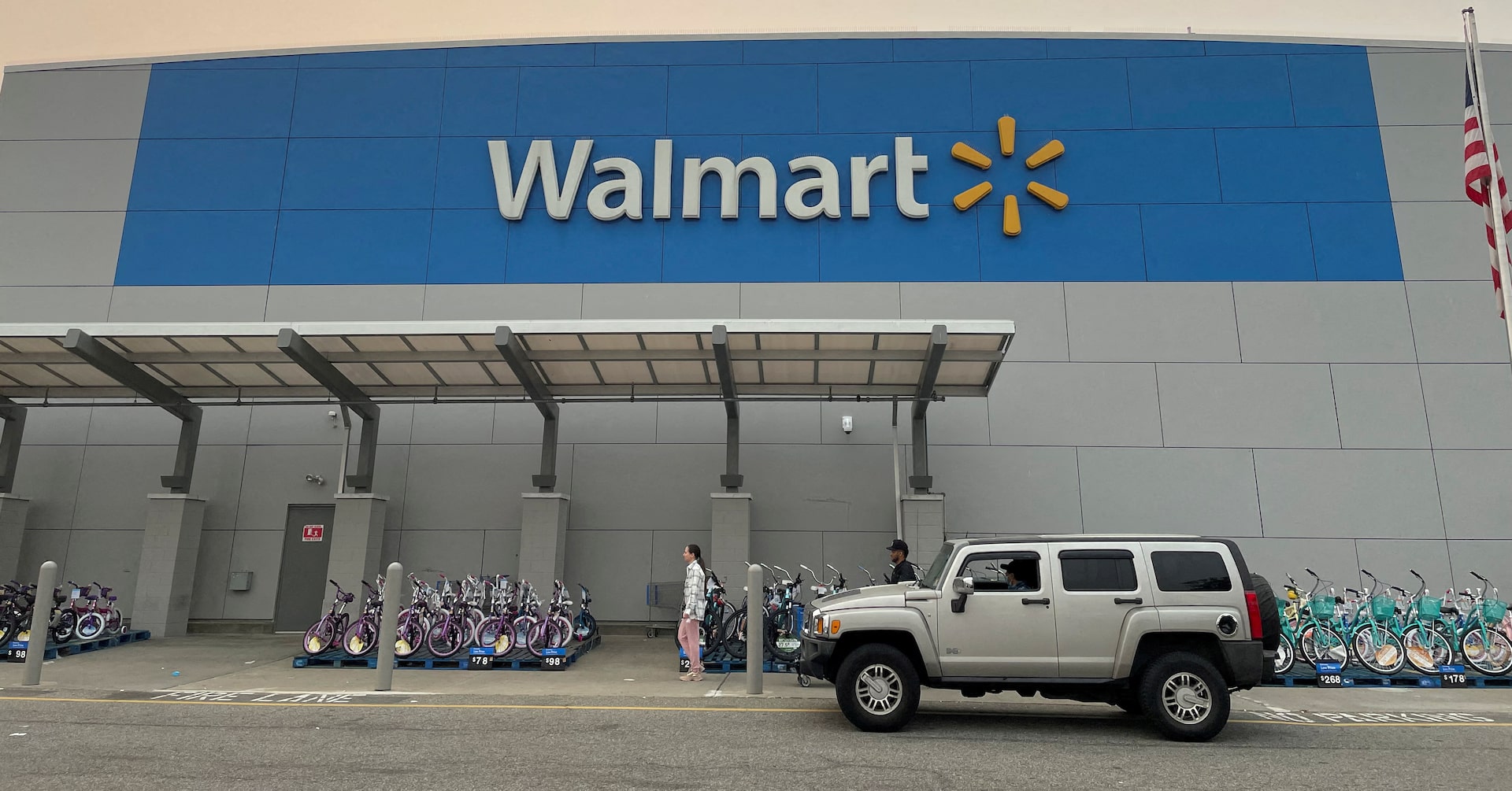
Walmart Thrives Amid Economic Challenges with Strategic Investments

- Significant Sales Growth: Walmart's sales increased by 4.7% to $174.95 billion in the fiscal year ending January 31, significantly outperforming competitors like Target, which saw a 1.7% decline, and Kroger, which remained flat, demonstrating Walmart's strong appeal during economic hardships.
- Stable Profit Margins: Despite tariff pressures, Walmart maintained an operating margin of 4.2%, attributed to its scale advantages and emerging high-margin revenue streams, such as advertising and membership fees, which accounted for 27% of operating profits, up from 9% in 2021.
- E-commerce Explosion: Walmart's online sales surged by 24% over the past year, rising from $121 billion to $150.4 billion, representing 21.3% of total sales, showcasing its robust performance in e-commerce, surpassing Amazon's 9% growth.
- Competitive Market Advantage: Walmart's 4,600 U.S. stores serve as distribution centers, giving it an edge in grocery sales over Amazon, particularly in cold chain distribution, enhancing market efficiency and customer satisfaction.
See More
Kroger Launches Memorial Day Promotions with 4X Fuel Points
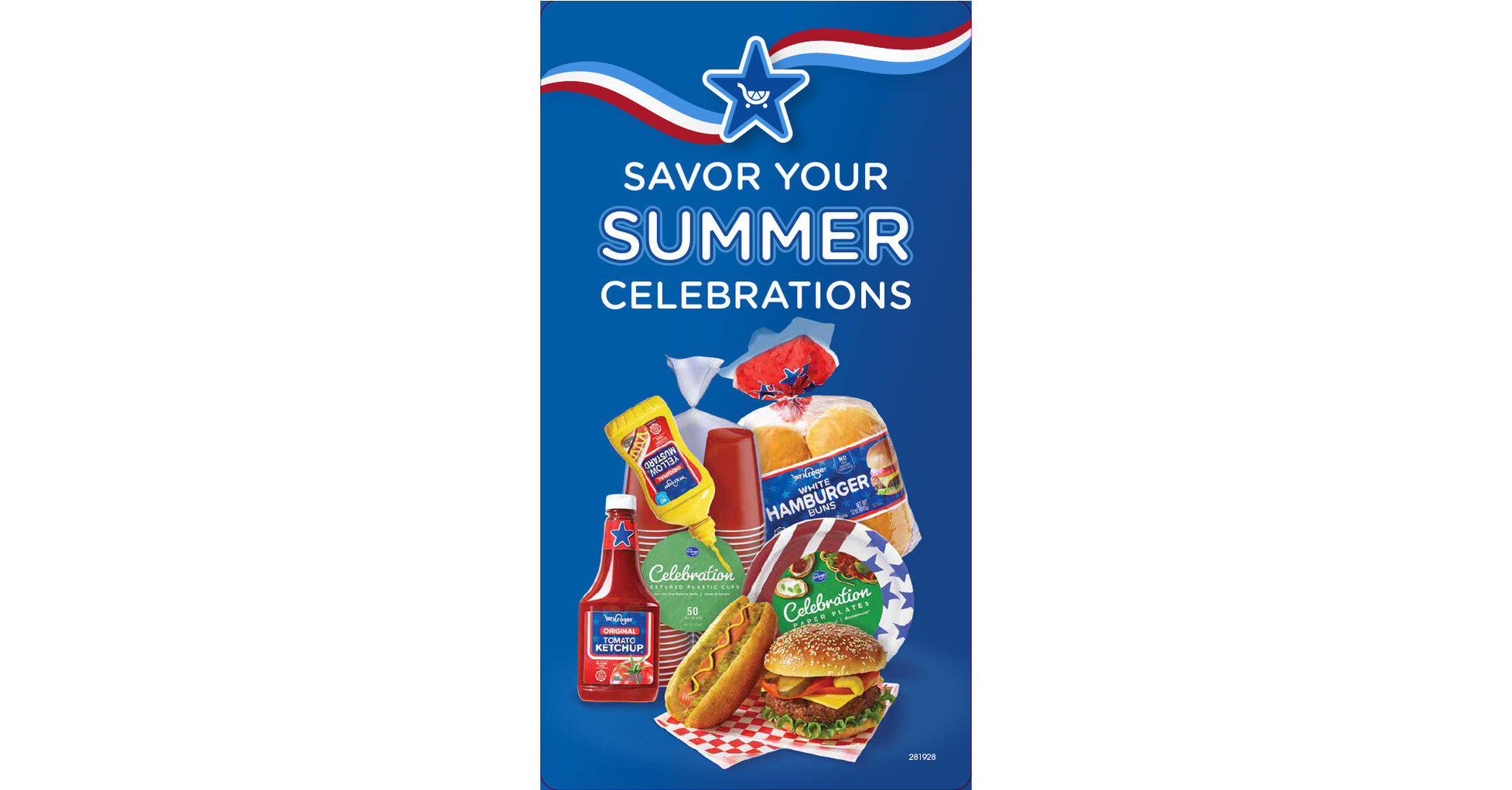
- Holiday Promotions: Kroger is launching a Memorial Day promotion where customers can earn 4X fuel points on every dollar spent from May 20-23, aimed at encouraging family gatherings and boosting sales.
- Community Support Commitment: Over the past decade, Kroger has hired more than 50,000 veterans, showcasing its long-term support for service members and military families, which enhances brand image and attracts loyal customers.
- Convenient Shopping Experience: Customers can enjoy low-priced items either in-store or online at Kroger.com, with the added convenience of fast delivery through DoorDash and Uber Eats, which enhances customer satisfaction and drives online sales growth.
- Food Safety and Sustainability: Kroger is committed to creating #ZeroHungerZeroWaste communities, serving over 11 million customers daily, demonstrating its strategic vision in food safety and sustainability efforts.
See More
Bill Miller's High-Yield Stock Investments


- Miller's Investment Strategy: Bill Miller is renowned for his unique deep value investment strategy, having outperformed the S&P 500 for 15 consecutive years, showcasing his exceptional ability to identify overlooked investment opportunities; although his son, Bill Miller IV, now manages the fund, Miller still retains a stake, ensuring the continuity of his investment philosophy.
- Lincoln National: Lincoln National is the second-largest holding in Miller Value Partners, comprising nearly 8% of total assets; despite trimming its position by about 3% in Q4 2025, the stock has become attractive due to a more than 20% decline year-to-date, currently offering a dividend yield of 5.24% with a payout ratio below 20%, indicating relatively safe dividend potential.
- Gray Media: As the third-largest holding in Miller Value Partners, Gray Media saw a 12% increase in its stake in Q4 2025; despite its stock price plummeting over 80% from its 2021 peak, its 7.71% high dividend yield continues to attract investors, although its 74% payout ratio raises concerns about sustainability.
- Quad/Graphics Performance: Quad/Graphics ranks as the fifth-largest holding in Miller Value Partners, with a 4.4% increase in position in Q4 2025; the stock has more than doubled over the past three years, currently offering a 5.5% dividend yield, and after cutting dividends from 2019 to 2024, it has recently begun to increase payouts, indicating improved financial health.
See More
Kroger Launches Memorial Day Promotions with 4X Fuel Points
- Holiday Promotions: Kroger is offering a digital coupon from May 20-23 that allows customers to earn 4X Fuel Points for every dollar spent, aiming to attract family gatherings and boost sales, which is expected to significantly increase customer traffic and loyalty.
- Product Discounts: The retailer features various grilling essentials, such as Kroger Ground Beef at $12 for 2.25 lbs, along with numerous low-priced items, helping families celebrate the holiday affordably while enhancing brand image and market competitiveness.
- Community Support: Over the past decade, Kroger has hired more than 50,000 veterans, demonstrating its long-term commitment to service members and their families, which further solidifies its positive reputation and social responsibility within the community.
- Convenient Shopping Experience: Customers can quickly order through Kroger.com or platforms like DoorDash and Uber Eats, enjoying delivery within 30 minutes, which enhances shopping convenience and satisfaction, driving growth in online sales.
See More
Kroger Co. Recognized in 2026 Axios Harris Poll 100 for Reputation
- Reputation Ranking Boost: Kroger Co. has been included in the 2026 Axios Harris Poll 100, reflecting its reputation among the most visible companies in the U.S., with over 16,000 Americans surveyed, showcasing public recognition of its trust and culture.
- Employee Contributions Highlighted: CEO Greg Foran emphasized that more than 400,000 associates help families access fresh, affordable food daily, and it is their care and commitment that builds trust with customers and communities.
- Commitment to Social Responsibility: Since 2017, Kroger has directed over $2.1 billion to hunger relief, rescued 935 million pounds of surplus food, and provided over 4.4 billion meals to families in need, demonstrating its long-standing Zero Hunger | Zero Waste commitment.
- Multiple Honors Received: Kroger has also been named one of America's Most Trustworthy Companies and ranked among Computerworld's Top 100 Best Places to Work in IT for eight consecutive years, further solidifying its leadership position in the industry.
See More
Kroger Co. Recognized in 2026 Axios Harris Poll 100 for Reputation
- Reputation Ranking Boost: Kroger Co. has been included in the 2026 Axios Harris Poll 100, reflecting its reputation among the most visible companies in the U.S., showcasing consistent high scores in trust, culture, and ethics.
- Employee Contribution Acknowledged: CEO Greg Foran emphasized that the efforts and commitment of over 400,000 employees are fundamental to building trust with customers and communities, indicating the company's recognition of employee importance in brand image.
- Ongoing Charitable Commitment: Since 2017, Kroger has directed over $2.1 billion to hunger relief, rescued 935 million pounds of surplus food, and provided over 4.4 billion meals to families in need, demonstrating its long-term commitment to social responsibility.
- Multiple Honors Received: Kroger has also been named one of America's Most Trustworthy Companies and ranked among Computerworld's Top 100 Best Places to Work in IT for eight consecutive years, further solidifying its leadership position in the industry.
See More
Walmart Thrives Amid Economic Challenges with Strategic Investments
- Significant Sales Growth: Walmart's sales increased by 4.7% to $174.95 billion in the fiscal year ending January 31, significantly outperforming competitors like Target, which saw a 1.7% decline, and Kroger, which remained flat, demonstrating Walmart's strong appeal during economic hardships.
- Stable Profit Margins: Despite tariff pressures, Walmart maintained an operating margin of 4.2%, attributed to its scale advantages and emerging high-margin revenue streams, such as advertising and membership fees, which accounted for 27% of operating profits, up from 9% in 2021.
- E-commerce Explosion: Walmart's online sales surged by 24% over the past year, rising from $121 billion to $150.4 billion, representing 21.3% of total sales, showcasing its robust performance in e-commerce, surpassing Amazon's 9% growth.
- Competitive Market Advantage: Walmart's 4,600 U.S. stores serve as distribution centers, giving it an edge in grocery sales over Amazon, particularly in cold chain distribution, enhancing market efficiency and customer satisfaction.
See More
Kroger Launches Memorial Day Promotions with 4X Fuel Points
- Holiday Promotions: Kroger is launching a Memorial Day promotion where customers can earn 4X fuel points on every dollar spent from May 20-23, aimed at encouraging family gatherings and boosting sales.
- Community Support Commitment: Over the past decade, Kroger has hired more than 50,000 veterans, showcasing its long-term support for service members and military families, which enhances brand image and attracts loyal customers.
- Convenient Shopping Experience: Customers can enjoy low-priced items either in-store or online at Kroger.com, with the added convenience of fast delivery through DoorDash and Uber Eats, which enhances customer satisfaction and drives online sales growth.
- Food Safety and Sustainability: Kroger is committed to creating #ZeroHungerZeroWaste communities, serving over 11 million customers daily, demonstrating its strategic vision in food safety and sustainability efforts.
See More
Bill Miller's High-Yield Stock Investments
- Miller's Investment Strategy: Bill Miller is renowned for his unique deep value investment strategy, having outperformed the S&P 500 for 15 consecutive years, showcasing his exceptional ability to identify overlooked investment opportunities; although his son, Bill Miller IV, now manages the fund, Miller still retains a stake, ensuring the continuity of his investment philosophy.
- Lincoln National: Lincoln National is the second-largest holding in Miller Value Partners, comprising nearly 8% of total assets; despite trimming its position by about 3% in Q4 2025, the stock has become attractive due to a more than 20% decline year-to-date, currently offering a dividend yield of 5.24% with a payout ratio below 20%, indicating relatively safe dividend potential.
- Gray Media: As the third-largest holding in Miller Value Partners, Gray Media saw a 12% increase in its stake in Q4 2025; despite its stock price plummeting over 80% from its 2021 peak, its 7.71% high dividend yield continues to attract investors, although its 74% payout ratio raises concerns about sustainability.
- Quad/Graphics Performance: Quad/Graphics ranks as the fifth-largest holding in Miller Value Partners, with a 4.4% increase in position in Q4 2025; the stock has more than doubled over the past three years, currently offering a 5.5% dividend yield, and after cutting dividends from 2019 to 2024, it has recently begun to increase payouts, indicating improved financial health.
See More