

Analysis of Tesla's Performance Post-Stock Split
Written by Emily J. Thompson, Senior Investment Analyst
Updated: 1 hour ago
0mins
Source: Fool
- Stock Split Impact: Tesla's announcement of a 3-for-1 stock split in August 2022 aimed to enhance affordability for retail investors; however, since the split, the stock has only gained 28%, significantly underperforming the S&P 500's 77% growth during the same period, indicating a decline in market confidence.
- Declining Profitability: While Tesla achieved its first quarterly net income of $1 billion in Q2 2022 with revenues of $11.96 billion, its net income plummeted to just $47.7 million in Q1 2024, reflecting a significant drop in profitability and an inability to sustain high margins.
- Increased Market Competition: Tesla faces fierce competition that has led to a decrease in profit margins from 28.4%, and CEO Elon Musk's political involvement is estimated to have resulted in over 1 million fewer sales, further damaging the brand's image and sales performance.
- Future Investment Directions: Tesla is heavily investing in the Optimus robot line and full self-driving technology, which, despite their speculative nature and high costs, are seen as crucial for reshaping the company's market position in the future.
Trade with 70% Backtested Accuracy
Stop guessing "Should I Buy TSLA?" and start using high-conviction signals backed by rigorous historical data.
Sign up today to access powerful investing tools and make smarter, data-driven decisions.
Analyst Views on TSLA
Wall Street analysts forecast TSLA stock price to rise
30 Analyst Rating
12 Buy
11 Hold
7 Sell
Hold
Current: 375.530

Low
25.28
Averages
401.93
High
600.00
Current: 375.530
Low
25.28
Averages
401.93
High
600.00
About TSLA
Tesla, Inc. designs, develops, manufactures, sells and leases high-performance fully electric vehicles and energy generation and storage systems, and offers services related to its products. Its segments include automotive, and energy generation and storage. The automotive segment includes the design, development, manufacturing, sales and leasing of high-performance fully electric vehicles, and sales of automotive regulatory credits. It also includes sales of used vehicles, non-warranty maintenance services and collisions, part sales, paid supercharging, insurance services revenue and retail merchandise sales. The energy generation and storage segment include the design, manufacture, installation, sales and leasing of solar energy generation and energy storage products and related services and sales of solar energy systems incentives. Its consumer vehicles include the Model 3, Y, S, X and Cybertruck. Its lithium-ion battery energy storage products include Powerwall and Megapack.
About the author

Emily J. Thompson
Emily J. Thompson, a Chartered Financial Analyst (CFA) with 12 years in investment research, graduated with honors from the Wharton School. Specializing in industrial and technology stocks, she provides in-depth analysis for Intellectia’s earnings and market brief reports.

Baron ETF Emerges as Leader Among SpaceX ETFs

- ETF Performance: The Baron First Principles ETF leads among SpaceX ETFs with a 31.2% allocation to SpaceX as of June 17, significantly surpassing its second-largest holding, indicating strong performance in the space investment sector.
- Historical Investment Background: Founder Ron Baron has participated in 27 funding rounds for SpaceX since 2017, initially investing when the company was valued at just $22 billion, demonstrating his long-term confidence and strategic positioning in the company.
- Acquisition Speculation: Ongoing speculation about SpaceX potentially acquiring Tesla is relevant, as Tesla accounts for nearly 12% of the Baron ETF's holdings, creating investor anticipation for the fund's future performance.
- High Fee Structure: While the Baron ETF offers high exposure to SpaceX, its 1% annual fee is relatively high, which may impact net returns for investors, especially compared to other lower-fee ETFs.
See More

Amazon Faces Growth Challenges and Opportunities


- E-commerce Profit Pressure: Despite Amazon achieving $181.5 billion in sales in Q1, with $143.9 billion from e-commerce, its expenses reached $134.24 billion, resulting in a mere 6.7% profit margin, indicating a pressing need for improved profitability in its e-commerce segment.
- Strong Cloud Growth: Amazon Web Services (AWS) reported $37.58 billion in sales for Q1, a 28.4% increase year-over-year, generating $14.16 billion in profits with a robust 37.6% profit margin, making it the most appealing aspect of Amazon's growth narrative.
- Surging Capital Expenditures: Amazon's capital expenditures reached $131.8 billion in 2025, with expectations to rise to $200 billion this year, primarily for expanding cloud capabilities and acquiring GPUs, raising investor concerns about the potential returns on such massive investments.
- Optimistic AI Outlook: CEO Andy Jassy projects AWS will achieve $600 billion in annual sales within a decade, reflecting a 17% annual growth rate, showcasing the company's strong confidence in AI, despite skepticism from the market regarding the scale of its investment.
See More
Analysis of Tesla's Performance Post-Stock Split
- Stock Split Impact: Tesla's announcement of a 3-for-1 stock split in August 2022 aimed to enhance affordability for retail investors; however, since the split, the stock has only gained 28%, significantly underperforming the S&P 500's 77% growth during the same period, indicating a decline in market confidence.
- Declining Profitability: While Tesla achieved its first quarterly net income of $1 billion in Q2 2022 with revenues of $11.96 billion, its net income plummeted to just $47.7 million in Q1 2024, reflecting a significant drop in profitability and an inability to sustain high margins.
- Increased Market Competition: Tesla faces fierce competition that has led to a decrease in profit margins from 28.4%, and CEO Elon Musk's political involvement is estimated to have resulted in over 1 million fewer sales, further damaging the brand's image and sales performance.
- Future Investment Directions: Tesla is heavily investing in the Optimus robot line and full self-driving technology, which, despite their speculative nature and high costs, are seen as crucial for reshaping the company's market position in the future.
See More
Tesla's Stock Performance Underwhelms Post-Split
- Stock Performance Weakness: Since Tesla's 3-for-1 stock split in August 2022, the stock has only risen 28%, significantly underperforming the S&P 500's 77% gain during the same period, indicating market disappointment in its future outlook.
- Declining Profitability: In Q1 2023, Tesla reported revenues of $19.3 billion, a 16% increase year-over-year, yet its net income was only $47.7 million, far below the $1 billion mark seen in Q4 2024, highlighting a significant drop in profitability.
- Increased Market Competition: Tesla faces fierce competition, and a report estimates that CEO Elon Musk's political activities may have resulted in over 1 million fewer vehicle sales, further impacting brand image and sales performance.
- Strategic Transition Challenges: Tesla is heavily investing in the Optimus robot line and full self-driving technology, which are high-risk and costly ventures, yet the company must navigate declining profitability to meet investor expectations.
See More
Dell Technologies Relocates Headquarters to Texas Amid Strong Stock Rally
- Headquarters Relocation: Dell Technologies has announced its relocation of headquarters from Delaware to Texas, with 97% shareholder approval, marking a return to its founding state and expected to enhance its competitiveness in technology and manufacturing sectors.
- Strong Stock Performance: Dell's stock has surged over 228% in the first half of the year, significantly outperforming the 17% gain of the Nasdaq-100, indicating robust demand in AI and infrastructure solutions, and is on track for its best annual performance since going public.
- Major Contract Award: The company secured a $9.7 billion contract from the Pentagon to consolidate software systems across military and intelligence agencies, which not only boosts its market position but also lays a foundation for future revenue growth.
- Analyst Optimism: Despite bearish sentiment among retail investors, 19 out of 27 analysts rate Dell as a 'Buy', with an average price target of $485.09, suggesting an 18% upside potential, reflecting market confidence in the company's future performance.
See More
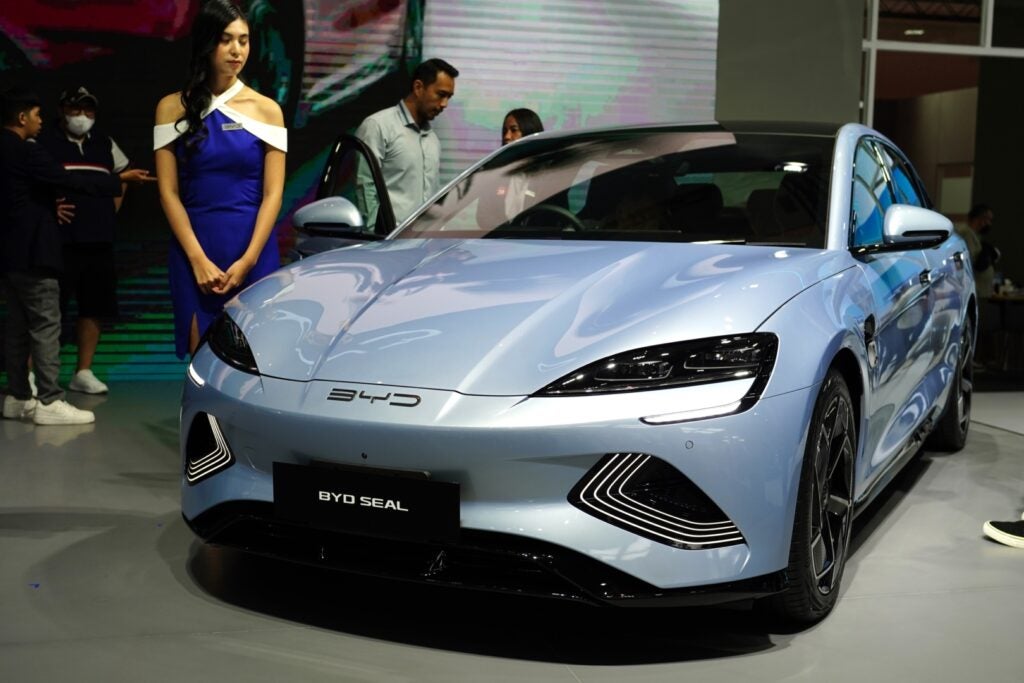
Nio Surpasses Tesla in Orders, Positive Market Outlook

- Strong Order Performance: According to Deutsche Bank's tracker, Nio secured 14,500 new orders in the week of June 15-21, reflecting a robust year-over-year growth of 195%, despite a 26% week-over-week decline, indicating strong market demand.
- Delivery Target Challenges: Nio delivered 37,705 vehicles in May, marking its highest monthly total for 2026, but to meet its Q2 guidance of 110,000 to 115,000 vehicles, it needs to deliver between 42,939 and 47,939 units in June, requiring a sequential increase of 14% to 27%.
- Competitive Market Dynamics: While Nio's order performance outpaced Tesla's in China, with Tesla only securing 12,600 new orders during the same period, this suggests a weakening demand for Tesla in the Chinese market, allowing Nio to capture a larger share in the EV sector.
- Optimistic Future Outlook: Nio CEO William Li anticipates that new energy vehicles will account for over 90% of China's new car market by 2030, further solidifying Nio's strategic position in the pure EV segment, especially as China's NEV penetration reached 62.9%.
See More
Baron ETF Emerges as Leader Among SpaceX ETFs
- ETF Performance: The Baron First Principles ETF leads among SpaceX ETFs with a 31.2% allocation to SpaceX as of June 17, significantly surpassing its second-largest holding, indicating strong performance in the space investment sector.
- Historical Investment Background: Founder Ron Baron has participated in 27 funding rounds for SpaceX since 2017, initially investing when the company was valued at just $22 billion, demonstrating his long-term confidence and strategic positioning in the company.
- Acquisition Speculation: Ongoing speculation about SpaceX potentially acquiring Tesla is relevant, as Tesla accounts for nearly 12% of the Baron ETF's holdings, creating investor anticipation for the fund's future performance.
- High Fee Structure: While the Baron ETF offers high exposure to SpaceX, its 1% annual fee is relatively high, which may impact net returns for investors, especially compared to other lower-fee ETFs.
See More
Amazon Faces Growth Challenges and Opportunities
- E-commerce Profit Pressure: Despite Amazon achieving $181.5 billion in sales in Q1, with $143.9 billion from e-commerce, its expenses reached $134.24 billion, resulting in a mere 6.7% profit margin, indicating a pressing need for improved profitability in its e-commerce segment.
- Strong Cloud Growth: Amazon Web Services (AWS) reported $37.58 billion in sales for Q1, a 28.4% increase year-over-year, generating $14.16 billion in profits with a robust 37.6% profit margin, making it the most appealing aspect of Amazon's growth narrative.
- Surging Capital Expenditures: Amazon's capital expenditures reached $131.8 billion in 2025, with expectations to rise to $200 billion this year, primarily for expanding cloud capabilities and acquiring GPUs, raising investor concerns about the potential returns on such massive investments.
- Optimistic AI Outlook: CEO Andy Jassy projects AWS will achieve $600 billion in annual sales within a decade, reflecting a 17% annual growth rate, showcasing the company's strong confidence in AI, despite skepticism from the market regarding the scale of its investment.
See More
Analysis of Tesla's Performance Post-Stock Split
- Stock Split Impact: Tesla's announcement of a 3-for-1 stock split in August 2022 aimed to enhance affordability for retail investors; however, since the split, the stock has only gained 28%, significantly underperforming the S&P 500's 77% growth during the same period, indicating a decline in market confidence.
- Declining Profitability: While Tesla achieved its first quarterly net income of $1 billion in Q2 2022 with revenues of $11.96 billion, its net income plummeted to just $47.7 million in Q1 2024, reflecting a significant drop in profitability and an inability to sustain high margins.
- Increased Market Competition: Tesla faces fierce competition that has led to a decrease in profit margins from 28.4%, and CEO Elon Musk's political involvement is estimated to have resulted in over 1 million fewer sales, further damaging the brand's image and sales performance.
- Future Investment Directions: Tesla is heavily investing in the Optimus robot line and full self-driving technology, which, despite their speculative nature and high costs, are seen as crucial for reshaping the company's market position in the future.
See More
Tesla's Stock Performance Underwhelms Post-Split
- Stock Performance Weakness: Since Tesla's 3-for-1 stock split in August 2022, the stock has only risen 28%, significantly underperforming the S&P 500's 77% gain during the same period, indicating market disappointment in its future outlook.
- Declining Profitability: In Q1 2023, Tesla reported revenues of $19.3 billion, a 16% increase year-over-year, yet its net income was only $47.7 million, far below the $1 billion mark seen in Q4 2024, highlighting a significant drop in profitability.
- Increased Market Competition: Tesla faces fierce competition, and a report estimates that CEO Elon Musk's political activities may have resulted in over 1 million fewer vehicle sales, further impacting brand image and sales performance.
- Strategic Transition Challenges: Tesla is heavily investing in the Optimus robot line and full self-driving technology, which are high-risk and costly ventures, yet the company must navigate declining profitability to meet investor expectations.
See More
Dell Technologies Relocates Headquarters to Texas Amid Strong Stock Rally
- Headquarters Relocation: Dell Technologies has announced its relocation of headquarters from Delaware to Texas, with 97% shareholder approval, marking a return to its founding state and expected to enhance its competitiveness in technology and manufacturing sectors.
- Strong Stock Performance: Dell's stock has surged over 228% in the first half of the year, significantly outperforming the 17% gain of the Nasdaq-100, indicating robust demand in AI and infrastructure solutions, and is on track for its best annual performance since going public.
- Major Contract Award: The company secured a $9.7 billion contract from the Pentagon to consolidate software systems across military and intelligence agencies, which not only boosts its market position but also lays a foundation for future revenue growth.
- Analyst Optimism: Despite bearish sentiment among retail investors, 19 out of 27 analysts rate Dell as a 'Buy', with an average price target of $485.09, suggesting an 18% upside potential, reflecting market confidence in the company's future performance.
See More
Nio Surpasses Tesla in Orders, Positive Market Outlook
- Strong Order Performance: According to Deutsche Bank's tracker, Nio secured 14,500 new orders in the week of June 15-21, reflecting a robust year-over-year growth of 195%, despite a 26% week-over-week decline, indicating strong market demand.
- Delivery Target Challenges: Nio delivered 37,705 vehicles in May, marking its highest monthly total for 2026, but to meet its Q2 guidance of 110,000 to 115,000 vehicles, it needs to deliver between 42,939 and 47,939 units in June, requiring a sequential increase of 14% to 27%.
- Competitive Market Dynamics: While Nio's order performance outpaced Tesla's in China, with Tesla only securing 12,600 new orders during the same period, this suggests a weakening demand for Tesla in the Chinese market, allowing Nio to capture a larger share in the EV sector.
- Optimistic Future Outlook: Nio CEO William Li anticipates that new energy vehicles will account for over 90% of China's new car market by 2030, further solidifying Nio's strategic position in the pure EV segment, especially as China's NEV penetration reached 62.9%.
See More





