Analysis of Green Energy Market Prospects
Written by Emily J. Thompson, Senior Investment Analyst
Updated: 1 hour ago
0mins

Source: Fool
- Renewable Energy Growth: According to the U.S. Energy Information Administration, solar power is expected to account for over 50% of the nation's installed capacity by 2025, with wind at 14%, indicating a doubling of renewables' market share over the past 15 years, despite still producing less than 20% of total electricity.
- Bloom Energy Performance: Bloom Energy's revenue grew 37% last year to over $2 billion, pushing operating profit to nearly $73 million, with analysts forecasting nearly 60% revenue growth in the next two years, highlighting strong demand and business prospects in the hydrogen fuel cell market.
- Cameco's Market Position: Cameco produced 21 million pounds of uranium last year, generating nearly $3.5 billion in revenue, and with increasing nuclear energy demand, its substantial uranium reserves position it as a leader in the global uranium market.
- GE Vernova's Challenges and Opportunities: GE Vernova's revenue increased 16% last quarter to $9.3 billion, and despite its primary focus on natural gas turbines, its backlog of $163 billion indicates strong market demand, necessitating solutions for its production capacity constraints.
Trade with 70% Backtested Accuracy
Stop guessing "Should I Buy BE?" and start using high-conviction signals backed by rigorous historical data.
Sign up today to access powerful investing tools and make smarter, data-driven decisions.
Analyst Views on BE
Wall Street analysts forecast BE stock price to fall
19 Analyst Rating
8 Buy
9 Hold
2 Sell
Moderate Buy
Current: 231.170

Low
71.00
Averages
142.89
High
184.00
Current: 231.170
Low
71.00
Averages
142.89
High
184.00
About BE
Bloom Energy Corporation is engaged in stationary fuel cell power generation by market share. The Company provides distributed energy technology solutions to customers. The Company manufactures advanced and versatile fuel cell energy platforms, supporting the commercial availability of two products: the Bloom Energy Server for generating electricity and the Bloom Electrolyzer for producing hydrogen. With approximately 1.4 gigawatts (GW) of Energy Server systems deployed in more than 1,000 locations and nine countries. Its solid oxide fuel cell technology platform is the foundation for its Energy Server system and Bloom Electrolyzer. The Bloom Energy Server system is designed to deliver reliable, resilient, clean and affordable energy for utilities and organizations alike. Its Energy Server system is designed to deliver reliable electricity. The Bloom Electrolyzer is designed to provide hydrogen solutions based on the same solid oxide platform as its Energy Server systems.
About the author

Emily J. Thompson
Emily J. Thompson, a Chartered Financial Analyst (CFA) with 12 years in investment research, graduated with honors from the Wharton School. Specializing in industrial and technology stocks, she provides in-depth analysis for Intellectia’s earnings and market brief reports.
Bloom Energy Stock Soars 1500% Amid AI Demand

- Surging Demand: Bloom Energy's stock has skyrocketed 1500% since the beginning of 2024, primarily driven by the booming demand for energy from artificial intelligence data centers, highlighting the company's strong performance in a rapidly growing market.
- Delivery Advantage: Bloom Energy's solid-oxide fuel cells can be deployed in months, successfully delivering a system to Oracle in just 55 days last year, addressing the urgent need for rapid energy solutions in data centers.
- Robust Backlog: As of the end of last year, Bloom Energy's product backlog stood at $6 billion, indicating extremely strong demand from data center operators, and the company's supply chain advantages position it well to meet market needs.
- Optimistic Financial Outlook: Analysts project Bloom Energy's first-quarter earnings per share to reach $0.13, a 333.3% increase year-over-year, with revenue estimated at $536 million, reflecting a 64.3% growth, showcasing the company's potential for future growth.
See More

Bloom Energy Stock Soars 1500% Amid AI Demand
- Surging Demand: Bloom Energy's stock has skyrocketed 1500% since the beginning of 2024, primarily driven by the booming energy demand from AI data centers, indicating the company's strong performance in a rapidly growing market.
- Delivery Advantage: Bloom's solid-oxide fuel cells can be deployed quickly within months, as evidenced by the 55-day delivery of fuel cell systems to Oracle last year, significantly enhancing the company's competitiveness in the data center sector.
- Optimistic Financial Outlook: Analysts project Bloom's first-quarter earnings per share to reach $0.13, a substantial increase from $0.03 in the same quarter last year, while revenue is expected to hit $536 million, reflecting a 64.3% year-over-year growth driven by robust market demand.
- Strategic Partnership Expansion: Bloom has extended its partnership with Oracle, planning to procure up to 2.8 gigawatts of fuel cell systems, which not only strengthens Bloom's order book but may also accelerate the conversion of its $20 billion backlog into revenue.
See More
Analysis of Green Energy Market Prospects

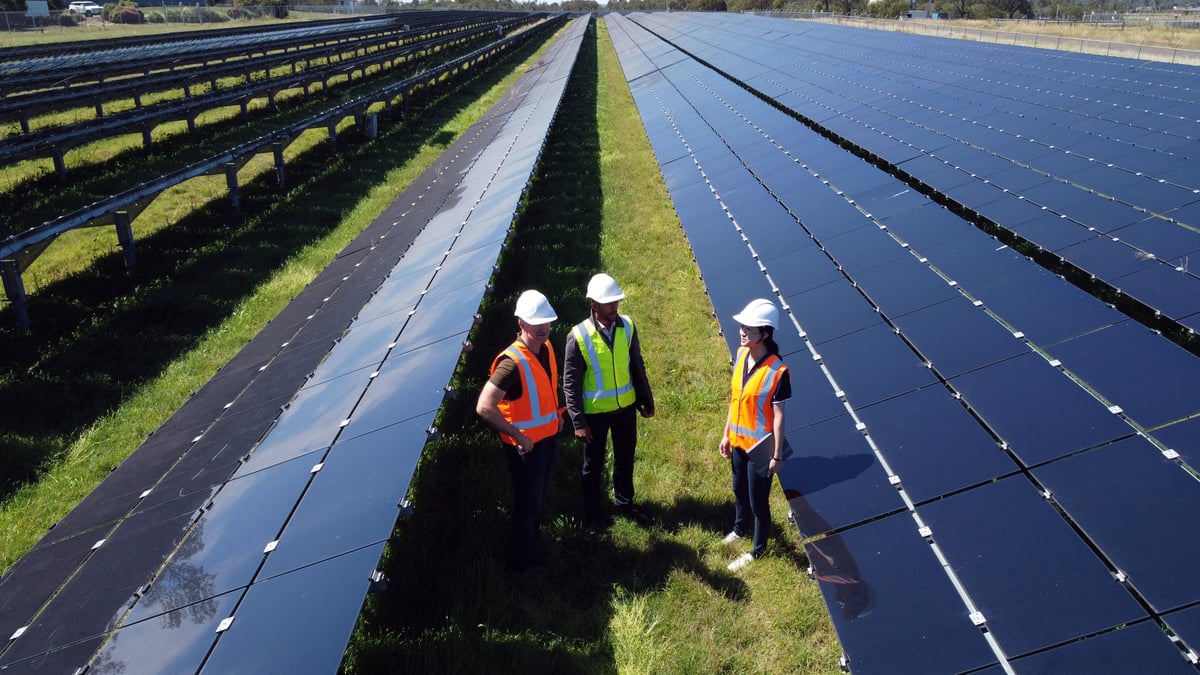
- Renewable Energy Growth: According to the U.S. Energy Information Administration, solar power is expected to account for over 50% of the nation's installed capacity by 2025, with wind at 14%, indicating a doubling of renewables' market share over the past 15 years, despite still producing less than 20% of total electricity.
- Bloom Energy Performance: Bloom Energy's revenue grew 37% last year to over $2 billion, pushing operating profit to nearly $73 million, with analysts forecasting nearly 60% revenue growth in the next two years, highlighting strong demand and business prospects in the hydrogen fuel cell market.
- Cameco's Market Position: Cameco produced 21 million pounds of uranium last year, generating nearly $3.5 billion in revenue, and with increasing nuclear energy demand, its substantial uranium reserves position it as a leader in the global uranium market.
- GE Vernova's Challenges and Opportunities: GE Vernova's revenue increased 16% last quarter to $9.3 billion, and despite its primary focus on natural gas turbines, its backlog of $163 billion indicates strong market demand, necessitating solutions for its production capacity constraints.
See More

New Opportunities in Hydrogen Fuel Cell Market
- Hydrogen Fuel Cell Innovation: Bloom Energy enhances its electricity generation flexibility and durability through solid oxide fuel cell technology, allowing the use of natural gas, biogas, or hydrogen as fuel, thereby strengthening its competitive position in the market.
- Significant Revenue Growth: Bloom Energy's revenue grew by 37% last year, reaching over $2 billion, with operating profit nearing $73 million, indicating strong demand and future growth potential in the hydrogen energy market.
- Rising Uranium Demand: Cameco produced 21 million pounds of uranium last year, generating $3.5 billion in revenue, and as the nuclear energy sector expands, its uranium demand is expected to continue rising, solidifying its market leadership.
- GE Vernova Market Performance: GE Vernova's revenue increased by 16% last quarter to $9.3 billion, with a backlog of $163 billion in orders, reflecting strong demand in the natural gas and renewable energy sectors and potential for future expansion.
See More

Bloom Energy Stock Rises 2.6% in Premarket Trading Following Oracle's Fuel Cell Agreement for AI Data Center

Market Performance: Bloom Energy shares increased by 2.6% in pre-market trading.
Recent Deal: The rise in shares follows a deal involving the company and a focus on fuel cells.
See More
Bloom Energy Partners with Oracle for AI Data Center Expansion
- Project Scale and Investment: The $1.5 billion Project Jupiter will be established in the El Paso–Juárez Borderplex, entirely powered by Bloom's fuel cells, marking Bloom's significant role in the AI infrastructure sector.
- Environmental Benefits: Bloom's fuel cell technology is expected to reduce nitrogen oxide emissions by approximately 92% and significantly lower water consumption through innovative cooling designs, showcasing its potential for sustainability.
- Long-term Revenue Expectations: The multi-year contract for this project is likely to provide Bloom with a stable revenue stream, further solidifying its position in the rapidly growing AI infrastructure market.
- Market Response and Price Target: Barclays raised Bloom's price target from $153 to $177, reflecting recognition of its commercial appeal, while anticipating Bloom will report $540 million in revenue in its upcoming Q1 earnings.
See More
Bloom Energy Stock Soars 1500% Amid AI Demand
- Surging Demand: Bloom Energy's stock has skyrocketed 1500% since the beginning of 2024, primarily driven by the booming demand for energy from artificial intelligence data centers, highlighting the company's strong performance in a rapidly growing market.
- Delivery Advantage: Bloom Energy's solid-oxide fuel cells can be deployed in months, successfully delivering a system to Oracle in just 55 days last year, addressing the urgent need for rapid energy solutions in data centers.
- Robust Backlog: As of the end of last year, Bloom Energy's product backlog stood at $6 billion, indicating extremely strong demand from data center operators, and the company's supply chain advantages position it well to meet market needs.
- Optimistic Financial Outlook: Analysts project Bloom Energy's first-quarter earnings per share to reach $0.13, a 333.3% increase year-over-year, with revenue estimated at $536 million, reflecting a 64.3% growth, showcasing the company's potential for future growth.
See More
Bloom Energy Stock Soars 1500% Amid AI Demand
- Surging Demand: Bloom Energy's stock has skyrocketed 1500% since the beginning of 2024, primarily driven by the booming energy demand from AI data centers, indicating the company's strong performance in a rapidly growing market.
- Delivery Advantage: Bloom's solid-oxide fuel cells can be deployed quickly within months, as evidenced by the 55-day delivery of fuel cell systems to Oracle last year, significantly enhancing the company's competitiveness in the data center sector.
- Optimistic Financial Outlook: Analysts project Bloom's first-quarter earnings per share to reach $0.13, a substantial increase from $0.03 in the same quarter last year, while revenue is expected to hit $536 million, reflecting a 64.3% year-over-year growth driven by robust market demand.
- Strategic Partnership Expansion: Bloom has extended its partnership with Oracle, planning to procure up to 2.8 gigawatts of fuel cell systems, which not only strengthens Bloom's order book but may also accelerate the conversion of its $20 billion backlog into revenue.
See More
Analysis of Green Energy Market Prospects
- Renewable Energy Growth: According to the U.S. Energy Information Administration, solar power is expected to account for over 50% of the nation's installed capacity by 2025, with wind at 14%, indicating a doubling of renewables' market share over the past 15 years, despite still producing less than 20% of total electricity.
- Bloom Energy Performance: Bloom Energy's revenue grew 37% last year to over $2 billion, pushing operating profit to nearly $73 million, with analysts forecasting nearly 60% revenue growth in the next two years, highlighting strong demand and business prospects in the hydrogen fuel cell market.
- Cameco's Market Position: Cameco produced 21 million pounds of uranium last year, generating nearly $3.5 billion in revenue, and with increasing nuclear energy demand, its substantial uranium reserves position it as a leader in the global uranium market.
- GE Vernova's Challenges and Opportunities: GE Vernova's revenue increased 16% last quarter to $9.3 billion, and despite its primary focus on natural gas turbines, its backlog of $163 billion indicates strong market demand, necessitating solutions for its production capacity constraints.
See More
New Opportunities in Hydrogen Fuel Cell Market
- Hydrogen Fuel Cell Innovation: Bloom Energy enhances its electricity generation flexibility and durability through solid oxide fuel cell technology, allowing the use of natural gas, biogas, or hydrogen as fuel, thereby strengthening its competitive position in the market.
- Significant Revenue Growth: Bloom Energy's revenue grew by 37% last year, reaching over $2 billion, with operating profit nearing $73 million, indicating strong demand and future growth potential in the hydrogen energy market.
- Rising Uranium Demand: Cameco produced 21 million pounds of uranium last year, generating $3.5 billion in revenue, and as the nuclear energy sector expands, its uranium demand is expected to continue rising, solidifying its market leadership.
- GE Vernova Market Performance: GE Vernova's revenue increased by 16% last quarter to $9.3 billion, with a backlog of $163 billion in orders, reflecting strong demand in the natural gas and renewable energy sectors and potential for future expansion.
See More
Bloom Energy Stock Rises 2.6% in Premarket Trading Following Oracle's Fuel Cell Agreement for AI Data Center
Market Performance: Bloom Energy shares increased by 2.6% in pre-market trading.
Recent Deal: The rise in shares follows a deal involving the company and a focus on fuel cells.
See More
Bloom Energy Partners with Oracle for AI Data Center Expansion
- Project Scale and Investment: The $1.5 billion Project Jupiter will be established in the El Paso–Juárez Borderplex, entirely powered by Bloom's fuel cells, marking Bloom's significant role in the AI infrastructure sector.
- Environmental Benefits: Bloom's fuel cell technology is expected to reduce nitrogen oxide emissions by approximately 92% and significantly lower water consumption through innovative cooling designs, showcasing its potential for sustainability.
- Long-term Revenue Expectations: The multi-year contract for this project is likely to provide Bloom with a stable revenue stream, further solidifying its position in the rapidly growing AI infrastructure market.
- Market Response and Price Target: Barclays raised Bloom's price target from $153 to $177, reflecting recognition of its commercial appeal, while anticipating Bloom will report $540 million in revenue in its upcoming Q1 earnings.
See More