Analysis of Downstream Winners in AI Trade
Written by Emily J. Thompson, Senior Investment Analyst
Updated: May 01 2026
0mins

Should l Buy INTC?
Source: Yahoo Finance
- Strong Earnings Growth: The latest earnings reports indicate that overall market earnings growth exceeds 15%, which allows the market to maintain an upward trend despite geopolitical pressures, reflecting strong economic resilience and investor confidence.
- AI Trade Remains Stable: Microsoft and Google's backlog exceeds $1 trillion, indicating robust demand in the AI sector that supports growth potential for related companies like Broadcom and Marvell, further solidifying market confidence in the AI trade.
- Optimistic Outlook for Dell: Dell is projected to achieve 25% earnings growth by 2027, with a current P/E ratio of 12, indicating that its stock remains attractive despite a 60% price increase this year, driven by rising server demand.
- Clear Supply Chain Advantage: Dell has a competitive edge in selling servers to tier two cloud service providers and enterprise customers, particularly in materials and supply chain management, which will further enhance its market position and competitiveness.
Trade with 70% Backtested Accuracy
Stop guessing "Should I Buy INTC?" and start using high-conviction signals backed by rigorous historical data.
Sign up today to access powerful investing tools and make smarter, data-driven decisions.
Analyst Views on INTC
Wall Street analysts forecast INTC stock price to fall
29 Analyst Rating
5 Buy
19 Hold
5 Sell
Hold
Current: 120.610

Low
20.00
Averages
39.30
High
52.00
Current: 120.610
Low
20.00
Averages
39.30
High
52.00
About INTC
Intel Corporation is a global designer and manufacturer of semiconductor products. The Company's segments include Intel Products, Intel Foundry, and All Other. Its Intel Products comprise Client Computing Group (CCG) and Data Center and AI (DCAI). CCG delivers platforms and processors that power PCs and edge devices, enabling enhanced performance, connectivity and user experience for consumer and commercial markets with capabilities that also support retail, industrial robotics and AI ecosystems at the edge. DCAI delivers workload-optimized solutions based upon its x86 architecture for data centers, including CPUs, AI accelerators, NICs, IPUs and custom ASICs, enabling performance and scalability for cloud, enterprise, telecommunication and HPC environments. The Intel Foundry segment comprises technology development, manufacturing and foundry services, developing new semiconductor process technologies and advanced packaging technologies. All Other segments include Mobileye and Other.
About the author

Emily J. Thompson
Emily J. Thompson, a Chartered Financial Analyst (CFA) with 12 years in investment research, graduated with honors from the Wharton School. Specializing in industrial and technology stocks, she provides in-depth analysis for Intellectia’s earnings and market brief reports.
Memory Chip Market Competition Intensifies Amid AI Demand


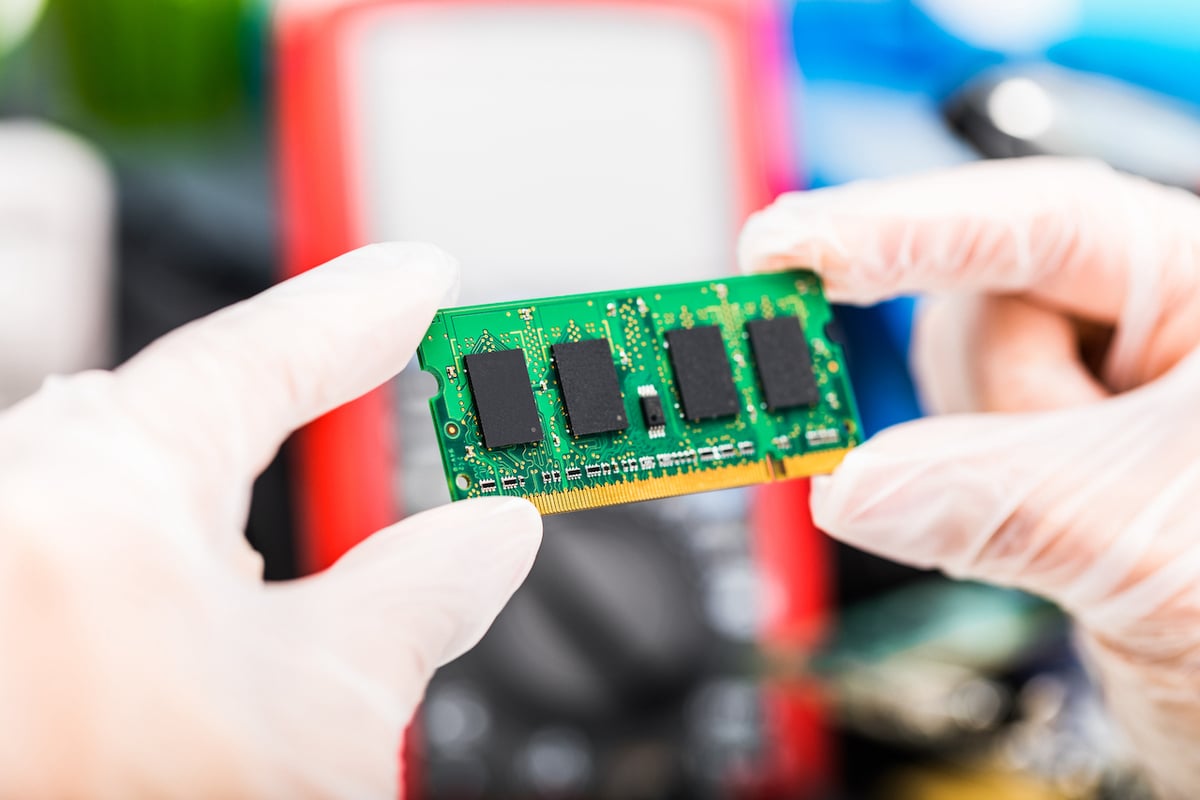
- Market Performance Comparison: Over the past year, Sandisk's stock surged an astonishing 3,400%, while Micron's performance was more subdued, although both benefited from soaring memory prices, reflecting strong market demand for memory chips.
- Impact of Product Diversity: As a diversified supplier with DRAM, NAND, and high-bandwidth memory (HBM), Micron is better positioned to withstand market volatility compared to Sandisk, which focuses solely on NAND, suggesting Micron may perform better during future downturns.
- Manufacturing Capability Advantage: Micron, as an integrated device manufacturer (IDM), owns its chip fabrication facilities and is investing $100 billion in a
See More

SpaceX Plans to Launch Largest IPO in History


- IPO Financing Scale: SpaceX is set to conduct an IPO this summer aiming to raise $75 billion at a valuation of $1.75 trillion, which will significantly boost its capital expenditures and benefit multiple related companies.
- Alphabet's Investment Opportunity: Alphabet invested $900 million in SpaceX in 2015, and despite dilution from mergers, its stake could be worth approximately $87.5 billion post-IPO, highlighting its strong investment potential in the aerospace sector.
- Intel's Strategic Partnership: Intel is a key partner in SpaceX and Tesla's Terafab project, which aims to enhance chip production capacity, and the IPO proceeds could provide crucial funding, solidifying Intel's position in the semiconductor industry.
- Linde's Market Outlook: As a leading industrial gas supplier for rocket launches, Linde is expected to benefit from SpaceX's increased launch frequency, driving revenue growth, although its current stock price appears high, future demand could enhance profitability.
See More
AMD vs Intel: Competing in the AI Supercycle

- Strong Performance for AMD: AMD's first-quarter revenue rose 38% year-over-year to $10.3 billion, with a projected 46% growth for Q2, highlighting explosive growth in its data center segment, which saw a 57% increase, showcasing its competitive strength in the AI market.
- Exceptional Cash Flow: AMD generated a record free cash flow of $2.6 billion in Q1, ending the period with $12.3 billion in cash and short-term investments, allowing the company to invest aggressively without relying on debt or shareholder dilution.
- Signs of Recovery for Intel: Intel's Q1 revenue increased 7% year-over-year to $13.6 billion, with its data center and AI group growing 22%, despite a $3.7 billion net loss, indicating the complexity of its turnaround efforts.
- Comparative Market Outlook: While Intel's stock has surged, its future growth remains to be proven, whereas AMD demonstrates stronger long-term investment value through existing products, customer commitments, and robust cash flow.
See More
Cerebras Systems IPO Raises $5.55 Billion, Valuing Company at $56.4 Billion


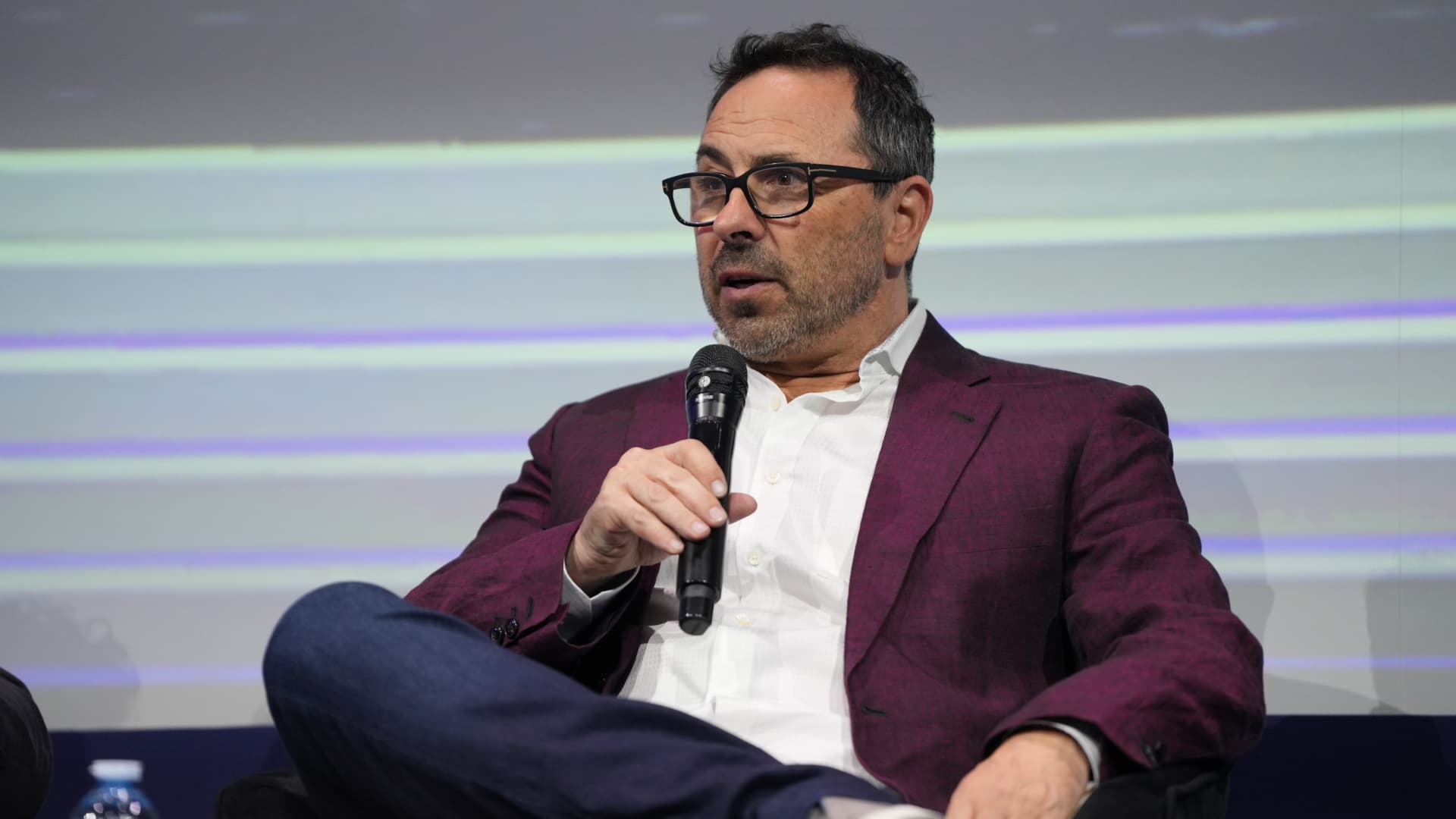
- IPO Pricing Exceeds Expectations: Cerebras Systems priced its IPO at $185 per share, surpassing the expected range, successfully attracting investor interest and positioning the company for further growth in the AI chip market.
- Massive Fundraising: The IPO raised at least $5.55 billion for Cerebras, marking it as one of the largest tech IPOs in recent years, reflecting strong market demand and investor enthusiasm for AI technologies.
- Significant Valuation Increase: At the IPO price, Cerebras is valued at $56.4 billion, with co-founder and CEO Andrew Feldman's stake worth approximately $1.9 billion, highlighting the company's strategic position and future growth potential in the AI sector.
- Reduced Customer Dependency: In its updated prospectus, Cerebras disclosed that revenue from G42 accounted for only 24% last year, indicating a shift towards diversifying its customer base to mitigate reliance on a single client, thereby enhancing its competitive edge in the market.
See More

Cerebras IPO Raises Over $5.55 Billion Amid AI Boom
- IPO Fundraising Scale: Cerebras successfully raised at least $5.55 billion in its initial public offering, marking one of the largest tech IPOs in years, which reflects strong market demand for AI chips and is expected to attract more investor interest in the sector.
- CEO Stake Value: CEO Andrew Feldman holds a stake valued at approximately $1.9 billion at the IPO price of $185 per share, which not only reflects the company's increased market recognition but also provides a strong personal incentive for future growth.
- Reduced Customer Dependency: In its latest prospectus, Cerebras disclosed that revenue from its primary customer G42 accounted for only 24% last year, a significant drop from 85% in 2024, indicating the company's efforts to diversify its revenue streams and reduce reliance on a single client.
- Collaboration with OpenAI: Cerebras signed a deal worth over $20 billion with OpenAI to provide 750 megawatts of computing capacity, which not only enhances Cerebras' market position but also lays a foundation for future revenue growth, showcasing its technological edge in the AI sector.
See More
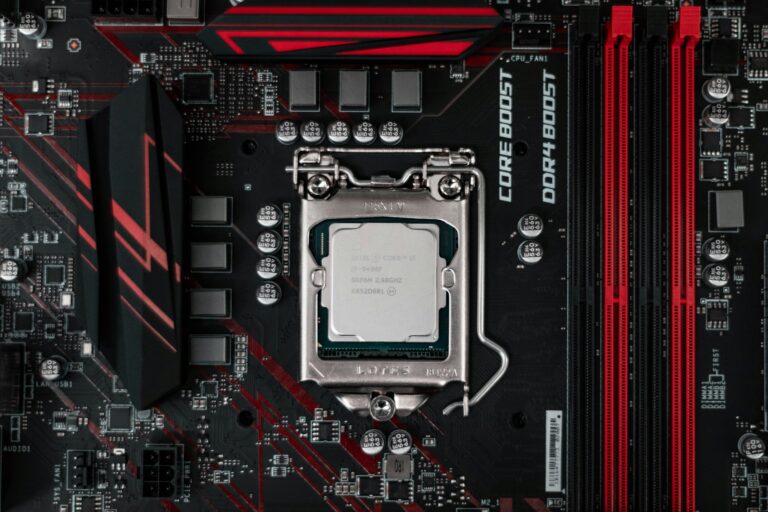
Intel's Stock Surge Raises Concerns Over Future Viability
- Impressive Stock Performance: Under CEO Lip-Bu Tan's leadership, Intel's stock has surged nearly fivefold since last year, although this is partly due to institutional investors being compelled to engage to avoid underperforming against the S&P 500 index.
- Severe Financial Challenges: Intel reported a net loss of $3.73 billion last month, indicating significant financial strain as the company aims to transform into a world-class contract chipmaker, necessitating tens of billions in investments for technology development.
- Collaboration with Apple: The tentative chip manufacturing agreement with Apple appears promising on paper, yet lacks clarity on critical aspects such as chip type, manufacturing technology, and production volume, leaving investors uncertain about its real impact.
- Strong Market Demand: Despite Intel's designs lagging behind AMD, the company's CPU business has injected substantial cash over the past two quarters due to a surge in AI-related demand, with the CFO noting that even subpar chips are selling well, reflecting robust market demand.
See More
Memory Chip Market Competition Intensifies Amid AI Demand
- Market Performance Comparison: Over the past year, Sandisk's stock surged an astonishing 3,400%, while Micron's performance was more subdued, although both benefited from soaring memory prices, reflecting strong market demand for memory chips.
- Impact of Product Diversity: As a diversified supplier with DRAM, NAND, and high-bandwidth memory (HBM), Micron is better positioned to withstand market volatility compared to Sandisk, which focuses solely on NAND, suggesting Micron may perform better during future downturns.
- Manufacturing Capability Advantage: Micron, as an integrated device manufacturer (IDM), owns its chip fabrication facilities and is investing $100 billion in a
See More
SpaceX Plans to Launch Largest IPO in History
- IPO Financing Scale: SpaceX is set to conduct an IPO this summer aiming to raise $75 billion at a valuation of $1.75 trillion, which will significantly boost its capital expenditures and benefit multiple related companies.
- Alphabet's Investment Opportunity: Alphabet invested $900 million in SpaceX in 2015, and despite dilution from mergers, its stake could be worth approximately $87.5 billion post-IPO, highlighting its strong investment potential in the aerospace sector.
- Intel's Strategic Partnership: Intel is a key partner in SpaceX and Tesla's Terafab project, which aims to enhance chip production capacity, and the IPO proceeds could provide crucial funding, solidifying Intel's position in the semiconductor industry.
- Linde's Market Outlook: As a leading industrial gas supplier for rocket launches, Linde is expected to benefit from SpaceX's increased launch frequency, driving revenue growth, although its current stock price appears high, future demand could enhance profitability.
See More
AMD vs Intel: Competing in the AI Supercycle
- Strong Performance for AMD: AMD's first-quarter revenue rose 38% year-over-year to $10.3 billion, with a projected 46% growth for Q2, highlighting explosive growth in its data center segment, which saw a 57% increase, showcasing its competitive strength in the AI market.
- Exceptional Cash Flow: AMD generated a record free cash flow of $2.6 billion in Q1, ending the period with $12.3 billion in cash and short-term investments, allowing the company to invest aggressively without relying on debt or shareholder dilution.
- Signs of Recovery for Intel: Intel's Q1 revenue increased 7% year-over-year to $13.6 billion, with its data center and AI group growing 22%, despite a $3.7 billion net loss, indicating the complexity of its turnaround efforts.
- Comparative Market Outlook: While Intel's stock has surged, its future growth remains to be proven, whereas AMD demonstrates stronger long-term investment value through existing products, customer commitments, and robust cash flow.
See More
Cerebras Systems IPO Raises $5.55 Billion, Valuing Company at $56.4 Billion
- IPO Pricing Exceeds Expectations: Cerebras Systems priced its IPO at $185 per share, surpassing the expected range, successfully attracting investor interest and positioning the company for further growth in the AI chip market.
- Massive Fundraising: The IPO raised at least $5.55 billion for Cerebras, marking it as one of the largest tech IPOs in recent years, reflecting strong market demand and investor enthusiasm for AI technologies.
- Significant Valuation Increase: At the IPO price, Cerebras is valued at $56.4 billion, with co-founder and CEO Andrew Feldman's stake worth approximately $1.9 billion, highlighting the company's strategic position and future growth potential in the AI sector.
- Reduced Customer Dependency: In its updated prospectus, Cerebras disclosed that revenue from G42 accounted for only 24% last year, indicating a shift towards diversifying its customer base to mitigate reliance on a single client, thereby enhancing its competitive edge in the market.
See More
Cerebras IPO Raises Over $5.55 Billion Amid AI Boom
- IPO Fundraising Scale: Cerebras successfully raised at least $5.55 billion in its initial public offering, marking one of the largest tech IPOs in years, which reflects strong market demand for AI chips and is expected to attract more investor interest in the sector.
- CEO Stake Value: CEO Andrew Feldman holds a stake valued at approximately $1.9 billion at the IPO price of $185 per share, which not only reflects the company's increased market recognition but also provides a strong personal incentive for future growth.
- Reduced Customer Dependency: In its latest prospectus, Cerebras disclosed that revenue from its primary customer G42 accounted for only 24% last year, a significant drop from 85% in 2024, indicating the company's efforts to diversify its revenue streams and reduce reliance on a single client.
- Collaboration with OpenAI: Cerebras signed a deal worth over $20 billion with OpenAI to provide 750 megawatts of computing capacity, which not only enhances Cerebras' market position but also lays a foundation for future revenue growth, showcasing its technological edge in the AI sector.
See More
Intel's Stock Surge Raises Concerns Over Future Viability
- Impressive Stock Performance: Under CEO Lip-Bu Tan's leadership, Intel's stock has surged nearly fivefold since last year, although this is partly due to institutional investors being compelled to engage to avoid underperforming against the S&P 500 index.
- Severe Financial Challenges: Intel reported a net loss of $3.73 billion last month, indicating significant financial strain as the company aims to transform into a world-class contract chipmaker, necessitating tens of billions in investments for technology development.
- Collaboration with Apple: The tentative chip manufacturing agreement with Apple appears promising on paper, yet lacks clarity on critical aspects such as chip type, manufacturing technology, and production volume, leaving investors uncertain about its real impact.
- Strong Market Demand: Despite Intel's designs lagging behind AMD, the company's CPU business has injected substantial cash over the past two quarters due to a surge in AI-related demand, with the CFO noting that even subpar chips are selling well, reflecting robust market demand.
See More