American Airlines Reports Revenue Growth Despite Disruptions in 2025 Financial Results
Written by Emily J. Thompson, Senior Investment Analyst
Updated: Jan 27 2026
0mins
Source: Benzinga
- Financial Performance: American Airlines reported fourth-quarter revenue of $14 billion for 2025, a 2.5% increase year-over-year, despite a $325 million revenue hit from the government shutdown, demonstrating resilience in challenging conditions.
- Operational Metrics: The fourth-quarter available seat miles rose 4.2% to 74.472 billion, yet the passenger load factor fell to 82.7%, indicating pressure from higher costs and operational disruptions impacting business performance.
- Cash Flow Status: The net cash provided by operating activities for 2025 was $3.099 billion, down from $3.983 billion in 2024, with free cash flow reported at negative $83 million, highlighting liquidity challenges.
- Future Outlook: The company forecasts adjusted earnings per diluted share of $1.70 to $2.70 for 2026, although it anticipates a first-quarter loss of 10 to 50 cents, reflecting significant revenue impacts from the winter storm.
Trade with 70% Backtested Accuracy
Stop guessing "Should I Buy AAL?" and start using high-conviction signals backed by rigorous historical data.
Sign up today to access powerful investing tools and make smarter, data-driven decisions.
Analyst Views on AAL
Wall Street analysts forecast AAL stock price to rise
15 Analyst Rating
7 Buy
7 Hold
1 Sell
Moderate Buy
Current: 13.930

Low
11.00
Averages
17.93
High
22.00
Current: 13.930
Low
11.00
Averages
17.93
High
22.00
About AAL
American Airlines Group Inc. is a holding company. Its primary business activity is the operation of a major network air carrier, providing scheduled air transportation for passengers and cargo through its hubs in Charlotte, Chicago, Dallas/Fort Worth, Los Angeles, Miami, New York, Philadelphia, Phoenix and Washington, D.C. and partner gateways, including in London, Doha, Madrid, Seattle/Tacoma, Sydney and Tokyo, among others. Together with its regional airline subsidiaries and third-party regional carriers operating as American Eagle. Its cargo division provides a wide range of freight and mail services, with facilities and interline connections available across the globe. It operates approximately 977 mainline aircraft supported by its regional airline subsidiaries and third-party regional carriers, which together operate an additional 585 regional aircraft. Its subsidiaries include American Airlines, Inc., Envoy Aviation Group Inc., PSA Airlines, Inc. and Piedmont Airlines, Inc.
About the author

Emily J. Thompson
Emily J. Thompson, a Chartered Financial Analyst (CFA) with 12 years in investment research, graduated with honors from the Wharton School. Specializing in industrial and technology stocks, she provides in-depth analysis for Intellectia’s earnings and market brief reports.
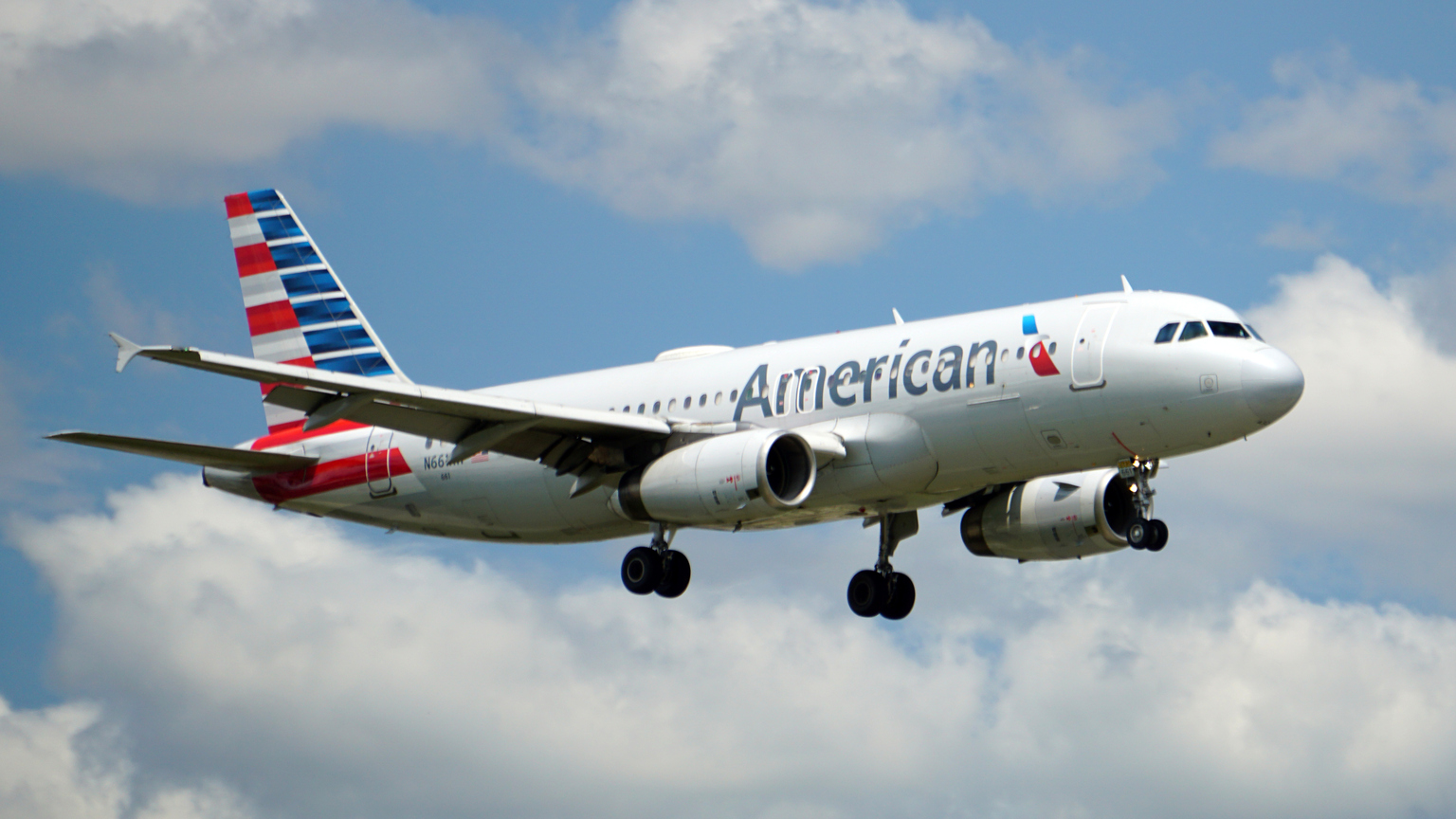
American Airlines Suspends Routes Due to Soaring Fuel Costs
- Route Suspension: American Airlines is suspending six domestic routes, including four nonstop flights from Los Angeles, due to a 50% spike in jet fuel prices, impacting approximately 1.4 million passengers, particularly on the Los Angeles to Washington Dulles route.
- Rising Fuel Costs: Jet fuel prices at Los Angeles International Airport have surged to $15 per gallon, contributing to an 11% increase in average fuel costs for American Airlines last quarter, with Q2 adjusted earnings forecasted to be affected by over $4 billion in fuel-related expenses.
- Industry-Wide Impact: Other carriers, including United Airlines, Air Canada, and Norse Atlantic Airways, are also cutting California routes due to rising fuel costs, indicating widespread cost pressures across the airline industry that may lead to reduced service availability.
- Stock Price Volatility: American Airlines shares fell another 2.4% on Wednesday, extending a five-day losing streak, reflecting the negative impact of rising oil prices on airline stocks and raising concerns about the profitability of the airline sector.
See More

Berkshire's New Investment Strategy Post-Buffett Retirement


- Investment Strategy Shift: Berkshire Hathaway's latest 13F filing reveals a complete exit from positions in Visa, Mastercard, UnitedHealth Group, and Amazon, indicating a significant shift in its investment strategy.
- Delta Airlines Stake: The company added over 39.8 million shares of Delta Air Lines, valued at over $3.28 billion and representing about 1% of its stock portfolio, a surprising move especially under the new management following Buffett's retirement.
- Historical Lessons in Aviation: Despite Delta's 70% stock price increase over the past 12 months, Berkshire's historical performance in the airline sector has been poor, having suffered significant losses during the pandemic, highlighting a different risk assessment approach by the new management.
- Value Investment Outlook: Investing in Delta while its shares traded below 10 times earnings, which is cheaper than both American Airlines and United Airlines, reflects Berkshire's confidence in the airline industry's recovery and its view of Delta as a premium option with pricing power.
See More

Berkshire Hathaway Reduces Portfolio, Reenters Airline Industry
- Portfolio Adjustment: Berkshire Hathaway's latest 13F filing reveals a significant portfolio reduction, completely exiting positions in Visa, Mastercard, UnitedHealth Group, and Amazon, indicating a responsive strategy to market dynamics.
- Reentry into Airlines: The company purchased over 39.8 million shares of Delta Air Lines for more than $3.28 billion, marking its first return to the airline industry since the COVID-19 pandemic, reflecting new management's confidence in the sector's recovery.
- Market Performance Insight: Delta's stock has surged 70% over the past 12 months, and Berkshire's investment occurred when its price-to-earnings ratio was below 10, showcasing a strategic value investment approach that could yield long-term gains.
- Impact of Management Change: With Warren Buffett's retirement, new CEO Greg Abel is implementing fresh investment strategies, and Berkshire's investment in Delta not only bets on the stability of the airline industry but also signifies trust in Delta as a premium airline, highlighting a shift in corporate strategy.
See More

AI Momentum Drives Wall Street to New Heights


- Market Milestones: The S&P 500 reached another record close as traders absorbed tech headlines from the Computex conference in Taipei, reflecting strong investor confidence in the AI sector and signaling a potential influx of capital into major tech firms.
- Nvidia's Influence: CEO Jensen Huang's announcement of new PC processors developed with Microsoft at the conference led to a 32% surge in Marvell's stock, highlighting Huang's market influence and the potential for guiding future tech investments.
- Geopolitical Risks: Despite ongoing optimism in the AI space, geopolitical tensions, particularly the unresolved conflict between the U.S. and Iran, pose a risk to market sentiment, necessitating vigilance among investors.
- Oil Price Fluctuations: West Texas Intermediate futures rose over 1% to $94.81 per barrel due to potential disruptions in the Strait of Hormuz, indicating market sensitivity to geopolitical risks that could impact future energy investment strategies.
See More
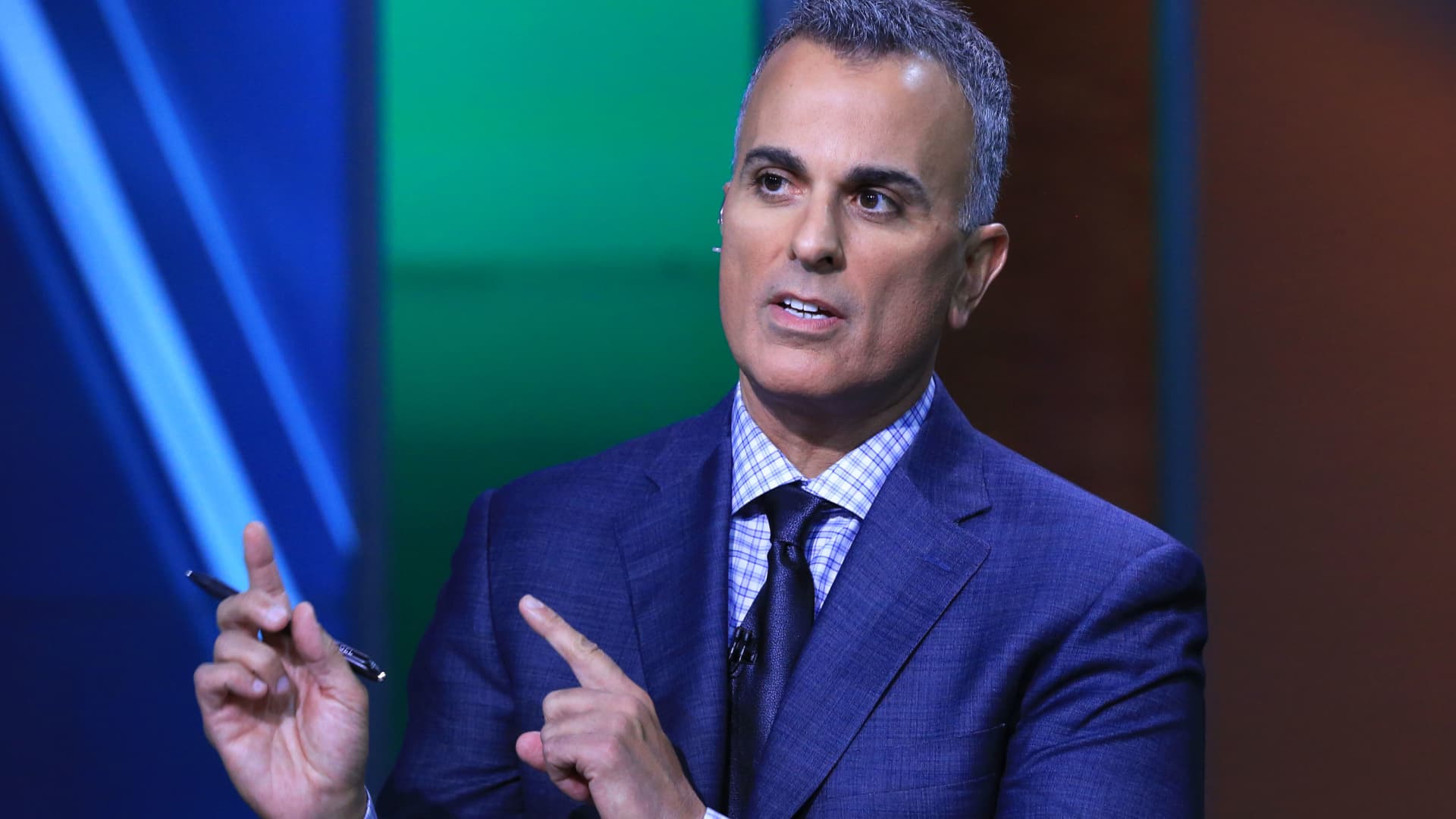
Investors Favor Twilio and Generac Amid AI Surge


- AI Investment Opportunities: Joe Terranova highlighted on CNBC that both Twilio and Generac are showing strong growth potential amid the AI surge, with Twilio's stock up about 60% year-to-date and Generac's stock having more than doubled, indicating robust fundamentals and market momentum.
- Technical Analysis Support: Terranova also mentioned Starbucks' technical performance, noting that while its stock has risen nearly 14% year-to-date, it has dropped almost 10% in the past month, currently finding support near the 200-day moving average, which may present a buying opportunity for investors.
- Retail Stock Performance: Investor Brian Belski recently purchased Dick's Sporting Goods and Academy Sports, with the former performing well due to its integration with Foot Locker; however, both stocks have underperformed the S&P 500 year-to-date, with Dick's stock up nearly 9%.
- Travel and Energy Investments: Belski also invested in American Airlines and Hyatt Hotels, the latter being a standout performer in the hotel sector and considered under-owned by institutions, while he pointed out Eversource Energy as an AI-related investment opportunity offering nearly a 5% dividend yield.
See More

U.S. Mid-Cap Stocks Valuation Grades Highlighted

- Attractive Ratings: American Airlines Group (AAL), Conagra Brands (CAG), and Blue Owl Capital Corporation (OBDC) are highlighted as the most attractively valued mid-cap stocks, each receiving an A+ valuation grade, indicating their superiority relative to peers.
- Valuation Metrics: The ratings are based on various valuation metrics, including P/E, PEG, price to sales, and price to cash flow, using both current and forward estimates, reflecting the relative value of these stocks within their sectors.
- Market Performance: These mid-cap stocks have market capitalizations ranging from $2 billion to $10 billion, indicating their stability and growth potential in the market, which has drawn investor interest.
- Investment Opportunities: As market attention on these stocks increases, investors may consider adding these high-rated stocks to their portfolios to potentially achieve better returns.
See More
American Airlines Suspends Routes Due to Soaring Fuel Costs
- Route Suspension: American Airlines is suspending six domestic routes, including four nonstop flights from Los Angeles, due to a 50% spike in jet fuel prices, impacting approximately 1.4 million passengers, particularly on the Los Angeles to Washington Dulles route.
- Rising Fuel Costs: Jet fuel prices at Los Angeles International Airport have surged to $15 per gallon, contributing to an 11% increase in average fuel costs for American Airlines last quarter, with Q2 adjusted earnings forecasted to be affected by over $4 billion in fuel-related expenses.
- Industry-Wide Impact: Other carriers, including United Airlines, Air Canada, and Norse Atlantic Airways, are also cutting California routes due to rising fuel costs, indicating widespread cost pressures across the airline industry that may lead to reduced service availability.
- Stock Price Volatility: American Airlines shares fell another 2.4% on Wednesday, extending a five-day losing streak, reflecting the negative impact of rising oil prices on airline stocks and raising concerns about the profitability of the airline sector.
See More
Berkshire's New Investment Strategy Post-Buffett Retirement
- Investment Strategy Shift: Berkshire Hathaway's latest 13F filing reveals a complete exit from positions in Visa, Mastercard, UnitedHealth Group, and Amazon, indicating a significant shift in its investment strategy.
- Delta Airlines Stake: The company added over 39.8 million shares of Delta Air Lines, valued at over $3.28 billion and representing about 1% of its stock portfolio, a surprising move especially under the new management following Buffett's retirement.
- Historical Lessons in Aviation: Despite Delta's 70% stock price increase over the past 12 months, Berkshire's historical performance in the airline sector has been poor, having suffered significant losses during the pandemic, highlighting a different risk assessment approach by the new management.
- Value Investment Outlook: Investing in Delta while its shares traded below 10 times earnings, which is cheaper than both American Airlines and United Airlines, reflects Berkshire's confidence in the airline industry's recovery and its view of Delta as a premium option with pricing power.
See More
Berkshire Hathaway Reduces Portfolio, Reenters Airline Industry
- Portfolio Adjustment: Berkshire Hathaway's latest 13F filing reveals a significant portfolio reduction, completely exiting positions in Visa, Mastercard, UnitedHealth Group, and Amazon, indicating a responsive strategy to market dynamics.
- Reentry into Airlines: The company purchased over 39.8 million shares of Delta Air Lines for more than $3.28 billion, marking its first return to the airline industry since the COVID-19 pandemic, reflecting new management's confidence in the sector's recovery.
- Market Performance Insight: Delta's stock has surged 70% over the past 12 months, and Berkshire's investment occurred when its price-to-earnings ratio was below 10, showcasing a strategic value investment approach that could yield long-term gains.
- Impact of Management Change: With Warren Buffett's retirement, new CEO Greg Abel is implementing fresh investment strategies, and Berkshire's investment in Delta not only bets on the stability of the airline industry but also signifies trust in Delta as a premium airline, highlighting a shift in corporate strategy.
See More
AI Momentum Drives Wall Street to New Heights
- Market Milestones: The S&P 500 reached another record close as traders absorbed tech headlines from the Computex conference in Taipei, reflecting strong investor confidence in the AI sector and signaling a potential influx of capital into major tech firms.
- Nvidia's Influence: CEO Jensen Huang's announcement of new PC processors developed with Microsoft at the conference led to a 32% surge in Marvell's stock, highlighting Huang's market influence and the potential for guiding future tech investments.
- Geopolitical Risks: Despite ongoing optimism in the AI space, geopolitical tensions, particularly the unresolved conflict between the U.S. and Iran, pose a risk to market sentiment, necessitating vigilance among investors.
- Oil Price Fluctuations: West Texas Intermediate futures rose over 1% to $94.81 per barrel due to potential disruptions in the Strait of Hormuz, indicating market sensitivity to geopolitical risks that could impact future energy investment strategies.
See More
Investors Favor Twilio and Generac Amid AI Surge
- AI Investment Opportunities: Joe Terranova highlighted on CNBC that both Twilio and Generac are showing strong growth potential amid the AI surge, with Twilio's stock up about 60% year-to-date and Generac's stock having more than doubled, indicating robust fundamentals and market momentum.
- Technical Analysis Support: Terranova also mentioned Starbucks' technical performance, noting that while its stock has risen nearly 14% year-to-date, it has dropped almost 10% in the past month, currently finding support near the 200-day moving average, which may present a buying opportunity for investors.
- Retail Stock Performance: Investor Brian Belski recently purchased Dick's Sporting Goods and Academy Sports, with the former performing well due to its integration with Foot Locker; however, both stocks have underperformed the S&P 500 year-to-date, with Dick's stock up nearly 9%.
- Travel and Energy Investments: Belski also invested in American Airlines and Hyatt Hotels, the latter being a standout performer in the hotel sector and considered under-owned by institutions, while he pointed out Eversource Energy as an AI-related investment opportunity offering nearly a 5% dividend yield.
See More
U.S. Mid-Cap Stocks Valuation Grades Highlighted
- Attractive Ratings: American Airlines Group (AAL), Conagra Brands (CAG), and Blue Owl Capital Corporation (OBDC) are highlighted as the most attractively valued mid-cap stocks, each receiving an A+ valuation grade, indicating their superiority relative to peers.
- Valuation Metrics: The ratings are based on various valuation metrics, including P/E, PEG, price to sales, and price to cash flow, using both current and forward estimates, reflecting the relative value of these stocks within their sectors.
- Market Performance: These mid-cap stocks have market capitalizations ranging from $2 billion to $10 billion, indicating their stability and growth potential in the market, which has drawn investor interest.
- Investment Opportunities: As market attention on these stocks increases, investors may consider adding these high-rated stocks to their portfolios to potentially achieve better returns.
See More