AMD's Chip Sales Surge, Nearly Sold Out of Server CPUs for 2026
Written by Emily J. Thompson, Senior Investment Analyst
Updated: Jan 22 2026
0mins
Should l Buy AMD?
Source: Yahoo Finance
- Optimistic Sales Outlook: Analysts expect AMD's sales and profits to exceed market expectations in Q4 2024, driven by robust demand for its Turin data center CPUs, potentially leading to further stock price increases.
- Supply-Demand Tightness: KeyBanc analysts highlight that AMD's server CPUs are nearly sold out for 2026, as cloud computing giants rush to secure chip supplies, which could lead AMD to raise prices by as much as 15%.
- AI Sales Growth: Bernstein analysts predict that sales of AMD's high-performance Epyc processors could surge by 30% in 2026, with AI-related sales expected to benefit from its partnership with OpenAI, showing results in the second half of the year.
- Market Competition Challenges: Despite the optimistic outlook, analysts express concerns about AMD's competitive ability against Nvidia in the high-end GPU market, with management's comments in the upcoming conference call potentially alleviating investor worries.
Trade with 70% Backtested Accuracy
Stop guessing "Should I Buy AMD?" and start using high-conviction signals backed by rigorous historical data.
Sign up today to access powerful investing tools and make smarter, data-driven decisions.
Analyst Views on AMD
Wall Street analysts forecast AMD stock price to fall
33 Analyst Rating
25 Buy
8 Hold
0 Sell
Strong Buy
Current: 420.990

Low
210.00
Averages
289.13
High
377.00
Current: 420.990
Low
210.00
Averages
289.13
High
377.00
About AMD
Advanced Micro Devices, Inc. is a global semiconductor company. The Company is focused on high-performance computing and artificial intelligence (AI). Its segments include Data Center, Client and Gaming, and Embedded. Data Center segment includes AI accelerators, microprocessors (CPUs) for servers, graphics processing units (GPUs), accelerated processing units (APUs), data processing units (DPUs), Field Programmable Gate Arrays (FPGAs), and Adaptive system-on-Chip (SoC) products for data centers. Client and Gaming segment includes CPUs, APUs, chipsets for desktops and notebooks, discrete GPUs, and semi-custom SoC products and development services. Embedded segment includes embedded CPUs, APUs, FPGAs, system on modules (SOMs), and Adaptive SoC products. It markets and sells its products under the AMD trademark. Its products include AMD EPYC, AMD Ryzen, AMD Ryzen PRO, Virtex UltraScale+, among others.
About the author

Emily J. Thompson
Emily J. Thompson, a Chartered Financial Analyst (CFA) with 12 years in investment research, graduated with honors from the Wharton School. Specializing in industrial and technology stocks, she provides in-depth analysis for Intellectia’s earnings and market brief reports.
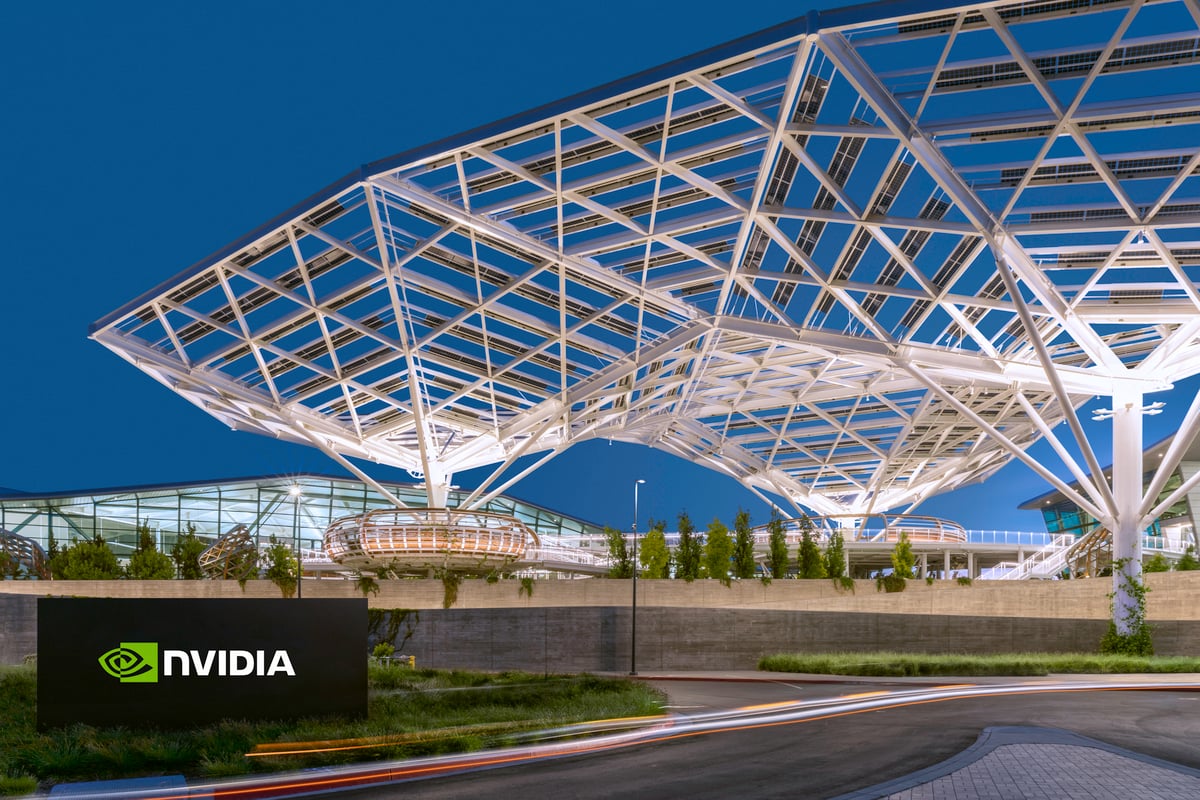
Nvidia's Path to a $6 Trillion Market Cap


- Significant Revenue Growth: Nvidia reported a remarkable 65% revenue growth in fiscal 2026, reaching $215.9 billion with a net income of $120.1 billion, underscoring its dominant position in the data center GPU market and its pivotal role in the AI revolution.
- Strong Market Performance: Although Nvidia is no longer the top-performing AI stock, its market cap remains at $5.34 trillion, significantly outperforming the S&P 500, indicating sustained competitiveness and investor confidence in the company.
- Optimistic Q1 Expectations: Analysts project Nvidia's Q1 revenue to grow by 79.6% to $79.1 billion, with adjusted earnings per share doubling from $0.81 to $1.77, reflecting robust demand for its chips and strong market sentiment.
- Future Growth Potential: Despite limited short-term stock price movements, Nvidia's forward P/E ratio of 27 suggests strong growth potential, with expectations of reaching a $6 trillion market cap in the future, further boosting investor optimism.
See More

Nvidia Expected to Report 79% Revenue Growth in Q1 Earnings
- Revenue Growth Expectations: Analysts anticipate Nvidia's Q1 revenue will grow by 79.6% to $79.1 billion, reflecting strong demand for its data center GPUs and underscoring the company's dominant position in the AI market.
- Margin Improvement: Nvidia expects gross margins to improve to 74.9%-75% in Q1, which not only indicates a trend of rising prices but also demonstrates the company's sustained profitability in a high-demand environment, further solidifying its competitive edge.
- Market Cap Potential: With a current market cap of $5.34 trillion, Nvidia could become the first company to surpass a $6 trillion valuation if its stock rises by 12% by Thursday, a milestone that would significantly boost investor confidence and potentially attract more capital inflows.
- Stable Market Performance: Although Nvidia's earnings reactions have been relatively modest over the past four quarters, the company maintains a strong track record of beating estimates, which is expected to continue driving stock price increases and reinforcing its leadership in the AI sector.
See More
Nvidia's Short Position Hits $62.5 Billion Ahead of Earnings

- Short Position Scale: According to S3 Partners, Nvidia's short position has reached $62.5 billion, making it the largest short position in the S&P 500, indicating significant market attention on its future performance.
- Analyst Optimism: HSBC raised Nvidia's price target from $295 to $325, anticipating the company will continue to deliver a 'beat and raise' quarter, reflecting strong confidence among analysts regarding its future earnings.
- Strong Earnings Expectations: Nvidia is expected to report Q1 revenue of approximately $79.12 billion, a 16% increase from the previous quarter, with projected EPS rising to $1.77, showcasing the company's robust growth potential in the AI sector.
- Intensifying Market Competition: As AI demand shifts, Nvidia faces increasing competition from rivals like AMD and Intel, particularly in the agentic AI market, prompting investors to closely monitor its ability to maintain market dominance.
See More

Nvidia Earnings Could Trigger $350 Billion Market Swing

- Earnings Anticipation: Nvidia's upcoming Q1 earnings report is expected to trigger a market swing of up to $350 billion, with analysts optimistic about its performance amid the global AI frenzy, yet the key question remains whether it can maintain its dominant position.
- Intensifying Competition: With traditional rivals like Intel, AMD, and Google-parent Alphabet emerging in the inference chip space, Nvidia faces increasing competition that could impact its future market share and profitability.
- Market Environment: The current market is under pressure from inflation concerns, with global equities declining, particularly as the Iran conflict drives up oil prices, exacerbating fears of rising global interest rates and pushing bond yields to multi-year highs.
- Policy Dynamics: Bank of England Governor Andrew Bailey will address the Treasury Committee regarding last month's rate cut decision and the impact of the Iran war, while the U.S. Federal Reserve is set to release minutes from its April meeting, with markets keenly watching for guidance on future monetary policy.
See More
Intel's Manufacturing Yields Show Significant Improvement

- Yield Improvement: Intel CEO Lip-Bu Tan highlighted that the company's chip manufacturing yields are improving significantly, with a monthly yield increase of 7% to 8%, which will directly enhance its market competitiveness and boost investor confidence.
- Vertical Integration Advantage: Unlike competitors that rely on external foundries, Intel's vertically integrated model allows it to manufacture most of its chips, providing greater flexibility and control amid current supply chain uncertainties.
- Policy Support Benefits: U.S. government incentives, such as tax breaks for domestic chip manufacturing, align well with Intel's expansion strategy, likely attracting more chip designers to utilize its foundry services and increasing its market share.
- Technological Catch-Up: Tan mentioned that Intel's next-generation 14A process is expected to rival TSMC's advanced technology, marking a significant breakthrough that could further solidify Intel's position in the semiconductor industry and potentially alter the market landscape.
See More

Analysis of Winners in Data Center Market
- Market Winners: As of the afternoon prices on May 17, 2026, two companies have emerged as significant players in the data center market, indicating strong market demand and growth potential.
- Stock Performance: The stock prices of these companies rose by May 17, 2026, reflecting investor optimism regarding the future of the data center industry, which may attract further investments.
- Industry Trends: The data center market is rapidly expanding due to increasing demand for cloud computing and big data, providing substantial growth opportunities for related businesses.
- Future Outlook: The data center market is expected to continue benefiting from technological advancements and corporate digital transformation in the coming years, further enhancing the competitiveness of market participants.
See More
Nvidia's Path to a $6 Trillion Market Cap
- Significant Revenue Growth: Nvidia reported a remarkable 65% revenue growth in fiscal 2026, reaching $215.9 billion with a net income of $120.1 billion, underscoring its dominant position in the data center GPU market and its pivotal role in the AI revolution.
- Strong Market Performance: Although Nvidia is no longer the top-performing AI stock, its market cap remains at $5.34 trillion, significantly outperforming the S&P 500, indicating sustained competitiveness and investor confidence in the company.
- Optimistic Q1 Expectations: Analysts project Nvidia's Q1 revenue to grow by 79.6% to $79.1 billion, with adjusted earnings per share doubling from $0.81 to $1.77, reflecting robust demand for its chips and strong market sentiment.
- Future Growth Potential: Despite limited short-term stock price movements, Nvidia's forward P/E ratio of 27 suggests strong growth potential, with expectations of reaching a $6 trillion market cap in the future, further boosting investor optimism.
See More
Nvidia Expected to Report 79% Revenue Growth in Q1 Earnings
- Revenue Growth Expectations: Analysts anticipate Nvidia's Q1 revenue will grow by 79.6% to $79.1 billion, reflecting strong demand for its data center GPUs and underscoring the company's dominant position in the AI market.
- Margin Improvement: Nvidia expects gross margins to improve to 74.9%-75% in Q1, which not only indicates a trend of rising prices but also demonstrates the company's sustained profitability in a high-demand environment, further solidifying its competitive edge.
- Market Cap Potential: With a current market cap of $5.34 trillion, Nvidia could become the first company to surpass a $6 trillion valuation if its stock rises by 12% by Thursday, a milestone that would significantly boost investor confidence and potentially attract more capital inflows.
- Stable Market Performance: Although Nvidia's earnings reactions have been relatively modest over the past four quarters, the company maintains a strong track record of beating estimates, which is expected to continue driving stock price increases and reinforcing its leadership in the AI sector.
See More
Nvidia's Short Position Hits $62.5 Billion Ahead of Earnings
- Short Position Scale: According to S3 Partners, Nvidia's short position has reached $62.5 billion, making it the largest short position in the S&P 500, indicating significant market attention on its future performance.
- Analyst Optimism: HSBC raised Nvidia's price target from $295 to $325, anticipating the company will continue to deliver a 'beat and raise' quarter, reflecting strong confidence among analysts regarding its future earnings.
- Strong Earnings Expectations: Nvidia is expected to report Q1 revenue of approximately $79.12 billion, a 16% increase from the previous quarter, with projected EPS rising to $1.77, showcasing the company's robust growth potential in the AI sector.
- Intensifying Market Competition: As AI demand shifts, Nvidia faces increasing competition from rivals like AMD and Intel, particularly in the agentic AI market, prompting investors to closely monitor its ability to maintain market dominance.
See More
Nvidia Earnings Could Trigger $350 Billion Market Swing
- Earnings Anticipation: Nvidia's upcoming Q1 earnings report is expected to trigger a market swing of up to $350 billion, with analysts optimistic about its performance amid the global AI frenzy, yet the key question remains whether it can maintain its dominant position.
- Intensifying Competition: With traditional rivals like Intel, AMD, and Google-parent Alphabet emerging in the inference chip space, Nvidia faces increasing competition that could impact its future market share and profitability.
- Market Environment: The current market is under pressure from inflation concerns, with global equities declining, particularly as the Iran conflict drives up oil prices, exacerbating fears of rising global interest rates and pushing bond yields to multi-year highs.
- Policy Dynamics: Bank of England Governor Andrew Bailey will address the Treasury Committee regarding last month's rate cut decision and the impact of the Iran war, while the U.S. Federal Reserve is set to release minutes from its April meeting, with markets keenly watching for guidance on future monetary policy.
See More
Intel's Manufacturing Yields Show Significant Improvement
- Yield Improvement: Intel CEO Lip-Bu Tan highlighted that the company's chip manufacturing yields are improving significantly, with a monthly yield increase of 7% to 8%, which will directly enhance its market competitiveness and boost investor confidence.
- Vertical Integration Advantage: Unlike competitors that rely on external foundries, Intel's vertically integrated model allows it to manufacture most of its chips, providing greater flexibility and control amid current supply chain uncertainties.
- Policy Support Benefits: U.S. government incentives, such as tax breaks for domestic chip manufacturing, align well with Intel's expansion strategy, likely attracting more chip designers to utilize its foundry services and increasing its market share.
- Technological Catch-Up: Tan mentioned that Intel's next-generation 14A process is expected to rival TSMC's advanced technology, marking a significant breakthrough that could further solidify Intel's position in the semiconductor industry and potentially alter the market landscape.
See More
Analysis of Winners in Data Center Market
- Market Winners: As of the afternoon prices on May 17, 2026, two companies have emerged as significant players in the data center market, indicating strong market demand and growth potential.
- Stock Performance: The stock prices of these companies rose by May 17, 2026, reflecting investor optimism regarding the future of the data center industry, which may attract further investments.
- Industry Trends: The data center market is rapidly expanding due to increasing demand for cloud computing and big data, providing substantial growth opportunities for related businesses.
- Future Outlook: The data center market is expected to continue benefiting from technological advancements and corporate digital transformation in the coming years, further enhancing the competitiveness of market participants.
See More