Amazon Revives Smartphone Project After Fire Phone Failure
Written by Emily J. Thompson, Senior Investment Analyst
Updated: Mar 20 2026
0mins
Source: seekingalpha
- New Smartphone Development: Amazon is internally developing a new smartphone called “Transformer” within its devices and services unit, aiming to compete with Apple and Samsung, although the specific timeline remains unclear.
- Personalization Features: The phone is seen as a potential mobile personalization device that can sync with the home voice assistant Alexa, thereby providing convenience to Amazon customers throughout their daily lives and enhancing user engagement.
- Market Implications: While Amazon has not disclosed the financial commitment or expected revenue for the project, the revival of its smartphone initiative indicates the company's ongoing interest in the mobile market, which could impact its overall market strategy.
- Learning from History: Amazon's previous attempt with the Fire Phone in 2014 was quickly scrapped due to poor market reception, and this new endeavor may leverage lessons learned to avoid repeating past mistakes.
Trade with 70% Backtested Accuracy
Stop guessing "Should I Buy AMZN?" and start using high-conviction signals backed by rigorous historical data.
Sign up today to access powerful investing tools and make smarter, data-driven decisions.
Analyst Views on AMZN
Wall Street analysts forecast AMZN stock price to rise
44 Analyst Rating
41 Buy
3 Hold
0 Sell
Strong Buy
Current: 256.520

Low
175.00
Averages
280.01
High
325.00
Current: 256.520
Low
175.00
Averages
280.01
High
325.00
About AMZN
Amazon.com, Inc. provides a range of products and services to customers. The products offered through its stores include merchandise and content it has purchased for resale and products offered by third-party sellers. The Company’s segments include North America, International and Amazon Web Services (AWS). It serves consumers through its online and physical stores and focuses on selection, price, and convenience. Customers access its offerings through its websites, mobile apps, Alexa, devices, streaming, and physically visiting its stores. It also manufactures and sells electronic devices, including Kindle, Fire tablet, Fire TV, Echo, Ring, Blink, and eero, and develops and produces media content. It serves developers and enterprises of all sizes, including start-ups, government agencies, and academic institutions, through AWS, which offers a set of on-demand technology services, including compute, storage, database, analytics, and machine learning, and other services.
About the author

Emily J. Thompson
Emily J. Thompson, a Chartered Financial Analyst (CFA) with 12 years in investment research, graduated with honors from the Wharton School. Specializing in industrial and technology stocks, she provides in-depth analysis for Intellectia’s earnings and market brief reports.

Amazon Launches Prime Service in South Africa

- Service Launch: Amazon has officially launched its paid Prime service in South Africa, priced at 59 South African rand (approximately $3.61) per month or 399 rand annually, aimed at enhancing the shopping experience for local users.
- Delivery Speed Improvement: The new service will offer faster delivery options, which is expected to significantly improve shopping convenience for South African consumers, thereby strengthening Amazon's competitive position in the market.
- Content Richness: Prime members will enjoy a wealth of media content, including video and music streaming services, which will attract more users and enhance customer loyalty.
- Market Expansion Strategy: This launch marks Amazon's further expansion into the African market, indicating the company's commitment to emerging markets and contributing to its global business growth strategy.
See More

Amazon and Google Cloud Show Strong Growth


- AWS Growth Acceleration: Amazon Web Services (AWS) reported a 28% year-over-year revenue increase to $37.6 billion in Q1 2026, marking its fastest growth in over three years, which is expected to enhance the company's overall profitability.
- Strong Advertising Performance: Amazon's advertising segment grew 24% to over $17 billion in the same quarter, becoming a crucial high-margin business that provides substantial funding for its future AI infrastructure development.
- Rapid Expansion of Google Cloud: Google Cloud's revenue surged 63% year-over-year to $20 billion in Q1 2026, reflecting strong demand for enterprise AI solutions, which is likely to further solidify its market leadership.
- Capital Expenditure Plans: Both Amazon and Google are planning significant increases in capital expenditures for 2026, with Amazon guiding around $200 billion and Google between $180 billion and $190 billion, which will lay the groundwork for future technological innovations and market expansion.
See More
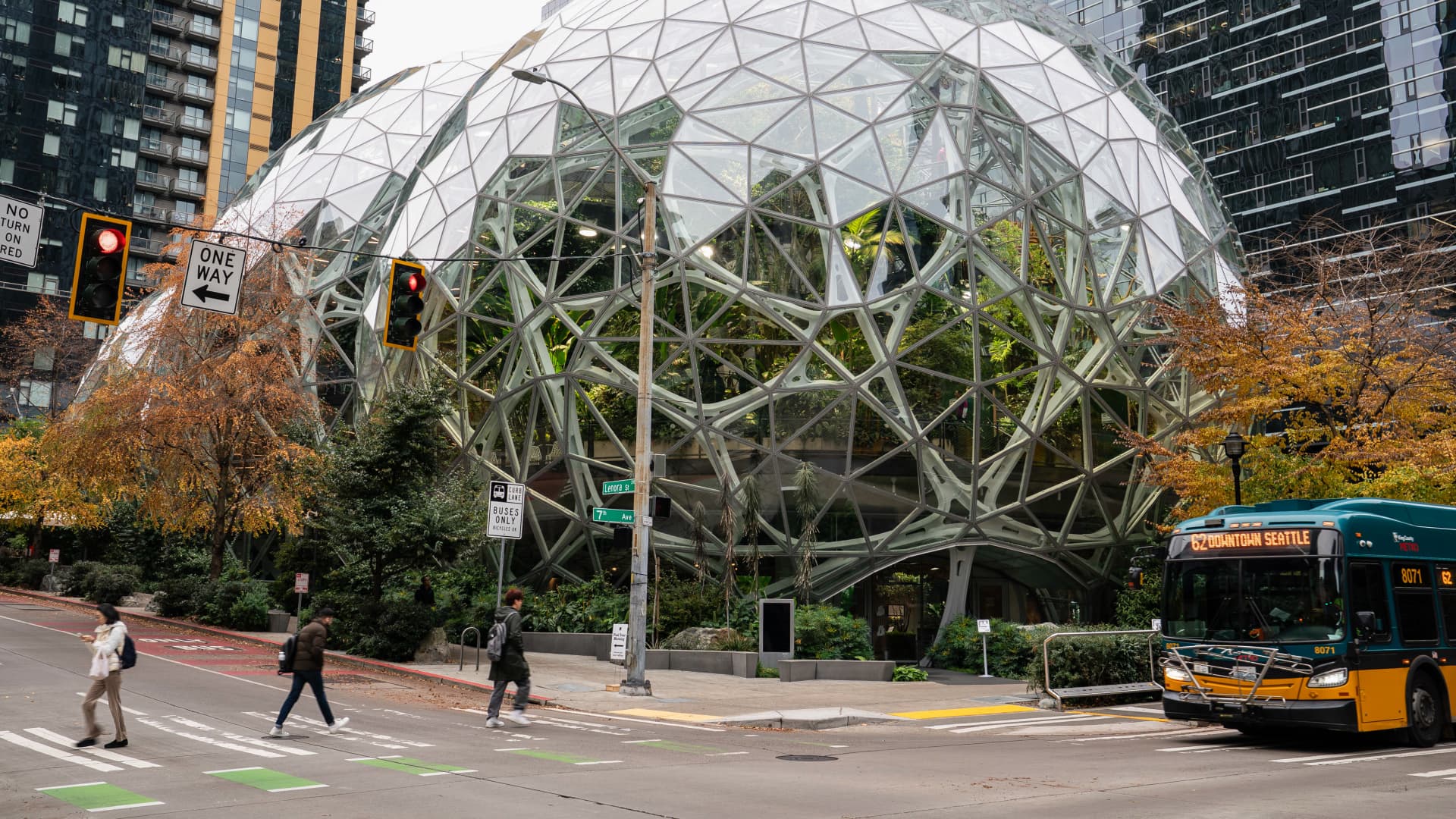
Amazon Backs Seattle's AI Data Center Regulations Amid Layoffs
- Capital Expenditure vs. Layoffs: Amazon plans to spend $200 billion in 2025 primarily on data centers and AI infrastructure, while simultaneously laying off 30,000 employees over the past eight months, highlighting a conflict between expansion and cost control.
- Regulatory Measures: The Seattle City Council approved a one-year moratorium on large AI data center construction to allow time for regulation, reflecting local government concerns over the rapid growth of AI data centers.
- Industry Response: Amazon engineers urged the council to require data center developers to commit to renewable energy and to stop using non-disclosure agreements when announcing new projects, indicating employee concerns about the company's environmental policies and social responsibilities.
- Industry Trends: Despite layoffs, Amazon and other tech giants like Microsoft and Alphabet are committing approximately $700 billion in 2025 for AI infrastructure, demonstrating the industry's ongoing pursuit of AI technology.
See More

Amazon's Layoffs Contradict Massive AI Investment Plans

- Layoffs vs. Investment: Amazon has laid off over 30,000 employees in the past eight months while planning to invest $200 billion in AI infrastructure this year, highlighting a stark contradiction that has sparked strong discontent among engineers regarding the company's priorities between cost-cutting and technological expansion.
- Data Center Regulation Proposal: The Seattle City Council unanimously approved a one-year moratorium on new large-scale AI data center developments, allowing time for the city to formulate regulatory policies in response to public outcry, indicating local governments' vigilance against the unchecked expansion of tech giants.
- Industry Trends and Opposition: As 14 states consider legislation to pause or ban new data centers, tech giants like Amazon, Microsoft, and Google are committing nearly $700 billion to AI infrastructure, yet growing community opposition reflects the tension between industry growth and social responsibility.
- Renewable Energy Advocacy: Amazon engineers urged data center developers to commit to renewable energy usage and proposed a new tax to fund city jobs during large layoffs, showcasing employees' concerns about corporate social responsibility and their expectations for sustainable practices.
See More

US Stocks Hit Record Highs Amid Rising Inflation Concerns

- Market Performance: As of June 2, the S&P 500 closed above 7,600 for the first time, marking its 24th record high of 2026, with an 11% year-to-date increase indicating a strong market recovery.
- Inflation Pressure: The personal consumption expenditures (PCE) price index rose 3.8% year-over-year in April, the highest in nearly three years, with core inflation at 3.3%, potentially prompting the Federal Reserve to raise interest rates and impacting market funding costs.
- Surge in Corporate Debt: Amazon, Alphabet, Meta, Microsoft, and Oracle issued approximately $121 billion in corporate bonds in 2025, significantly exceeding their average over the past five years, reflecting the urgent need for financing AI development.
- Investment Strategy Adjustment: Given the elevated market valuations and rising inflation risks, investors are advised to adopt a dollar-cost averaging strategy to mitigate the risk of investing at market peaks while viewing pullbacks as opportunities to increase holdings.
See More
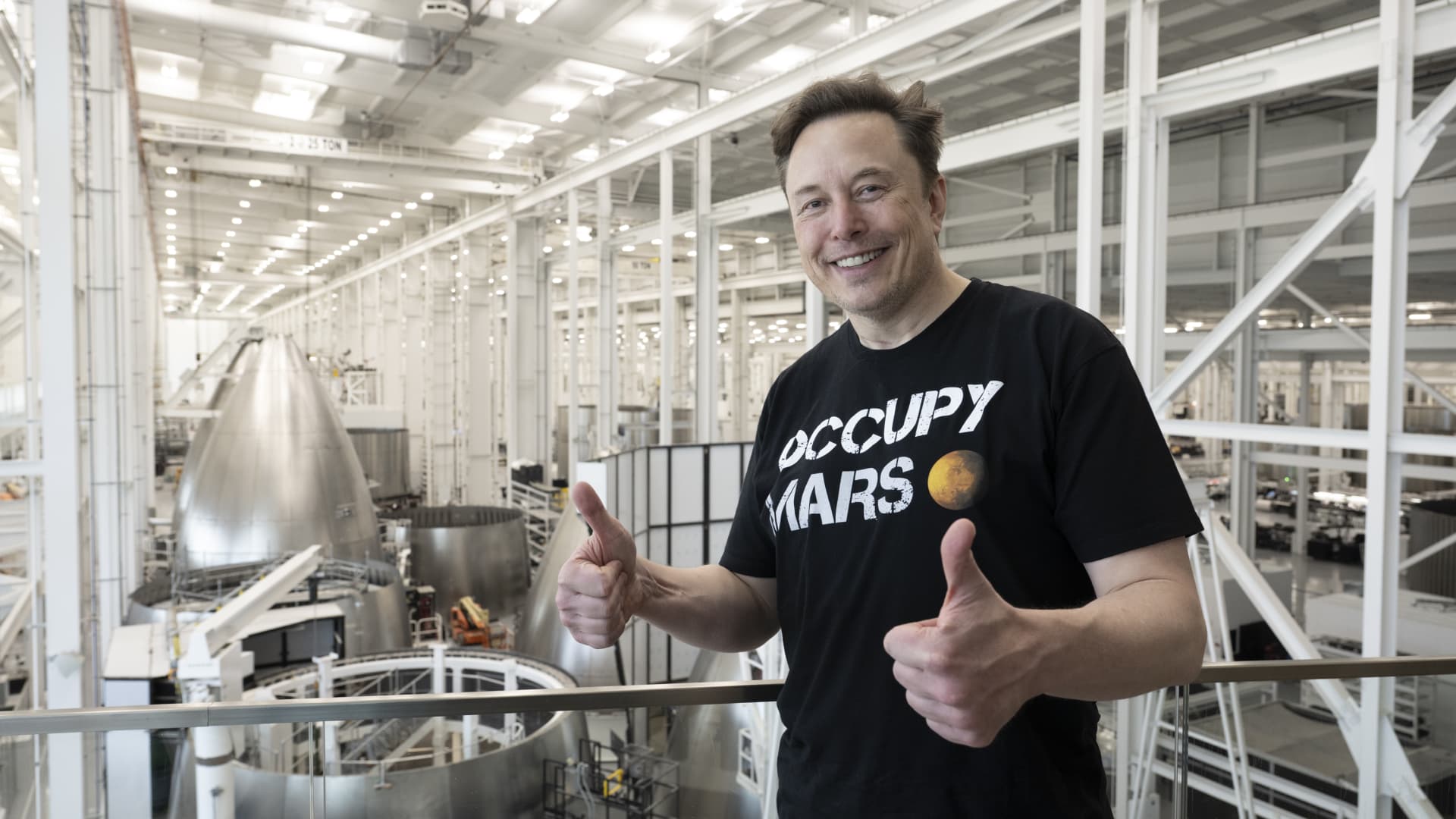
Musk Approaches Trillionaire Status with SpaceX IPO

- SpaceX IPO Valuation: SpaceX plans to price its upcoming IPO at $135 per share, leading to an expected valuation of approximately $1.77 trillion, which will elevate Musk's stake value to $866.5 billion, further solidifying his status as the world's richest person.
- Musk's Voting Control: According to the latest prospectus, Musk will hold over 82% voting control post-IPO, ensuring significant influence over the company while providing economic incentives for its success.
- Wealth Growth: Musk's net worth has steadily increased, currently estimated at $826 billion, far surpassing Google co-founder Larry Page's $300 billion, highlighting his dominance in the tech industry.
- Future Merger Speculation: Investors speculate that Musk may plan to merge SpaceX and Tesla to consolidate AI resources and streamline future capital raises, a strategy that could further enhance the market value of both companies.
See More
Amazon Launches Prime Service in South Africa
- Service Launch: Amazon has officially launched its paid Prime service in South Africa, priced at 59 South African rand (approximately $3.61) per month or 399 rand annually, aimed at enhancing the shopping experience for local users.
- Delivery Speed Improvement: The new service will offer faster delivery options, which is expected to significantly improve shopping convenience for South African consumers, thereby strengthening Amazon's competitive position in the market.
- Content Richness: Prime members will enjoy a wealth of media content, including video and music streaming services, which will attract more users and enhance customer loyalty.
- Market Expansion Strategy: This launch marks Amazon's further expansion into the African market, indicating the company's commitment to emerging markets and contributing to its global business growth strategy.
See More
Amazon and Google Cloud Show Strong Growth
- AWS Growth Acceleration: Amazon Web Services (AWS) reported a 28% year-over-year revenue increase to $37.6 billion in Q1 2026, marking its fastest growth in over three years, which is expected to enhance the company's overall profitability.
- Strong Advertising Performance: Amazon's advertising segment grew 24% to over $17 billion in the same quarter, becoming a crucial high-margin business that provides substantial funding for its future AI infrastructure development.
- Rapid Expansion of Google Cloud: Google Cloud's revenue surged 63% year-over-year to $20 billion in Q1 2026, reflecting strong demand for enterprise AI solutions, which is likely to further solidify its market leadership.
- Capital Expenditure Plans: Both Amazon and Google are planning significant increases in capital expenditures for 2026, with Amazon guiding around $200 billion and Google between $180 billion and $190 billion, which will lay the groundwork for future technological innovations and market expansion.
See More
Amazon Backs Seattle's AI Data Center Regulations Amid Layoffs
- Capital Expenditure vs. Layoffs: Amazon plans to spend $200 billion in 2025 primarily on data centers and AI infrastructure, while simultaneously laying off 30,000 employees over the past eight months, highlighting a conflict between expansion and cost control.
- Regulatory Measures: The Seattle City Council approved a one-year moratorium on large AI data center construction to allow time for regulation, reflecting local government concerns over the rapid growth of AI data centers.
- Industry Response: Amazon engineers urged the council to require data center developers to commit to renewable energy and to stop using non-disclosure agreements when announcing new projects, indicating employee concerns about the company's environmental policies and social responsibilities.
- Industry Trends: Despite layoffs, Amazon and other tech giants like Microsoft and Alphabet are committing approximately $700 billion in 2025 for AI infrastructure, demonstrating the industry's ongoing pursuit of AI technology.
See More
Amazon's Layoffs Contradict Massive AI Investment Plans
- Layoffs vs. Investment: Amazon has laid off over 30,000 employees in the past eight months while planning to invest $200 billion in AI infrastructure this year, highlighting a stark contradiction that has sparked strong discontent among engineers regarding the company's priorities between cost-cutting and technological expansion.
- Data Center Regulation Proposal: The Seattle City Council unanimously approved a one-year moratorium on new large-scale AI data center developments, allowing time for the city to formulate regulatory policies in response to public outcry, indicating local governments' vigilance against the unchecked expansion of tech giants.
- Industry Trends and Opposition: As 14 states consider legislation to pause or ban new data centers, tech giants like Amazon, Microsoft, and Google are committing nearly $700 billion to AI infrastructure, yet growing community opposition reflects the tension between industry growth and social responsibility.
- Renewable Energy Advocacy: Amazon engineers urged data center developers to commit to renewable energy usage and proposed a new tax to fund city jobs during large layoffs, showcasing employees' concerns about corporate social responsibility and their expectations for sustainable practices.
See More
US Stocks Hit Record Highs Amid Rising Inflation Concerns
- Market Performance: As of June 2, the S&P 500 closed above 7,600 for the first time, marking its 24th record high of 2026, with an 11% year-to-date increase indicating a strong market recovery.
- Inflation Pressure: The personal consumption expenditures (PCE) price index rose 3.8% year-over-year in April, the highest in nearly three years, with core inflation at 3.3%, potentially prompting the Federal Reserve to raise interest rates and impacting market funding costs.
- Surge in Corporate Debt: Amazon, Alphabet, Meta, Microsoft, and Oracle issued approximately $121 billion in corporate bonds in 2025, significantly exceeding their average over the past five years, reflecting the urgent need for financing AI development.
- Investment Strategy Adjustment: Given the elevated market valuations and rising inflation risks, investors are advised to adopt a dollar-cost averaging strategy to mitigate the risk of investing at market peaks while viewing pullbacks as opportunities to increase holdings.
See More
Musk Approaches Trillionaire Status with SpaceX IPO
- SpaceX IPO Valuation: SpaceX plans to price its upcoming IPO at $135 per share, leading to an expected valuation of approximately $1.77 trillion, which will elevate Musk's stake value to $866.5 billion, further solidifying his status as the world's richest person.
- Musk's Voting Control: According to the latest prospectus, Musk will hold over 82% voting control post-IPO, ensuring significant influence over the company while providing economic incentives for its success.
- Wealth Growth: Musk's net worth has steadily increased, currently estimated at $826 billion, far surpassing Google co-founder Larry Page's $300 billion, highlighting his dominance in the tech industry.
- Future Merger Speculation: Investors speculate that Musk may plan to merge SpaceX and Tesla to consolidate AI resources and streamline future capital raises, a strategy that could further enhance the market value of both companies.
See More