Amazon May Sell AI Processor Chips, Competing with Nvidia
Written by Emily J. Thompson, Senior Investment Analyst
Updated: 3 days ago
0mins
Should l Buy ARM?
Source: NASDAQ.COM
- Amazon's AI Chip Sales Prospect: CEO Andy Jassy hinted at the possibility of selling Amazon's in-house developed AI processor chips to third parties in his recent shareholder letter, which could position Amazon against industry leader Nvidia, indicating a strategic expansion in the cloud computing sector, although this idea has yet to materialize.
- Arm Holdings Benefits: Amazon's Graviton processors are based on Arm architecture, and if Amazon sells its chips, Arm would earn licensing fees; analysts predict Arm's revenue could nearly double in the next three years and double again by 2030, highlighting its strong growth potential in the semiconductor industry.
- Rising Market Demand: As demand for power-efficient processors increases, Arm's technology is gaining traction among companies like Alphabet and Qualcomm, indicating a growing appetite for its intellectual property licenses, which may significantly boost its net income.
- Expansion into Manufacturing: Arm Holdings has confirmed its shift from solely licensing to manufacturing and selling chips directly, and while it may not yet compete head-to-head with Nvidia, its agreement with Meta demonstrates a strategic pivot and potential for future growth in the processor market.
Trade with 70% Backtested Accuracy
Stop guessing "Should I Buy ARM?" and start using high-conviction signals backed by rigorous historical data.
Sign up today to access powerful investing tools and make smarter, data-driven decisions.
Analyst Views on ARM
Wall Street analysts forecast ARM stock price to fall
24 Analyst Rating
19 Buy
4 Hold
1 Sell
Strong Buy
Current: 161.220

Low
120.00
Averages
160.58
High
201.00
Current: 161.220
Low
120.00
Averages
160.58
High
201.00
About ARM
Arm Holdings plc is a United Kingdom-based company. The Company is engaged in the design of central processing units (CPUs) and compute platforms for semiconductor chips. It develops and licenses CPU products and related technology. Its cloud and data center solutions include Arm AGI CPU and Arm Neoverse Compute Subsystems. The Arm Agentic Generalized Infrastructure (AGI) CPU is a production-ready system on a chip (SoC) for artificial intelligence (AI) data centers, delivering compute at scale. The Arm Neoverse Compute Subsystems (CSS) are pre-validated, performance-optimized compute platforms designed to accelerate infrastructure silicon development. The Company's primary markets include smartphone applications, processors and other chips used in mobile phones, consumer electronics, networking equipment, cloud and data center servers, automotive applications, Internet of Things (loT) and other embedded computing devices.
About the author

Emily J. Thompson
Emily J. Thompson, a Chartered Financial Analyst (CFA) with 12 years in investment research, graduated with honors from the Wharton School. Specializing in industrial and technology stocks, she provides in-depth analysis for Intellectia’s earnings and market brief reports.

Arm Holdings Unveils Bullish Outlook Amid AI Chip Demand

- New Chip Launch: Arm Holdings CEO Rene Haas recently unveiled the AGI CPU designed for AI inference, which is expected to drive significant growth for the company, particularly as demand for multi-step processing increases.
- Optimistic Sales Forecast: Haas projects that annual sales of the AGI CPU could exceed $15 billion by 2031, a figure that may be conservative, with total revenue potentially surpassing $25 billion in five years, a substantial increase from the $4.7 billion generated over the past 12 months.
- Market Valuation Analysis: Despite Arm's stock rising 34% this year, its current price-to-earnings ratio stands at around 200 times, with a forward P/E of 73, indicating high market expectations for future growth, which also suggests significant investment risks.
- Cautious Investment Advice: While Arm's new chip shows strong growth potential, analysts advise against buying the stock at its current high valuation, as the market appears more favorable towards other growth stocks, and Arm may face a pullback risk.
See More

US Stocks Show Mixed Movement Amid Optimism Over Middle East Peace Talks


- Market Performance: The S&P 500 Index rose by 0.36%, reaching a two-month high, while the Nasdaq 100 increased by 0.63%, marking a 2.5-month high, reflecting investor optimism surrounding potential peace talks in the Middle East.
- Economic Data: The April Empire Manufacturing Survey reported a rise of 11.2 in the general business conditions index to 11.0, surpassing expectations, indicating a robust manufacturing recovery; however, the April NAHB housing market index fell to 34, signaling weakness in the housing sector that could dampen investor confidence.
- Oil Price Fluctuations: WTI crude oil prices increased by over 1% due to the U.S. naval blockade in the Strait of Hormuz, which could exacerbate global oil and fuel shortages, impacting profitability in related sectors.
- Earnings Season: Q1 earnings for the S&P 500 are projected to grow by 12% year-over-year, but excluding the technology sector, growth is only expected to be around 3%, indicating a slowdown in overall earnings growth that may affect market sentiment.
See More

US Stocks Show Modest Gains Amid Optimism Over Middle East Peace Talks
- Market Performance: The S&P 500 index rose by 0.10% and the Nasdaq 100 by 0.15%, reflecting optimism surrounding potential peace talks in the Middle East, with the S&P 500 reaching a two-month high and the Nasdaq 100 a 2.5-month high.
- Supportive Economic Data: The April Empire manufacturing survey reported a rise of 11.2 in the general business conditions index to a five-month high of 11.0, surpassing expectations of 0.0, indicating a strong economic recovery that could further boost investor confidence.
- Impact of Rising Oil Prices: WTI crude oil prices increased by over 1% as the US implemented a naval blockade in the Strait of Hormuz, potentially exacerbating global oil and fuel shortages, which could affect market supply-demand dynamics and lead to stock volatility.
- Earnings Season Insights: Q1 earnings for the S&P 500 are projected to grow by 12% year-over-year, but excluding the technology sector, growth is only expected at 3%, indicating a lack of overall earnings momentum that may affect long-term investor confidence.
See More
Wayve Secures $60 Million Funding to Advance Autonomous Driving Technology


- Funding Update: British autonomous driving startup Wayve announced on Wednesday that it raised $60 million from Qualcomm, AMD, and Arm, marking a follow-on investment to its $1.2 billion funding round in February, highlighting its appeal and potential in the autonomous driving sector.
- Technological Edge: Wayve's technology aims to enable cars to drive autonomously without the need for high-definition maps or extensive training in specific areas, presenting a distinct approach compared to competitors like Waymo, which could accelerate its market penetration.
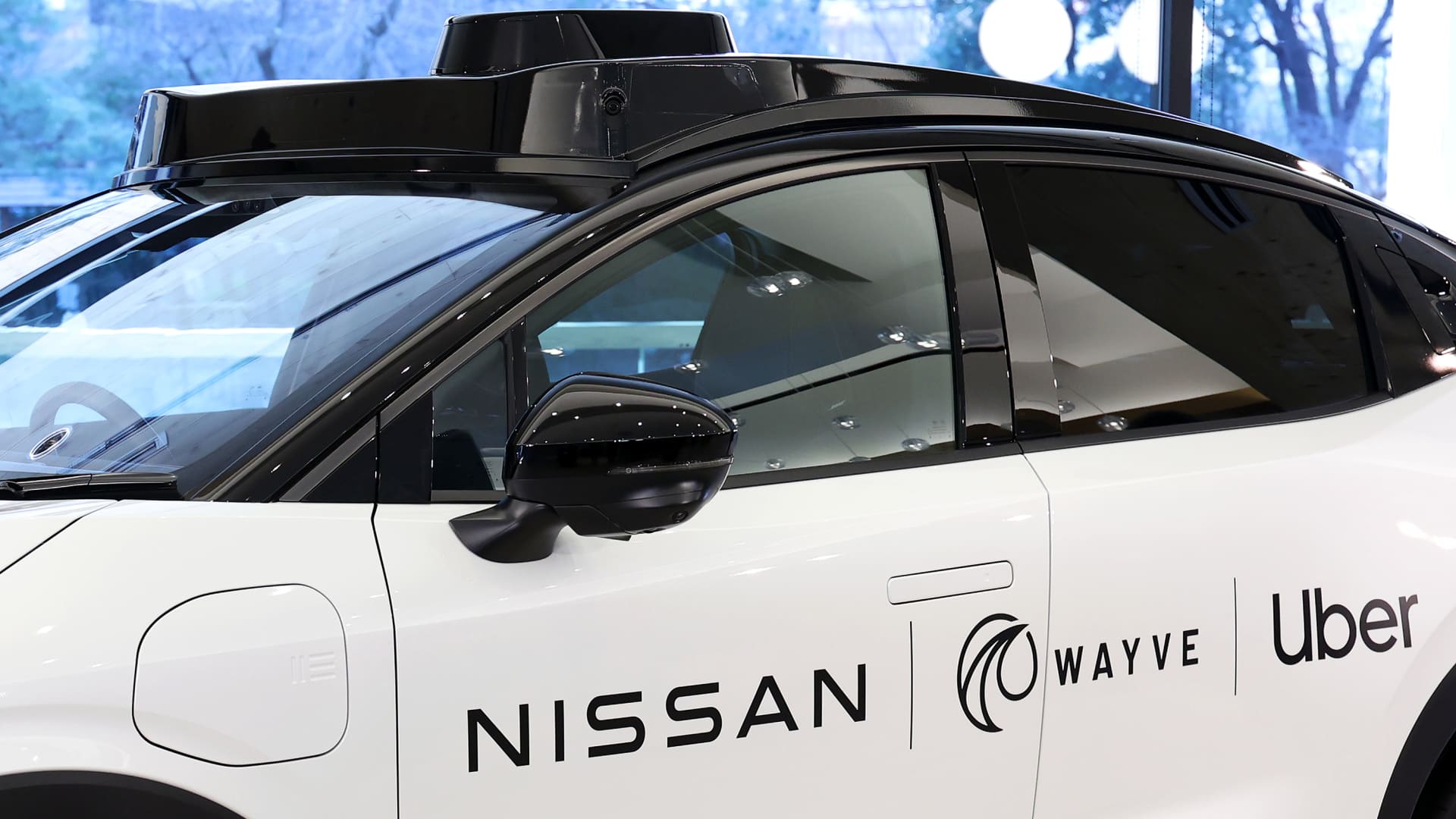
- Collaborative Prospects: Wayve has signed a commercial agreement with Nissan to integrate its AI technology into Nissan's driver-assistance systems, while also collaborating with Uber to develop robotaxis, indicating its intent to expand in global markets and commercialize its offerings.
- Market Competition: Wayve is testing its driverless cars in the U.K., Germany, Japan, and the U.S., facing fierce competition from Waymo and Chinese players like Baidu, WeRide, and Pony.ai, which will impact its market share and the speed of technology adoption.
See More

Wayve Secures $60 Million Investment from Major Tech Firms
- Funding Background: Wayve announced a $60 million follow-on investment from Qualcomm, AMD, and Arm, part of its $1.2 billion funding round from February, demonstrating its ongoing appeal in the autonomous driving sector.
- Technological Advantage: Wayve's technology aims to enable autonomous driving without the need for high-definition maps or extensive localized training, contrasting sharply with competitors like Waymo, potentially providing a competitive edge in the market.
- Market Expansion: Currently testing its driverless cars in the U.K., Germany, Japan, and the U.S., Wayve has signed a commercial deal with Nissan to integrate its AI into Nissan's driver-assistance systems, further pushing towards technology commercialization.
- Competitive Pressure: Despite backing from major semiconductor firms, Wayve faces intense competition from Waymo and Chinese players like Baidu, who are expanding their driverless technology offerings internationally, which could impact Wayve's market share.
See More

SpaceX Plans Historic IPO with $1.75 Trillion Valuation Target


- IPO Filing: SpaceX submitted its IPO paperwork to the SEC in early April, marking a significant step towards public market entry, although financial statements remain confidential.
- Profit and Loss Discrepancy: While Reuters reported an $8 billion profit on $16 billion revenue for 2025, The Information indicated a $5 billion loss on $18 billion revenue, creating uncertainty that could affect investor confidence.
- Valuation Target and Market Impact: Seeking a $1.75 trillion valuation for its IPO, SpaceX could become the largest IPO in history and quickly rank among the top ten public companies globally; however, historical data suggests that large IPO stocks often underperform in the long term.
- Cautious Investor Sentiment: Although SpaceX shares may surge on their first trading day, historical trends indicate that many large IPOs perform poorly in the following year, leading investors to adopt a wait-and-see approach for better buying opportunities.
See More
Arm Holdings Unveils Bullish Outlook Amid AI Chip Demand
- New Chip Launch: Arm Holdings CEO Rene Haas recently unveiled the AGI CPU designed for AI inference, which is expected to drive significant growth for the company, particularly as demand for multi-step processing increases.
- Optimistic Sales Forecast: Haas projects that annual sales of the AGI CPU could exceed $15 billion by 2031, a figure that may be conservative, with total revenue potentially surpassing $25 billion in five years, a substantial increase from the $4.7 billion generated over the past 12 months.
- Market Valuation Analysis: Despite Arm's stock rising 34% this year, its current price-to-earnings ratio stands at around 200 times, with a forward P/E of 73, indicating high market expectations for future growth, which also suggests significant investment risks.
- Cautious Investment Advice: While Arm's new chip shows strong growth potential, analysts advise against buying the stock at its current high valuation, as the market appears more favorable towards other growth stocks, and Arm may face a pullback risk.
See More
US Stocks Show Mixed Movement Amid Optimism Over Middle East Peace Talks
- Market Performance: The S&P 500 Index rose by 0.36%, reaching a two-month high, while the Nasdaq 100 increased by 0.63%, marking a 2.5-month high, reflecting investor optimism surrounding potential peace talks in the Middle East.
- Economic Data: The April Empire Manufacturing Survey reported a rise of 11.2 in the general business conditions index to 11.0, surpassing expectations, indicating a robust manufacturing recovery; however, the April NAHB housing market index fell to 34, signaling weakness in the housing sector that could dampen investor confidence.
- Oil Price Fluctuations: WTI crude oil prices increased by over 1% due to the U.S. naval blockade in the Strait of Hormuz, which could exacerbate global oil and fuel shortages, impacting profitability in related sectors.
- Earnings Season: Q1 earnings for the S&P 500 are projected to grow by 12% year-over-year, but excluding the technology sector, growth is only expected to be around 3%, indicating a slowdown in overall earnings growth that may affect market sentiment.
See More
US Stocks Show Modest Gains Amid Optimism Over Middle East Peace Talks
- Market Performance: The S&P 500 index rose by 0.10% and the Nasdaq 100 by 0.15%, reflecting optimism surrounding potential peace talks in the Middle East, with the S&P 500 reaching a two-month high and the Nasdaq 100 a 2.5-month high.
- Supportive Economic Data: The April Empire manufacturing survey reported a rise of 11.2 in the general business conditions index to a five-month high of 11.0, surpassing expectations of 0.0, indicating a strong economic recovery that could further boost investor confidence.
- Impact of Rising Oil Prices: WTI crude oil prices increased by over 1% as the US implemented a naval blockade in the Strait of Hormuz, potentially exacerbating global oil and fuel shortages, which could affect market supply-demand dynamics and lead to stock volatility.
- Earnings Season Insights: Q1 earnings for the S&P 500 are projected to grow by 12% year-over-year, but excluding the technology sector, growth is only expected at 3%, indicating a lack of overall earnings momentum that may affect long-term investor confidence.
See More
Wayve Secures $60 Million Funding to Advance Autonomous Driving Technology
- Funding Update: British autonomous driving startup Wayve announced on Wednesday that it raised $60 million from Qualcomm, AMD, and Arm, marking a follow-on investment to its $1.2 billion funding round in February, highlighting its appeal and potential in the autonomous driving sector.
- Technological Edge: Wayve's technology aims to enable cars to drive autonomously without the need for high-definition maps or extensive training in specific areas, presenting a distinct approach compared to competitors like Waymo, which could accelerate its market penetration.
- Collaborative Prospects: Wayve has signed a commercial agreement with Nissan to integrate its AI technology into Nissan's driver-assistance systems, while also collaborating with Uber to develop robotaxis, indicating its intent to expand in global markets and commercialize its offerings.
- Market Competition: Wayve is testing its driverless cars in the U.K., Germany, Japan, and the U.S., facing fierce competition from Waymo and Chinese players like Baidu, WeRide, and Pony.ai, which will impact its market share and the speed of technology adoption.
See More
Wayve Secures $60 Million Investment from Major Tech Firms
- Funding Background: Wayve announced a $60 million follow-on investment from Qualcomm, AMD, and Arm, part of its $1.2 billion funding round from February, demonstrating its ongoing appeal in the autonomous driving sector.
- Technological Advantage: Wayve's technology aims to enable autonomous driving without the need for high-definition maps or extensive localized training, contrasting sharply with competitors like Waymo, potentially providing a competitive edge in the market.
- Market Expansion: Currently testing its driverless cars in the U.K., Germany, Japan, and the U.S., Wayve has signed a commercial deal with Nissan to integrate its AI into Nissan's driver-assistance systems, further pushing towards technology commercialization.
- Competitive Pressure: Despite backing from major semiconductor firms, Wayve faces intense competition from Waymo and Chinese players like Baidu, who are expanding their driverless technology offerings internationally, which could impact Wayve's market share.
See More
SpaceX Plans Historic IPO with $1.75 Trillion Valuation Target
- IPO Filing: SpaceX submitted its IPO paperwork to the SEC in early April, marking a significant step towards public market entry, although financial statements remain confidential.
- Profit and Loss Discrepancy: While Reuters reported an $8 billion profit on $16 billion revenue for 2025, The Information indicated a $5 billion loss on $18 billion revenue, creating uncertainty that could affect investor confidence.
- Valuation Target and Market Impact: Seeking a $1.75 trillion valuation for its IPO, SpaceX could become the largest IPO in history and quickly rank among the top ten public companies globally; however, historical data suggests that large IPO stocks often underperform in the long term.
- Cautious Investor Sentiment: Although SpaceX shares may surge on their first trading day, historical trends indicate that many large IPOs perform poorly in the following year, leading investors to adopt a wait-and-see approach for better buying opportunities.
See More