Amazon Expands LTL Freight Services to All Businesses
Written by Emily J. Thompson, Senior Investment Analyst
Updated: 1 hour ago
0mins
Source: stocktwits
- Service Expansion Context: Amazon announced the expansion of its less-than-truckload (LTL) freight services to all businesses, driven by strong demand feedback from selling partners and vendors, aiming to enhance its end-to-end logistics unit capabilities.
- Logistics Network Advantage: By leveraging Amazon's massive fleet of over 80,000 trailers and 24,000 intermodal containers, customers can share trailer space for shipping smaller cargoes, significantly reducing transportation costs for businesses needing to ship less than a full truckload.
- Market Competitive Position: This expansion further solidifies Amazon's market position in building its logistics network across the U.S., helping it surpass traditional freight carriers like USPS, UPS, and FedEx to become the largest parcel carrier by volume in the country.
- Stock Market Reaction: Although Amazon's stock was down less than 1% in premarket trading, it has gained over 12% year-to-date, reflecting retail investors' optimism about its future growth, particularly in comparison to competitors FedEx and UPS.
Trade with 70% Backtested Accuracy
Stop guessing "Should I Buy AMZN?" and start using high-conviction signals backed by rigorous historical data.
Sign up today to access powerful investing tools and make smarter, data-driven decisions.
Analyst Views on AMZN
Wall Street analysts forecast AMZN stock price to rise
44 Analyst Rating
41 Buy
3 Hold
0 Sell
Strong Buy
Current: 245.220

Low
175.00
Averages
280.01
High
325.00
Current: 245.220
Low
175.00
Averages
280.01
High
325.00
About AMZN
Amazon.com, Inc. provides a range of products and services to customers. The products offered through its stores include merchandise and content it has purchased for resale and products offered by third-party sellers. The Company’s segments include North America, International and Amazon Web Services (AWS). It serves consumers through its online and physical stores and focuses on selection, price, and convenience. Customers access its offerings through its websites, mobile apps, Alexa, devices, streaming, and physically visiting its stores. It also manufactures and sells electronic devices, including Kindle, Fire tablet, Fire TV, Echo, Ring, Blink, and eero, and develops and produces media content. It serves developers and enterprises of all sizes, including start-ups, government agencies, and academic institutions, through AWS, which offers a set of on-demand technology services, including compute, storage, database, analytics, and machine learning, and other services.
About the author

Emily J. Thompson
Emily J. Thompson, a Chartered Financial Analyst (CFA) with 12 years in investment research, graduated with honors from the Wharton School. Specializing in industrial and technology stocks, she provides in-depth analysis for Intellectia’s earnings and market brief reports.

Amazon's Prime Day Shopping Extravaganza

- Shopping Extravaganza: Amazon's annual midyear blowout sale is set for June 23-26, attracting over 180 million Prime members, further solidifying its dominance in the U.S. e-commerce market.
- Sales Expectations: Last year's Prime Day generated approximately $24.1 billion in online sales according to Adobe Analytics, more than double the spending on Black Friday, indicating strong consumer purchasing power and reliance on e-commerce.
- Payment Industry Gains: The event will generate significant transaction fee revenue for payment processors like Visa and Mastercard, while also boosting spending for credit card companies like American Express and Capital One, driving growth in the financial services sector.
- Market Signals: Strong Prime Day sales reflect consumer confidence and could impact various industries such as restaurants and home improvement; disappointing sales may indicate increased household financial stress, affecting overall economic health.
See More
Amazon Expands LTL Freight Services to All Businesses

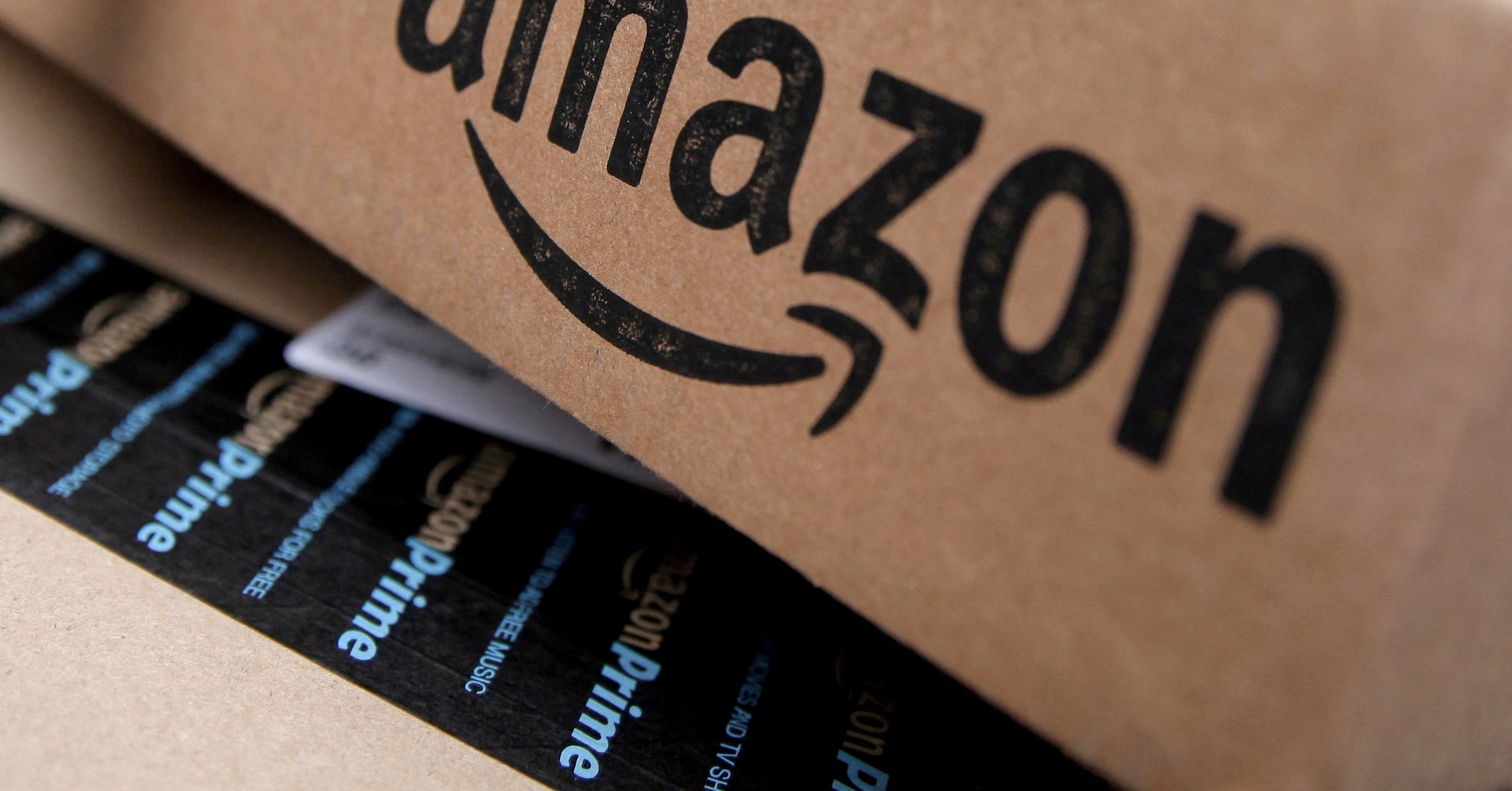
- Service Expansion Context: Amazon announced the expansion of its less-than-truckload (LTL) freight services to all businesses, driven by strong demand feedback from selling partners and vendors, aiming to enhance its end-to-end logistics unit capabilities.
- Logistics Network Advantage: By leveraging Amazon's massive fleet of over 80,000 trailers and 24,000 intermodal containers, customers can share trailer space for shipping smaller cargoes, significantly reducing transportation costs for businesses needing to ship less than a full truckload.
- Market Competitive Position: This expansion further solidifies Amazon's market position in building its logistics network across the U.S., helping it surpass traditional freight carriers like USPS, UPS, and FedEx to become the largest parcel carrier by volume in the country.
- Stock Market Reaction: Although Amazon's stock was down less than 1% in premarket trading, it has gained over 12% year-to-date, reflecting retail investors' optimism about its future growth, particularly in comparison to competitors FedEx and UPS.
See More

Amazon Expands U.S. Freight Services for Businesses
- Service Expansion: Amazon announced that its less-than-truckload (LTL) freight service in the U.S. has been expanded to all businesses, allowing them to ship palletized freight to various destinations, enhancing service flexibility and cost efficiency.
- Freight Capacity: The new service supports freight ranging from one to six pallets, weighing between 150 and 15,000 pounds, enabling businesses to leverage Amazon's robust national network and routing expertise, significantly improving logistics efficiency.
- Positive Customer Feedback: Amazon Freight Director Jim Ruiz stated that feedback from sellers using the service was clear, as they found the required technology, visibility, and reliability met their needs, indicating strong market demand for broader service utilization.
- Competitive Landscape Shift: This expansion will impact logistics companies like FedEx and UPS, as Amazon enhances its competitiveness in the freight market by offering real-time tracking and reliability, potentially altering the industry dynamics.
See More

Walmart's Stock Surges 401% Over 10 Years, Attracts Attention

- Outstanding Stock Performance: Walmart's stock has surged by 401% over the past decade, significantly outperforming the S&P 500's return of 251%, indicating strong market performance and investor confidence.
- Stable Business Model: Leveraging its massive scale and distribution network, Walmart offers low-priced goods, and despite the low profit margins in grocery, its stability is crucial during economic uncertainties, attracting numerous consumers and shareholders.
- E-commerce Growth Potential: Walmart's e-commerce segment grew by 26% year-over-year in Q1, capturing a 9.2% market share, indicating its increasing competitiveness in the retail market; while overall growth may be slow, e-commerce is expected to drive revenue growth.
- Cautious Future Outlook: Although Walmart's forward P/E ratio stands at 41, significantly higher than the S&P 500's 22, reflecting its relatively expensive stock price, its safe business model and sustained market share suggest long-term investors can still expect it to outperform the market.
See More
Walmart Stock Rises 401% Over Past Decade
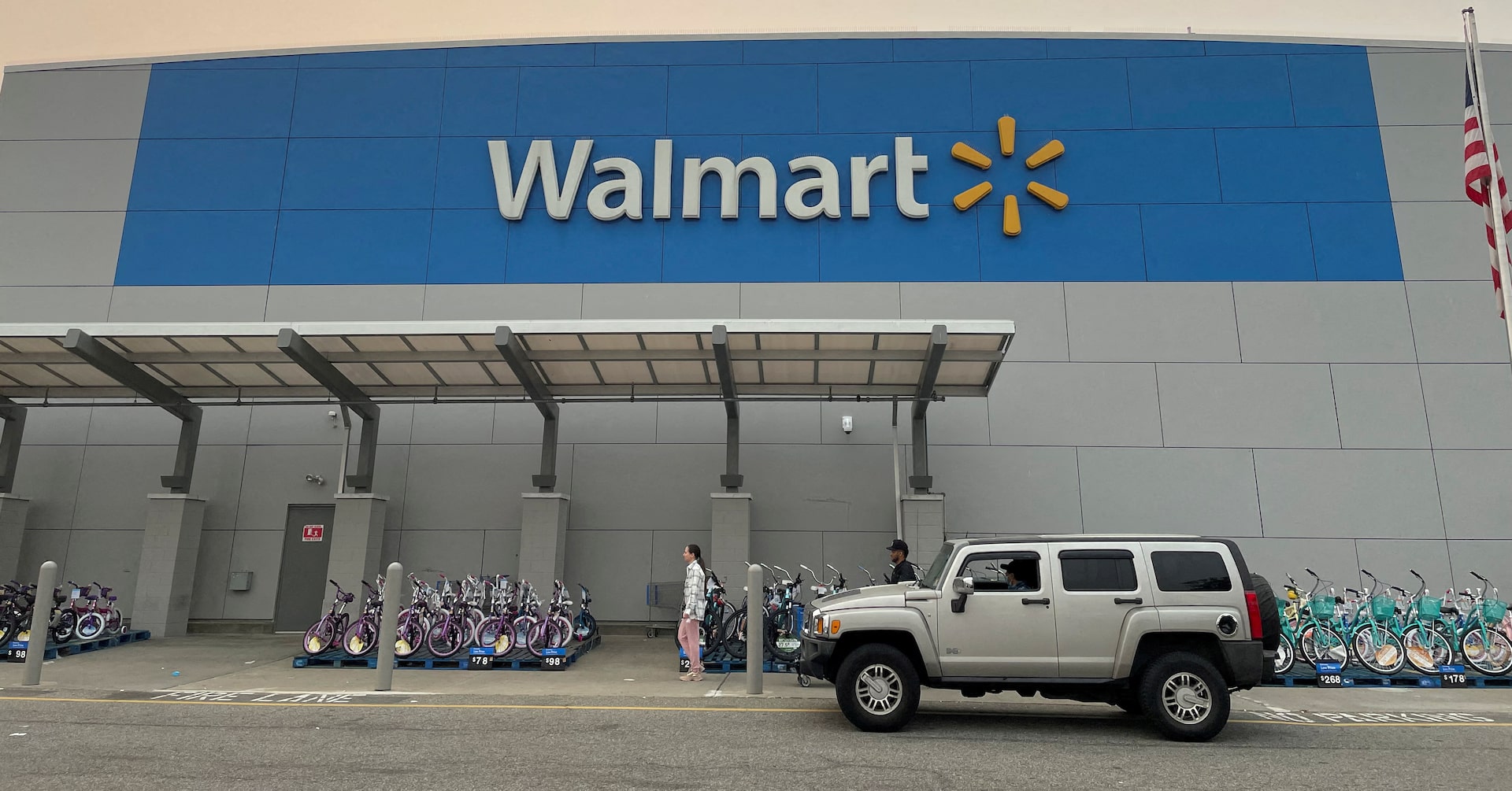
- Outstanding Stock Performance: Walmart's stock has risen by 401% over the past decade, significantly outperforming the S&P 500's return of 251%, showcasing its strong market position and investment appeal in the U.S. grocery sector.
- Significant E-commerce Growth: Walmart's e-commerce segment grew by 26% year-over-year in Q1, contributing to an overall revenue increase of 7.3% to $177.8 billion, indicating success in its digital transformation and market share expansion.
- Stable Business Model: Despite grocery profit margins typically hovering between 1% and 3%, Walmart's strategy of spreading thin profits across billions of items ensures ongoing returns for customers and shareholders, particularly amid rising economic uncertainty.
- Future Growth Potential: With a forward P/E ratio of 41, Walmart appears expensive compared to the S&P 500's 22, but its ongoing investments in e-commerce and established logistics network lay a solid foundation for stable growth moving forward.
See More

Amazon Prime Day's Impact on Consumer Spending
- Consumer Confidence Indicator: The success of Amazon's Prime Day reflects the financial health of U.S. consumers, generating approximately $24.1 billion in online sales last year, indicating consumer confidence and spending capacity in the economy.
- Payment Industry Benefits: The transactions during Prime Day boost revenue for payment processing companies like Visa and Mastercard, as consumers rely on credit cards and electronic payments, leading to increased transaction fees during the event.
- Competitive Pressure: By extending Prime Day to four days, Amazon further pressures traditional retailers, indicating its dominance in the e-commerce sector and potentially leading to greater sales challenges for competitors.
- High-Profit Center: Amazon's subscription services generated $13.4 billion in high-margin revenue in Q1 2026, allowing the company to sell goods at lower prices, thereby solidifying its leadership position in the e-commerce market.
See More
Amazon's Prime Day Shopping Extravaganza
- Shopping Extravaganza: Amazon's annual midyear blowout sale is set for June 23-26, attracting over 180 million Prime members, further solidifying its dominance in the U.S. e-commerce market.
- Sales Expectations: Last year's Prime Day generated approximately $24.1 billion in online sales according to Adobe Analytics, more than double the spending on Black Friday, indicating strong consumer purchasing power and reliance on e-commerce.
- Payment Industry Gains: The event will generate significant transaction fee revenue for payment processors like Visa and Mastercard, while also boosting spending for credit card companies like American Express and Capital One, driving growth in the financial services sector.
- Market Signals: Strong Prime Day sales reflect consumer confidence and could impact various industries such as restaurants and home improvement; disappointing sales may indicate increased household financial stress, affecting overall economic health.
See More
Amazon Expands LTL Freight Services to All Businesses
- Service Expansion Context: Amazon announced the expansion of its less-than-truckload (LTL) freight services to all businesses, driven by strong demand feedback from selling partners and vendors, aiming to enhance its end-to-end logistics unit capabilities.
- Logistics Network Advantage: By leveraging Amazon's massive fleet of over 80,000 trailers and 24,000 intermodal containers, customers can share trailer space for shipping smaller cargoes, significantly reducing transportation costs for businesses needing to ship less than a full truckload.
- Market Competitive Position: This expansion further solidifies Amazon's market position in building its logistics network across the U.S., helping it surpass traditional freight carriers like USPS, UPS, and FedEx to become the largest parcel carrier by volume in the country.
- Stock Market Reaction: Although Amazon's stock was down less than 1% in premarket trading, it has gained over 12% year-to-date, reflecting retail investors' optimism about its future growth, particularly in comparison to competitors FedEx and UPS.
See More
Amazon Expands U.S. Freight Services for Businesses
- Service Expansion: Amazon announced that its less-than-truckload (LTL) freight service in the U.S. has been expanded to all businesses, allowing them to ship palletized freight to various destinations, enhancing service flexibility and cost efficiency.
- Freight Capacity: The new service supports freight ranging from one to six pallets, weighing between 150 and 15,000 pounds, enabling businesses to leverage Amazon's robust national network and routing expertise, significantly improving logistics efficiency.
- Positive Customer Feedback: Amazon Freight Director Jim Ruiz stated that feedback from sellers using the service was clear, as they found the required technology, visibility, and reliability met their needs, indicating strong market demand for broader service utilization.
- Competitive Landscape Shift: This expansion will impact logistics companies like FedEx and UPS, as Amazon enhances its competitiveness in the freight market by offering real-time tracking and reliability, potentially altering the industry dynamics.
See More
Walmart's Stock Surges 401% Over 10 Years, Attracts Attention
- Outstanding Stock Performance: Walmart's stock has surged by 401% over the past decade, significantly outperforming the S&P 500's return of 251%, indicating strong market performance and investor confidence.
- Stable Business Model: Leveraging its massive scale and distribution network, Walmart offers low-priced goods, and despite the low profit margins in grocery, its stability is crucial during economic uncertainties, attracting numerous consumers and shareholders.
- E-commerce Growth Potential: Walmart's e-commerce segment grew by 26% year-over-year in Q1, capturing a 9.2% market share, indicating its increasing competitiveness in the retail market; while overall growth may be slow, e-commerce is expected to drive revenue growth.
- Cautious Future Outlook: Although Walmart's forward P/E ratio stands at 41, significantly higher than the S&P 500's 22, reflecting its relatively expensive stock price, its safe business model and sustained market share suggest long-term investors can still expect it to outperform the market.
See More
Walmart Stock Rises 401% Over Past Decade
- Outstanding Stock Performance: Walmart's stock has risen by 401% over the past decade, significantly outperforming the S&P 500's return of 251%, showcasing its strong market position and investment appeal in the U.S. grocery sector.
- Significant E-commerce Growth: Walmart's e-commerce segment grew by 26% year-over-year in Q1, contributing to an overall revenue increase of 7.3% to $177.8 billion, indicating success in its digital transformation and market share expansion.
- Stable Business Model: Despite grocery profit margins typically hovering between 1% and 3%, Walmart's strategy of spreading thin profits across billions of items ensures ongoing returns for customers and shareholders, particularly amid rising economic uncertainty.
- Future Growth Potential: With a forward P/E ratio of 41, Walmart appears expensive compared to the S&P 500's 22, but its ongoing investments in e-commerce and established logistics network lay a solid foundation for stable growth moving forward.
See More
Amazon Prime Day's Impact on Consumer Spending
- Consumer Confidence Indicator: The success of Amazon's Prime Day reflects the financial health of U.S. consumers, generating approximately $24.1 billion in online sales last year, indicating consumer confidence and spending capacity in the economy.
- Payment Industry Benefits: The transactions during Prime Day boost revenue for payment processing companies like Visa and Mastercard, as consumers rely on credit cards and electronic payments, leading to increased transaction fees during the event.
- Competitive Pressure: By extending Prime Day to four days, Amazon further pressures traditional retailers, indicating its dominance in the e-commerce sector and potentially leading to greater sales challenges for competitors.
- High-Profit Center: Amazon's subscription services generated $13.4 billion in high-margin revenue in Q1 2026, allowing the company to sell goods at lower prices, thereby solidifying its leadership position in the e-commerce market.
See More