Amazon and Alphabet's Investment Potential in Anthropic
Written by Emily J. Thompson, Senior Investment Analyst
Updated: Apr 18 2026
0mins


Source: Fool
- Investment Opportunity: Amazon and Alphabet have invested in Anthropic through cloud computing resources, holding approximately 18% and 14% stakes respectively, and as Anthropic's private valuation rises, both companies will benefit from the value increase upon its eventual public offering.
- Cloud Platform Advantage: Amazon and Alphabet's cloud computing platforms are favored for their custom AI chips, which provide better performance and lower costs compared to Nvidia GPUs when properly configured, ensuring significant growth potential for their cloud computing businesses.
- Core Business Support: Both companies are funding their data center buildouts using cash flows from their core businesses rather than relying on massive debt, a strategy that enhances their financial stability and supports the expansion of their cloud computing divisions.
- Optimistic Market Outlook: As demand for AI computing power increases, Amazon and Alphabet's cloud computing businesses are set to grow, and their investment in Anthropic positions them to outperform the market over the next five years, potentially yielding substantial returns.
Trade with 70% Backtested Accuracy
Stop guessing "Should I Buy AMZN?" and start using high-conviction signals backed by rigorous historical data.
Sign up today to access powerful investing tools and make smarter, data-driven decisions.
Analyst Views on AMZN
Wall Street analysts forecast AMZN stock price to rise
44 Analyst Rating
41 Buy
3 Hold
0 Sell
Strong Buy
Current: 250.020

Low
175.00
Averages
280.01
High
325.00
Current: 250.020
Low
175.00
Averages
280.01
High
325.00
About AMZN
Amazon.com, Inc. provides a range of products and services to customers. The products offered through its stores include merchandise and content it has purchased for resale and products offered by third-party sellers. The Company’s segments include North America, International and Amazon Web Services (AWS). It serves consumers through its online and physical stores and focuses on selection, price, and convenience. Customers access its offerings through its websites, mobile apps, Alexa, devices, streaming, and physically visiting its stores. It also manufactures and sells electronic devices, including Kindle, Fire tablet, Fire TV, Echo, Ring, Blink, and eero, and develops and produces media content. It serves developers and enterprises of all sizes, including start-ups, government agencies, and academic institutions, through AWS, which offers a set of on-demand technology services, including compute, storage, database, analytics, and machine learning, and other services.
About the author

Emily J. Thompson
Emily J. Thompson, a Chartered Financial Analyst (CFA) with 12 years in investment research, graduated with honors from the Wharton School. Specializing in industrial and technology stocks, she provides in-depth analysis for Intellectia’s earnings and market brief reports.

Amazon Unveils Next-Gen Proteus Robot for European Fulfillment

- Robotics Upgrade: Amazon showcased the next-generation Proteus robot at its 'Delivering the Future' event in Dartford, UK, with deployment across European facilities scheduled for H1 2027, enhancing operational flexibility and efficiency across entire warehouse floors.
- Investment and Expansion Plans: Amazon is committing over €10 billion to expand and upgrade its European fulfillment network, planning to create 25,000 new jobs, which not only strengthens its competitive position but also boosts local economic development.
- AI Assistant Global Expansion: Amazon announced that its next-generation AI assistant, Alexa+, will launch in 10 additional countries in 2027, further expanding its smart home ecosystem and enhancing user experience while increasing brand influence.
- Rapid Delivery Network Expansion: Amazon is scaling up its Same-Day delivery network, targeting over 25 sites across cities including Coventry and Nürnberg, aiming to improve customer satisfaction and enhance market share.
See More
Supabase Raises $500 Million at $10.5 Billion Valuation Amid AI Boom

- Funding and Valuation: Supabase announced a $500 million funding round, achieving a valuation of $10.5 billion, highlighting strong investor interest in the rapidly growing AI application development tools sector.
- User Growth and Market Positioning: Since its founding in 2020, Supabase has attracted over 250,000 customers and grown its workforce to 350, directly challenging database service providers like MongoDB and Amazon, indicating its increasing competitiveness in the market.
- New Tool Launch: The company also unveiled a new tool called Multigres, aimed at helping developers scale applications to the size of OpenAI or larger, showcasing its innovation in database scalability capabilities.
- Industry Growth Potential: Accel partner Arun Mathew described Supabase's growth rate as “phenomenal,” noting that AI infrastructure startups are becoming hot targets for acquirers, reflecting strong market demand for developer-first tools.
See More

Broadcom Reports Strong Earnings but Keeps Guidance, Shares Plunge


- Significant Share Drop: Despite reporting strong quarterly results, Broadcom's decision not to raise revenue guidance led to a 15% drop in its share price during premarket trading on Thursday, reflecting market concerns over future earnings prospects and potentially triggering a broader reassessment of the semiconductor industry.
- Divergent Industry Response: While Broadcom's stock fell, other major tech companies like Alphabet, Amazon, and Microsoft traded positively on the same day, indicating strong demand driven by the AI trend, suggesting that the semiconductor sector's volatility may be a temporary phenomenon.
- Tech Stock Pullback: The S&P 500 information technology index closed Tuesday 28% above its 200-day moving average with a relative strength index of 82, indicating an overbought condition that may lead investors to take profits, impacting Broadcom and other tech stocks.
- Declining Market Share: Broadcom is expected to lose some market share with Alphabet, as its revenue share for Google's tensor processing units is projected to decline from 95% in 2026 to 65% in 2028, reflecting Google's increasing need for supplier diversification, which could affect Broadcom's long-term growth outlook.
See More

Supabase Secures $500 Million Funding at $10.5 Billion Valuation
- Funding and Valuation: Database startup Supabase announced a $500 million funding round that values the company at $10.5 billion, indicating strong interest from venture investors in the AI market, particularly in backend technology.
- User Growth and Market Demand: Since its launch in 2020, Supabase has attracted over 250,000 customers and grown its workforce to 350 employees, demonstrating rapid growth and strong demand in the AI-assisted coding and database services market.
- New Product Launch: Supabase also unveiled a new tool called Multigres, aimed at helping developers scale applications to the size of OpenAI or larger, addressing the challenges of database scaling from small applications to large enterprises, thereby solidifying its market position.
- Investor Background: The funding round was led by GIC and included notable investors such as Accel and Y Combinator, reflecting the market's high recognition and support for AI infrastructure startups.
See More
The Rise of Agentic AI and Its Opportunities

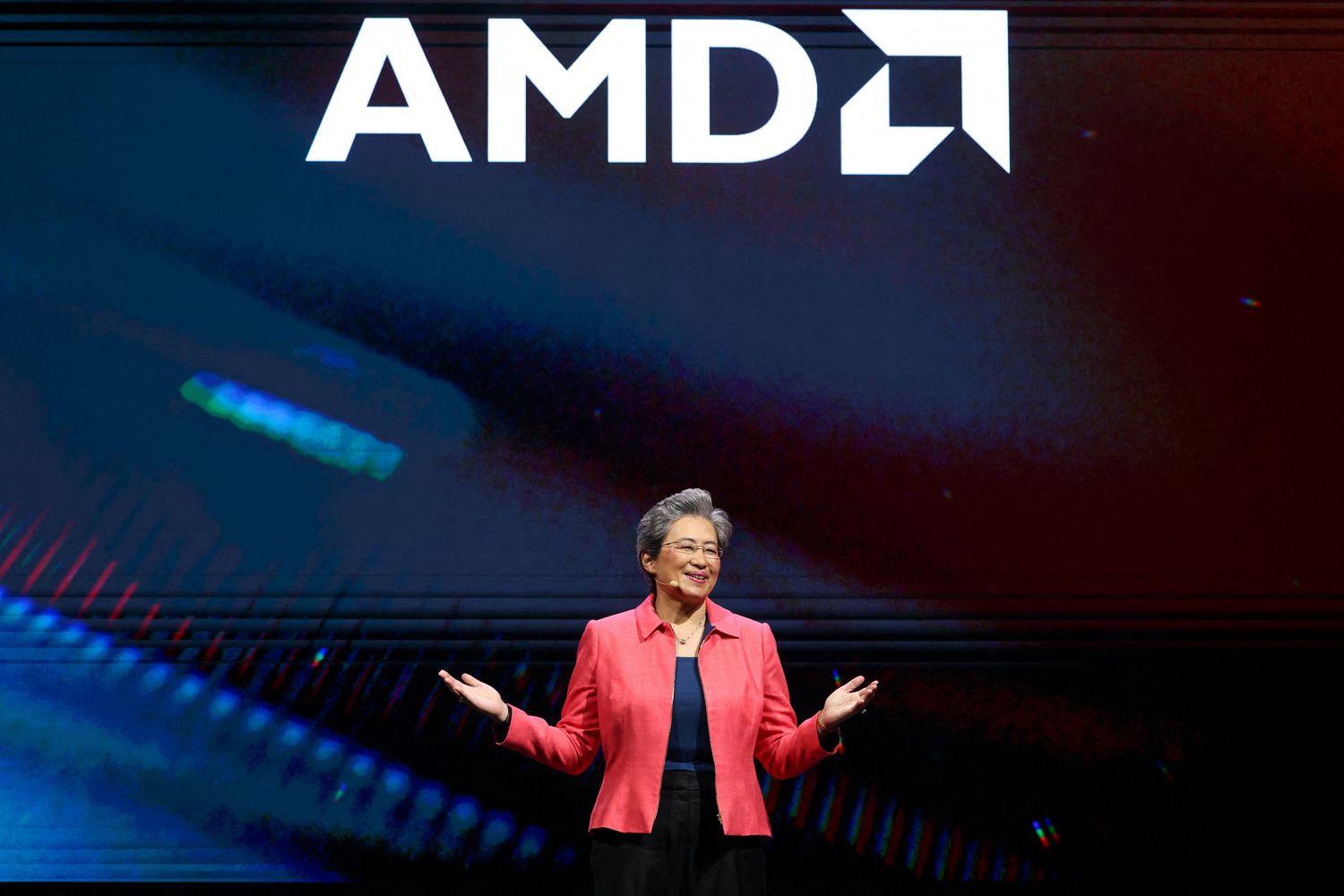
- AMD's Market Opportunity: AMD is focusing on the agentic AI sector, anticipating a $120 billion market opportunity in the coming years, particularly in the server CPU market, where its new Venice CPUs leverage TSMC's latest 2nm technology to enhance processing capabilities, likely solidifying its market leadership.
- Amazon's Cloud Computing Edge: Amazon has partnered with OpenAI to launch a cloud platform specifically designed for agentic AI, becoming the exclusive cloud provider for OpenAI Frontier, which is expected to drive growth in its cloud computing business and further increase its market share.
- ServiceNow's AI Governance Capability: ServiceNow aims to become a leader in AI agent orchestration with its AI Control Tower solution, which monitors the performance of all AI agents within an enterprise and enhances security, potentially leading to significant revenue growth.
- Industry Trend Shift: As agentic AI rises, the GPU to CPU ratio in data centers is shifting towards 1:1, presenting substantial market opportunities for companies like AMD, which is expected to drive technological advancements and innovation in business models across the industry.
See More

Market Watch: Chip Stocks Decline and IPO Developments

- Chip Stock Decline: Broadcom's failure to raise guidance sufficiently led to a 15% drop in its stock, contributing to a lower open for the S&P 500, which is on track for its first down week in ten, reflecting growing investor concerns over tech stocks.
- CrowdStrike's Strong Quarter: Despite a nearly 10% drop in stock price, CrowdStrike reported a full-year guidance of 27.7% growth in net new annual recurring revenue, a 5.2 percentage point increase over prior guidance, indicating robust performance in the market, although the market reaction was tepid.
- Alphabet's Fundraising Plan: Alphabet plans to sell $85 billion in stock to fund its AI buildout to surpass Anthropic and OpenAI, a move that may prompt other tech giants like Microsoft and Amazon to follow suit, intensifying market fundraising pressures.
- Quantinuum's Successful IPO: Quantum computing company Quantinuum priced its IPO at $60 per share, raising nearly $1.7 billion and achieving a valuation of over $14 billion, demonstrating strong market interest in quantum technology despite the overall bearish market sentiment.
See More
Amazon Unveils Next-Gen Proteus Robot for European Fulfillment
- Robotics Upgrade: Amazon showcased the next-generation Proteus robot at its 'Delivering the Future' event in Dartford, UK, with deployment across European facilities scheduled for H1 2027, enhancing operational flexibility and efficiency across entire warehouse floors.
- Investment and Expansion Plans: Amazon is committing over €10 billion to expand and upgrade its European fulfillment network, planning to create 25,000 new jobs, which not only strengthens its competitive position but also boosts local economic development.
- AI Assistant Global Expansion: Amazon announced that its next-generation AI assistant, Alexa+, will launch in 10 additional countries in 2027, further expanding its smart home ecosystem and enhancing user experience while increasing brand influence.
- Rapid Delivery Network Expansion: Amazon is scaling up its Same-Day delivery network, targeting over 25 sites across cities including Coventry and Nürnberg, aiming to improve customer satisfaction and enhance market share.
See More
Supabase Raises $500 Million at $10.5 Billion Valuation Amid AI Boom
- Funding and Valuation: Supabase announced a $500 million funding round, achieving a valuation of $10.5 billion, highlighting strong investor interest in the rapidly growing AI application development tools sector.
- User Growth and Market Positioning: Since its founding in 2020, Supabase has attracted over 250,000 customers and grown its workforce to 350, directly challenging database service providers like MongoDB and Amazon, indicating its increasing competitiveness in the market.
- New Tool Launch: The company also unveiled a new tool called Multigres, aimed at helping developers scale applications to the size of OpenAI or larger, showcasing its innovation in database scalability capabilities.
- Industry Growth Potential: Accel partner Arun Mathew described Supabase's growth rate as “phenomenal,” noting that AI infrastructure startups are becoming hot targets for acquirers, reflecting strong market demand for developer-first tools.
See More
Broadcom Reports Strong Earnings but Keeps Guidance, Shares Plunge
- Significant Share Drop: Despite reporting strong quarterly results, Broadcom's decision not to raise revenue guidance led to a 15% drop in its share price during premarket trading on Thursday, reflecting market concerns over future earnings prospects and potentially triggering a broader reassessment of the semiconductor industry.
- Divergent Industry Response: While Broadcom's stock fell, other major tech companies like Alphabet, Amazon, and Microsoft traded positively on the same day, indicating strong demand driven by the AI trend, suggesting that the semiconductor sector's volatility may be a temporary phenomenon.
- Tech Stock Pullback: The S&P 500 information technology index closed Tuesday 28% above its 200-day moving average with a relative strength index of 82, indicating an overbought condition that may lead investors to take profits, impacting Broadcom and other tech stocks.
- Declining Market Share: Broadcom is expected to lose some market share with Alphabet, as its revenue share for Google's tensor processing units is projected to decline from 95% in 2026 to 65% in 2028, reflecting Google's increasing need for supplier diversification, which could affect Broadcom's long-term growth outlook.
See More
Supabase Secures $500 Million Funding at $10.5 Billion Valuation
- Funding and Valuation: Database startup Supabase announced a $500 million funding round that values the company at $10.5 billion, indicating strong interest from venture investors in the AI market, particularly in backend technology.
- User Growth and Market Demand: Since its launch in 2020, Supabase has attracted over 250,000 customers and grown its workforce to 350 employees, demonstrating rapid growth and strong demand in the AI-assisted coding and database services market.
- New Product Launch: Supabase also unveiled a new tool called Multigres, aimed at helping developers scale applications to the size of OpenAI or larger, addressing the challenges of database scaling from small applications to large enterprises, thereby solidifying its market position.
- Investor Background: The funding round was led by GIC and included notable investors such as Accel and Y Combinator, reflecting the market's high recognition and support for AI infrastructure startups.
See More
The Rise of Agentic AI and Its Opportunities
- AMD's Market Opportunity: AMD is focusing on the agentic AI sector, anticipating a $120 billion market opportunity in the coming years, particularly in the server CPU market, where its new Venice CPUs leverage TSMC's latest 2nm technology to enhance processing capabilities, likely solidifying its market leadership.
- Amazon's Cloud Computing Edge: Amazon has partnered with OpenAI to launch a cloud platform specifically designed for agentic AI, becoming the exclusive cloud provider for OpenAI Frontier, which is expected to drive growth in its cloud computing business and further increase its market share.
- ServiceNow's AI Governance Capability: ServiceNow aims to become a leader in AI agent orchestration with its AI Control Tower solution, which monitors the performance of all AI agents within an enterprise and enhances security, potentially leading to significant revenue growth.
- Industry Trend Shift: As agentic AI rises, the GPU to CPU ratio in data centers is shifting towards 1:1, presenting substantial market opportunities for companies like AMD, which is expected to drive technological advancements and innovation in business models across the industry.
See More
Market Watch: Chip Stocks Decline and IPO Developments
- Chip Stock Decline: Broadcom's failure to raise guidance sufficiently led to a 15% drop in its stock, contributing to a lower open for the S&P 500, which is on track for its first down week in ten, reflecting growing investor concerns over tech stocks.
- CrowdStrike's Strong Quarter: Despite a nearly 10% drop in stock price, CrowdStrike reported a full-year guidance of 27.7% growth in net new annual recurring revenue, a 5.2 percentage point increase over prior guidance, indicating robust performance in the market, although the market reaction was tepid.
- Alphabet's Fundraising Plan: Alphabet plans to sell $85 billion in stock to fund its AI buildout to surpass Anthropic and OpenAI, a move that may prompt other tech giants like Microsoft and Amazon to follow suit, intensifying market fundraising pressures.
- Quantinuum's Successful IPO: Quantum computing company Quantinuum priced its IPO at $60 per share, raising nearly $1.7 billion and achieving a valuation of over $14 billion, demonstrating strong market interest in quantum technology despite the overall bearish market sentiment.
See More