Alphabet Leverages AI to Enhance Business Model
Written by Emily J. Thompson, Senior Investment Analyst
Updated: Apr 17 2026
0mins

Source: NASDAQ.COM
- AI Integration Advantage: Alphabet enhances its competitive business model by integrating AI directly into existing products like Search and YouTube, improving user experience and advertising effectiveness on a global scale.
- Significant Revenue Growth: In 2025, Alphabet reported a 15% revenue increase, with Google Cloud experiencing a remarkable 48% growth, indicating strong demand for its AI solutions and further solidifying its market position.
- Robust User Base: Unlike many AI companies, Alphabet already has billions of users, allowing for rapid value creation through AI integration without incurring additional user acquisition costs, which is a significant advantage.
- Long-term Investment Potential: Although Alphabet may not attract as much attention as emerging companies in the AI space, its scale and established revenue engines position it for strong value creation over the long term, appealing to investors seeking sustainable returns.
Trade with 70% Backtested Accuracy
Stop guessing "Should I Buy GOOGL?" and start using high-conviction signals backed by rigorous historical data.
Sign up today to access powerful investing tools and make smarter, data-driven decisions.
Analyst Views on GOOGL
Wall Street analysts forecast GOOGL stock price to fall
33 Analyst Rating
26 Buy
7 Hold
0 Sell
Strong Buy
Current: 390.130

Low
305.00
Averages
374.25
High
400.00
Current: 390.130
Low
305.00
Averages
374.25
High
400.00
About GOOGL
Alphabet Inc. is a holding company. The Company's segments include Google Services, Google Cloud, and Other Bets. The Google Services segment includes products and services such as ads, Android, Chrome, devices, Google Maps, Google Play, Search, and YouTube. The Google Cloud segment includes infrastructure and platform services, collaboration tools, and other services for enterprise customers. Its Other Bets segment is engaged in the sale of healthcare-related services and Internet services. Its Google Cloud provides enterprise-ready cloud services, including Google Cloud Platform and Google Workspace. Google Cloud Platform provides access to solutions such as artificial intelligence (AI) offerings, including its AI infrastructure, Vertex AI platform, and Gemini for Google Cloud; cybersecurity, and data and analytics. Google Workspace includes cloud-based communication and collaboration tools for enterprises, such as Calendar, Gmail, Docs, Drive, and Meet.
About the author

Emily J. Thompson
Emily J. Thompson, a Chartered Financial Analyst (CFA) with 12 years in investment research, graduated with honors from the Wharton School. Specializing in industrial and technology stocks, she provides in-depth analysis for Intellectia’s earnings and market brief reports.

Alphabet's Cloud Revenue Surges 62.7% YoY

- Cloud Market Performance: Alphabet's Google Cloud reported $20 billion in revenue for the latest period, reflecting a remarkable 62.7% year-over-year growth that exceeded expectations, thereby boosting market confidence in Alphabet.
- Optimistic Earnings Outlook: The acceleration in cloud business growth keeps Alphabet's earnings per share outlook bullish, which not only enhances investor confidence in its stock but also has the potential to drive share prices higher.
- Rise of Thematic Investing: Thematic investing has emerged as a crucial way for investors to align with emerging trends, with Alphabet being part of the cloud computing theme, attracting more attention and further solidifying its market position.
- Long-Term Growth Potential: As the cloud computing industry rapidly evolves, Alphabet's cloud services are expected to benefit from increasing market demand, which is projected to drive future revenue and profit growth for the company.
See More
LG Electronics India Seeks $8.71 Billion Valuation in IPO
- IPO Market Surge: LG Electronics India is seeking a valuation of up to 774 billion rupees ($8.71 billion) in its long-delayed IPO, marking one of the largest offerings in India this year, indicating strong demand for new listings in the market.
- Stock Price Surge: Following the announcement of a series of automotive innovations developed in collaboration with Google's technology, LG Electronics' shares surged by 23.95% to 279,500 won, reflecting positive investor sentiment and increased market confidence in the company's future prospects.
- Technological Innovation Edge: LG's new solutions, built on Android automotive operating systems, can control multiple displays with varying aspect ratios simultaneously, significantly reducing costs for automakers deploying multi-display systems, thereby enhancing its competitive position in the market.
- Expansive Market Outlook: The global Android automotive OS market is projected to grow from $895.6 million in 2025 to $2.14 billion by 2035, showcasing LG's strategic positioning in the rapidly expanding automotive technology sector and its potential for future growth.
See More
Abel's Key Investments at Berkshire Hathaway Post-Appointment
- Successful Oxychem Acquisition: Berkshire Hathaway's acquisition of Oxychem for $9.7 billion came at a strategic low point in the chemical industry, with an estimated 8x EBITDA for 2025, enhancing the company's competitive edge while retaining preferred shares in Occidental, yielding an 8% dividend.
- Strategic Investment in Tokio Marine: Abel's $1.8 billion investment for a 2.5% stake in Tokio Marine, with the option to increase to 9.9%, strengthens Berkshire's insurance business through a risk-sharing agreement, despite paying nearly double the book value, which could yield significant returns.
- Precise Timing for Alphabet Increase: Abel's decision to triple Berkshire's investment in Alphabet to $11 billion in Q1 positioned it as the fifth-largest equity holding, benefiting from a market recovery and strong earnings, with the stock price rising approximately 35% since last quarter.
- AI-Driven Revenue Growth: Alphabet's cloud revenue surged 63%, with operating margins expanding from 17.8% to 32.9%, as AI integration enhances search and advertising revenues, indicating strong growth potential moving forward.
See More

Abel's First Quarter Investments Yield Positive Results
- Successful OxyChem Acquisition: Berkshire Hathaway's $9.7 billion acquisition of OxyChem was timed perfectly at the chemical industry's low point, with an estimated 8 times EBITDA for 2025, and future modernization efforts are expected to enhance cash flow and profitability.
- Strategic Investment in Tokio Marine: Abel's $1.8 billion investment for a 2.5% stake in Tokio Marine, with the option to increase to 9.9%, not only strengthens Berkshire's insurance business but also introduces a risk-sharing agreement that could yield further upside, positively received by the market.
- Increased Stake in Alphabet: Abel tripled Berkshire's investment in Alphabet to approximately $22.5 billion, spending around $11 billion in the first quarter, benefiting from market recovery and strong AI performance, with the stock price rising about 35% since last quarter.
- AI Driving Revenue Growth: Alphabet's cloud revenue grew 63% in Q1, with operating margins expanding from 17.8% to 32.9%, and the integration of AI technologies is expected to further enhance profitability in search and advertising, positioning the company for sustained growth.
See More

Stock Market Reaches New Highs on Iran Deal Hopes

- Market Highs: The stock market reached new highs driven by optimistic expectations surrounding an Iran deal, reflecting investor confidence in future economic recovery, which may attract more capital inflows into the market.
- Tech Giants Performance: Nvidia and Tesla, among five trillion-dollar companies nearing buy points, indicate potential investment opportunities in these tech stocks as the market rebounds, further propelling overall market gains.
- Improved Investor Sentiment: With the improvement in market sentiment, investor interest in high-risk assets has increased, potentially leading to a shift of funds from the bond market to the stock market, enhancing the upward momentum of equities.
- Economic Recovery Expectations: The optimism surrounding the Iran deal not only boosts stock market performance but may also promote recovery in related sectors, particularly in energy and technology, further driving economic growth.
See More
Bank of America Bullish on Apple and Nvidia Stocks


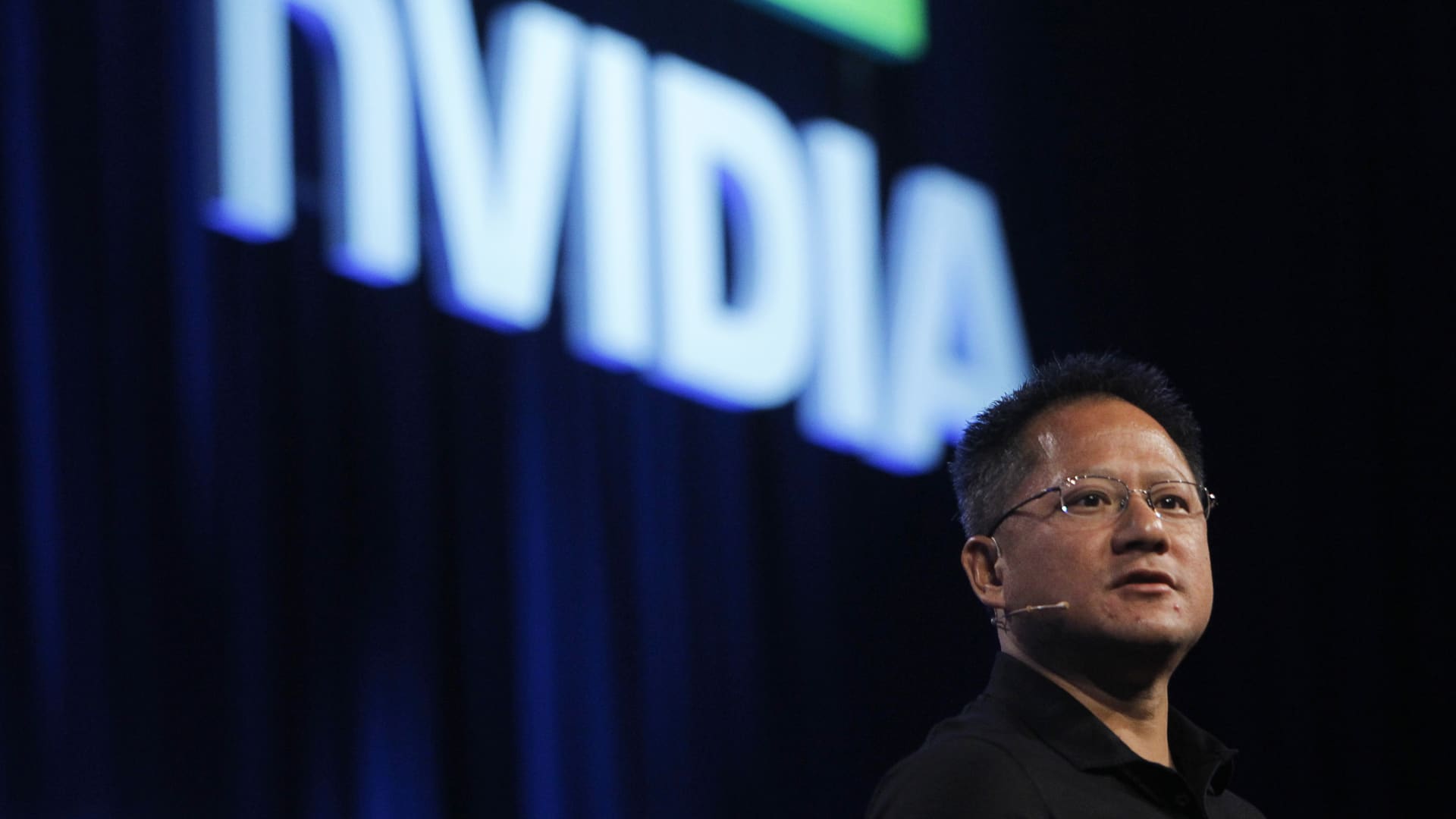
- BofA Stock Picks: Bank of America remains bullish on stocks like Apple and Nvidia as it heads into June, highlighting their significant upside potential, particularly in the current economic climate, making them attractive assets for investors.
- Toll Brothers Strong Performance: Analyst Rafe Jadrosich noted that Toll Brothers delivered a 'rare' beat and raise in its latest quarterly report, with healthy margins and robust demand for luxury homes, positioning it as a top pick despite a challenging macroeconomic environment.
- Citigroup Future Potential: Citigroup has risen 67% over the past 12 months, with BofA analyst Ebrahim Poonawala raising the 12-month price target from $150 to $170, believing the company's proactive approach in AI will further drive stock price increases.
- Retail Stocks Outlook: BofA analyst Robert Ohmes sees strong growth momentum in Dollar General and National Vision Holdings, particularly as Dollar General enhances delivery capabilities through partnerships with Uber and Instacart, despite recent stock declines, making them attractive buying opportunities.
See More
Alphabet's Cloud Revenue Surges 62.7% YoY
- Cloud Market Performance: Alphabet's Google Cloud reported $20 billion in revenue for the latest period, reflecting a remarkable 62.7% year-over-year growth that exceeded expectations, thereby boosting market confidence in Alphabet.
- Optimistic Earnings Outlook: The acceleration in cloud business growth keeps Alphabet's earnings per share outlook bullish, which not only enhances investor confidence in its stock but also has the potential to drive share prices higher.
- Rise of Thematic Investing: Thematic investing has emerged as a crucial way for investors to align with emerging trends, with Alphabet being part of the cloud computing theme, attracting more attention and further solidifying its market position.
- Long-Term Growth Potential: As the cloud computing industry rapidly evolves, Alphabet's cloud services are expected to benefit from increasing market demand, which is projected to drive future revenue and profit growth for the company.
See More
LG Electronics India Seeks $8.71 Billion Valuation in IPO
- IPO Market Surge: LG Electronics India is seeking a valuation of up to 774 billion rupees ($8.71 billion) in its long-delayed IPO, marking one of the largest offerings in India this year, indicating strong demand for new listings in the market.
- Stock Price Surge: Following the announcement of a series of automotive innovations developed in collaboration with Google's technology, LG Electronics' shares surged by 23.95% to 279,500 won, reflecting positive investor sentiment and increased market confidence in the company's future prospects.
- Technological Innovation Edge: LG's new solutions, built on Android automotive operating systems, can control multiple displays with varying aspect ratios simultaneously, significantly reducing costs for automakers deploying multi-display systems, thereby enhancing its competitive position in the market.
- Expansive Market Outlook: The global Android automotive OS market is projected to grow from $895.6 million in 2025 to $2.14 billion by 2035, showcasing LG's strategic positioning in the rapidly expanding automotive technology sector and its potential for future growth.
See More
Abel's Key Investments at Berkshire Hathaway Post-Appointment
- Successful Oxychem Acquisition: Berkshire Hathaway's acquisition of Oxychem for $9.7 billion came at a strategic low point in the chemical industry, with an estimated 8x EBITDA for 2025, enhancing the company's competitive edge while retaining preferred shares in Occidental, yielding an 8% dividend.
- Strategic Investment in Tokio Marine: Abel's $1.8 billion investment for a 2.5% stake in Tokio Marine, with the option to increase to 9.9%, strengthens Berkshire's insurance business through a risk-sharing agreement, despite paying nearly double the book value, which could yield significant returns.
- Precise Timing for Alphabet Increase: Abel's decision to triple Berkshire's investment in Alphabet to $11 billion in Q1 positioned it as the fifth-largest equity holding, benefiting from a market recovery and strong earnings, with the stock price rising approximately 35% since last quarter.
- AI-Driven Revenue Growth: Alphabet's cloud revenue surged 63%, with operating margins expanding from 17.8% to 32.9%, as AI integration enhances search and advertising revenues, indicating strong growth potential moving forward.
See More
Abel's First Quarter Investments Yield Positive Results
- Successful OxyChem Acquisition: Berkshire Hathaway's $9.7 billion acquisition of OxyChem was timed perfectly at the chemical industry's low point, with an estimated 8 times EBITDA for 2025, and future modernization efforts are expected to enhance cash flow and profitability.
- Strategic Investment in Tokio Marine: Abel's $1.8 billion investment for a 2.5% stake in Tokio Marine, with the option to increase to 9.9%, not only strengthens Berkshire's insurance business but also introduces a risk-sharing agreement that could yield further upside, positively received by the market.
- Increased Stake in Alphabet: Abel tripled Berkshire's investment in Alphabet to approximately $22.5 billion, spending around $11 billion in the first quarter, benefiting from market recovery and strong AI performance, with the stock price rising about 35% since last quarter.
- AI Driving Revenue Growth: Alphabet's cloud revenue grew 63% in Q1, with operating margins expanding from 17.8% to 32.9%, and the integration of AI technologies is expected to further enhance profitability in search and advertising, positioning the company for sustained growth.
See More
Stock Market Reaches New Highs on Iran Deal Hopes
- Market Highs: The stock market reached new highs driven by optimistic expectations surrounding an Iran deal, reflecting investor confidence in future economic recovery, which may attract more capital inflows into the market.
- Tech Giants Performance: Nvidia and Tesla, among five trillion-dollar companies nearing buy points, indicate potential investment opportunities in these tech stocks as the market rebounds, further propelling overall market gains.
- Improved Investor Sentiment: With the improvement in market sentiment, investor interest in high-risk assets has increased, potentially leading to a shift of funds from the bond market to the stock market, enhancing the upward momentum of equities.
- Economic Recovery Expectations: The optimism surrounding the Iran deal not only boosts stock market performance but may also promote recovery in related sectors, particularly in energy and technology, further driving economic growth.
See More
Bank of America Bullish on Apple and Nvidia Stocks
- BofA Stock Picks: Bank of America remains bullish on stocks like Apple and Nvidia as it heads into June, highlighting their significant upside potential, particularly in the current economic climate, making them attractive assets for investors.
- Toll Brothers Strong Performance: Analyst Rafe Jadrosich noted that Toll Brothers delivered a 'rare' beat and raise in its latest quarterly report, with healthy margins and robust demand for luxury homes, positioning it as a top pick despite a challenging macroeconomic environment.
- Citigroup Future Potential: Citigroup has risen 67% over the past 12 months, with BofA analyst Ebrahim Poonawala raising the 12-month price target from $150 to $170, believing the company's proactive approach in AI will further drive stock price increases.
- Retail Stocks Outlook: BofA analyst Robert Ohmes sees strong growth momentum in Dollar General and National Vision Holdings, particularly as Dollar General enhances delivery capabilities through partnerships with Uber and Instacart, despite recent stock declines, making them attractive buying opportunities.
See More