Alibaba's Qwen Platform Sees Order Surge During Lunar New Year
Written by Emily J. Thompson, Senior Investment Analyst
Updated: Feb 12 2026
0mins
Should l Buy BABA?
Source: Benzinga
- Surge in Orders: During the Lunar New Year, Alibaba's Qwen platform processed over 120 million orders in just six days, indicating a strong consumer acceptance of AI-driven shopping, particularly from counties and rural areas where nearly half of the orders originated, highlighting significant market potential.
- Growth in Senior Users: Approximately 1.56 million individuals aged 60 and above made their first online purchases through Qwen, reflecting Alibaba's success in attracting new users, especially among the elderly demographic, thereby expanding its user base significantly.
- Incentive Measures Drive Engagement: Alibaba's Lunar New Year promotional campaign, launched on February 6, aims to distribute 3 billion yuan (approximately $431 million) in incentives through Qwen, designed to enhance user engagement and strengthen market competitiveness, particularly in the AI application sector.
- Behavioral Shift Indicator: Alibaba noted that the campaign triggered a shift in consumer behavior towards AI-powered shopping, with QuestMobile reporting significant increases in daily active users for major AI apps, signaling a potential inflection point for AI commerce that could reshape future consumer habits.
Trade with 70% Backtested Accuracy
Stop guessing "Should I Buy BABA?" and start using high-conviction signals backed by rigorous historical data.
Sign up today to access powerful investing tools and make smarter, data-driven decisions.
Analyst Views on BABA
Wall Street analysts forecast BABA stock price to rise
15 Analyst Rating
15 Buy
0 Hold
0 Sell
Strong Buy
Current: 123.730

Low
180.00
Averages
203.09
High
230.00
Current: 123.730
Low
180.00
Averages
203.09
High
230.00
About BABA
Alibaba Group Holding Ltd is an investment holding company mainly engaged in the provision of technology infrastructure and marketing platforms. The Company operates its business through four segments. The Alibaba China E-commerce Group segment is mainly engaged in E-commerce business, including operating Tmall Supermarket and Tmall Global, providing customer management services, product sales, as well as logistics services. It also operates quick commerce business such as Taobao Instant Commerce and Ele.me, as well as the China commerce wholesale business through 1688.com. The Alibaba International Digital Commerce Group segment is mainly engaged in international commerce retail and wholesale business, operating platforms such as AliExpress, Trendyol, Lazada and Alibaba.com. The Cloud Intelligence Group segment mainly provides public and non-public cloud services. The Other segments primarily include the operations of Freshippo, Cainiao, Alibaba Health and other business.
About the author

Emily J. Thompson
Emily J. Thompson, a Chartered Financial Analyst (CFA) with 12 years in investment research, graduated with honors from the Wharton School. Specializing in industrial and technology stocks, she provides in-depth analysis for Intellectia’s earnings and market brief reports.
Saudi Fund Eyes $5 Billion Stake in SpaceX IPO

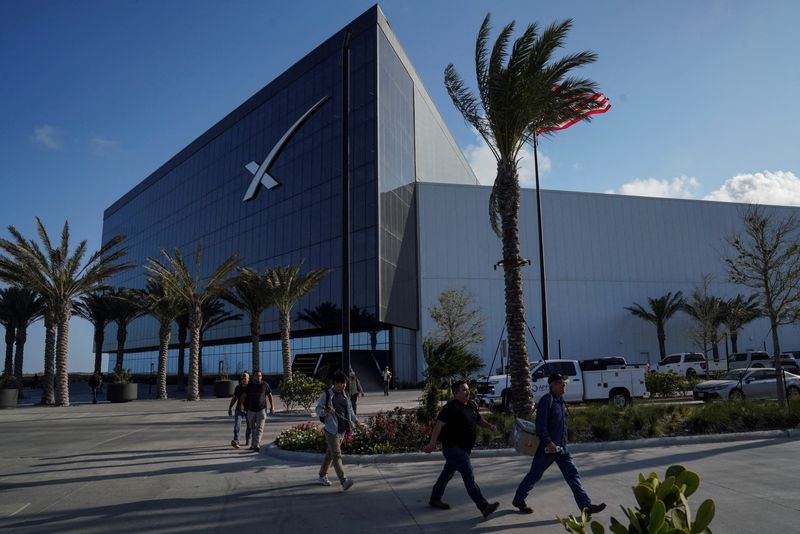
- Investment Negotiations: SpaceX is in discussions with Saudi Arabia's Public Investment Fund (PIF) about a potential $5 billion investment in its IPO, which would help protect PIF's existing stake of just under 1%, indicating confidence in SpaceX's future growth.
- Record-Breaking IPO Scale: SpaceX aims to raise up to $75 billion in its initial public offering, a figure that would surpass the previous record IPOs of Saudi Aramco in 2019 and Alibaba in 2014, highlighting strong market interest in the space industry.
- Institutional Investor Participation: PIF's role as an anchor investor will provide confidence for SpaceX's market debut, helping to attract other investors and ensure a solid demand foundation for the IPO.
- Market Launch Timeline: SpaceX recently submitted confidential IPO paperwork to the SEC and is targeting a market launch later this year, indicating the company's proactive approach to entering the capital markets and seeking further funding to support its business expansion.
See More
Alibaba Launches Qwen3.6-Plus AI Model with Enhanced Capabilities
- Model Launch: Alibaba's release of the Qwen3.6-Plus AI model significantly enhances its agentic coding capabilities, covering everything from front-end web development to complex repository problem-solving, setting a new industry standard that is expected to boost the company's competitiveness in the AI sector.
- API Integration: The model is available through Alibaba Cloud Model Studio's API and can be seamlessly integrated into popular third-party coding assistants like OpenClaw, Claude Code, and Qwen Code, thereby optimizing development workflows and improving efficiency.
- Enhanced Multimodal Reasoning: Qwen3.6-Plus achieves substantial breakthroughs in complex document understanding, physical world visual analysis, and video reasoning, allowing for more accurate integration of cross-modal information for sophisticated analysis and decision-making, thus enhancing the developer experience.
- Market Competition Pressure: Despite the technological advancements represented by Qwen3.6-Plus, Alibaba faces intense competition in the Chinese market from companies like ByteDance, Baidu, and DeepSeek, leading to a premarket dip of about 2% in its stock price on Thursday.
See More

Micron Technology Reports Blowout Earnings, Stock Reaction Muted


- Impressive Earnings: Micron Technology's latest earnings report revealed quarterly revenue nearing $24 billion, nearly tripling year-over-year and exceeding market expectations by nearly $4 billion; however, the stock fell about 2.8%, indicating market caution regarding future growth.
- Doubling Gross Margin: The company's gross margin doubled year-over-year to approximately 74%, an extraordinary feat for a mature company, reflecting significant pricing power amid surging demand for AI infrastructure.
- Strong Guidance: Micron's revenue guidance for the current quarter is set at $33.5 billion, well above analysts' expectations of $24.3 billion, suggesting a nearly 50% gross margin and indicating continued benefits from the AI investment surge.
- Strategic Customer Agreements: Micron is entering into long-term strategic agreements with customers, marking its first five-year contracts, which will provide greater business predictability and could alter the cyclical nature of the memory chip industry.
See More

Micron Technologies Surpasses Earnings Expectations Amid AI Demand Surge
- Impressive Earnings: Micron Technologies reported nearly $24 billion in revenue for the latest quarter, nearly tripling year-over-year and exceeding market expectations by approximately $4 billion, with gross margins doubling to 74%, reflecting strong market demand and pricing power.
- Strong Future Guidance: The company guided for $33.5 billion in revenue for the upcoming quarter, significantly above analysts' expectations of $24.3 billion, indicating robust confidence in AI infrastructure investments that could drive sustained future growth.
- Strategic Customer Agreements: Micron is entering long-term strategic agreements with customers, including its first five-year contract, enhancing visibility into future business and potentially altering the cyclical nature of the memory market, thereby boosting the company's competitive edge.
- Cautious Market Reaction: Despite the strong earnings report, Micron's stock fell by 2.8%, partly due to market concerns over potential Fed interest rate hikes and geopolitical tensions in the Middle East, reflecting investor caution regarding future demand.
See More
SpaceX Confidentially Files for IPO, Eyes $1.75 Trillion Valuation

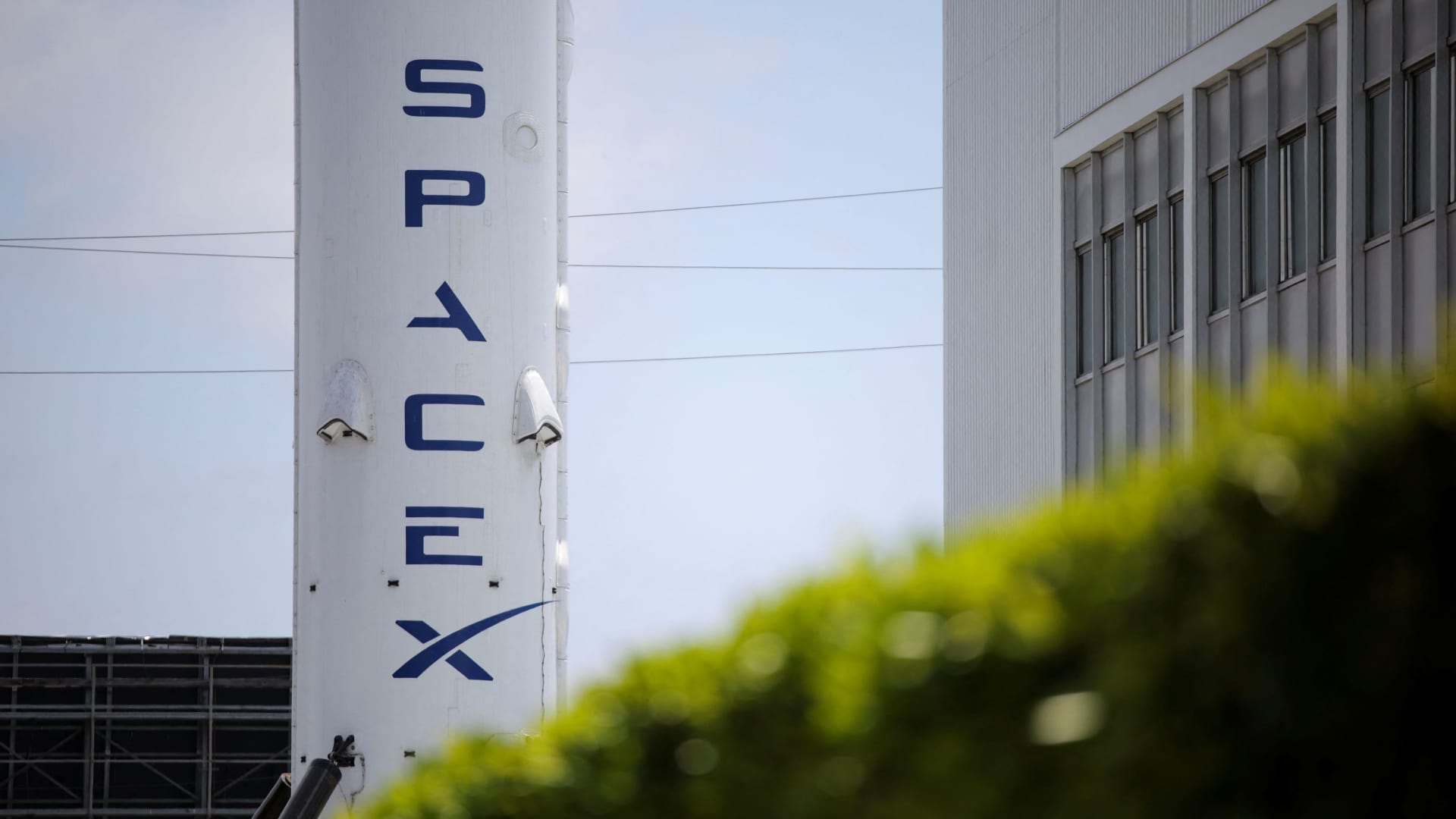
- IPO Process Accelerated: SpaceX has confidentially filed for an IPO with the SEC, aiming for a June listing with a target valuation of $1.75 trillion, which, if successful, would mark the largest public offering in history.
- Massive Fundraising Goal: The company plans to raise up to $75 billion, surpassing Alibaba's $22 billion record set in 2014 for U.S. IPOs, indicating strong market interest and investment potential in the aerospace sector.
- Government Contract Support: Since 2008, SpaceX has secured over $24.4 billion in contracts from the federal government, including support from NASA and the Air Force, providing a robust financial foundation for its IPO.
- Market Environment Challenges: Despite SpaceX's strong fundamentals, increased market volatility could impact the IPO's success, with experts noting that current geopolitical conditions need to improve to ensure investor confidence.
See More
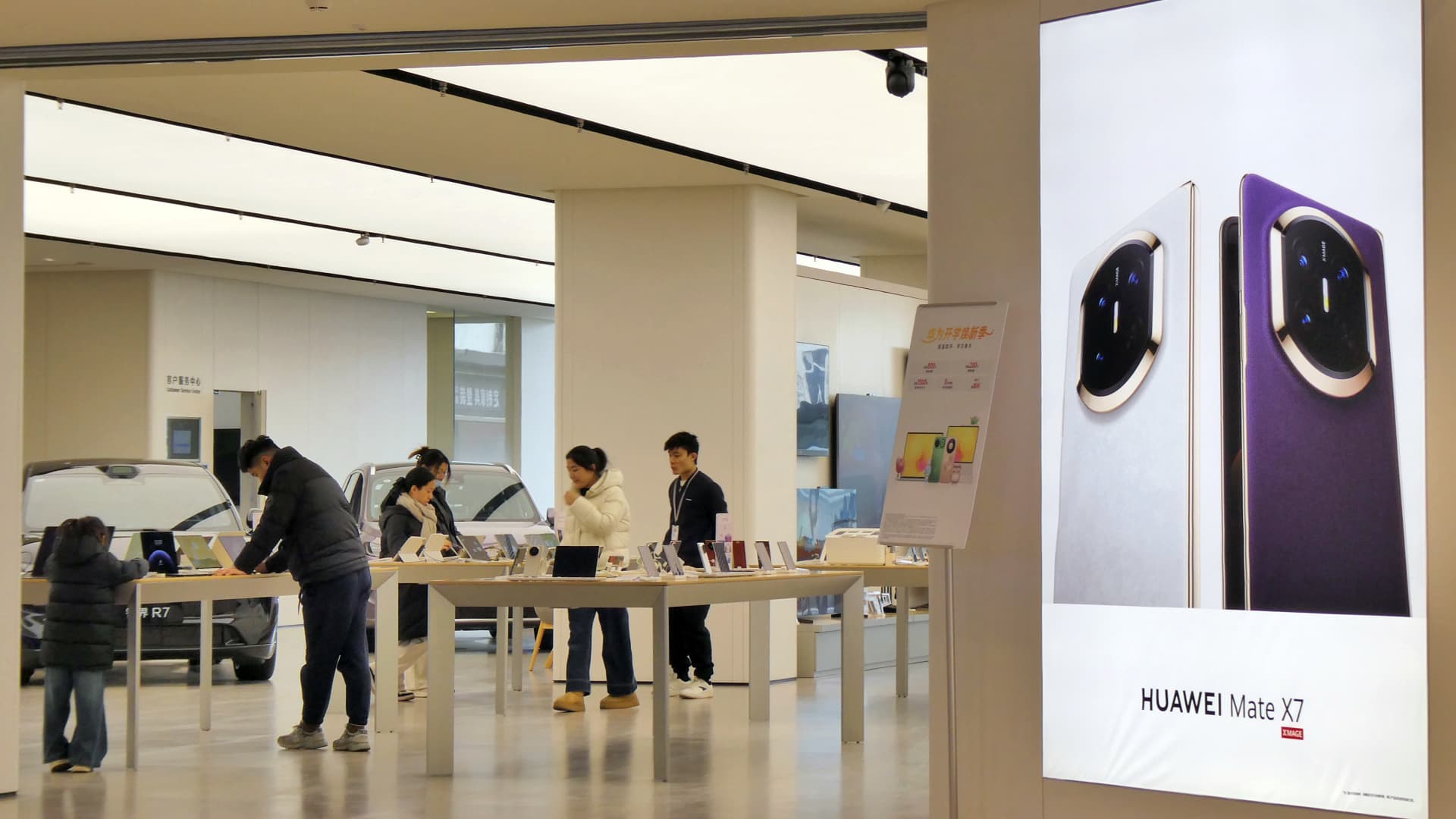
Huawei's Cloud Revenue Declines Amid AI Chip Development Challenges

- Cloud Revenue Decline: Huawei's cloud revenue from external customers fell by 3.5% to 32.16 billion yuan ($4.6 billion) in 2025, indicating significant competitive pressure, particularly from companies like ByteDance, amid global cloud service market expansion.
- Overall Revenue Growth Weakness: While Huawei's total cloud revenue, including internal customers, rose by 4.8% to 72.8 billion yuan, the main ICT infrastructure segment's growth slowed to 2.6% from 4.9% in 2024, reflecting insufficient market acceptance of its self-developed Ascend AI chip solutions.
- Consumer Business Slowdown: Huawei's consumer business revenue grew only 1.6% to 344.47 billion yuan in 2025, a stark contrast to the 38.3% growth in 2024, highlighting the ongoing impact of U.S. sanctions and a sluggish Chinese consumer market.
- Innovative R&D Investment: Huawei invested a record 192.3 billion yuan in R&D in 2025, accounting for 21.8% of total revenue, demonstrating the company's commitment to technological innovation despite challenges, aiming to maintain a competitive edge in future markets.
See More
Saudi Fund Eyes $5 Billion Stake in SpaceX IPO
- Investment Negotiations: SpaceX is in discussions with Saudi Arabia's Public Investment Fund (PIF) about a potential $5 billion investment in its IPO, which would help protect PIF's existing stake of just under 1%, indicating confidence in SpaceX's future growth.
- Record-Breaking IPO Scale: SpaceX aims to raise up to $75 billion in its initial public offering, a figure that would surpass the previous record IPOs of Saudi Aramco in 2019 and Alibaba in 2014, highlighting strong market interest in the space industry.
- Institutional Investor Participation: PIF's role as an anchor investor will provide confidence for SpaceX's market debut, helping to attract other investors and ensure a solid demand foundation for the IPO.
- Market Launch Timeline: SpaceX recently submitted confidential IPO paperwork to the SEC and is targeting a market launch later this year, indicating the company's proactive approach to entering the capital markets and seeking further funding to support its business expansion.
See More
Alibaba Launches Qwen3.6-Plus AI Model with Enhanced Capabilities
- Model Launch: Alibaba's release of the Qwen3.6-Plus AI model significantly enhances its agentic coding capabilities, covering everything from front-end web development to complex repository problem-solving, setting a new industry standard that is expected to boost the company's competitiveness in the AI sector.
- API Integration: The model is available through Alibaba Cloud Model Studio's API and can be seamlessly integrated into popular third-party coding assistants like OpenClaw, Claude Code, and Qwen Code, thereby optimizing development workflows and improving efficiency.
- Enhanced Multimodal Reasoning: Qwen3.6-Plus achieves substantial breakthroughs in complex document understanding, physical world visual analysis, and video reasoning, allowing for more accurate integration of cross-modal information for sophisticated analysis and decision-making, thus enhancing the developer experience.
- Market Competition Pressure: Despite the technological advancements represented by Qwen3.6-Plus, Alibaba faces intense competition in the Chinese market from companies like ByteDance, Baidu, and DeepSeek, leading to a premarket dip of about 2% in its stock price on Thursday.
See More
Micron Technology Reports Blowout Earnings, Stock Reaction Muted
- Impressive Earnings: Micron Technology's latest earnings report revealed quarterly revenue nearing $24 billion, nearly tripling year-over-year and exceeding market expectations by nearly $4 billion; however, the stock fell about 2.8%, indicating market caution regarding future growth.
- Doubling Gross Margin: The company's gross margin doubled year-over-year to approximately 74%, an extraordinary feat for a mature company, reflecting significant pricing power amid surging demand for AI infrastructure.
- Strong Guidance: Micron's revenue guidance for the current quarter is set at $33.5 billion, well above analysts' expectations of $24.3 billion, suggesting a nearly 50% gross margin and indicating continued benefits from the AI investment surge.
- Strategic Customer Agreements: Micron is entering into long-term strategic agreements with customers, marking its first five-year contracts, which will provide greater business predictability and could alter the cyclical nature of the memory chip industry.
See More
Micron Technologies Surpasses Earnings Expectations Amid AI Demand Surge
- Impressive Earnings: Micron Technologies reported nearly $24 billion in revenue for the latest quarter, nearly tripling year-over-year and exceeding market expectations by approximately $4 billion, with gross margins doubling to 74%, reflecting strong market demand and pricing power.
- Strong Future Guidance: The company guided for $33.5 billion in revenue for the upcoming quarter, significantly above analysts' expectations of $24.3 billion, indicating robust confidence in AI infrastructure investments that could drive sustained future growth.
- Strategic Customer Agreements: Micron is entering long-term strategic agreements with customers, including its first five-year contract, enhancing visibility into future business and potentially altering the cyclical nature of the memory market, thereby boosting the company's competitive edge.
- Cautious Market Reaction: Despite the strong earnings report, Micron's stock fell by 2.8%, partly due to market concerns over potential Fed interest rate hikes and geopolitical tensions in the Middle East, reflecting investor caution regarding future demand.
See More
SpaceX Confidentially Files for IPO, Eyes $1.75 Trillion Valuation
- IPO Process Accelerated: SpaceX has confidentially filed for an IPO with the SEC, aiming for a June listing with a target valuation of $1.75 trillion, which, if successful, would mark the largest public offering in history.
- Massive Fundraising Goal: The company plans to raise up to $75 billion, surpassing Alibaba's $22 billion record set in 2014 for U.S. IPOs, indicating strong market interest and investment potential in the aerospace sector.
- Government Contract Support: Since 2008, SpaceX has secured over $24.4 billion in contracts from the federal government, including support from NASA and the Air Force, providing a robust financial foundation for its IPO.
- Market Environment Challenges: Despite SpaceX's strong fundamentals, increased market volatility could impact the IPO's success, with experts noting that current geopolitical conditions need to improve to ensure investor confidence.
See More
Huawei's Cloud Revenue Declines Amid AI Chip Development Challenges
- Cloud Revenue Decline: Huawei's cloud revenue from external customers fell by 3.5% to 32.16 billion yuan ($4.6 billion) in 2025, indicating significant competitive pressure, particularly from companies like ByteDance, amid global cloud service market expansion.
- Overall Revenue Growth Weakness: While Huawei's total cloud revenue, including internal customers, rose by 4.8% to 72.8 billion yuan, the main ICT infrastructure segment's growth slowed to 2.6% from 4.9% in 2024, reflecting insufficient market acceptance of its self-developed Ascend AI chip solutions.
- Consumer Business Slowdown: Huawei's consumer business revenue grew only 1.6% to 344.47 billion yuan in 2025, a stark contrast to the 38.3% growth in 2024, highlighting the ongoing impact of U.S. sanctions and a sluggish Chinese consumer market.
- Innovative R&D Investment: Huawei invested a record 192.3 billion yuan in R&D in 2025, accounting for 21.8% of total revenue, demonstrating the company's commitment to technological innovation despite challenges, aiming to maintain a competitive edge in future markets.
See More