Alcohol Trends: Decreasing Consumption Rates with Potential Growth in Innovation and M&A

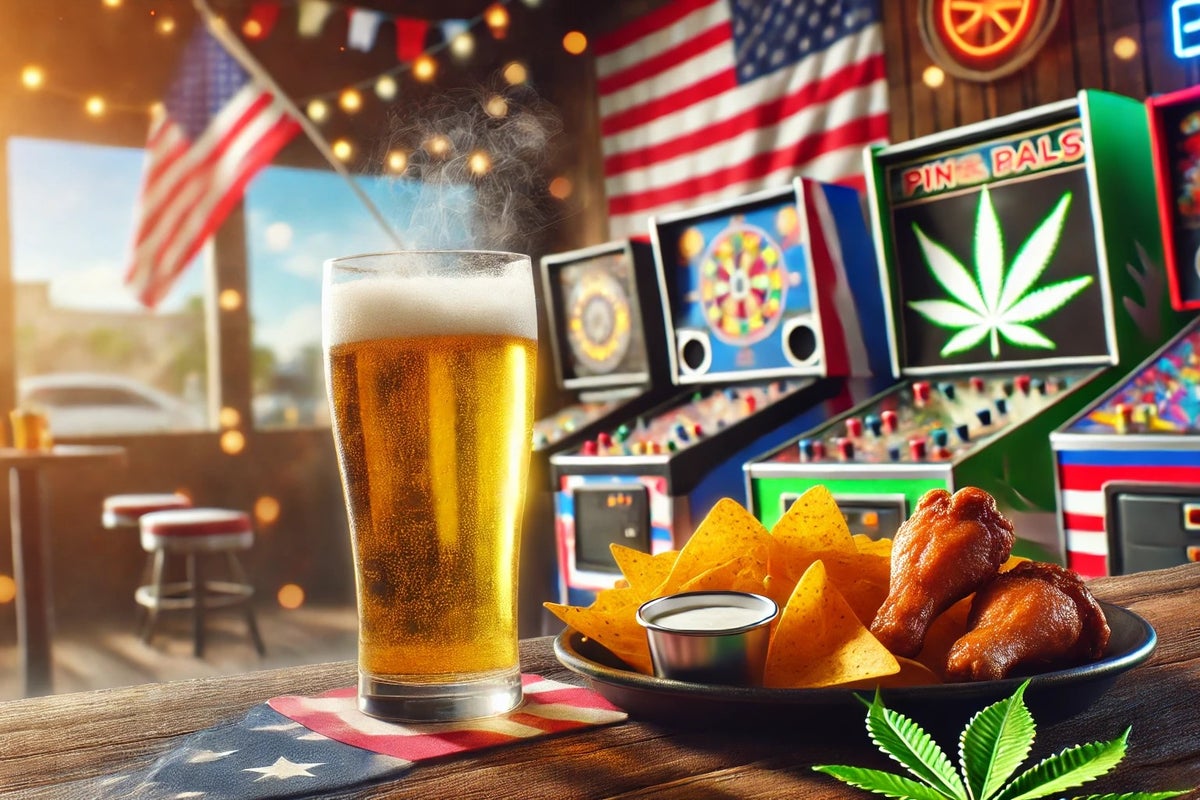
Decline in Alcohol Consumption: The percentage of U.S. adults consuming alcohol has dropped to a multi-decade low of about 54%, with significant declines among younger adults under 35, influenced by changing health perceptions and the rise of no- and low-alcohol alternatives.
Spending Trends: Bank of America reported an 8.6% year-over-year decline in spending at U.S. alcohol stores, with younger generations like Gen-Z and Millennials showing the largest decreases in alcohol-related purchases.
Health Consciousness and Social Changes: Increased awareness of health risks associated with alcohol, along with economic pressures and shifts in social behaviors, such as earlier socializing and online engagement, are contributing to reduced alcohol consumption.
Market Implications and Industry Shifts: The decline in alcohol consumption is affecting major beverage companies, prompting non-alcoholic brands to enter the alcohol market, while traditional alcohol companies explore new product lines, indicating potential for future mergers and acquisitions in the sector.
Trade with 70% Backtested Accuracy
Analyst Views on BUD

About BUD
About the author

World Cup Eliminations Impact Beer Demand

- Market Expectations Decline: The early eliminations of Brazil and Mexico from the World Cup are expected to negatively impact beer demand for Anheuser-Busch InBev (BUD), Constellation Brands (STZ), and Heineken (HEINY), as historical data shows significant beer volume increases when teams make deep tournament runs.
- Sales Growth Data: According to Morgan Stanley's research, beer volume growth is estimated at 80 basis points during quarter-finals, 150 basis points for semi-finals, and 215 basis points for finals, highlighting the substantial impact of Brazil's early exit on the market.
- U.S. Market Focus: With the U.S. matchup against Belgium becoming a key focus, Morgan Stanley analysts note that despite the shorter football history, continued progress by the U.S. team could yield unexpected positive effects on the U.S. beer market, particularly given the host-nation context.
- Stock Market Reaction: Shares of Anheuser-Busch InBev, Constellation Brands, and Heineken all fell on Monday, reflecting market concerns over the impact of World Cup eliminations on beer sales, especially in light of declining expectations in the Brazilian market.

Ambev: Investment Potential of South America's Beer Giant

- Stable Market Performance: Ambev's current stock price is around $3.10, with a market cap nearing $50 billion, indicating a strong market position despite price fluctuations, bolstered by its robust brand portfolio in the South American market.
- Attractive Dividend Yield: Based on recent payouts, Ambev distributes approximately 0.70 Brazilian reals (about $0.13) per share annually, translating to a 4.2% annual dividend yield, providing investors with a reliable income source.
- Premium Market Growth: Ambev's premium and super-premium brands experienced high-teens growth last year, while non-alcoholic beverage sales surged by 30%, demonstrating the company's effective strategies for enhancing profit margins and cash flow.
- Digital Distribution Advantage: With Zé Delivery handling 67 million orders and the BEES platform connecting over a million small retailers directly to its supply chain, Ambev's digital distribution edge allows for optimized pricing and increased profitability per bottle.
Anheuser-Busch Appoints New Chairman Dirk Van de Put
- Unanimous Board Decision: Anheuser-Busch appointed Dirk Van de Put as its new chairman in a unanimous board decision, reflecting the company's strong endorsement of his leadership capabilities, which is expected to further drive its brand-driven growth strategy.
- Extensive Industry Experience: Van de Put has served as an independent director since April 2023 and brings three decades of global consumer packaged goods experience, having held executive roles at Mondelez and McCain Foods, which can provide valuable industry insights to Anheuser-Busch.
- Independent Chair Structure: The appointment maintains an independent chair structure aimed at reinforcing the company's brand-driven growth in both developed and emerging markets, demonstrating Anheuser-Busch's commitment to its long-term strategy.
- Financial Recovery Momentum: Anheuser-Busch's shares have rebounded strongly after facing brand and macro challenges, with steady growth in revenue, EBITDA, and free cash flow rebuilding investor confidence, showcasing the company's competitive position in the market.
Anheuser-Busch Launches First Mobile Bar from Combine Harvester
- Agricultural Commitment Enhanced: Anheuser-Busch's ComBar, a mobile bar crafted from a real combine harvester, symbolizes the company's 165-year commitment to U.S. agriculture, aiming to elevate consumer awareness of locally sourced ingredients.
- Substantial Investment in Farmers: Annually, Anheuser-Busch invests $700 million in 700 American farmers to ensure that the high-quality barley, rice, corn, and hops used in its beers are sourced from the U.S., further solidifying its leadership in the industry.
- Nationwide Tour: The ComBar will embark on a nationwide tour coinciding with America's 250th birthday, appearing at major agricultural and community events to encourage consumers to choose beers made with U.S.-grown ingredients, thereby supporting local farmers.
- Brand Image Enhancement: The ComBar serves not only as a 10-ton mobile bar but also as a unique tribute to American farmers, enhancing Anheuser-Busch's brand image and market influence through its distinctive design and functionality.
Anheuser-Busch Launches First Mobile Bar to Honor American Farmers
- Mobile Bar Launch: Anheuser-Busch introduces the first-of-its-kind 10-ton, 400+ sq. ft. mobile bar, ComBar, designed to honor American farmers and reinforce the company's commitment to U.S. agriculture.
- Significant Investment: The company invests $700 million annually in sourcing high-quality ingredients from 700 American farmers, ensuring that its beers are made with U.S.-grown components, thereby strengthening its market position.
- Nationwide Tour: The ComBar will embark on a nationwide tour in summer 2026, participating in various agricultural and community events to encourage consumers to choose products made with U.S.-grown ingredients, enhancing brand image.
- Celebrating America's 250th: Coinciding with America's 250th birthday, the launch of ComBar serves not only as a tribute to farmers but also as a support for American agriculture, aiming to increase consumer recognition of local products.
Anheuser-Busch Invests $20 Million to Expand Production
- Expansion Investment: Anheuser-Busch will invest over $20 million in its St. Louis brewery and Arnold can manufacturing plant to upgrade brewing and packaging equipment, thereby boosting production capacity for the rapidly growing Michelob ULTRA beer and other brands to meet market demand.
- Long-term Commitment: This investment is part of Anheuser-Busch's $600 million commitment to its U.S. operations across 2025 and 2026, demonstrating the company's focus on the U.S. market and its strategic positioning in the competitive beer industry.
- Skills Training Center: The company plans to open one of 15 new technical skills training centers nationwide in St. Louis, aiming to train over 90% of its manufacturing workforce over the next five years, which will enhance overall production efficiency and employee skill levels, thereby strengthening the company's competitiveness.
- Iconic Sign Relocation: Anheuser-Busch will also move its animated 'A & Eagle' sign from its former Newark facility to the St. Louis campus, further solidifying its brand presence in Missouri and celebrating its recent induction into the Missouri Manufacturers Hall of Fame.
World Cup Eliminations Impact Beer Demand
- Market Expectations Decline: The early eliminations of Brazil and Mexico from the World Cup are expected to negatively impact beer demand for Anheuser-Busch InBev (BUD), Constellation Brands (STZ), and Heineken (HEINY), as historical data shows significant beer volume increases when teams make deep tournament runs.
- Sales Growth Data: According to Morgan Stanley's research, beer volume growth is estimated at 80 basis points during quarter-finals, 150 basis points for semi-finals, and 215 basis points for finals, highlighting the substantial impact of Brazil's early exit on the market.
- U.S. Market Focus: With the U.S. matchup against Belgium becoming a key focus, Morgan Stanley analysts note that despite the shorter football history, continued progress by the U.S. team could yield unexpected positive effects on the U.S. beer market, particularly given the host-nation context.
- Stock Market Reaction: Shares of Anheuser-Busch InBev, Constellation Brands, and Heineken all fell on Monday, reflecting market concerns over the impact of World Cup eliminations on beer sales, especially in light of declining expectations in the Brazilian market.
Ambev: Investment Potential of South America's Beer Giant
- Stable Market Performance: Ambev's current stock price is around $3.10, with a market cap nearing $50 billion, indicating a strong market position despite price fluctuations, bolstered by its robust brand portfolio in the South American market.
- Attractive Dividend Yield: Based on recent payouts, Ambev distributes approximately 0.70 Brazilian reals (about $0.13) per share annually, translating to a 4.2% annual dividend yield, providing investors with a reliable income source.
- Premium Market Growth: Ambev's premium and super-premium brands experienced high-teens growth last year, while non-alcoholic beverage sales surged by 30%, demonstrating the company's effective strategies for enhancing profit margins and cash flow.
- Digital Distribution Advantage: With Zé Delivery handling 67 million orders and the BEES platform connecting over a million small retailers directly to its supply chain, Ambev's digital distribution edge allows for optimized pricing and increased profitability per bottle.
Anheuser-Busch Appoints New Chairman Dirk Van de Put
- Unanimous Board Decision: Anheuser-Busch appointed Dirk Van de Put as its new chairman in a unanimous board decision, reflecting the company's strong endorsement of his leadership capabilities, which is expected to further drive its brand-driven growth strategy.
- Extensive Industry Experience: Van de Put has served as an independent director since April 2023 and brings three decades of global consumer packaged goods experience, having held executive roles at Mondelez and McCain Foods, which can provide valuable industry insights to Anheuser-Busch.
- Independent Chair Structure: The appointment maintains an independent chair structure aimed at reinforcing the company's brand-driven growth in both developed and emerging markets, demonstrating Anheuser-Busch's commitment to its long-term strategy.
- Financial Recovery Momentum: Anheuser-Busch's shares have rebounded strongly after facing brand and macro challenges, with steady growth in revenue, EBITDA, and free cash flow rebuilding investor confidence, showcasing the company's competitive position in the market.
Anheuser-Busch Launches First Mobile Bar from Combine Harvester
- Agricultural Commitment Enhanced: Anheuser-Busch's ComBar, a mobile bar crafted from a real combine harvester, symbolizes the company's 165-year commitment to U.S. agriculture, aiming to elevate consumer awareness of locally sourced ingredients.
- Substantial Investment in Farmers: Annually, Anheuser-Busch invests $700 million in 700 American farmers to ensure that the high-quality barley, rice, corn, and hops used in its beers are sourced from the U.S., further solidifying its leadership in the industry.
- Nationwide Tour: The ComBar will embark on a nationwide tour coinciding with America's 250th birthday, appearing at major agricultural and community events to encourage consumers to choose beers made with U.S.-grown ingredients, thereby supporting local farmers.
- Brand Image Enhancement: The ComBar serves not only as a 10-ton mobile bar but also as a unique tribute to American farmers, enhancing Anheuser-Busch's brand image and market influence through its distinctive design and functionality.
Anheuser-Busch Launches First Mobile Bar to Honor American Farmers
- Mobile Bar Launch: Anheuser-Busch introduces the first-of-its-kind 10-ton, 400+ sq. ft. mobile bar, ComBar, designed to honor American farmers and reinforce the company's commitment to U.S. agriculture.
- Significant Investment: The company invests $700 million annually in sourcing high-quality ingredients from 700 American farmers, ensuring that its beers are made with U.S.-grown components, thereby strengthening its market position.
- Nationwide Tour: The ComBar will embark on a nationwide tour in summer 2026, participating in various agricultural and community events to encourage consumers to choose products made with U.S.-grown ingredients, enhancing brand image.
- Celebrating America's 250th: Coinciding with America's 250th birthday, the launch of ComBar serves not only as a tribute to farmers but also as a support for American agriculture, aiming to increase consumer recognition of local products.
Anheuser-Busch Invests $20 Million to Expand Production
- Expansion Investment: Anheuser-Busch will invest over $20 million in its St. Louis brewery and Arnold can manufacturing plant to upgrade brewing and packaging equipment, thereby boosting production capacity for the rapidly growing Michelob ULTRA beer and other brands to meet market demand.
- Long-term Commitment: This investment is part of Anheuser-Busch's $600 million commitment to its U.S. operations across 2025 and 2026, demonstrating the company's focus on the U.S. market and its strategic positioning in the competitive beer industry.
- Skills Training Center: The company plans to open one of 15 new technical skills training centers nationwide in St. Louis, aiming to train over 90% of its manufacturing workforce over the next five years, which will enhance overall production efficiency and employee skill levels, thereby strengthening the company's competitiveness.
- Iconic Sign Relocation: Anheuser-Busch will also move its animated 'A & Eagle' sign from its former Newark facility to the St. Louis campus, further solidifying its brand presence in Missouri and celebrating its recent induction into the Missouri Manufacturers Hall of Fame.