Alaska's Latest Mining Boom Pursues a More Valuable Resource Than Gold
Written by Emily J. Thompson, Senior Investment Analyst
Updated: Nov 08 2025
0mins

Source: WSJ
Mining for Antimony: Rod Blakestad and his team are searching for antimony, a critical element in the defense industry, at a mining site in Ester, Alaska.
Trade Tensions: The hunt for antimony is intensified by the ongoing trade conflict between the U.S. and China, highlighting its strategic importance.
Trade with 70% Backtested Accuracy
Stop guessing "Should I Buy UAMY?" and start using high-conviction signals backed by rigorous historical data.
Sign up today to access powerful investing tools and make smarter, data-driven decisions.
Analyst Views on UAMY
Wall Street analysts forecast UAMY stock price to rise
3 Analyst Rating
3 Buy
0 Hold
0 Sell
Strong Buy
Current: 8.940

Low
9.75
Averages
10.00
High
10.25
Current: 8.940
Low
9.75
Averages
10.00
High
10.25
About UAMY
United States Antimony Corporation is engaged in the production and sale of antimony, precious metals, primarily gold and silver, and zeolite products. The Company has two reportable segments: antimony and zeolite. Its antimony segment consists of its facility located in the Burns Mining District of Sanders County in Montana that processes ore primarily into antimony oxide, antimony metal, antimony trisulfide, and precious metals, and its two facilities in its US Antimony de Mexico, S.A. de C.V. (USAMSA) subsidiary located in Mexico that process ore primarily into antimony metal and a lower grade of antimony oxide. Its zeolite segment includes its vertically integrated Bear River Zeolite (BRZ) facility located in Preston, Idaho that mines, processes, and sells zeolite. Its zeolite has been used in soil amendment and fertilizer, water filtration, and sewage treatment. The Company also operates Fostung Tungsten Property located near Sudbury, Ontario, Canada, near the town of Espanola.
About the author

Emily J. Thompson
Emily J. Thompson, a Chartered Financial Analyst (CFA) with 12 years in investment research, graduated with honors from the Wharton School. Specializing in industrial and technology stocks, she provides in-depth analysis for Intellectia’s earnings and market brief reports.
Pakistan Proposes to Host US-Iran Peace Talks

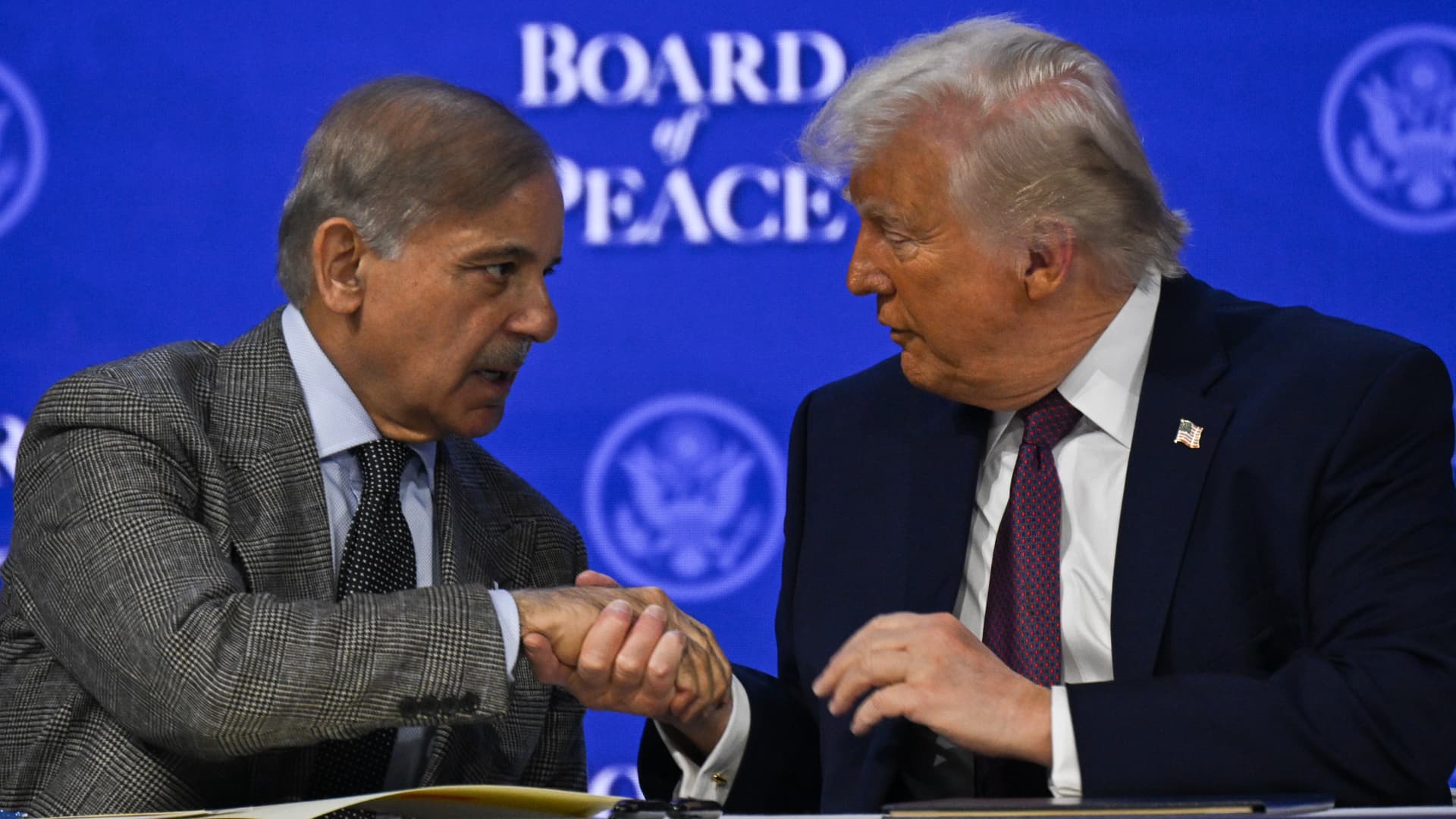
- Pakistan's Mediating Role: Prime Minister Shehbaz Sharif of Pakistan announced the country's readiness to host peace talks between the U.S. and Iran, aiming for a comprehensive resolution to the ongoing conflict, which is crucial for promoting peace and stability in the Middle East.
- Trump's Firm Stance: President Trump claimed on social media that despite contradictory reports regarding negotiations with Iran, U.S. negotiators had engaged in 'very strong talks' recently, leading him to postpone an ultimatum for Iran, indicating a potential shift in diplomatic strategy.
- Diplomatic Efforts by Regional Leaders: Reports suggest that countries like Pakistan, Egypt, and Turkey are acting as intermediaries in the U.S.-Iran talks, highlighting the proactive role of regional nations in facilitating peace, although Saudi Crown Prince Mohammed bin Salman is reportedly urging Trump to maintain a confrontational approach towards Iran.
- Market Reaction: Trump's announcement resulted in a rally in U.S. stocks, reflecting market optimism regarding potential peace negotiations, despite Iranian officials denying any ongoing discussions, indicating the complexity and uncertainty of the situation.
See More

Global Commodities Market Structural Realignment

- Copper Supply Shortage Forecast: J.P. Morgan projects a significant refined copper deficit of 330,000 metric tonnes in 2026, driven by historic underinvestment and mine disruptions, which could lead to rising copper prices and impact profitability for related companies.
- Critical Minerals Ministerial: The U.S. State Department gathered 54 nations for the Critical Minerals Ministerial, committing over $10 billion to secure scalable supply chains and signing eleven new bilateral agreements with key producing countries, highlighting the global emphasis on critical mineral resources.
- GoldHaven Resource Expansion: GoldHaven has expanded its Magno project in British Columbia with three newly acquired mineral claims totaling over 37,200 hectares, containing tungsten, molybdenum, and copper-zinc deposits, indicating its potential and strategic positioning in the critical minerals sector.
- United States Antimony Revenue Growth: The company reported a revenue of $39.26 million for 2025, up 163% year-over-year, primarily due to soaring antimony prices following China's export controls, with a 2026 revenue guidance of $125 million, underscoring its critical role in mineral supply chains.
See More
EU and Australia Reach Major Trade Agreement

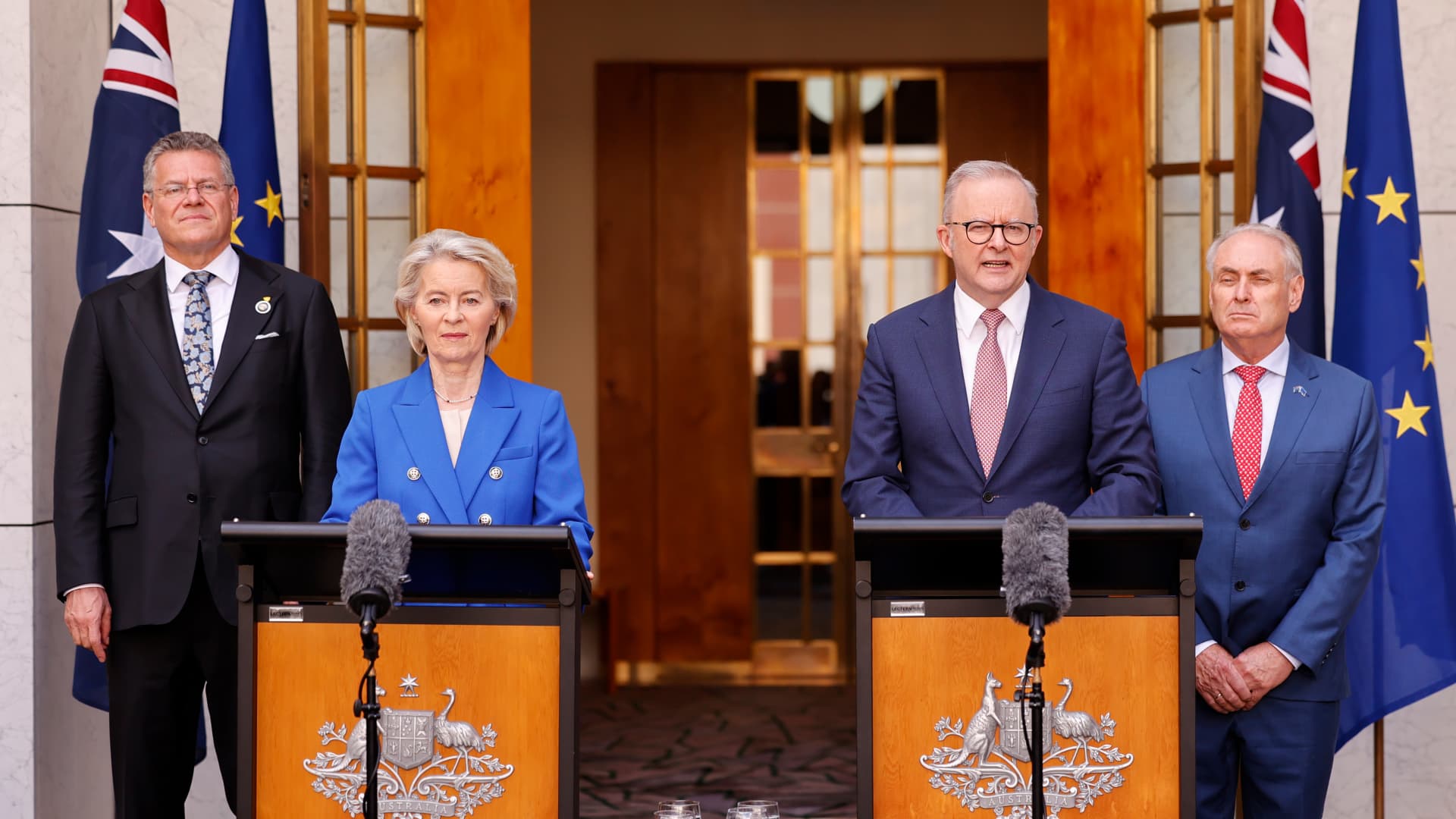
- Tariff Reductions: The newly reached trade agreement will see the EU eliminate around 98% of tariffs on Australian goods, including wine, dairy, and seafood, while Australia will remove tariffs on over 99% of EU goods, significantly boosting bilateral trade.
- Export Growth Expectations: EU exports to Australia are projected to grow by up to 33% over the next decade, with annual export value reaching €17.7 billion ($20.5 billion), further enhancing the EU's economic influence in the Asia-Pacific region.
- Critical Mineral Supply Assurance: The agreement secures EU access to critical raw materials from Australia, such as aluminum, lithium, and manganese, which are vital for the EU's economic security amid rising global geopolitical uncertainties.
- Investment Growth Potential: According to the Australian government, investment from the EU is expected to increase by over 87%, solidifying the EU's position as Australia's second-largest source of foreign investment and fostering deeper economic integration between the two regions.
See More

H.C. Wainwright Increases Target Price for United States Antimony Corp. to $11.5 from $10.25
- Company Announcement: United States Antimony Corporation (USAC) has raised its target price for H.C. Wainwright to $11.5 from a previous $10.25.
- Market Implications: This adjustment reflects a positive outlook on the company's performance and potential growth in the market.
See More
Iran's Missile Attack on UK-US Base Fails

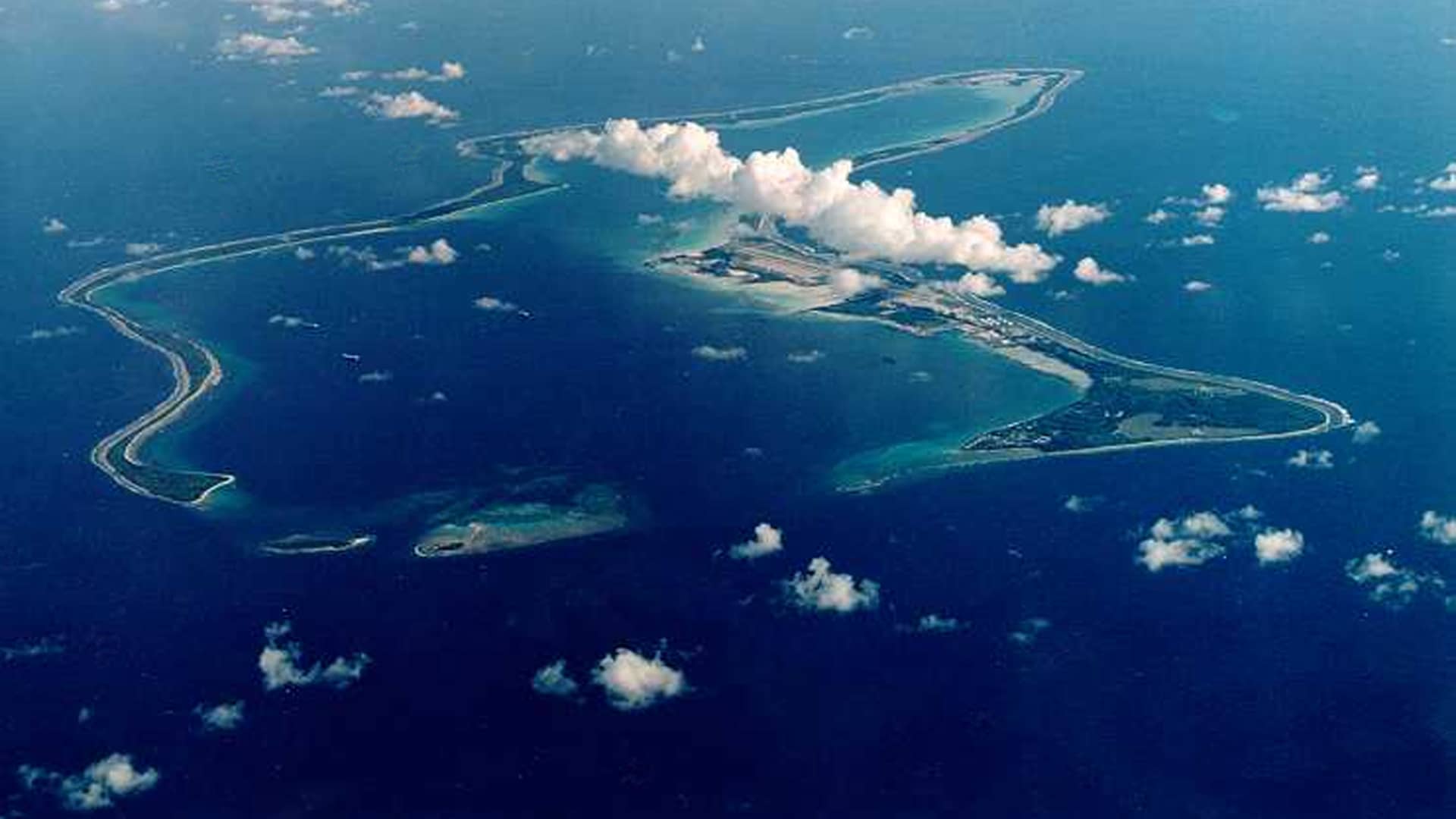
- Missile Attack Incident: Iran fired two missiles at the UK-US joint military base Diego Garcia, which failed to hit the target, marking Iran's first operational use of intermediate-range ballistic missiles and indicating its capability to threaten US interests beyond the Middle East.
- Enhanced Defense Measures: The UK Ministry of Defence confirmed that despite the unsuccessful missile strike, Royal Air Force jets and other military assets are reinforcing defenses in the region to protect personnel and facilities, reflecting heightened vigilance against Iranian threats.
- International Response: US President Trump threatened to strike Iran's power plants if the Strait of Hormuz is not fully reopened within 48 hours, a move that could escalate regional tensions and impact global energy markets significantly.
- Energy Market Volatility: The tensions in the Strait of Hormuz have led to Brent crude futures rising to $112.19 per barrel, the highest close since July 2022, indicating growing market concerns over potential supply disruptions.
See More
Trump Claims U.S. Could Withdraw from Iran Immediately
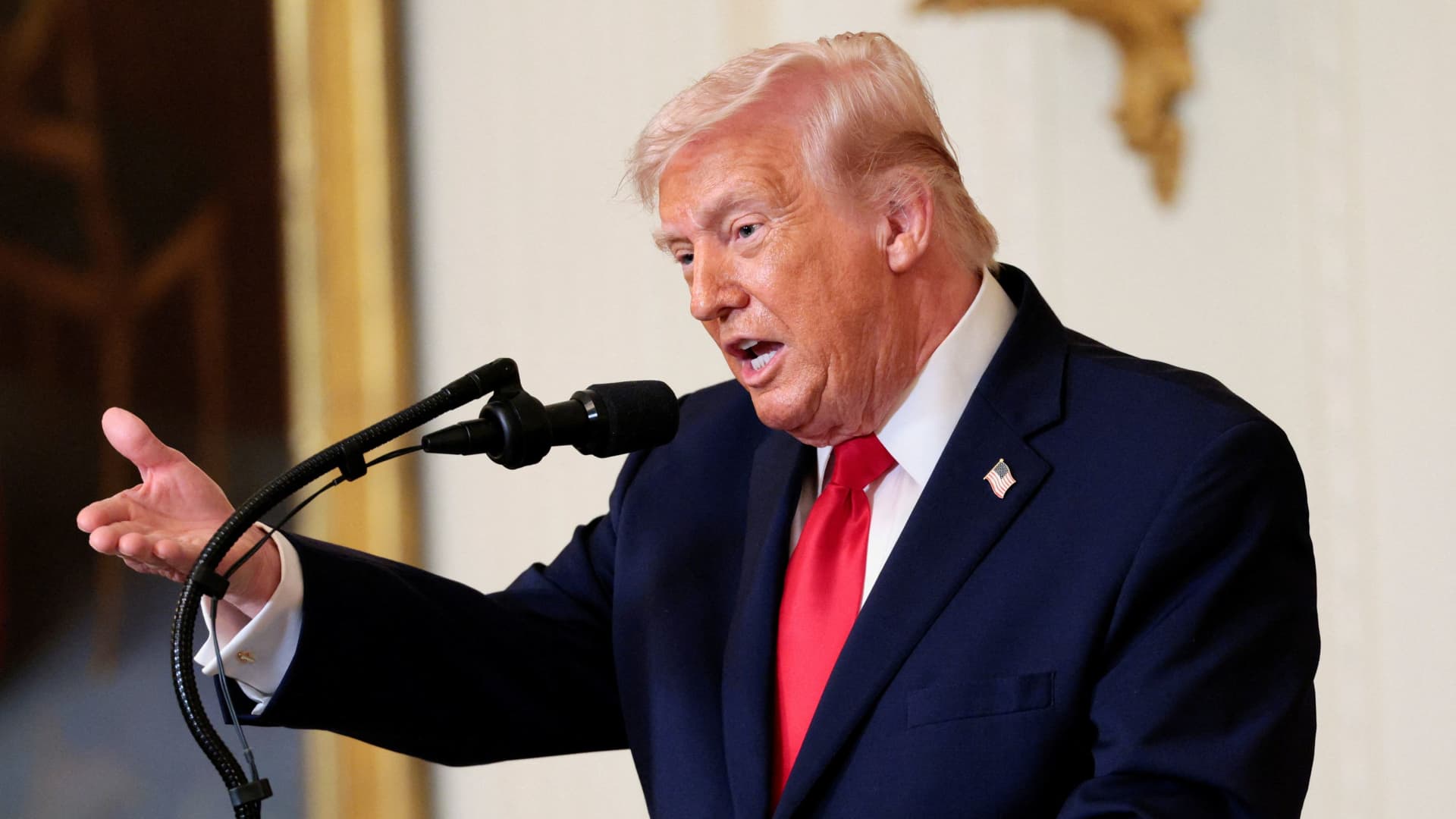
- Military Withdrawal Possibility: Trump stated that the U.S. could withdraw from Iran immediately, although he believes this would allow Tehran to rebuild its military capabilities within a decade, reflecting deep concerns about Iran's military strength and potentially impacting U.S. strategic positioning in the Middle East.
- Troop Increase in the Middle East: The Pentagon plans to send up to 2,500 Marines to the Middle East from San Diego, marking the second reported troop deployment in a week, indicating an escalation of U.S. military presence aimed at countering potential threats from Iran.
- Israel's Position: Israeli Prime Minister Netanyahu emphasized the necessity of a ground component to ensure meaningful regime change in Iran, highlighting Israel's expectations from U.S. military strategy and reflecting the urgency of security concerns in the region.
- Leadership Changes: The Iranian leadership has been significantly weakened due to airstrikes early in the war, with the new Supreme Leader Mojtaba Hosseini Khamenei expressing a desire to strengthen ties with regional neighbors, which could influence future political dynamics amid escalating tensions between the U.S. and Iran.
See More
Pakistan Proposes to Host US-Iran Peace Talks
- Pakistan's Mediating Role: Prime Minister Shehbaz Sharif of Pakistan announced the country's readiness to host peace talks between the U.S. and Iran, aiming for a comprehensive resolution to the ongoing conflict, which is crucial for promoting peace and stability in the Middle East.
- Trump's Firm Stance: President Trump claimed on social media that despite contradictory reports regarding negotiations with Iran, U.S. negotiators had engaged in 'very strong talks' recently, leading him to postpone an ultimatum for Iran, indicating a potential shift in diplomatic strategy.
- Diplomatic Efforts by Regional Leaders: Reports suggest that countries like Pakistan, Egypt, and Turkey are acting as intermediaries in the U.S.-Iran talks, highlighting the proactive role of regional nations in facilitating peace, although Saudi Crown Prince Mohammed bin Salman is reportedly urging Trump to maintain a confrontational approach towards Iran.
- Market Reaction: Trump's announcement resulted in a rally in U.S. stocks, reflecting market optimism regarding potential peace negotiations, despite Iranian officials denying any ongoing discussions, indicating the complexity and uncertainty of the situation.
See More
Global Commodities Market Structural Realignment
- Copper Supply Shortage Forecast: J.P. Morgan projects a significant refined copper deficit of 330,000 metric tonnes in 2026, driven by historic underinvestment and mine disruptions, which could lead to rising copper prices and impact profitability for related companies.
- Critical Minerals Ministerial: The U.S. State Department gathered 54 nations for the Critical Minerals Ministerial, committing over $10 billion to secure scalable supply chains and signing eleven new bilateral agreements with key producing countries, highlighting the global emphasis on critical mineral resources.
- GoldHaven Resource Expansion: GoldHaven has expanded its Magno project in British Columbia with three newly acquired mineral claims totaling over 37,200 hectares, containing tungsten, molybdenum, and copper-zinc deposits, indicating its potential and strategic positioning in the critical minerals sector.
- United States Antimony Revenue Growth: The company reported a revenue of $39.26 million for 2025, up 163% year-over-year, primarily due to soaring antimony prices following China's export controls, with a 2026 revenue guidance of $125 million, underscoring its critical role in mineral supply chains.
See More
EU and Australia Reach Major Trade Agreement
- Tariff Reductions: The newly reached trade agreement will see the EU eliminate around 98% of tariffs on Australian goods, including wine, dairy, and seafood, while Australia will remove tariffs on over 99% of EU goods, significantly boosting bilateral trade.
- Export Growth Expectations: EU exports to Australia are projected to grow by up to 33% over the next decade, with annual export value reaching €17.7 billion ($20.5 billion), further enhancing the EU's economic influence in the Asia-Pacific region.
- Critical Mineral Supply Assurance: The agreement secures EU access to critical raw materials from Australia, such as aluminum, lithium, and manganese, which are vital for the EU's economic security amid rising global geopolitical uncertainties.
- Investment Growth Potential: According to the Australian government, investment from the EU is expected to increase by over 87%, solidifying the EU's position as Australia's second-largest source of foreign investment and fostering deeper economic integration between the two regions.
See More
H.C. Wainwright Increases Target Price for United States Antimony Corp. to $11.5 from $10.25
- Company Announcement: United States Antimony Corporation (USAC) has raised its target price for H.C. Wainwright to $11.5 from a previous $10.25.
- Market Implications: This adjustment reflects a positive outlook on the company's performance and potential growth in the market.
See More
Iran's Missile Attack on UK-US Base Fails
- Missile Attack Incident: Iran fired two missiles at the UK-US joint military base Diego Garcia, which failed to hit the target, marking Iran's first operational use of intermediate-range ballistic missiles and indicating its capability to threaten US interests beyond the Middle East.
- Enhanced Defense Measures: The UK Ministry of Defence confirmed that despite the unsuccessful missile strike, Royal Air Force jets and other military assets are reinforcing defenses in the region to protect personnel and facilities, reflecting heightened vigilance against Iranian threats.
- International Response: US President Trump threatened to strike Iran's power plants if the Strait of Hormuz is not fully reopened within 48 hours, a move that could escalate regional tensions and impact global energy markets significantly.
- Energy Market Volatility: The tensions in the Strait of Hormuz have led to Brent crude futures rising to $112.19 per barrel, the highest close since July 2022, indicating growing market concerns over potential supply disruptions.
See More
Trump Claims U.S. Could Withdraw from Iran Immediately
- Military Withdrawal Possibility: Trump stated that the U.S. could withdraw from Iran immediately, although he believes this would allow Tehran to rebuild its military capabilities within a decade, reflecting deep concerns about Iran's military strength and potentially impacting U.S. strategic positioning in the Middle East.
- Troop Increase in the Middle East: The Pentagon plans to send up to 2,500 Marines to the Middle East from San Diego, marking the second reported troop deployment in a week, indicating an escalation of U.S. military presence aimed at countering potential threats from Iran.
- Israel's Position: Israeli Prime Minister Netanyahu emphasized the necessity of a ground component to ensure meaningful regime change in Iran, highlighting Israel's expectations from U.S. military strategy and reflecting the urgency of security concerns in the region.
- Leadership Changes: The Iranian leadership has been significantly weakened due to airstrikes early in the war, with the new Supreme Leader Mojtaba Hosseini Khamenei expressing a desire to strengthen ties with regional neighbors, which could influence future political dynamics amid escalating tensions between the U.S. and Iran.
See More