Alaska Air Group's Price Target Cut Amid Cautious Outlook
Written by Emily J. Thompson, Senior Investment Analyst
Updated: Apr 12 2026
0mins
Source: Yahoo Finance
- Analyst Rating Maintained: On April 2, TD Cowen analyst Thomas Fitzgerald reiterated a Buy rating on Alaska Air Group (NYSE:ALK) while lowering the price target from $66 to $45, which still offers a 14% upside, indicating confidence in the company's future performance.
- Industry Outlook Adjustment: Concerns over travel demand have led TD Cowen to revise estimates for six major airlines below market consensus, reflecting investor worries about prolonged high energy prices and slowing credit card spending, which could impact overall airline profitability.
- Competitive Analysis: Goldman Sachs analyst Catherine O’Brien also lowered Alaska Air's price target from $68 to $61 on March 31 while maintaining a Buy rating, suggesting a 54% upside potential, indicating a cautious market sentiment towards airline stocks.
- Market Environment Impact: Alaska Air provides scheduled passenger and cargo services across the U.S. and select international markets; despite facing challenges, the company's diversified operations in the airline sector may support future growth.
Trade with 70% Backtested Accuracy
Stop guessing "Should I Buy ALK?" and start using high-conviction signals backed by rigorous historical data.
Sign up today to access powerful investing tools and make smarter, data-driven decisions.
Analyst Views on ALK
Wall Street analysts forecast ALK stock price to rise
11 Analyst Rating
11 Buy
0 Hold
0 Sell
Strong Buy
Current: 41.340

Low
63.00
Averages
71.10
High
80.00
Current: 41.340
Low
63.00
Averages
71.10
High
80.00
About ALK
Alaska Air Group, Inc. is engaged in operating airlines. The Company operates through its subsidiaries Alaska Airlines, Inc., Hawaiian Holdings, Inc., Horizon Air Industries, Inc., and McGee Air Services. The Company's segments include Alaska Airlines, Hawaiian Airlines, and Regional. The Alaska Airlines segment includes scheduled air transportation of passengers and cargo on Boeing 737 (B737), Boeing 787 (B787), Boeing 717 (B717), Airbus A330 (A330), Airbus A321neo (A321neo), and others, throughout North America, Latin America, Asia, and the Pacific. The Regional segment includes Horizon's and other third-party carriers scheduled air transportation on E175 jet aircraft for passengers under capacity purchase agreements (CPAs). The Company serves more than 140 destinations throughout North America, Central America, Asia and across the Pacific. The Company provides freight and mail services (cargo) using both freighter aircraft and the bellies of its passenger aircraft.
About the author

Emily J. Thompson
Emily J. Thompson, a Chartered Financial Analyst (CFA) with 12 years in investment research, graduated with honors from the Wharton School. Specializing in industrial and technology stocks, she provides in-depth analysis for Intellectia’s earnings and market brief reports.

US Stocks Rally as Oil Prices Drop Amid Iran Talks


- Strong Market Performance: The S&P 500 index rose by 0.72% and the Nasdaq 100 by 1.42%, reaching all-time highs, reflecting market confidence in economic recovery, particularly against the backdrop of falling oil prices and declining bond yields.
- Oil Price Volatility: WTI crude oil prices fell to a 2.5-week low, dropping over 3% today, primarily influenced by progress in US-Iran peace talks, although military actions by US Central Command have added pressure to market sentiment.
- Mixed Economic Data: The Chicago Fed National Activity Index rose to a 13-month high of 0.14, exceeding expectations, while the S&P Composite-20 home price index increased by only 0.83% y/y, below the expected 0.90%, indicating weakness in the housing market.
- Earnings Reports: So far, 83% of the 475 S&P 500 companies have beaten earnings estimates, with Q1 earnings projected to rise by 12% y/y, but excluding the tech sector, the increase is only 3%, the lowest in two years, highlighting disparities across industries.
See More
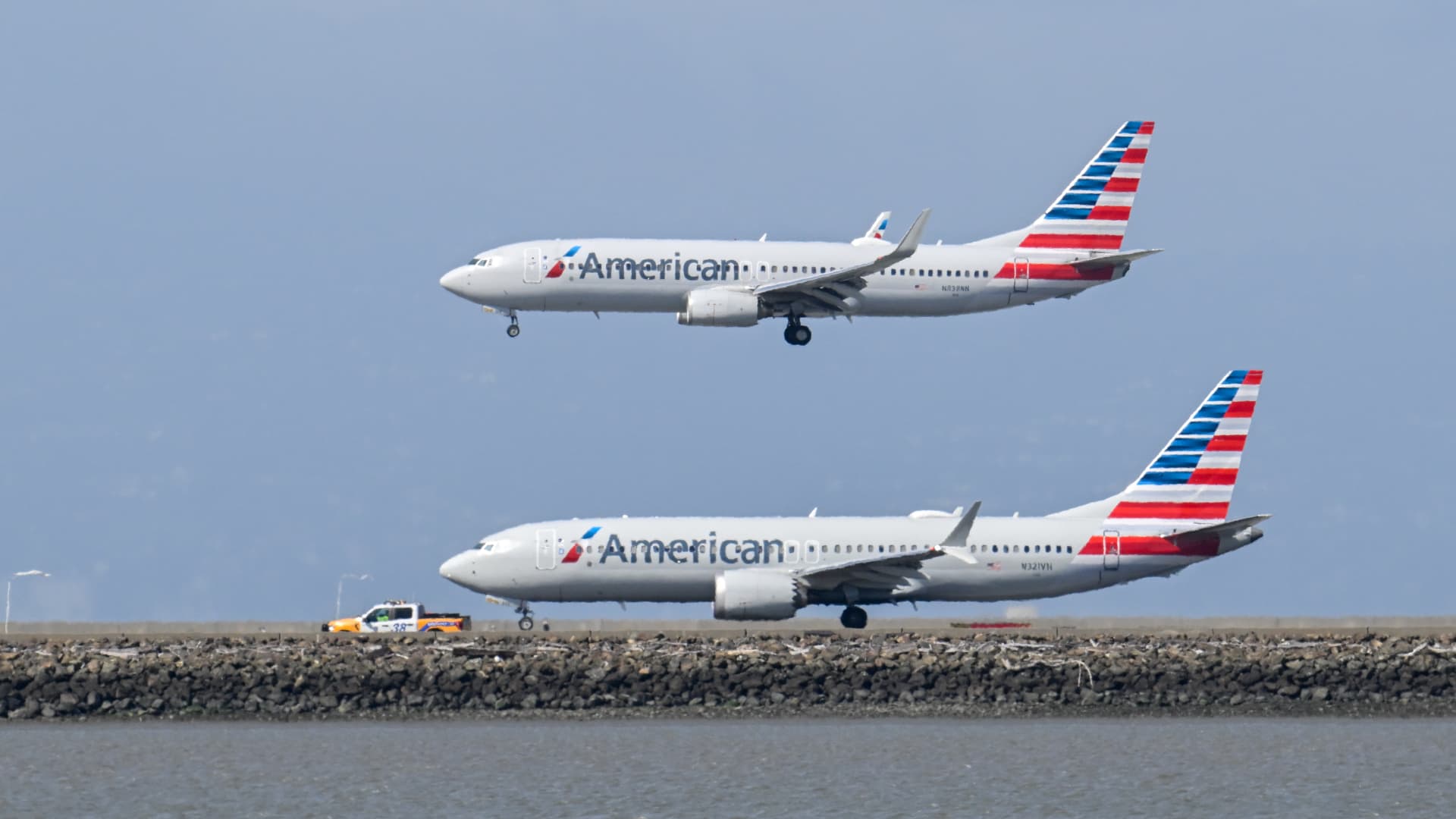
American Airlines to Equip 500 Aircraft with Starlink

- Flight Network Upgrade: American Airlines plans to install Starlink on over 500 narrow-body aircraft, including the A321neo, starting early next year, significantly enhancing in-flight Wi-Fi quality and improving customer experience to attract high-spending travelers.
- Competitor Dynamics: While American Airlines opts for Starlink, Delta Airlines announced plans to use Amazon's Leo service for hundreds of jets starting in 2028, highlighting the fierce competition among airlines to enhance in-flight internet speed and service.
- Market Trends: Airlines are vying for higher-spending customers by upgrading in-flight internet services, not only providing faster Wi-Fi but also exploring additional revenue streams like personalized ads to boost overall profitability.
- SpaceX Financial Performance: SpaceX's connectivity unit, which includes Starlink, reported $11.39 billion in revenue last year, accounting for 61% of total sales, establishing a strong financial foundation for its upcoming IPO, which is expected to set records.
See More
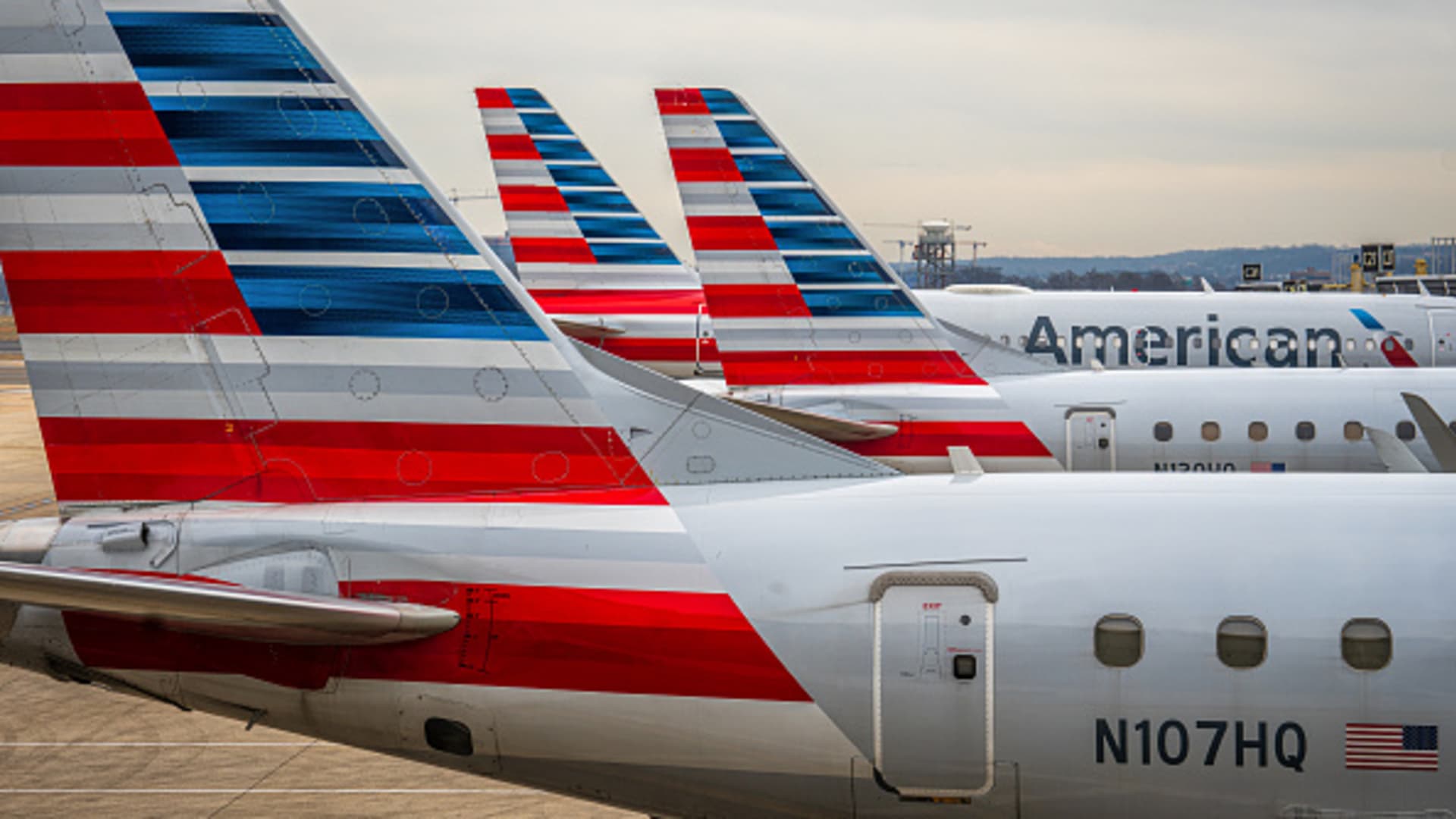
American Airlines to Equip 500 Aircraft with Starlink Wi-Fi

- Flight Network Upgrade: American Airlines announced it will equip over 500 narrow-body aircraft with Starlink in-flight Wi-Fi starting in Q1 2027, aiming to enhance internet connectivity on domestic and short-haul international routes to meet the soaring demand for premium travel post-pandemic.
- Intensified Market Competition: As airlines worldwide rush to upgrade their fleets to offer faster and more reliable in-flight internet services, this move by American Airlines will help attract more customers in a highly competitive market, particularly in the premium travel segment.
- Strengthened Partnerships: Currently, American Airlines partners with AT&T to provide free Wi-Fi for nearly all flights to loyalty program members, and the collaboration with Starlink will further enhance service differentiation, boosting customer satisfaction and loyalty.
- Industry Trend: Starlink, as the only profitable business unit of SpaceX, has secured deals with several U.S. airlines, showcasing its strong appeal and growth potential in the aviation market, which is expected to drive revenue growth for American Airlines.
See More
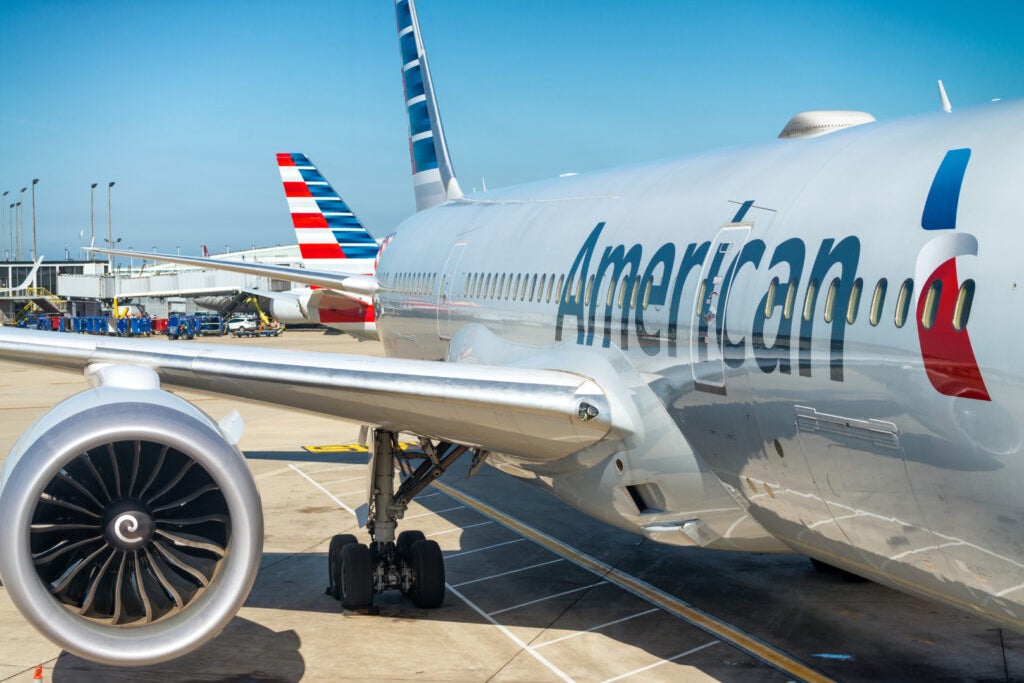
American Airlines Partners with Starlink for In-Flight Wi-Fi
- Partnership Expansion: American Airlines announced plans to install Starlink service on over 500 narrow-body aircraft, further solidifying SpaceX's leadership in the aviation Wi-Fi market and enhancing passenger internet experience.
- Market Competition: This move positions American Airlines advantageously against competitors like United and Southwest Airlines, particularly in attracting high-spending customers, thereby increasing service appeal.
- Revenue Growth Potential: SpaceX's Starlink service generated $11.39 billion in revenue last year, accounting for 61% of total sales, indicating that strong performance in the aviation market will bolster SpaceX's upcoming IPO.
- Future Outlook: By evaluating both Starlink and Amazon Leo, American Airlines' choice of Starlink underscores its commitment to efficient, high-speed internet services, which is expected to drive future customer satisfaction and revenue growth.
See More

US Stocks Edge Up as IBM Receives $1 Billion Grant
- Market Recovery: On Thursday, the S&P 500 rose by 0.17%, the Dow Jones Industrial Average increased by 0.55%, and the Nasdaq 100 gained 0.20%, indicating a recovery from early losses, particularly with the Dow reaching a 3.25-month high, reflecting investor confidence in economic stability.
- IBM Government Funding: IBM's stock surged by 12% after receiving a $1 billion grant from the US government to invest in its quantum computing business, which not only strengthens the company's technological capabilities but also positions it favorably for future market competition.
- Supportive Economic Data: Initial US weekly unemployment claims fell to 209,000, close to the expected 210,000, indicating stability in the labor market, while strong performance in manufacturing and housing further bolstered market confidence, despite the Philadelphia Fed business outlook survey dropping to a 5-month low.
- Oil Price Volatility: WTI crude oil prices experienced significant volatility on Thursday, initially rising before retreating over 1% after Iran stated that the latest US proposal had
See More

US Stock Indices Decline as Oil Prices Surge
- Oil Price Surge Affects Markets: Crude oil prices jumped over 3% due to doubts about a US-Iran peace deal, leading the S&P 500 to decline by 0.44%, the Dow Jones by 0.47%, and the Nasdaq 100 by 0.49%, indicating market sensitivity to geopolitical risks.
- Mixed Economic Data: Initial US weekly unemployment claims fell by 3,000 to 209,000, close to the expected 210,000, while the May Philadelphia Fed business outlook unexpectedly dropped by 27.1 to -0.4, reflecting uncertainty in economic recovery that could impact investor confidence.
- Divergent Tech Stock Performance: Nvidia's earnings report exceeded expectations, yet its stock fell by 0.60% amid rising competition, highlighting the challenges tech companies face in sustaining growth in a highly competitive environment.
- International Market Volatility: Overseas stock markets showed mixed results, with the Euro Stoxx 50 down 0.52% and Japan's Nikkei up 3.14%, reflecting varying responses to economic conditions across different regions, which may influence investors' asset allocation strategies.
See More
US Stocks Rally as Oil Prices Drop Amid Iran Talks
- Strong Market Performance: The S&P 500 index rose by 0.72% and the Nasdaq 100 by 1.42%, reaching all-time highs, reflecting market confidence in economic recovery, particularly against the backdrop of falling oil prices and declining bond yields.
- Oil Price Volatility: WTI crude oil prices fell to a 2.5-week low, dropping over 3% today, primarily influenced by progress in US-Iran peace talks, although military actions by US Central Command have added pressure to market sentiment.
- Mixed Economic Data: The Chicago Fed National Activity Index rose to a 13-month high of 0.14, exceeding expectations, while the S&P Composite-20 home price index increased by only 0.83% y/y, below the expected 0.90%, indicating weakness in the housing market.
- Earnings Reports: So far, 83% of the 475 S&P 500 companies have beaten earnings estimates, with Q1 earnings projected to rise by 12% y/y, but excluding the tech sector, the increase is only 3%, the lowest in two years, highlighting disparities across industries.
See More
American Airlines to Equip 500 Aircraft with Starlink
- Flight Network Upgrade: American Airlines plans to install Starlink on over 500 narrow-body aircraft, including the A321neo, starting early next year, significantly enhancing in-flight Wi-Fi quality and improving customer experience to attract high-spending travelers.
- Competitor Dynamics: While American Airlines opts for Starlink, Delta Airlines announced plans to use Amazon's Leo service for hundreds of jets starting in 2028, highlighting the fierce competition among airlines to enhance in-flight internet speed and service.
- Market Trends: Airlines are vying for higher-spending customers by upgrading in-flight internet services, not only providing faster Wi-Fi but also exploring additional revenue streams like personalized ads to boost overall profitability.
- SpaceX Financial Performance: SpaceX's connectivity unit, which includes Starlink, reported $11.39 billion in revenue last year, accounting for 61% of total sales, establishing a strong financial foundation for its upcoming IPO, which is expected to set records.
See More
American Airlines to Equip 500 Aircraft with Starlink Wi-Fi
- Flight Network Upgrade: American Airlines announced it will equip over 500 narrow-body aircraft with Starlink in-flight Wi-Fi starting in Q1 2027, aiming to enhance internet connectivity on domestic and short-haul international routes to meet the soaring demand for premium travel post-pandemic.
- Intensified Market Competition: As airlines worldwide rush to upgrade their fleets to offer faster and more reliable in-flight internet services, this move by American Airlines will help attract more customers in a highly competitive market, particularly in the premium travel segment.
- Strengthened Partnerships: Currently, American Airlines partners with AT&T to provide free Wi-Fi for nearly all flights to loyalty program members, and the collaboration with Starlink will further enhance service differentiation, boosting customer satisfaction and loyalty.
- Industry Trend: Starlink, as the only profitable business unit of SpaceX, has secured deals with several U.S. airlines, showcasing its strong appeal and growth potential in the aviation market, which is expected to drive revenue growth for American Airlines.
See More
American Airlines Partners with Starlink for In-Flight Wi-Fi
- Partnership Expansion: American Airlines announced plans to install Starlink service on over 500 narrow-body aircraft, further solidifying SpaceX's leadership in the aviation Wi-Fi market and enhancing passenger internet experience.
- Market Competition: This move positions American Airlines advantageously against competitors like United and Southwest Airlines, particularly in attracting high-spending customers, thereby increasing service appeal.
- Revenue Growth Potential: SpaceX's Starlink service generated $11.39 billion in revenue last year, accounting for 61% of total sales, indicating that strong performance in the aviation market will bolster SpaceX's upcoming IPO.
- Future Outlook: By evaluating both Starlink and Amazon Leo, American Airlines' choice of Starlink underscores its commitment to efficient, high-speed internet services, which is expected to drive future customer satisfaction and revenue growth.
See More
US Stocks Edge Up as IBM Receives $1 Billion Grant
- Market Recovery: On Thursday, the S&P 500 rose by 0.17%, the Dow Jones Industrial Average increased by 0.55%, and the Nasdaq 100 gained 0.20%, indicating a recovery from early losses, particularly with the Dow reaching a 3.25-month high, reflecting investor confidence in economic stability.
- IBM Government Funding: IBM's stock surged by 12% after receiving a $1 billion grant from the US government to invest in its quantum computing business, which not only strengthens the company's technological capabilities but also positions it favorably for future market competition.
- Supportive Economic Data: Initial US weekly unemployment claims fell to 209,000, close to the expected 210,000, indicating stability in the labor market, while strong performance in manufacturing and housing further bolstered market confidence, despite the Philadelphia Fed business outlook survey dropping to a 5-month low.
- Oil Price Volatility: WTI crude oil prices experienced significant volatility on Thursday, initially rising before retreating over 1% after Iran stated that the latest US proposal had
See More
US Stock Indices Decline as Oil Prices Surge
- Oil Price Surge Affects Markets: Crude oil prices jumped over 3% due to doubts about a US-Iran peace deal, leading the S&P 500 to decline by 0.44%, the Dow Jones by 0.47%, and the Nasdaq 100 by 0.49%, indicating market sensitivity to geopolitical risks.
- Mixed Economic Data: Initial US weekly unemployment claims fell by 3,000 to 209,000, close to the expected 210,000, while the May Philadelphia Fed business outlook unexpectedly dropped by 27.1 to -0.4, reflecting uncertainty in economic recovery that could impact investor confidence.
- Divergent Tech Stock Performance: Nvidia's earnings report exceeded expectations, yet its stock fell by 0.60% amid rising competition, highlighting the challenges tech companies face in sustaining growth in a highly competitive environment.
- International Market Volatility: Overseas stock markets showed mixed results, with the Euro Stoxx 50 down 0.52% and Japan's Nikkei up 3.14%, reflecting varying responses to economic conditions across different regions, which may influence investors' asset allocation strategies.
See More