AI Trade Sentiment Reverses, Four Major Industries Hit Hard
Written by Emily J. Thompson, Senior Investment Analyst
Updated: 6 days ago
0mins

Source: Benzinga
- Software Sector Hit: The iShares Tech-Expanded Software Sector ETF (NYSE:IGV) has plummeted nearly 20% year-to-date, making it the worst-performing industry, as fears mount that AI tools could disintermediate traditional software providers, causing forward P/E ratios for application software to drop from 35.3 to 23.7 and systems software from 35.5 to 23.3, reflecting market concerns over future earnings durability.
- Brokerage Pressure: Investment banks and brokerage firms are under pressure following the rollout of AI tools by fintech firm Altruist, with forward P/E ratios declining from 24.7 to 15.9, as the market fears that AI could replace traditional advisors in the future, leading to long-term margin compression.
- Insurance Broker Anxiety: Insurance brokers are facing disruption due to the integration of AI-driven tools, with the S&P Insurance Brokers industry index down 4% year-to-date; while the insurance sector remains relationship-driven, there are concerns that AI could erode commissions, impacting brokers' income stability.
- Asset Management Damage: Alternative asset managers are indirectly affected by significant exposure to private software companies, with many large firms down double digits year-to-date, as declining public software valuations raise concerns about their private portfolios, shrinking exit opportunities.
Trade with 70% Backtested Accuracy
Stop guessing "Should I Buy APO?" and start using high-conviction signals backed by rigorous historical data.
Sign up today to access powerful investing tools and make smarter, data-driven decisions.
Analyst Views on APO
Wall Street analysts forecast APO stock price to rise
11 Analyst Rating
10 Buy
1 Hold
0 Sell
Strong Buy
Current: 125.150

Low
136.00
Averages
164.45
High
182.00
Current: 125.150
Low
136.00
Averages
164.45
High
182.00
About APO
Apollo Global Management, Inc. is a global alternative asset manager and a retirement services provider. It operates through three segments: Asset Management, Retirement Services and Principal Investing. The Asset Management segment focuses on three investing strategies: yield, hybrid, and equity. These strategies reflect the range of investment capabilities across its platform based on relative risk and return. The Retirement Services business is conducted by Athene Holding Ltd (Athene), a financial services company that specializes in issuing, reinsuring, and acquiring retirement savings products designed for the increasing number of individuals and institutions seeking to fund retirement needs. Athene product lines include annuities and funding agreements. The Principal Investing segment includes realized performance fee income, realized investment income from its balance sheet investments, and certain allocable expenses related to corporate functions supporting the entire company.
About the author

Emily J. Thompson
Emily J. Thompson, a Chartered Financial Analyst (CFA) with 12 years in investment research, graduated with honors from the Wharton School. Specializing in industrial and technology stocks, she provides in-depth analysis for Intellectia’s earnings and market brief reports.

Apollo Global Management Reaffirms Transparency Amid Media Speculation

- Investigation Background: Apollo Global Management initiated an independent investigation in 2020 to clarify any relationships with Jeffrey Epstein, and despite extensive media coverage, the company asserts that no new evidence has emerged from the findings.
- Executive Relationship Clarification: CEO Marc Rowan and other executives at Apollo have no business or personal ties to Epstein, with the exception of former CEO Leon Black, ensuring transparency in corporate governance and leadership integrity.
- Commitment to Transparency: Apollo emphasizes that transparency and accessibility are core values, and despite external pressures, the firm remains dedicated to providing clear information to investors, thereby maintaining investor confidence.
- Market Response Strategy: Amid market volatility, Apollo Global Management states it is well-prepared and focused on delivering returns for investors, showcasing its adaptability and strategic decision-making capabilities in uncertain environments.
See More

Brookfield Corporation's Future Growth Potential Analysis
- Asset Management Strength: Brookfield Corporation owns 73% of Brookfield Asset Management and also directly holds Brookfield Property Group and Brookfield Wealth Solutions, creating a diversified asset management structure that enhances its market competitiveness.
- Significant Valuation Discount: With a total value of publicly traded investments at $16.1 billion and BAM stake valued at approximately $62 billion, Brookfield's combined asset value of $78.1 billion indicates an intrinsic value of $34.86 per share, significantly higher than its current price of $48, highlighting a market undervaluation.
- Future Value Expectations: Management anticipates that by 2030, Brookfield's intrinsic value could reach $140 per share based on a forecasted 25% growth in distributable earnings, potentially offering annualized returns of 15%-20%, consistent with its historical performance.
- Market Opportunity Capture: Brookfield is actively engaging in opportunities related to AI infrastructure development and new regulatory policies allowing retirement vehicles like 401(k)s to invest directly in alternative assets, demonstrating its strategic positioning and growth potential in future markets.
See More
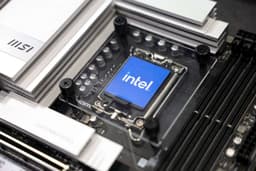
QXO to Acquire Kodiak Building Partners for $2.25 Billion

- Acquisition Deal: On February 11, QXO agreed to acquire Kodiak Building Partners for approximately $2.25 billion, a move that will significantly enhance QXO's market position in the construction sector and provide robust support for future growth.
- Stock Performance: QXO shares gained 4.4% to close at $27.07 on Friday, reflecting a positive market reaction to the acquisition news, which may further boost investor confidence and company valuation.
- Earnings Highlights: Apollo Global Management reported better-than-expected fourth-quarter results on February 9, showcasing strong financial performance that could attract more investor interest in its future growth potential.
- Market Dynamics: On the same trading day, Thermo Fisher Scientific shares fell 1% to close at $504.82, while the iShares US Consumer Discretionary ETF gained 0.4%, indicating varied market reactions across different sectors, prompting investors to monitor industry trends.
See More

Goldman Sachs Identifies Compelling Stocks Amid Market Volatility

- Teva's Positive Outlook: Goldman Sachs analysts assert that despite Teva's stock doubling over the past year, its current valuation remains attractive, and the company is on a rapidly ascending earnings trajectory, urging investors to remain calm and accumulate shares.
- Philip Morris's Successful Transformation: Goldman highlights that Philip Morris is transforming into a faster-growing and more profitable business, with shares up nearly 18% year-to-date, indicating significant upside potential as it delivers strong earnings growth.
- S&P Global's Strong Positioning: Although S&P Global's stock has declined 22% this year, analysts believe its strong AI positioning and durable long-term earnings power will drive organic revenue growth, with a revised price target lowered from $555 to $498.
- Nvidia's Market Focus: Goldman expects Nvidia to report strong results in its upcoming earnings, with investors keenly watching for insights into 2027 visibility and competitive dynamics, despite high expectations for outperformance.
See More

Credit Market Risks Amid AI Disruption

- Rising Default Risks: UBS analysts project that corporate loan defaults could reach between $75 billion and $120 billion over the next year, particularly impacting software and data services firms owned by private equity, thereby exacerbating instability in the credit markets.
- Delayed Market Reaction: Analysts note that the market has been slow to respond to the rapid advancements in AI technology, with many investors failing to timely recalibrate their views on credit evaluations, leading to an underestimation of credit risks that could trigger broader credit tightening.
- Potential Credit Crisis: In a worst-case scenario, default rates could double the baseline estimates, resulting in a sharp decline in liquidity in the credit markets, creating what is known as a 'tail risk' that could severely impact many companies.
- Industry Classification Impact: Mish categorizes companies into three groups, indicating that creators of foundational large language models like Anthropic and OpenAI are likely to emerge as winners, while high-debt private equity-owned software firms face greater survival pressures and may be eliminated in the AI transformation.
See More

Apollo Global Management Under Investigation for Securities Fraud
- Investigation Launched: Pomerantz LLP is investigating on behalf of Apollo Global Management investors regarding potential securities fraud or other unlawful business practices, highlighting serious concerns about corporate governance and compliance.
- Executive Discussions Exposed: The Financial Times reported that Apollo executives, including CEO Marc Rowan, held extensive discussions about tax arrangements with Jeffrey Epstein during the 2010s, despite the firm previously claiming no business dealings with him, which could significantly damage the company's reputation.
- Stock Price Decline: Following this news, Apollo's stock price fell by $7.69, or 5.72%, closing at $126.85 per share on February 3, 2026, reflecting market concerns over the company's governance issues.
- Potential Legal Consequences: As a prominent securities class action firm, Pomerantz LLP's investigation may lead to substantial damages and legal liabilities for Apollo, further impacting investor confidence and the company's future market performance.
See More
Apollo Global Management Reaffirms Transparency Amid Media Speculation
- Investigation Background: Apollo Global Management initiated an independent investigation in 2020 to clarify any relationships with Jeffrey Epstein, and despite extensive media coverage, the company asserts that no new evidence has emerged from the findings.
- Executive Relationship Clarification: CEO Marc Rowan and other executives at Apollo have no business or personal ties to Epstein, with the exception of former CEO Leon Black, ensuring transparency in corporate governance and leadership integrity.
- Commitment to Transparency: Apollo emphasizes that transparency and accessibility are core values, and despite external pressures, the firm remains dedicated to providing clear information to investors, thereby maintaining investor confidence.
- Market Response Strategy: Amid market volatility, Apollo Global Management states it is well-prepared and focused on delivering returns for investors, showcasing its adaptability and strategic decision-making capabilities in uncertain environments.
See More
Brookfield Corporation's Future Growth Potential Analysis
- Asset Management Strength: Brookfield Corporation owns 73% of Brookfield Asset Management and also directly holds Brookfield Property Group and Brookfield Wealth Solutions, creating a diversified asset management structure that enhances its market competitiveness.
- Significant Valuation Discount: With a total value of publicly traded investments at $16.1 billion and BAM stake valued at approximately $62 billion, Brookfield's combined asset value of $78.1 billion indicates an intrinsic value of $34.86 per share, significantly higher than its current price of $48, highlighting a market undervaluation.
- Future Value Expectations: Management anticipates that by 2030, Brookfield's intrinsic value could reach $140 per share based on a forecasted 25% growth in distributable earnings, potentially offering annualized returns of 15%-20%, consistent with its historical performance.
- Market Opportunity Capture: Brookfield is actively engaging in opportunities related to AI infrastructure development and new regulatory policies allowing retirement vehicles like 401(k)s to invest directly in alternative assets, demonstrating its strategic positioning and growth potential in future markets.
See More
QXO to Acquire Kodiak Building Partners for $2.25 Billion
- Acquisition Deal: On February 11, QXO agreed to acquire Kodiak Building Partners for approximately $2.25 billion, a move that will significantly enhance QXO's market position in the construction sector and provide robust support for future growth.
- Stock Performance: QXO shares gained 4.4% to close at $27.07 on Friday, reflecting a positive market reaction to the acquisition news, which may further boost investor confidence and company valuation.
- Earnings Highlights: Apollo Global Management reported better-than-expected fourth-quarter results on February 9, showcasing strong financial performance that could attract more investor interest in its future growth potential.
- Market Dynamics: On the same trading day, Thermo Fisher Scientific shares fell 1% to close at $504.82, while the iShares US Consumer Discretionary ETF gained 0.4%, indicating varied market reactions across different sectors, prompting investors to monitor industry trends.
See More
Goldman Sachs Identifies Compelling Stocks Amid Market Volatility
- Teva's Positive Outlook: Goldman Sachs analysts assert that despite Teva's stock doubling over the past year, its current valuation remains attractive, and the company is on a rapidly ascending earnings trajectory, urging investors to remain calm and accumulate shares.
- Philip Morris's Successful Transformation: Goldman highlights that Philip Morris is transforming into a faster-growing and more profitable business, with shares up nearly 18% year-to-date, indicating significant upside potential as it delivers strong earnings growth.
- S&P Global's Strong Positioning: Although S&P Global's stock has declined 22% this year, analysts believe its strong AI positioning and durable long-term earnings power will drive organic revenue growth, with a revised price target lowered from $555 to $498.
- Nvidia's Market Focus: Goldman expects Nvidia to report strong results in its upcoming earnings, with investors keenly watching for insights into 2027 visibility and competitive dynamics, despite high expectations for outperformance.
See More
Credit Market Risks Amid AI Disruption
- Rising Default Risks: UBS analysts project that corporate loan defaults could reach between $75 billion and $120 billion over the next year, particularly impacting software and data services firms owned by private equity, thereby exacerbating instability in the credit markets.
- Delayed Market Reaction: Analysts note that the market has been slow to respond to the rapid advancements in AI technology, with many investors failing to timely recalibrate their views on credit evaluations, leading to an underestimation of credit risks that could trigger broader credit tightening.
- Potential Credit Crisis: In a worst-case scenario, default rates could double the baseline estimates, resulting in a sharp decline in liquidity in the credit markets, creating what is known as a 'tail risk' that could severely impact many companies.
- Industry Classification Impact: Mish categorizes companies into three groups, indicating that creators of foundational large language models like Anthropic and OpenAI are likely to emerge as winners, while high-debt private equity-owned software firms face greater survival pressures and may be eliminated in the AI transformation.
See More
Apollo Global Management Under Investigation for Securities Fraud
- Investigation Launched: Pomerantz LLP is investigating on behalf of Apollo Global Management investors regarding potential securities fraud or other unlawful business practices, highlighting serious concerns about corporate governance and compliance.
- Executive Discussions Exposed: The Financial Times reported that Apollo executives, including CEO Marc Rowan, held extensive discussions about tax arrangements with Jeffrey Epstein during the 2010s, despite the firm previously claiming no business dealings with him, which could significantly damage the company's reputation.
- Stock Price Decline: Following this news, Apollo's stock price fell by $7.69, or 5.72%, closing at $126.85 per share on February 3, 2026, reflecting market concerns over the company's governance issues.
- Potential Legal Consequences: As a prominent securities class action firm, Pomerantz LLP's investigation may lead to substantial damages and legal liabilities for Apollo, further impacting investor confidence and the company's future market performance.
See More