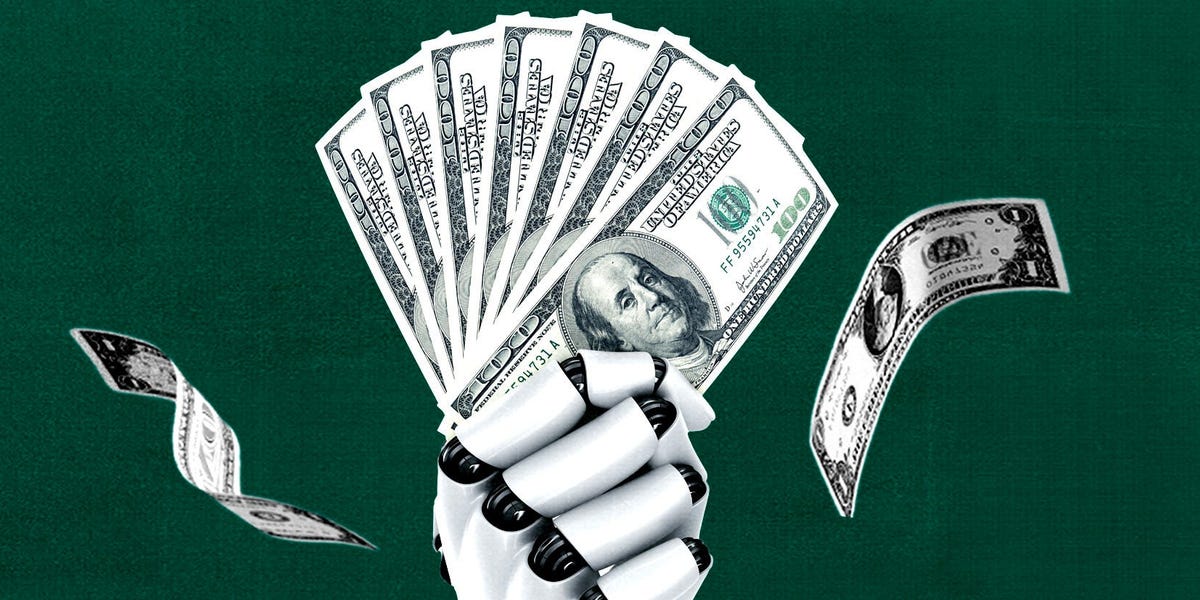
AI Revolution Reshapes Executive Decision-Making and HR Roles
Written by Emily J. Thompson, Senior Investment Analyst
Updated: May 11 2026
0mins


Source: CNBC
- Rise of CAIO Role: According to IBM's latest report, 76% of surveyed organizations have established the role of Chief AI Officer (CAIO), a significant increase from 26% in 2025, indicating a growing emphasis on AI transformation within companies.
- Growing HR Influence: 59% of respondents expect the influence of Chief Human Resources Officers (CHRO) to increase, highlighting the importance of AI in talent management and training, as firms must address employee AI literacy to overcome cultural challenges.
- Ambiguity in Tech Roles: As AI matures, the responsibilities of roles like Chief Technology Officer and Chief Information Officer have become blurred, prompting companies to establish CAIO positions to tackle infrastructure and governance challenges in AI implementation, ensuring effective transformation.
- Layoff Trends and Opportunities: Over 101,000 tech employees have been laid off globally, yet Bain & Company's report suggests that software-as-a-service firms could achieve nearly $100 billion in margins by automating coordination work, indicating that AI-driven transformations also present new business opportunities.
Trade with 70% Backtested Accuracy
Stop guessing "Should I Buy META?" and start using high-conviction signals backed by rigorous historical data.
Sign up today to access powerful investing tools and make smarter, data-driven decisions.
Analyst Views on META
Wall Street analysts forecast META stock price to rise
44 Analyst Rating
37 Buy
6 Hold
1 Sell
Strong Buy
Current: 567.580

Low
655.15
Averages
824.71
High
1117
Current: 567.580
Low
655.15
Averages
824.71
High
1117
About META
Meta Platforms, Inc. is building human connections, powered by artificial intelligence and immersive technologies. The Company's products enable people to connect and share with friends and family through mobile devices, personal computers, virtual reality (VR) and mixed reality (MR) headsets, augmented reality (AR), and wearables. It also helps people discover and learn about what is going on in the world around them, enabling people to share their experiences, ideas, photos, videos, and other content with audiences ranging from their closest family members and friends to the public at large. The Company's segments include Family of Apps (FoA) and Reality Labs (RL). FoA segment includes Facebook, Instagram, Messenger, WhatsApp and Threads. RL segment includes its virtual, augmented, and mixed reality related consumer hardware, software and content. Its product offerings in VR include its Meta Quest devices, as well as software and content available through the Meta Horizon Store.
About the author

Emily J. Thompson
Emily J. Thompson, a Chartered Financial Analyst (CFA) with 12 years in investment research, graduated with honors from the Wharton School. Specializing in industrial and technology stocks, she provides in-depth analysis for Intellectia’s earnings and market brief reports.

Meta Plans Significant Increase in Capital Expenditures

- Surge in Capital Expenditures: Meta plans to increase capital expenditures to between $125 billion and $145 billion by 2026, nearly doubling from $72 billion in 2025, primarily due to rising component costs, particularly memory prices, raising investor concerns about future profitability.
- Strong Ad Performance: Despite the increased spending, Meta's advertising business remains robust, with a 19% increase in ad impressions and a 12% rise in average ad prices in Q1, indicating enhanced user engagement and advertisers' willingness to pay more.
- User Engagement Growth: Meta's Instagram Reels saw a 10% increase in user time spent in Q1, while total video time on Facebook rose over 8% globally, demonstrating that the application of AI technology is effectively enhancing user experience and advertising effectiveness.
- Uncertain Future Outlook: Although Meta's P/E ratio stands at about 21 times, reflecting market concerns over investment returns, the company has historically achieved compounded shareholder value through bold investments, suggesting that if revenue continues to grow rapidly, today's stock price may appear cheap in hindsight.
See More

Meta Secures AI Computing Power Agreements with Crusoe
- New Agreement Signed: Meta has entered into agreements with data center developer Crusoe to purchase approximately 1.6 gigawatts of computing capacity from two data centers located in Childress, Texas, and Warrenton, Missouri, aimed at meeting the surging demand for artificial intelligence.
- Capacity Impact: The 1.6 gigawatts of capacity is sufficient to power 750,000 U.S. homes, indicating Meta's ambition in AI infrastructure development, particularly against the backdrop of tech companies expanding their infrastructures.
- Infrastructure Investment: Meta plans to invest $600 billion by 2028 in building AI-related data centers, demonstrating a long-term commitment to the AI sector while raising investor concerns about the returns on these investments.
- Hyperion Data Center Construction: Meta is constructing the Hyperion data center in Louisiana, expected to provide 2 gigawatts of capacity with the potential to scale up to 5 gigawatts, further enhancing its competitive edge in AI computing capabilities.
See More

SpaceX's IPO Sets Record with $75 Billion Raised

- Record Fundraising: SpaceX's IPO raised an unprecedented $75 billion, which increased to $85.7 billion after underwriters exercised overallotment options, closing its first trading day with a market cap exceeding $2 trillion, marking it as the only company to debut at such a valuation.
- Strong Market Performance: As of June 18, SpaceX's market cap reached $2.5 trillion, briefly surpassing Amazon to become the fifth-most-valuable company globally, with shares hovering around $200, leaving investors eager to see how the stock performs as initial excitement wanes.
- Revenue Growth Potential: Last year, SpaceX reported $18.7 billion in revenue, a 33% increase, with projections suggesting it could double by 2026; Elon Musk anticipates at least $1 trillion in revenue by 2031, while Morgan Stanley forecasts $3.4 trillion by 2040.
- Valuation Risk Warning: Despite optimistic revenue forecasts, SpaceX's current price-to-sales ratio stands at approximately 134, indicating a high valuation risk; analysts caution that if expected growth is not realized in the coming year, the market cap could experience significant volatility, urging investors to proceed with caution.
See More

SpaceX IPO Breaks Records with Over $2 Trillion Valuation

- Record Financing: SpaceX raised an unprecedented $75 billion in its IPO, which increased to $85.7 billion after underwriters exercised overallotment options, demonstrating strong market confidence in its growth potential and solidifying its leadership in the aerospace sector.
- Valuation Milestone: Closing its first trading day with a market cap exceeding $2 trillion, SpaceX became the only company to debut at such a valuation, reflecting high investor recognition of its long-term potential while also raising concerns about a possible valuation bubble.
- Future Growth Expectations: Projected revenues for SpaceX could reach $36 billion by 2026, and despite a current price-to-sales ratio of 134, indicating optimistic market expectations for its future performance, this also suggests potential volatility risks ahead.
- Market Competition Analysis: Compared to Facebook's debut in 2012, SpaceX is arguably a more mature business, and while it faces challenges from high valuations, its strong revenue growth and market position may offer better return opportunities for investors.
See More
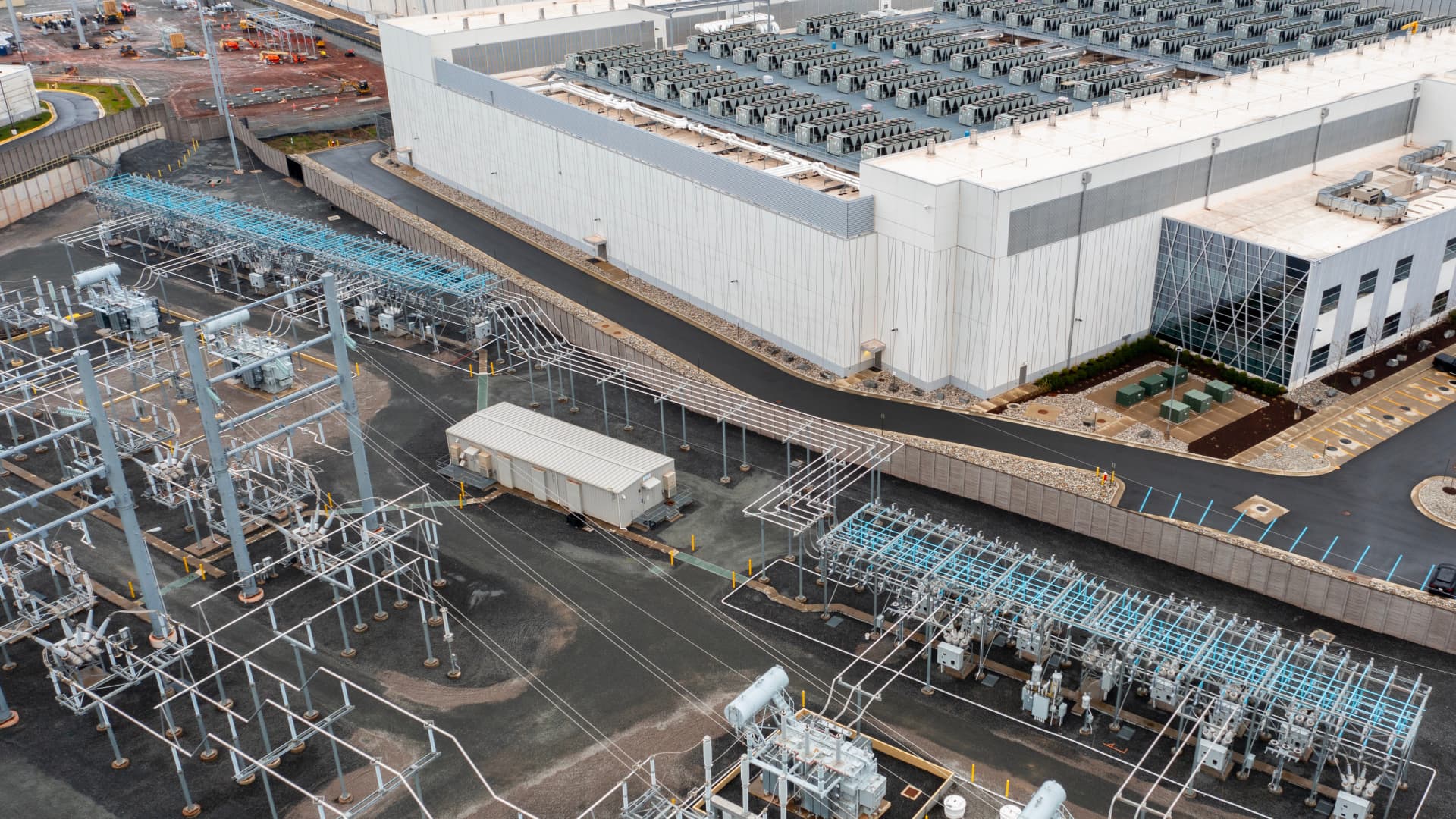
Tech Companies Face Rising Debt Risks Amid AI Expansion


- Increased Debt Financing Demand: With tech giants like Amazon, Google, Microsoft, and Meta projected to invest $750 billion in AI infrastructure by 2026, the demand for debt financing has surged, particularly as rising interest rates increase borrowing costs, impacting the present value of future cash flows.
- Cash Flow Strain: An anticipated capital expenditure of up to $920 billion poses a risk of negative free cash flow for many tech companies, with Amazon expected to report negative cash flow, indicating that these firms are facing challenges similar to traditional capital-intensive industries.
- Heightened Rate Impact: Fed Chairman Kevin Warsh's indication of a potential rate hike in 2026 has triggered equity sell-offs and rising rates, with the 10-year Treasury yield nearing 4.45%, placing greater pressure on tech companies that rely on future profits, especially smaller firms.
- Shifting Market Reactions: Investors are beginning to pay attention to interest rates and inflation data, requiring tech investors to adapt to a new market environment, where debt financing has become a critical strategy for expansion in the high-risk AI investment sector, despite facing higher borrowing costs.
See More

Tech Giants Face Rising Debt Amid Cash Flow Strains
- Rising Debt Burden: Tech giants are significantly increasing debt for data center expansions, with a potential rate hike in 2026 leading to equity sell-offs and higher borrowing costs, intensifying pressure on smaller tech firms.
- Surge in Capital Expenditure: Goldman Sachs projects capital expenditures to approach $920 billion in 2023, with capital spending as a percentage of cash flow at its highest since the dot-com era, indicating a sharp rise in funding needs for tech companies.
- Cash Flow Volatility: Amazon is expected to report negative free cash flow this year, highlighting the challenges faced by tech firms in capital-intensive sectors, prompting investors to monitor access to debt and equity markets for financing.
- Individual Company Risk Assessment: Despite sector-wide pressures, Nvidia's free cash flow surged to $48.5 billion in the latest quarter, showcasing its strong cash reserves that provide financing flexibility and alleviate concerns over debt risks.
See More
Meta Plans Significant Increase in Capital Expenditures
- Surge in Capital Expenditures: Meta plans to increase capital expenditures to between $125 billion and $145 billion by 2026, nearly doubling from $72 billion in 2025, primarily due to rising component costs, particularly memory prices, raising investor concerns about future profitability.
- Strong Ad Performance: Despite the increased spending, Meta's advertising business remains robust, with a 19% increase in ad impressions and a 12% rise in average ad prices in Q1, indicating enhanced user engagement and advertisers' willingness to pay more.
- User Engagement Growth: Meta's Instagram Reels saw a 10% increase in user time spent in Q1, while total video time on Facebook rose over 8% globally, demonstrating that the application of AI technology is effectively enhancing user experience and advertising effectiveness.
- Uncertain Future Outlook: Although Meta's P/E ratio stands at about 21 times, reflecting market concerns over investment returns, the company has historically achieved compounded shareholder value through bold investments, suggesting that if revenue continues to grow rapidly, today's stock price may appear cheap in hindsight.
See More
Meta Secures AI Computing Power Agreements with Crusoe
- New Agreement Signed: Meta has entered into agreements with data center developer Crusoe to purchase approximately 1.6 gigawatts of computing capacity from two data centers located in Childress, Texas, and Warrenton, Missouri, aimed at meeting the surging demand for artificial intelligence.
- Capacity Impact: The 1.6 gigawatts of capacity is sufficient to power 750,000 U.S. homes, indicating Meta's ambition in AI infrastructure development, particularly against the backdrop of tech companies expanding their infrastructures.
- Infrastructure Investment: Meta plans to invest $600 billion by 2028 in building AI-related data centers, demonstrating a long-term commitment to the AI sector while raising investor concerns about the returns on these investments.
- Hyperion Data Center Construction: Meta is constructing the Hyperion data center in Louisiana, expected to provide 2 gigawatts of capacity with the potential to scale up to 5 gigawatts, further enhancing its competitive edge in AI computing capabilities.
See More
SpaceX's IPO Sets Record with $75 Billion Raised
- Record Fundraising: SpaceX's IPO raised an unprecedented $75 billion, which increased to $85.7 billion after underwriters exercised overallotment options, closing its first trading day with a market cap exceeding $2 trillion, marking it as the only company to debut at such a valuation.
- Strong Market Performance: As of June 18, SpaceX's market cap reached $2.5 trillion, briefly surpassing Amazon to become the fifth-most-valuable company globally, with shares hovering around $200, leaving investors eager to see how the stock performs as initial excitement wanes.
- Revenue Growth Potential: Last year, SpaceX reported $18.7 billion in revenue, a 33% increase, with projections suggesting it could double by 2026; Elon Musk anticipates at least $1 trillion in revenue by 2031, while Morgan Stanley forecasts $3.4 trillion by 2040.
- Valuation Risk Warning: Despite optimistic revenue forecasts, SpaceX's current price-to-sales ratio stands at approximately 134, indicating a high valuation risk; analysts caution that if expected growth is not realized in the coming year, the market cap could experience significant volatility, urging investors to proceed with caution.
See More
SpaceX IPO Breaks Records with Over $2 Trillion Valuation
- Record Financing: SpaceX raised an unprecedented $75 billion in its IPO, which increased to $85.7 billion after underwriters exercised overallotment options, demonstrating strong market confidence in its growth potential and solidifying its leadership in the aerospace sector.
- Valuation Milestone: Closing its first trading day with a market cap exceeding $2 trillion, SpaceX became the only company to debut at such a valuation, reflecting high investor recognition of its long-term potential while also raising concerns about a possible valuation bubble.
- Future Growth Expectations: Projected revenues for SpaceX could reach $36 billion by 2026, and despite a current price-to-sales ratio of 134, indicating optimistic market expectations for its future performance, this also suggests potential volatility risks ahead.
- Market Competition Analysis: Compared to Facebook's debut in 2012, SpaceX is arguably a more mature business, and while it faces challenges from high valuations, its strong revenue growth and market position may offer better return opportunities for investors.
See More
Tech Companies Face Rising Debt Risks Amid AI Expansion
- Increased Debt Financing Demand: With tech giants like Amazon, Google, Microsoft, and Meta projected to invest $750 billion in AI infrastructure by 2026, the demand for debt financing has surged, particularly as rising interest rates increase borrowing costs, impacting the present value of future cash flows.
- Cash Flow Strain: An anticipated capital expenditure of up to $920 billion poses a risk of negative free cash flow for many tech companies, with Amazon expected to report negative cash flow, indicating that these firms are facing challenges similar to traditional capital-intensive industries.
- Heightened Rate Impact: Fed Chairman Kevin Warsh's indication of a potential rate hike in 2026 has triggered equity sell-offs and rising rates, with the 10-year Treasury yield nearing 4.45%, placing greater pressure on tech companies that rely on future profits, especially smaller firms.
- Shifting Market Reactions: Investors are beginning to pay attention to interest rates and inflation data, requiring tech investors to adapt to a new market environment, where debt financing has become a critical strategy for expansion in the high-risk AI investment sector, despite facing higher borrowing costs.
See More
Tech Giants Face Rising Debt Amid Cash Flow Strains
- Rising Debt Burden: Tech giants are significantly increasing debt for data center expansions, with a potential rate hike in 2026 leading to equity sell-offs and higher borrowing costs, intensifying pressure on smaller tech firms.
- Surge in Capital Expenditure: Goldman Sachs projects capital expenditures to approach $920 billion in 2023, with capital spending as a percentage of cash flow at its highest since the dot-com era, indicating a sharp rise in funding needs for tech companies.
- Cash Flow Volatility: Amazon is expected to report negative free cash flow this year, highlighting the challenges faced by tech firms in capital-intensive sectors, prompting investors to monitor access to debt and equity markets for financing.
- Individual Company Risk Assessment: Despite sector-wide pressures, Nvidia's free cash flow surged to $48.5 billion in the latest quarter, showcasing its strong cash reserves that provide financing flexibility and alleviate concerns over debt risks.
See More