AI Poses Increased Threat to Software Sector
Written by Emily J. Thompson, Senior Investment Analyst
Updated: Feb 08 2026
0mins

Should l Buy MSFT?
Source: seekingalpha
- Structural Threat Emerges: Analyst Louis Gerard highlights that AI acts as a force multiplier, lowering entry barriers and enabling small teams to create products that previously required dozens of engineers, thereby weakening the competitive moat for many SaaS companies and potentially rendering past premium pricing models obsolete.
- Winners and Losers: Microsoft (MSFT) is seen as a winner due to its infrastructure integrating GitHub Copilot and Azure AI, while Adobe (ADBE) and Figma (FIG) face threats from lightweight competitors, particularly as Figma's seat-based pricing model may erode.
- Challenges in Enterprise Software: Although companies can now create custom enterprise software, ensuring consumer data safety through backend systems remains complex and costly, with SaaS firms having invested heavily in this unseen aspect, leading many non-tech companies to avoid replacing existing software.
- Importance of Brand Trust: Brett Ashcroft Green emphasizes that consumer trust in brands like Adobe and DocuSign makes businesses reluctant to switch to custom software, as brand recognition plays a crucial role in client confidence; while SaaS stocks may see short-term sell-offs, AI is expected to help these established brands build and improve trusted software more efficiently.
Trade with 70% Backtested Accuracy
Stop guessing "Should I Buy MSFT?" and start using high-conviction signals backed by rigorous historical data.
Sign up today to access powerful investing tools and make smarter, data-driven decisions.
Analyst Views on MSFT
Wall Street analysts forecast MSFT stock price to rise
34 Analyst Rating
32 Buy
2 Hold
0 Sell
Strong Buy
Current: 370.170

Low
500.00
Averages
631.36
High
678.00
Current: 370.170
Low
500.00
Averages
631.36
High
678.00
About MSFT
Microsoft Corporation is a technology company that develops and supports software, services, devices, and solutions. Its Productivity and Business Processes segment consists of products and services in its portfolio of productivity, communication, and information services, spanning a variety of devices and platforms. It comprises Microsoft 365 Commercial products and cloud services; Microsoft 365 Consumer products and cloud services; LinkedIn, and Dynamics products and cloud services. The Intelligent Cloud segment consists of its public, private, and hybrid server products and cloud services. It comprises server products and cloud services, including Azure, and enterprise and partner services, including Enterprise Support Services. Its More Personal Computing segment primarily comprises Windows and Devices, including Windows OEM licensing; Gaming, including Xbox hardware and Xbox content; Search and news advertising, comprising Bing and Copilot, Microsoft News, and Microsoft Edge.
About the author

Emily J. Thompson
Emily J. Thompson, a Chartered Financial Analyst (CFA) with 12 years in investment research, graduated with honors from the Wharton School. Specializing in industrial and technology stocks, she provides in-depth analysis for Intellectia’s earnings and market brief reports.

Candy Crush Surprises Fans at Intuit Dome with Celebrity Appearance

- Celebrity Surprise: Anna Faris surprised fans by appearing as the Bubblegum Troll during the LA Clippers vs. Portland Trail Blazers game, significantly enhancing brand visibility and fan engagement.
- Enhanced Interactive Experience: Through its partnership with Intuit Dome, Candy Crush transformed the game night into a fun-filled interactive experience, attracting over 1,000 attendees and strengthening emotional connections between the brand and consumers.
- Diverse Activity Schedule: Throughout the game, characters like Bubblegum Troll, Yeti, and Tiffi made frequent appearances, providing rich visual effects and live activities that enhanced the overall spectator experience, further solidifying Candy Crush's market position.
- Long-term Partnership Outlook: The collaboration between Candy Crush and Intuit Dome is set to continue until 2028, with plans for more innovative interactive events that will further boost the brand's influence and market share among younger consumers.
See More
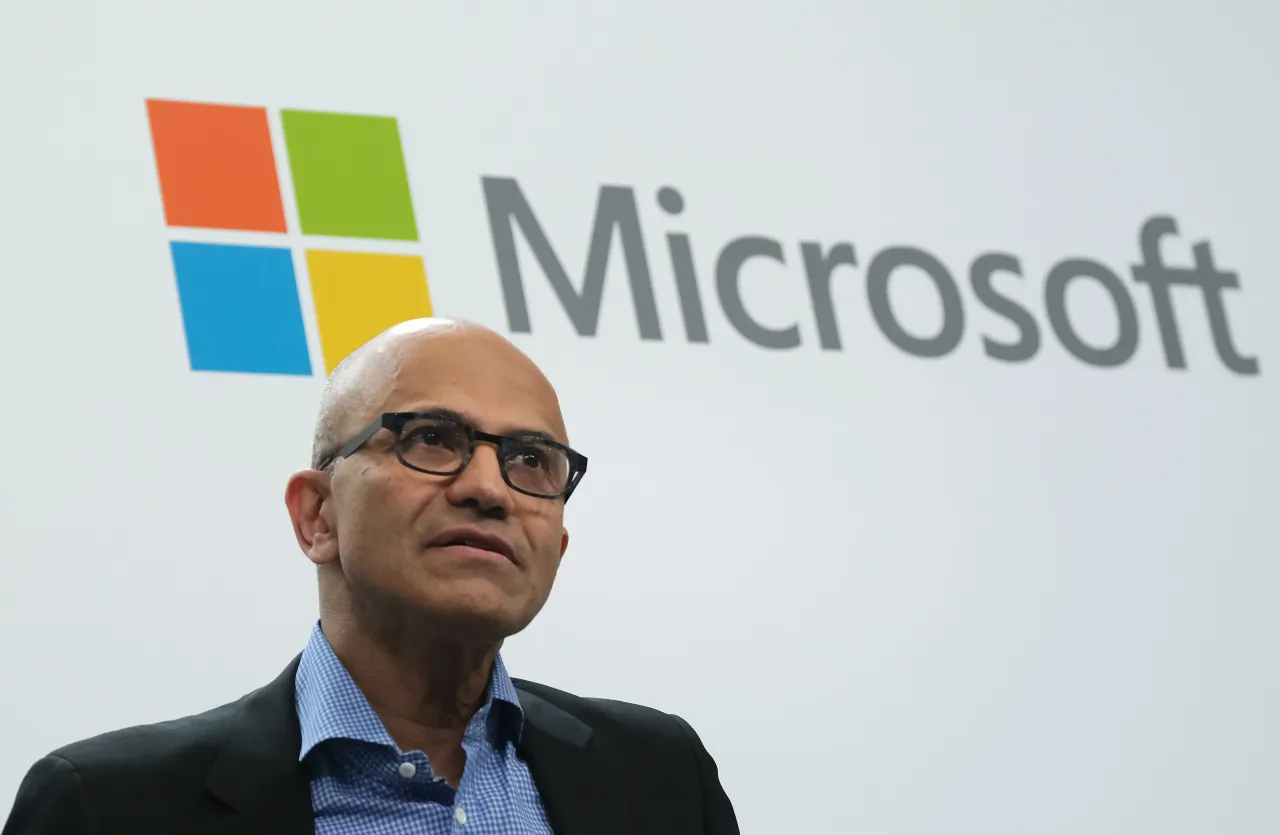
Microsoft's $5.5 Billion Singapore Investment Amid AI Challenges
- Quarterly Decline: Microsoft faced its steepest quarterly decline since the 2008 financial crisis in Q1 2026, losing nearly a quarter of its market value, which raises concerns about its profitability and market position.
- Singapore Investment Plan: The company announced a $5.5 billion investment in Singapore aimed at expanding cloud and AI infrastructure by 2029, positioning Microsoft’s technology at the heart of Singapore's digital economy and potentially driving long-term growth.
- AI Investment Return Concerns: Despite efforts to boost revenue through the AI-powered Microsoft 365 Copilot, only about 3% of commercial Office customers currently hold licenses, leading investors to express skepticism regarding the returns on its AI investments.
- Azure Division Growth: Microsoft’s Azure division reported a 39% revenue growth in the December quarter, with a backlog of $625 billion in commercial commitments, providing a strong foundation for future growth despite overall performance pressures.
See More

Investor Sentiment on Microsoft and Netflix Amid Recession Fears

- Microsoft's Resilience: Despite lagging behind broader equities over the past six months, Microsoft's strong financial position and high credit rating provide significant resilience during a recession, particularly as its productivity suite is essential for daily operations in many companies.
- Leadership in Cloud and AI: Microsoft's leadership in cloud computing and artificial intelligence offers substantial long-term growth potential, and although the stock is currently declining, its future performance during economic recovery is promising.
- Netflix's Market Dominance: As the leader in the streaming industry, Netflix can maintain user loyalty during economic downturns, with its low-priced ad-supported subscription option attracting price-sensitive customers, showcasing the business's resilience.
- Recession-Resistant Entertainment Sector: Netflix's management emphasizes that the entertainment industry typically performs well during economic hardships, and while new subscriptions may decline, its brand strength and pricing power will help it remain competitive in the market.
See More

Microsoft and Netflix: Investment Opportunities Amid Economic Downturn
- Microsoft's Resilience: Despite lagging behind broader equities over the past six months, Microsoft's strong financial position and high credit rating provide significant resilience during a recession, particularly as its productivity suite is essential for daily operations in many companies.
- Growth Potential in Cloud and AI: Microsoft's leadership in cloud computing and artificial intelligence offers substantial long-term growth tailwinds, and although the stock is currently declining, investments in these areas will likely enable strong performance post-recession.
- Netflix's Market Dominance: As the leader in the streaming industry, Netflix can attract price-sensitive customers during tough economic times by offering various subscription options, including a low-priced ad-supported tier, which helps maintain a stable user base.
- Resilience of the Entertainment Sector: Netflix's management has highlighted the entertainment industry's relative resilience during economic downturns; while new subscriptions may decline, the company's strong brand and pricing power will help it remain competitive amidst challenges.
See More

Microsoft's 30% Stock Drop: Unpacking the Reality Behind the Decline
- Surging Capital Expenditures: Microsoft is projected to spend $146 billion on AI infrastructure in fiscal 2026, with quarterly capital expenditures nearly doubling year-over-year to $29.9 billion, significantly impacting cash flows and profit margins.
- Significant Investment Losses: The company's investment losses in OpenAI reached $3.1 billion in a single quarter, up from $523 million a year earlier, raising concerns about the returns on AI investments and putting pressure on the stock price.
- Shift in Market Sentiment: Following the stock drop, Microsoft's valuation is no longer seen as perfect, with market expectations around AI shifting from optimism to scrutiny, prompting investors to reassess the company's long-term growth potential and profitability.
- Strong Enterprise Demand: Despite challenges, Microsoft's Azure cloud business continues to grow, and enterprise demand remains strong, indicating that the company's deep integration into global IT infrastructure is unaffected, suggesting future growth potential.
See More

Microsoft Faces Challenges but Long-Term Outlook Remains Positive
- Surge in Capital Expenditure: Microsoft is projected to invest $146 billion in AI infrastructure for fiscal 2026, with quarterly capital expenditures nearly doubling year-over-year to $29.9 billion; while this massive spending has created near-term margin pressure, it lays the groundwork for future revenue growth.
- Shift in Market Sentiment: Despite Microsoft beating earnings estimates in its latest report, the stock has dropped nearly 30% over the past six months due to a reassessment of AI investment returns, reflecting a shift from high-margin growth expectations to a more cautious outlook among investors.
- Cloud Business Continues to Grow: Facing challenges, Microsoft's Azure cloud business remains on a growth trajectory, and enterprise demand has not waned, indicating the company's deep integration within global IT infrastructure and suggesting that its core business remains robust.
- Investor Opportunity Reemerges: As the market re-prices Microsoft's valuation, investors now have the chance to enter at lower prices, capturing potential long-term growth, especially in light of the possibility that AI investments could translate into sustainable revenue streams.
See More
Candy Crush Surprises Fans at Intuit Dome with Celebrity Appearance
- Celebrity Surprise: Anna Faris surprised fans by appearing as the Bubblegum Troll during the LA Clippers vs. Portland Trail Blazers game, significantly enhancing brand visibility and fan engagement.
- Enhanced Interactive Experience: Through its partnership with Intuit Dome, Candy Crush transformed the game night into a fun-filled interactive experience, attracting over 1,000 attendees and strengthening emotional connections between the brand and consumers.
- Diverse Activity Schedule: Throughout the game, characters like Bubblegum Troll, Yeti, and Tiffi made frequent appearances, providing rich visual effects and live activities that enhanced the overall spectator experience, further solidifying Candy Crush's market position.
- Long-term Partnership Outlook: The collaboration between Candy Crush and Intuit Dome is set to continue until 2028, with plans for more innovative interactive events that will further boost the brand's influence and market share among younger consumers.
See More
Microsoft's $5.5 Billion Singapore Investment Amid AI Challenges
- Quarterly Decline: Microsoft faced its steepest quarterly decline since the 2008 financial crisis in Q1 2026, losing nearly a quarter of its market value, which raises concerns about its profitability and market position.
- Singapore Investment Plan: The company announced a $5.5 billion investment in Singapore aimed at expanding cloud and AI infrastructure by 2029, positioning Microsoft’s technology at the heart of Singapore's digital economy and potentially driving long-term growth.
- AI Investment Return Concerns: Despite efforts to boost revenue through the AI-powered Microsoft 365 Copilot, only about 3% of commercial Office customers currently hold licenses, leading investors to express skepticism regarding the returns on its AI investments.
- Azure Division Growth: Microsoft’s Azure division reported a 39% revenue growth in the December quarter, with a backlog of $625 billion in commercial commitments, providing a strong foundation for future growth despite overall performance pressures.
See More
Investor Sentiment on Microsoft and Netflix Amid Recession Fears
- Microsoft's Resilience: Despite lagging behind broader equities over the past six months, Microsoft's strong financial position and high credit rating provide significant resilience during a recession, particularly as its productivity suite is essential for daily operations in many companies.
- Leadership in Cloud and AI: Microsoft's leadership in cloud computing and artificial intelligence offers substantial long-term growth potential, and although the stock is currently declining, its future performance during economic recovery is promising.
- Netflix's Market Dominance: As the leader in the streaming industry, Netflix can maintain user loyalty during economic downturns, with its low-priced ad-supported subscription option attracting price-sensitive customers, showcasing the business's resilience.
- Recession-Resistant Entertainment Sector: Netflix's management emphasizes that the entertainment industry typically performs well during economic hardships, and while new subscriptions may decline, its brand strength and pricing power will help it remain competitive in the market.
See More
Microsoft and Netflix: Investment Opportunities Amid Economic Downturn
- Microsoft's Resilience: Despite lagging behind broader equities over the past six months, Microsoft's strong financial position and high credit rating provide significant resilience during a recession, particularly as its productivity suite is essential for daily operations in many companies.
- Growth Potential in Cloud and AI: Microsoft's leadership in cloud computing and artificial intelligence offers substantial long-term growth tailwinds, and although the stock is currently declining, investments in these areas will likely enable strong performance post-recession.
- Netflix's Market Dominance: As the leader in the streaming industry, Netflix can attract price-sensitive customers during tough economic times by offering various subscription options, including a low-priced ad-supported tier, which helps maintain a stable user base.
- Resilience of the Entertainment Sector: Netflix's management has highlighted the entertainment industry's relative resilience during economic downturns; while new subscriptions may decline, the company's strong brand and pricing power will help it remain competitive amidst challenges.
See More
Microsoft's 30% Stock Drop: Unpacking the Reality Behind the Decline
- Surging Capital Expenditures: Microsoft is projected to spend $146 billion on AI infrastructure in fiscal 2026, with quarterly capital expenditures nearly doubling year-over-year to $29.9 billion, significantly impacting cash flows and profit margins.
- Significant Investment Losses: The company's investment losses in OpenAI reached $3.1 billion in a single quarter, up from $523 million a year earlier, raising concerns about the returns on AI investments and putting pressure on the stock price.
- Shift in Market Sentiment: Following the stock drop, Microsoft's valuation is no longer seen as perfect, with market expectations around AI shifting from optimism to scrutiny, prompting investors to reassess the company's long-term growth potential and profitability.
- Strong Enterprise Demand: Despite challenges, Microsoft's Azure cloud business continues to grow, and enterprise demand remains strong, indicating that the company's deep integration into global IT infrastructure is unaffected, suggesting future growth potential.
See More
Microsoft Faces Challenges but Long-Term Outlook Remains Positive
- Surge in Capital Expenditure: Microsoft is projected to invest $146 billion in AI infrastructure for fiscal 2026, with quarterly capital expenditures nearly doubling year-over-year to $29.9 billion; while this massive spending has created near-term margin pressure, it lays the groundwork for future revenue growth.
- Shift in Market Sentiment: Despite Microsoft beating earnings estimates in its latest report, the stock has dropped nearly 30% over the past six months due to a reassessment of AI investment returns, reflecting a shift from high-margin growth expectations to a more cautious outlook among investors.
- Cloud Business Continues to Grow: Facing challenges, Microsoft's Azure cloud business remains on a growth trajectory, and enterprise demand has not waned, indicating the company's deep integration within global IT infrastructure and suggesting that its core business remains robust.
- Investor Opportunity Reemerges: As the market re-prices Microsoft's valuation, investors now have the chance to enter at lower prices, capturing potential long-term growth, especially in light of the possibility that AI investments could translate into sustainable revenue streams.
See More