AGIX ETF: A Strategic Alternative to SpaceX IPO
Written by Emily J. Thompson, Senior Investment Analyst
Updated: Apr 14 2026
0mins

Should l Buy MSFT?
Source: Fool
- Diversified Exposure: The KraneShares Artificial Intelligence and Technology ETF (AGIX) offers comprehensive access to the AI ecosystem by investing in private unicorns like xAI and Anthropic, allowing investors to engage in future tech growth without the risks associated with the SpaceX IPO.
- Technological Integration Advantage: AGIX's portfolio combines public equities and private companies, leveraging strategic investments from 'Magnificent Seven' giants like Nvidia, Microsoft, Amazon, and Alphabet, creating a multi-layered effect that enhances investment potential in future AI developments.
- Cost-Benefit Analysis: Although AGIX's expense ratio is nearly 1%, higher than most ETFs, this is viewed as an admission fee to access private market innovations, enabling investors to gain seamless exposure to pre-IPO leaders while maintaining liquidity.
- Long-Term Growth Potential: The portfolio structure of AGIX is expected to reward patient investors beyond any single IPO, particularly with support from big tech companies, as private company holdings are poised for multibagger growth, driving overall portfolio value appreciation.
Trade with 70% Backtested Accuracy
Stop guessing "Should I Buy MSFT?" and start using high-conviction signals backed by rigorous historical data.
Sign up today to access powerful investing tools and make smarter, data-driven decisions.
Analyst Views on MSFT
Wall Street analysts forecast MSFT stock price to rise
34 Analyst Rating
32 Buy
2 Hold
0 Sell
Strong Buy
Current: 420.770

Low
500.00
Averages
631.36
High
678.00
Current: 420.770
Low
500.00
Averages
631.36
High
678.00
About MSFT
Microsoft Corporation is a technology company. The Company develops and supports software, services, devices, and solutions. The Company’s segments include Productivity and Business Processes, Intelligent Cloud, and More Personal Computing. The Productivity and Business Processes segment consists of products and services in its portfolio of productivity, communication, and information services. This segment primarily comprises: Office Commercial, Office Consumer, LinkedIn, and Dynamics business solutions. The Intelligent Cloud segment consists of server products and cloud services, including Azure and other cloud services, SQL Server, Windows Server, Visual Studio, System Center, and related Client Access Licenses (CALs), and Nuance and GitHub; and Enterprise Services, including enterprise support services, industry solutions and Nuance professional services. The More Personal Computing segment primarily comprises Windows, Devices, Gaming, and search and news advertising.
About the author

Emily J. Thompson
Emily J. Thompson, a Chartered Financial Analyst (CFA) with 12 years in investment research, graduated with honors from the Wharton School. Specializing in industrial and technology stocks, she provides in-depth analysis for Intellectia’s earnings and market brief reports.
Microsoft's East Africa Data Center Delayed

- Project Delay Reason: Microsoft's data center construction in Kenya has been delayed due to disagreements with the government over payment guarantees, highlighting the policy challenges the company faces in expanding its cloud computing services.
- Investment Scale: Microsoft, in partnership with UAE-based AI firm G42, plans to invest $1 billion in Kenya to enhance cloud capabilities in East Africa, but the government failed to provide the necessary payment guarantees.
- Negotiation Breakdown: The parties requested the Kenyan government to commit to annual payments for a certain capacity, but talks broke down when the government could not meet Microsoft's demands, potentially impacting Microsoft's market expansion in the region.
- Strategic Implications: This incident underscores the policy risks Microsoft faces in its East African market expansion, which may delay its cloud service growth plans and affect its competitive position in a rapidly growing market.
See More
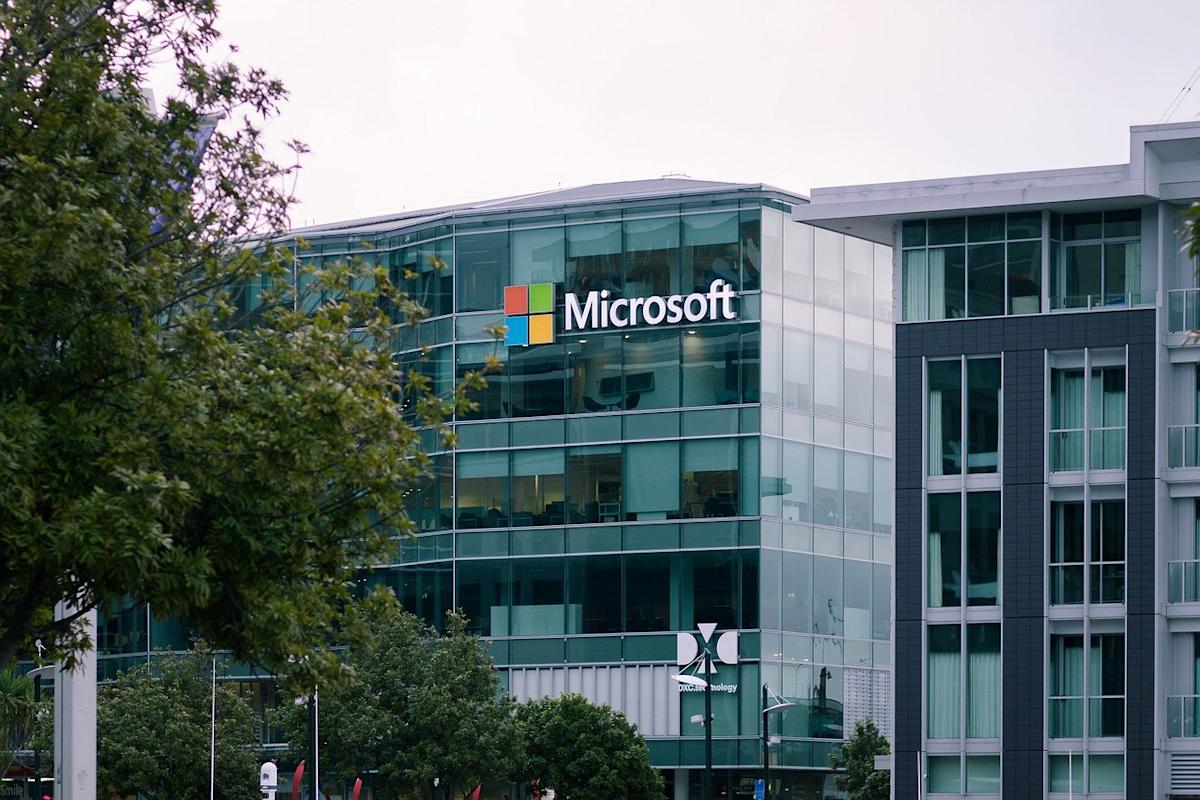
Microsoft Expands Data Center Investments in Europe Amid Growing Demand
- Investment Expansion: Microsoft announced significant investments in new data center regions across Austria, Belgium, Greece, Finland, and Denmark to address the growing demand for cloud and AI services, demonstrating the company's responsiveness to market needs.
- Customer Support: Azure Marketing VP Jessica Hawk stated that the expansion aims to help customers scale critical workloads while ensuring secure and resilient cloud and AI services, thereby enhancing customer trust and satisfaction.
- Analyst Ratings: According to 63 analyst ratings compiled by CNN, 95% rated Microsoft as a 'Buy', with an average price target of $550, representing a 33.70% upside from the current price of $411.38, reflecting optimistic market expectations for its future performance.
- Strategic Significance: Microsoft's investments extend beyond capacity expansion to include the provision of sovereign infrastructure that complies with local regulations, aiming to support innovation and enhance operational control, further solidifying its leadership position in the global cloud computing market.
See More

Microsoft's East Africa Data Center Project Delayed
- Project Delay Reason: Microsoft's data center project in East Africa has been delayed due to disagreements with the Kenyan government over guaranteed payments, highlighting tensions between government and corporate investment assurances.
- Investment Scale: In 2024, Microsoft partnered with UAE-based AI firm G42 to invest $1 billion in a data center in Kenya, indicating a strong focus on the market potential in the region for cloud computing services.
- Negotiation Breakdown: Microsoft and G42 requested the Kenyan government to commit to annual payments for a certain capacity, but negotiations collapsed when the government could not provide the guarantees Microsoft sought, hindering project progress.
- Market Impact: The delay of this project may affect Microsoft's expansion plans in East Africa, limiting its competitiveness in the rapidly growing cloud computing market and potentially impacting local economic development.
See More

Alphabet Surpasses Nvidia in Market Cap Amid AI Boom


- Market Cap Milestone: Alphabet briefly surpassed Nvidia in after-hours trading with a market cap of $4.8 trillion, reflecting strong performance in the AI sector, particularly after a 160% stock price increase over the past year, which has significantly boosted market confidence in its future prospects.
- Cloud Business Surge: Google Cloud's backlog nearly doubled to $462 billion, with analysts attributing this growth primarily to a $200 billion deal with Anthropic, indicating Google's competitive edge and profitability in AI infrastructure.
- Investment Concerns: Despite strong cloud performance, analysts express concerns over reliance on Anthropic, which could account for over 40% of future contracted revenue, reminiscent of Oracle's situation, potentially impacting investor confidence.
- Capital Expenditure Plans: Google projects capital expenditures of up to $190 billion for 2025, more than double that of 2024, with analysts noting that this spending will be crucial for sustained competition in AI, but it also introduces risks that need to be addressed at the upcoming Google I/O conference.
See More

Alphabet Briefly Surpasses Nvidia in Market Cap Amid AI Optimism
- Market Cap Shift: Alphabet briefly surpassed Nvidia in after-hours trading, reaching a market cap of $4.8 trillion, reflecting strong market confidence in its AI capabilities, particularly in cloud computing and proprietary models.
- Cloud Growth Surge: Alphabet's cloud backlog nearly doubled to $462 billion, indicating robust growth potential in AI-related businesses, with analysts suggesting this will provide a solid foundation for future revenue increases.
- Investor Confidence: JPMorgan named Alphabet as their “top overall pick” in the tech sector, highlighting its leading position in the AI market and profitability, signaling optimistic expectations for its future performance.
- Risk Warning: Despite the market's optimism, analysts express concerns over Anthropic's $200 billion cloud commitment, which could represent over 40% of Alphabet's future contracted revenue, cautioning investors about potential concentration risks.
See More
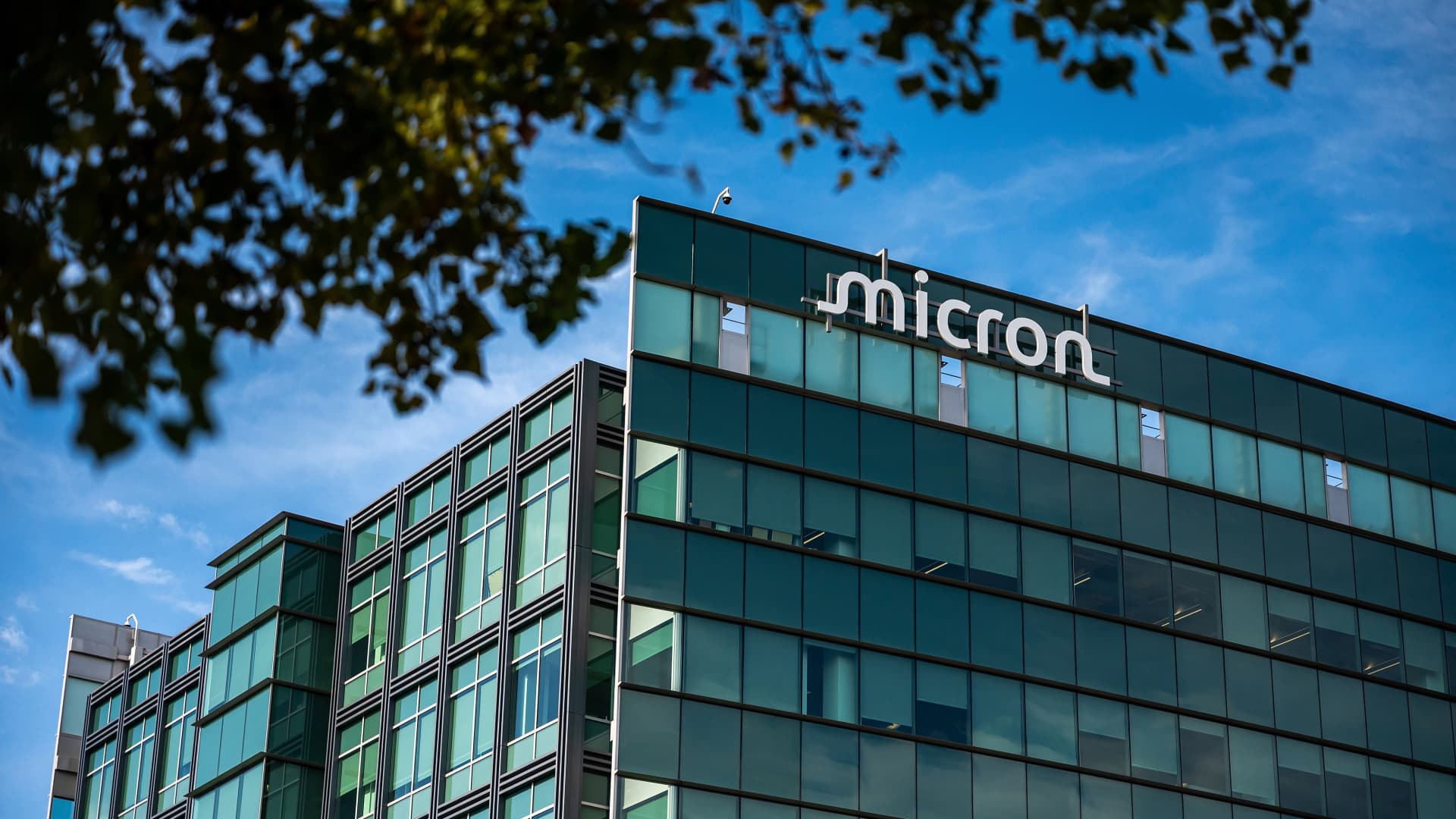
Memory Chip Sector Enters Supercycle Amid AI Demand Surge

- Surging Demand: Analysts indicate that the surge in memory chip demand marks the beginning of a 'supercycle' in the industry, expected to last for years, particularly as the rapid adoption of artificial intelligence accelerates this trend.
- Strong Company Performance: Micron Technology's stock surged nearly 38% in the past week, marking its best weekly performance since 2008, while the Roundhill Memory ETF gained over 30%, reflecting strong market demand for memory chips.
- Samsung's Expansion Plans: Samsung Electronics is advancing the construction of its new mega-fab, P5 Fab 2, by six months to solidify its market dominance in the AI semiconductor sector, with construction expected to begin in July.
- Price Pressure: Due to memory shortages, analysts estimate that DRAM and NAND prices could rise by approximately 180% by mid-2026 compared to Q3 last year, which will pressure downstream companies but also reflect margin expansion for memory manufacturers, with Micron projected to achieve an 81% gross margin.
See More
Microsoft's East Africa Data Center Delayed
- Project Delay Reason: Microsoft's data center construction in Kenya has been delayed due to disagreements with the government over payment guarantees, highlighting the policy challenges the company faces in expanding its cloud computing services.
- Investment Scale: Microsoft, in partnership with UAE-based AI firm G42, plans to invest $1 billion in Kenya to enhance cloud capabilities in East Africa, but the government failed to provide the necessary payment guarantees.
- Negotiation Breakdown: The parties requested the Kenyan government to commit to annual payments for a certain capacity, but talks broke down when the government could not meet Microsoft's demands, potentially impacting Microsoft's market expansion in the region.
- Strategic Implications: This incident underscores the policy risks Microsoft faces in its East African market expansion, which may delay its cloud service growth plans and affect its competitive position in a rapidly growing market.
See More
Microsoft Expands Data Center Investments in Europe Amid Growing Demand
- Investment Expansion: Microsoft announced significant investments in new data center regions across Austria, Belgium, Greece, Finland, and Denmark to address the growing demand for cloud and AI services, demonstrating the company's responsiveness to market needs.
- Customer Support: Azure Marketing VP Jessica Hawk stated that the expansion aims to help customers scale critical workloads while ensuring secure and resilient cloud and AI services, thereby enhancing customer trust and satisfaction.
- Analyst Ratings: According to 63 analyst ratings compiled by CNN, 95% rated Microsoft as a 'Buy', with an average price target of $550, representing a 33.70% upside from the current price of $411.38, reflecting optimistic market expectations for its future performance.
- Strategic Significance: Microsoft's investments extend beyond capacity expansion to include the provision of sovereign infrastructure that complies with local regulations, aiming to support innovation and enhance operational control, further solidifying its leadership position in the global cloud computing market.
See More
Microsoft's East Africa Data Center Project Delayed
- Project Delay Reason: Microsoft's data center project in East Africa has been delayed due to disagreements with the Kenyan government over guaranteed payments, highlighting tensions between government and corporate investment assurances.
- Investment Scale: In 2024, Microsoft partnered with UAE-based AI firm G42 to invest $1 billion in a data center in Kenya, indicating a strong focus on the market potential in the region for cloud computing services.
- Negotiation Breakdown: Microsoft and G42 requested the Kenyan government to commit to annual payments for a certain capacity, but negotiations collapsed when the government could not provide the guarantees Microsoft sought, hindering project progress.
- Market Impact: The delay of this project may affect Microsoft's expansion plans in East Africa, limiting its competitiveness in the rapidly growing cloud computing market and potentially impacting local economic development.
See More
Alphabet Surpasses Nvidia in Market Cap Amid AI Boom
- Market Cap Milestone: Alphabet briefly surpassed Nvidia in after-hours trading with a market cap of $4.8 trillion, reflecting strong performance in the AI sector, particularly after a 160% stock price increase over the past year, which has significantly boosted market confidence in its future prospects.
- Cloud Business Surge: Google Cloud's backlog nearly doubled to $462 billion, with analysts attributing this growth primarily to a $200 billion deal with Anthropic, indicating Google's competitive edge and profitability in AI infrastructure.
- Investment Concerns: Despite strong cloud performance, analysts express concerns over reliance on Anthropic, which could account for over 40% of future contracted revenue, reminiscent of Oracle's situation, potentially impacting investor confidence.
- Capital Expenditure Plans: Google projects capital expenditures of up to $190 billion for 2025, more than double that of 2024, with analysts noting that this spending will be crucial for sustained competition in AI, but it also introduces risks that need to be addressed at the upcoming Google I/O conference.
See More
Alphabet Briefly Surpasses Nvidia in Market Cap Amid AI Optimism
- Market Cap Shift: Alphabet briefly surpassed Nvidia in after-hours trading, reaching a market cap of $4.8 trillion, reflecting strong market confidence in its AI capabilities, particularly in cloud computing and proprietary models.
- Cloud Growth Surge: Alphabet's cloud backlog nearly doubled to $462 billion, indicating robust growth potential in AI-related businesses, with analysts suggesting this will provide a solid foundation for future revenue increases.
- Investor Confidence: JPMorgan named Alphabet as their “top overall pick” in the tech sector, highlighting its leading position in the AI market and profitability, signaling optimistic expectations for its future performance.
- Risk Warning: Despite the market's optimism, analysts express concerns over Anthropic's $200 billion cloud commitment, which could represent over 40% of Alphabet's future contracted revenue, cautioning investors about potential concentration risks.
See More
Memory Chip Sector Enters Supercycle Amid AI Demand Surge
- Surging Demand: Analysts indicate that the surge in memory chip demand marks the beginning of a 'supercycle' in the industry, expected to last for years, particularly as the rapid adoption of artificial intelligence accelerates this trend.
- Strong Company Performance: Micron Technology's stock surged nearly 38% in the past week, marking its best weekly performance since 2008, while the Roundhill Memory ETF gained over 30%, reflecting strong market demand for memory chips.
- Samsung's Expansion Plans: Samsung Electronics is advancing the construction of its new mega-fab, P5 Fab 2, by six months to solidify its market dominance in the AI semiconductor sector, with construction expected to begin in July.
- Price Pressure: Due to memory shortages, analysts estimate that DRAM and NAND prices could rise by approximately 180% by mid-2026 compared to Q3 last year, which will pressure downstream companies but also reflect margin expansion for memory manufacturers, with Micron projected to achieve an 81% gross margin.
See More