ABL Bio Secures $55M R&D Funding from Eli Lilly to Advance Grabody Platform
Written by Emily J. Thompson, Senior Investment Analyst
Updated: Dec 26 2025
0mins
Should l Buy LLY?
Source: NASDAQ.COM
- Funding Support: ABL Bio has secured a total of $55 million in R&D funding from Eli Lilly, including a $40 million upfront payment, which will significantly accelerate the development of its core technologies, particularly the expansion of the Grabody platform.
- Technical Collaboration: The agreement also includes a $15 million equity investment and involves joint research and development on multiple therapeutic candidates, aiming to leverage the Grabody platform to drive innovative therapy development.
- Market Expansion: ABL Bio plans to extend the Grabody platform into high-unmet-need areas such as obesity and muscle disorders while advancing clinical development of bispecific immuno-oncology candidates, which is expected to enhance the company's competitive position in the biotechnology sector.
- Market Reaction: Following the announcement, ABL Bio's stock rose by 5.76% to KRW 198,400, indicating positive market sentiment regarding the collaboration prospects with Eli Lilly.
Trade with 70% Backtested Accuracy
Stop guessing "Should I Buy LLY?" and start using high-conviction signals backed by rigorous historical data.
Sign up today to access powerful investing tools and make smarter, data-driven decisions.
Analyst Views on LLY
Wall Street analysts forecast LLY stock price to rise
20 Analyst Rating
18 Buy
2 Hold
0 Sell
Strong Buy
Current: 954.520

Low
950.00
Averages
1192
High
1500
Current: 954.520
Low
950.00
Averages
1192
High
1500
About LLY
Eli Lilly and Company is a medicine company, which discovers, develops, manufactures, and market products in a single business segment called human pharmaceutical products. The Company manufacture and distribute its products through facilities in the United States, including Puerto Rico, and in Europe and Asia. The Company’s products are sold in approximately 90 countries. Its Cardiometabolic Health products Basaglar; Humalog, Humalog Mix 75/25, Humalog U-100, Humalog U-200, Humalog Mix 50/50, insulin lispro, and others; Humulin, Humulin 70/30, and others; Jardiance; Mounjaro; Trulicity; Zepbound, and others. Its oncology products include Cyramza, Erbitux, Tyvyt, Verzenio, Retevmo, Jaypirca, and others. Its immunology products include Ebglyss, Olumiant, Omvoh, and Taltz. Its neuroscience products include Emgality and Kisunla. Its LillyDirect, a direct-to-patient digital health care platform, provides delivery of select Lilly medicines dispensed by third-party pharmacies to patients.
About the author

Emily J. Thompson
Emily J. Thompson, a Chartered Financial Analyst (CFA) with 12 years in investment research, graduated with honors from the Wharton School. Specializing in industrial and technology stocks, she provides in-depth analysis for Intellectia’s earnings and market brief reports.

Eli Lilly Shares Near $900, Stock Split Speculation Grows
- Stock Price Near $900: Eli Lilly's shares are hovering just below the $900 mark, reflecting market confidence in its future growth, with speculation about a stock split potentially attracting a broader investor base.
- Strong Drug Sales Growth: The company's GLP-1 drugs, Mounjaro and Zepbound, are projected to generate nearly $23 billion and $13.5 billion in revenue respectively for 2025, with year-over-year growth rates of 99% and 175%, indicating robust market demand and significant growth potential.
- Low Market Penetration: Despite strong adoption, GLP-1 drug penetration among the eligible obesity population in the U.S. remains in the mid-single digits, suggesting substantial growth opportunities for Eli Lilly's obesity portfolio, especially with the upcoming launch of oral GLP-1 therapy orforglipron.
- Optimistic Future Revenue Outlook: Eli Lilly is guiding for fiscal 2026 revenue between $80 billion and $83 billion, and while management anticipates pricing pressures on revenue growth, strong volume growth is expected to more than offset this, highlighting the broad-based and durable demand for its drugs.
See More
Trump Administration Plans 100% Tariffs on Imported Pharmaceuticals

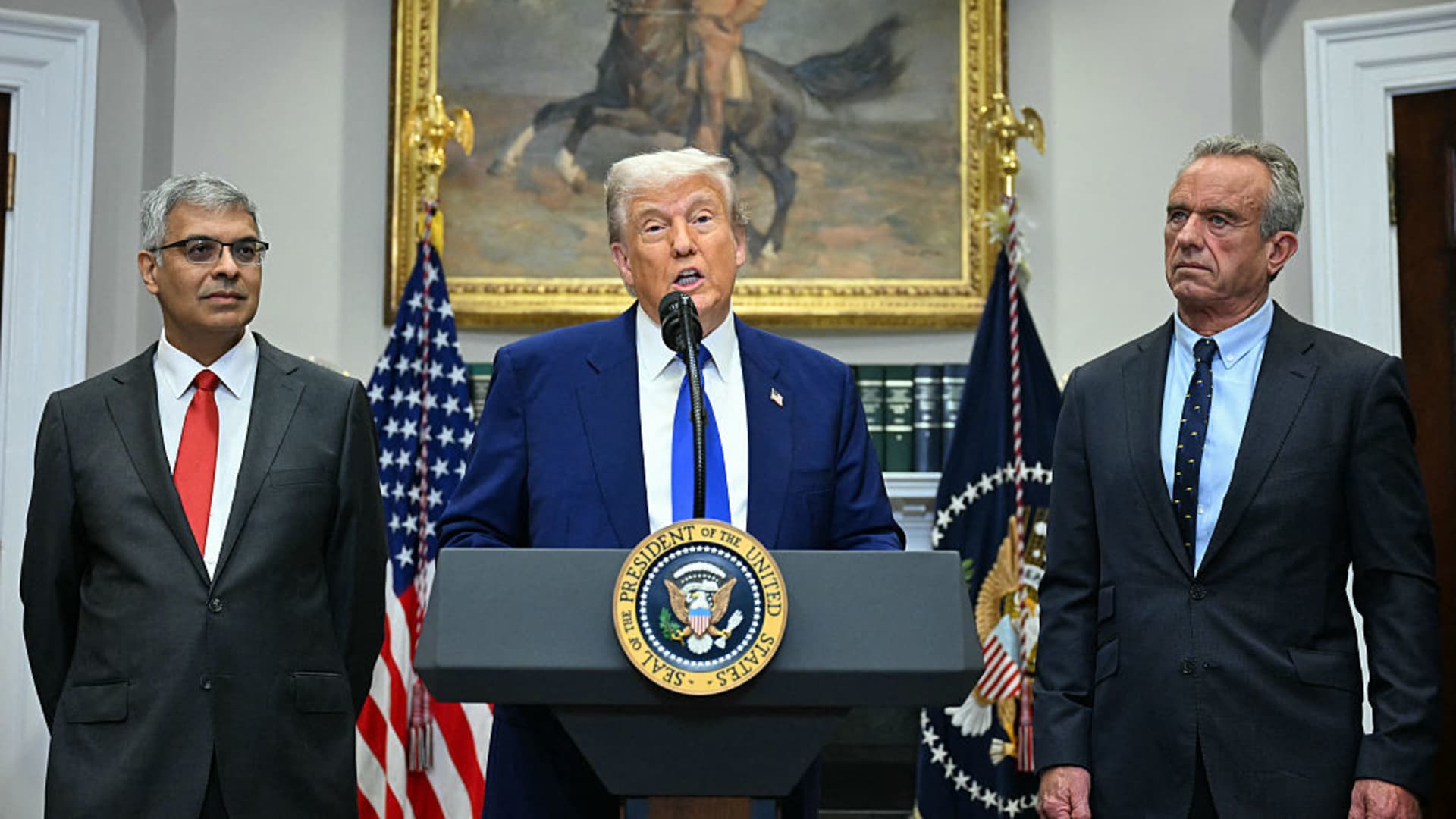
- Tariff Policy Shift: The Trump administration is preparing to impose tariffs of up to 100% on branded drugs from companies that have not negotiated price reductions, potentially impacting major pharmaceutical firms like Eli Lilly, Pfizer, and Novo Nordisk, thereby increasing price volatility in the drug market.
- Manufacturing Incentives: Drugmakers can reduce or avoid tariffs by relocating production to the U.S. or negotiating deals with the administration, aiming to stimulate domestic manufacturing and potentially leading to a resurgence of investments in the pharmaceutical sector.
- Tariff Implementation Details: The draft proposal includes a 20% tariff for companies planning to onshore production, escalating to 100% in four years, which could significantly influence the long-term strategic positioning of the pharmaceutical industry.
- National Security Considerations: The tariff proposal stems from a Commerce Department investigation that identified certain pharmaceutical imports as a national security risk, highlighting the government's heightened focus on the security of drug supply chains.
See More

Trump Administration Plans New Tariffs on Pharmaceuticals
- New Tariff Policy: The Trump administration is preparing to impose new tariffs on pharmaceutical companies that have not struck price reduction deals, with patented drugs facing a potential 100% tariff, which could significantly increase costs and impact drug pricing.
- Exemption Pathways: Drugmakers can reduce or avoid tariffs by relocating production to the U.S. or negotiating agreements with the administration, aiming to encourage domestic manufacturing while potentially reshaping drug supply chains.
- Scope of Impact: Since November, over a dozen major drugmakers, including Eli Lilly, Pfizer, and Novo Nordisk, have secured three-year tariff exemptions through agreements with Trump, indicating a strong governmental stance on drug pricing that may alter competitive dynamics in the industry.
- Future Tariff Plans: The draft outlines a 20% tariff for companies planning to onshore production, escalating to 100% in four years, which could have profound implications for the pharmaceutical sector's long-term strategies amid increasing global market competition.
See More
Novo Nordisk's Oral Semaglutide Outperforms Competitor in Weight Loss
- Weight Loss Comparison: Novo Nordisk's oral semaglutide 25 mg demonstrated approximately 3 percentage points greater weight loss than orforglipron in the ORION study, indicating a significant therapeutic advantage that could reshape market dynamics.
- Tolerability Advantage: The study revealed that patients on orforglipron had about 14 times higher odds of discontinuing treatment due to side effects, particularly gastrointestinal issues, underscoring semaglutide's superior tolerability profile.
- Patient Preference Survey: An independent patient survey indicated that 84% of participants preferred a treatment profile similar to semaglutide, suggesting high acceptance and potential for increased market demand for this drug.
- Market Reaction: Despite semaglutide's demonstrated efficacy, NVO shares fell 1.8% in pre-market trading, while Eli Lilly's stock also edged down 1%, reflecting market caution regarding the competitive landscape of weight loss medications.
See More

Eli Lilly Shares Surge Following FDA Approval of Foundayo
- FDA Drug Approval: Eli Lilly's oral GLP-1 therapy Foundayo (orforglipron) received FDA approval, demonstrating a mean weight loss of 12.4% and cardiovascular benefits in clinical trials, which is expected to significantly expand the underpenetrated patient population and reinforce the company's leadership in the obesity market.
- Stock Price Rebound: Following the FDA approval news, Eli Lilly shares surged 3.8% in the last trading session to close at $954.52, reflecting strong market confidence in its new drug despite an 8.7% decline over the past four weeks.
- Strong Earnings Forecast: The company is expected to report quarterly earnings of $7.53 per share, representing a year-over-year increase of 125.5%, with revenues projected to reach $17.66 billion, up 38.7% from the previous year, indicating robust growth potential.
- Upward Earnings Revision: Over the past 30 days, the consensus EPS estimate for Eli Lilly has been revised 2.3% higher, and such positive earnings estimate revisions are typically correlated with stock price appreciation, suggesting investors should monitor its future performance closely.
See More
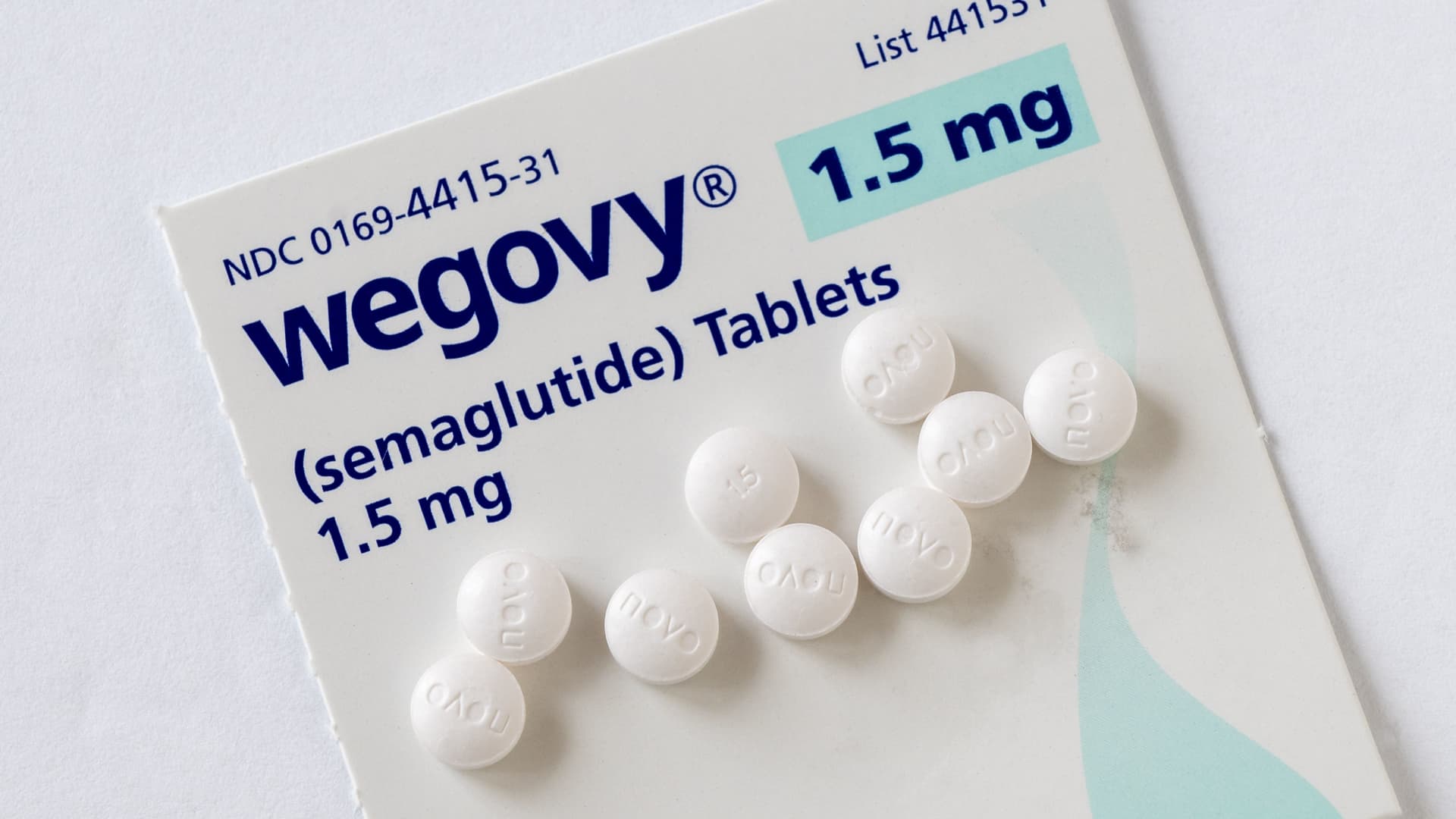
Wegovy Pill Shows Superior Weight Loss Over Foundayo
- Weight Loss Efficacy: The Wegovy pill demonstrated significantly greater mean weight loss of 16.6% compared to Eli Lilly's Foundayo, which showed only 12.4%, indicating Wegovy's competitive edge in the weight-loss drug market.
- Patient Preference Insights: An analysis by Novo revealed that 84% of patients preferred the drug profile of Wegovy, highlighting strong patient recognition of its lifestyle compatibility, which provides robust support for Novo's market promotion efforts.
- Market Competition Dynamics: The launch of the Wegovy pill is seen as the beginning of a new era in weight-loss medications; however, analysts note that the rapid increase in prescriptions may slow down as Foundayo approaches its market entry, potentially impacting Wegovy's market share.
- Side Effect Comparison: Recent studies indicate that Wegovy outperforms Foundayo in terms of discontinuation rates, with the latter associated with about 14 times higher odds of stopping treatment due to side effects, providing Wegovy with a crucial differentiation advantage in the increasingly competitive anti-obesity drug market.
See More
Eli Lilly Shares Near $900, Stock Split Speculation Grows
- Stock Price Near $900: Eli Lilly's shares are hovering just below the $900 mark, reflecting market confidence in its future growth, with speculation about a stock split potentially attracting a broader investor base.
- Strong Drug Sales Growth: The company's GLP-1 drugs, Mounjaro and Zepbound, are projected to generate nearly $23 billion and $13.5 billion in revenue respectively for 2025, with year-over-year growth rates of 99% and 175%, indicating robust market demand and significant growth potential.
- Low Market Penetration: Despite strong adoption, GLP-1 drug penetration among the eligible obesity population in the U.S. remains in the mid-single digits, suggesting substantial growth opportunities for Eli Lilly's obesity portfolio, especially with the upcoming launch of oral GLP-1 therapy orforglipron.
- Optimistic Future Revenue Outlook: Eli Lilly is guiding for fiscal 2026 revenue between $80 billion and $83 billion, and while management anticipates pricing pressures on revenue growth, strong volume growth is expected to more than offset this, highlighting the broad-based and durable demand for its drugs.
See More
Trump Administration Plans 100% Tariffs on Imported Pharmaceuticals
- Tariff Policy Shift: The Trump administration is preparing to impose tariffs of up to 100% on branded drugs from companies that have not negotiated price reductions, potentially impacting major pharmaceutical firms like Eli Lilly, Pfizer, and Novo Nordisk, thereby increasing price volatility in the drug market.
- Manufacturing Incentives: Drugmakers can reduce or avoid tariffs by relocating production to the U.S. or negotiating deals with the administration, aiming to stimulate domestic manufacturing and potentially leading to a resurgence of investments in the pharmaceutical sector.
- Tariff Implementation Details: The draft proposal includes a 20% tariff for companies planning to onshore production, escalating to 100% in four years, which could significantly influence the long-term strategic positioning of the pharmaceutical industry.
- National Security Considerations: The tariff proposal stems from a Commerce Department investigation that identified certain pharmaceutical imports as a national security risk, highlighting the government's heightened focus on the security of drug supply chains.
See More
Trump Administration Plans New Tariffs on Pharmaceuticals
- New Tariff Policy: The Trump administration is preparing to impose new tariffs on pharmaceutical companies that have not struck price reduction deals, with patented drugs facing a potential 100% tariff, which could significantly increase costs and impact drug pricing.
- Exemption Pathways: Drugmakers can reduce or avoid tariffs by relocating production to the U.S. or negotiating agreements with the administration, aiming to encourage domestic manufacturing while potentially reshaping drug supply chains.
- Scope of Impact: Since November, over a dozen major drugmakers, including Eli Lilly, Pfizer, and Novo Nordisk, have secured three-year tariff exemptions through agreements with Trump, indicating a strong governmental stance on drug pricing that may alter competitive dynamics in the industry.
- Future Tariff Plans: The draft outlines a 20% tariff for companies planning to onshore production, escalating to 100% in four years, which could have profound implications for the pharmaceutical sector's long-term strategies amid increasing global market competition.
See More
Novo Nordisk's Oral Semaglutide Outperforms Competitor in Weight Loss
- Weight Loss Comparison: Novo Nordisk's oral semaglutide 25 mg demonstrated approximately 3 percentage points greater weight loss than orforglipron in the ORION study, indicating a significant therapeutic advantage that could reshape market dynamics.
- Tolerability Advantage: The study revealed that patients on orforglipron had about 14 times higher odds of discontinuing treatment due to side effects, particularly gastrointestinal issues, underscoring semaglutide's superior tolerability profile.
- Patient Preference Survey: An independent patient survey indicated that 84% of participants preferred a treatment profile similar to semaglutide, suggesting high acceptance and potential for increased market demand for this drug.
- Market Reaction: Despite semaglutide's demonstrated efficacy, NVO shares fell 1.8% in pre-market trading, while Eli Lilly's stock also edged down 1%, reflecting market caution regarding the competitive landscape of weight loss medications.
See More
Eli Lilly Shares Surge Following FDA Approval of Foundayo
- FDA Drug Approval: Eli Lilly's oral GLP-1 therapy Foundayo (orforglipron) received FDA approval, demonstrating a mean weight loss of 12.4% and cardiovascular benefits in clinical trials, which is expected to significantly expand the underpenetrated patient population and reinforce the company's leadership in the obesity market.
- Stock Price Rebound: Following the FDA approval news, Eli Lilly shares surged 3.8% in the last trading session to close at $954.52, reflecting strong market confidence in its new drug despite an 8.7% decline over the past four weeks.
- Strong Earnings Forecast: The company is expected to report quarterly earnings of $7.53 per share, representing a year-over-year increase of 125.5%, with revenues projected to reach $17.66 billion, up 38.7% from the previous year, indicating robust growth potential.
- Upward Earnings Revision: Over the past 30 days, the consensus EPS estimate for Eli Lilly has been revised 2.3% higher, and such positive earnings estimate revisions are typically correlated with stock price appreciation, suggesting investors should monitor its future performance closely.
See More
Wegovy Pill Shows Superior Weight Loss Over Foundayo
- Weight Loss Efficacy: The Wegovy pill demonstrated significantly greater mean weight loss of 16.6% compared to Eli Lilly's Foundayo, which showed only 12.4%, indicating Wegovy's competitive edge in the weight-loss drug market.
- Patient Preference Insights: An analysis by Novo revealed that 84% of patients preferred the drug profile of Wegovy, highlighting strong patient recognition of its lifestyle compatibility, which provides robust support for Novo's market promotion efforts.
- Market Competition Dynamics: The launch of the Wegovy pill is seen as the beginning of a new era in weight-loss medications; however, analysts note that the rapid increase in prescriptions may slow down as Foundayo approaches its market entry, potentially impacting Wegovy's market share.
- Side Effect Comparison: Recent studies indicate that Wegovy outperforms Foundayo in terms of discontinuation rates, with the latter associated with about 14 times higher odds of stopping treatment due to side effects, providing Wegovy with a crucial differentiation advantage in the increasingly competitive anti-obesity drug market.
See More