Abbott vs. Dexcom: Competition in CGM Market
Written by Emily J. Thompson, Senior Investment Analyst
Updated: Apr 20 2026
0mins

Should l Buy ABT?
Source: NASDAQ.COM
- Market Leadership: Abbott leads the continuous glucose monitoring (CGM) market with its FreeStyle Libre product line, which surpassed five million patient installations three years ago, demonstrating strong market penetration, while Dexcom, despite outperforming over the past decade, has yet to reach this milestone.
- Diversification Advantage: Abbott's business spans medical devices, diagnostics, nutrition, and pharmaceuticals, allowing it to maintain stable revenue and earnings growth, while also providing the financial resources for continued investment in the CGM market, enhancing its competitive position.
- Acquisition for Market Expansion: Abbott's $21 billion acquisition of Exact Sciences allows entry into the cancer diagnostics market, with Cologuard serving as a non-invasive colorectal cancer screening tool targeting millions of eligible individuals yet to be tested, showcasing its potential for expansion in healthcare.
- Risk vs. Reward: While Dexcom shows stronger revenue growth, its lack of diversification poses higher risks, especially if the CGM market is impacted by GLP-1 medications, whereas Abbott's diversified business model enables quicker recovery, making it more suitable for risk-averse investors.
Trade with 70% Backtested Accuracy
Stop guessing "Should I Buy ABT?" and start using high-conviction signals backed by rigorous historical data.
Sign up today to access powerful investing tools and make smarter, data-driven decisions.
Analyst Views on ABT
Wall Street analysts forecast ABT stock price to rise
19 Analyst Rating
17 Buy
2 Hold
0 Sell
Strong Buy
Current: 84.900

Low
136.00
Averages
148.11
High
169.00
Current: 84.900
Low
136.00
Averages
148.11
High
169.00
About ABT
Abbott Laboratories is a global healthcare company. The Company’s principal business is the discovery, development, manufacture, and sale of a broad and diversified line of healthcare products. Its segments include Established Pharmaceutical Products, Diagnostic Products, Nutritional Products, and Medical Devices. Established Pharmaceutical Products segment is engaged in the international sales of a broad line of branded generic pharmaceutical products. Diagnostic Products segment is involved in the worldwide sales of diagnostic systems and tests for blood banks, hospitals, commercial laboratories and alternate-care testing sites. Nutritional Products segment is engaged in the worldwide sales of a broad line of adult and pediatric nutritional products. Medical Devices segment is involved in the worldwide sales of rhythm management, electrophysiology, heart failure, vascular, structural heart, neuromodulation and diabetes care products. It serves people in more than 160 countries.
About the author

Emily J. Thompson
Emily J. Thompson, a Chartered Financial Analyst (CFA) with 12 years in investment research, graduated with honors from the Wharton School. Specializing in industrial and technology stocks, she provides in-depth analysis for Intellectia’s earnings and market brief reports.

Semiconductor Stocks Surge, Defensive Stocks Under Pressure


- Semiconductor Stocks Shine: Companies like Intel, Micron, and Seagate have surged over 40% in 2026, significantly exceeding their 200-day moving averages, indicating a robust momentum driven by AI and data center trades that are reshaping market dynamics.
- Storage Companies Benefit: Firms such as Seagate and Western Digital are favored by investors due to rising demand for memory and data infrastructure, further solidifying their market positions and reflecting a sustained preference for tech stocks.
- Defensive Stocks Under Pressure: Defensive consumer and healthcare stocks like Zoetis and Abbott are trading significantly below their long-term trends, illustrating a shift in investor preference towards high-beta tech stocks, resulting in severe overselling of these names.
- Cautious Sentiment in Software Sector: IT services and enterprise software companies, including Accenture and ServiceNow, feature prominently on the oversold list, indicating investor caution regarding the software trade amid slowing corporate spending and potential long-term disruptions from generative AI tools.
See More

Schwab U.S. Dividend Equity ETF Investment Analysis


- Quality Dividend Stock Portfolio: The Schwab U.S. Dividend Equity ETF (SCHD) holds around 100 carefully selected stocks, ensuring strong fundamentals and avoiding high-risk dividend stocks, thereby enhancing investment safety.
- Low-Risk Investment Characteristics: With only 11% of its holdings in tech stocks and stable sectors like consumer staples, healthcare, and energy accounting for 16% to 20%, this ETF demonstrates low-risk investment traits, making it suitable for investors seeking stable returns.
- Fee and Yield Advantages: The Schwab fund boasts an expense ratio of just 0.06%, while its dividend yield is approximately 3.3%, which is three times the S&P 500's yield of 1.1%, making it highly attractive.
- Outstanding Market Performance: The ETF has risen about 15% since the beginning of the year, performing excellently amid geopolitical and economic uncertainties, positioning itself as an ideal choice for investors seeking safe investments.
See More

Market Punishes Stocks More Aggressively, Tech Stocks Favored


- Increased Market Punishment: Jim Cramer highlights that the current market punishes companies that miss expectations more severely than in 1999, with Abbott Laboratories down 34% this year, indicating a strong aversion to non-tech stocks.
- Investor Sentiment Divergence: While the S&P 500 and Nasdaq Composite reached record highs, Cramer warns of a pronounced market bifurcation where investors flock to a narrow group of AI winners while aggressively selling off other companies.
- Healthcare Sector Struggles: Cramer notes that companies like Danaher have seen stock declines of 27% due to poor performance, with Boston Scientific and Intuitive Surgical also hitting new lows, reflecting a lack of confidence in the healthcare sector.
- Dot-Com Bubble Comparisons: Cramer cautions against direct comparisons to the dot-com era, arguing that current market dynamics are more extreme, with some hated stocks being excessively punished while loved stocks are excessively favored, creating a stark market polarization.
See More

Market Resembles 1999 but with Greater Punishment for Stocks
- Increased Market Punishment: Cramer highlighted that the current market punishes companies that miss expectations more severely than in 1999, with Abbott Laboratories down 34% this year, indicating investor disappointment in healthcare tech firms.
- Investor Sentiment Divergence: While the S&P 500 and Nasdaq Composite reached record highs, the market has become increasingly bifurcated, with investors flocking to artificial intelligence stocks while aggressively selling off others.
- Healthcare Tech Companies Struggling: Danaher has seen a 27% decline in stock price, and Cramer noted that several medical technology firms, including Boston Scientific and Medtronic, have hit new lows, reflecting a cold market attitude towards non-tech stocks.
- AI Hype and Market Extremes: Cramer cautioned that while investors are overly enthusiastic about AI stocks, the current market dynamics are far more extreme than in 1999, with some hated stocks being excessively punished and loved stocks being excessively favored.
See More
Roundhill Memory ETF DRAM Attracts Over $5 Billion in Investments


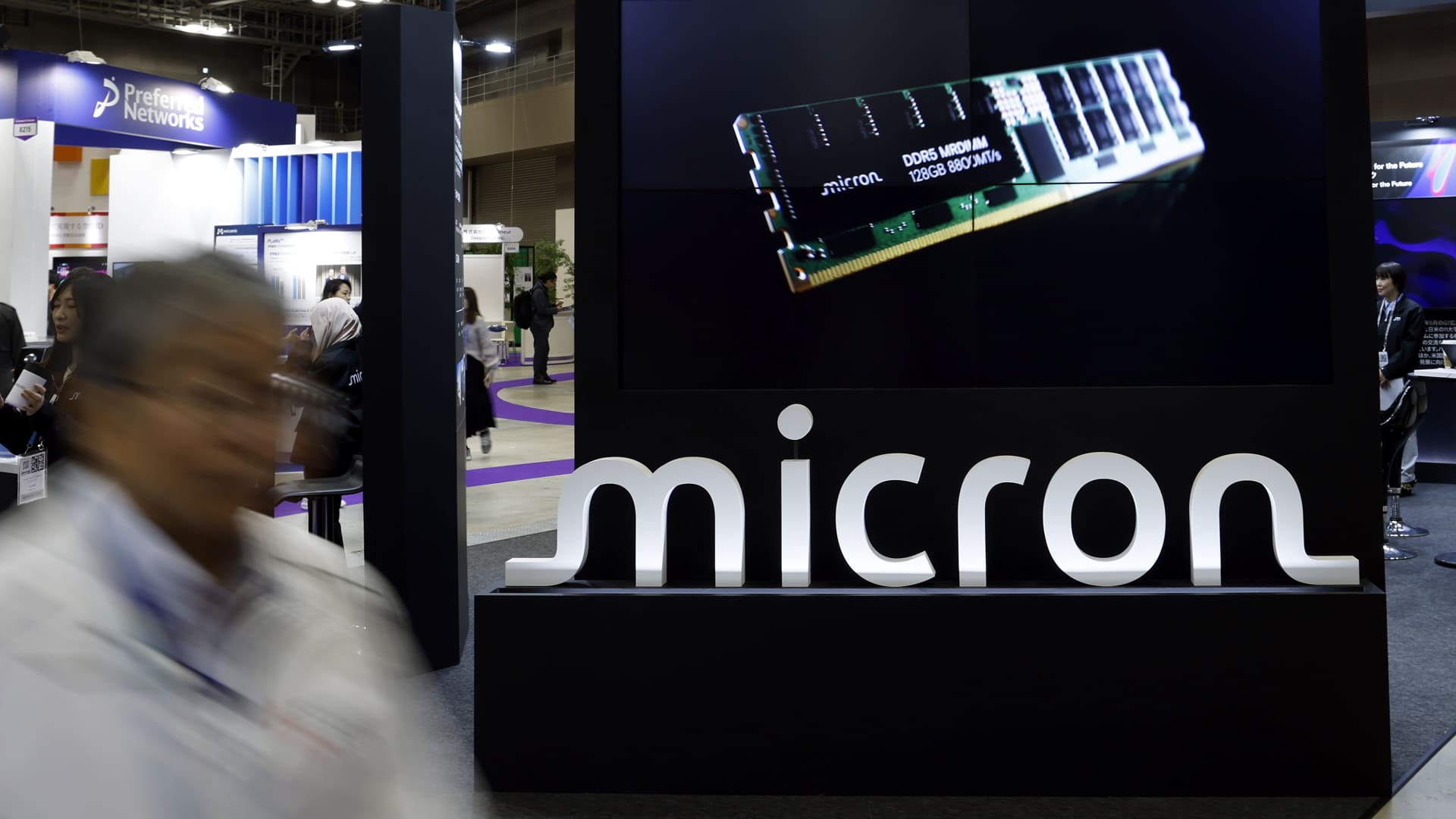
- Memory Supercycle: The Roundhill Memory ETF (DRAM) attracted over $5 billion in investments within a month, including $1.1 billion on Thursday alone, indicating strong market demand for memory stocks driven by surging AI computing needs.
- Core Holdings Performance: The ETF's core holdings feature leading memory manufacturers like SK Hynix, Micron, and Samsung, allowing investors to gain broad exposure to these high-growth companies, including those not listed on U.S. exchanges.
- Market Reaction: Micron's stock surged over 200 points in a week, climbing from $542 to $747, reflecting optimistic market expectations for memory product demand, with a price-to-earnings ratio of only 9 times projected earnings for the next 12 months, highlighting its appeal as a quality stock.
- Investment Opportunities: Despite waning interest in data center stocks, investors can still capitalize on potential gains in the memory and cooling sectors by purchasing instruments like the DRAM ETF, especially as major tech companies continue to invest heavily in data centers.
See More

Abbott Laboratories Q4 2025 Financial Results Analysis
- Revenue Growth: Abbott reported total net sales of $11.459 billion in Q4 2025, reflecting a 4.4% increase, while organic growth reached 3.8% after excluding declining COVID-19 testing sales, indicating resilience in its medical device segment.
- Profitability Improvement: Adjusted diluted EPS rose 12% to $1.50, meeting market expectations, with operating margin expanding to 25.8%, showcasing effective cost management strategies amid inflationary pressures.
- Strong Medical Device Performance: The Medical Devices segment generated $5.675 billion in sales, a 12.3% increase, marking the 12th consecutive quarter of double-digit organic growth, with FreeStyle Libre sales reaching $2 billion, underscoring its market leadership.
- Nutrition Segment Challenges: The Nutrition segment saw an 8.9% decline in sales, primarily due to competitive pressures in the U.S. pediatric market, with management planning to regain market share through new products and promotional strategies, expecting growth in the second half of 2026.
See More
Semiconductor Stocks Surge, Defensive Stocks Under Pressure
- Semiconductor Stocks Shine: Companies like Intel, Micron, and Seagate have surged over 40% in 2026, significantly exceeding their 200-day moving averages, indicating a robust momentum driven by AI and data center trades that are reshaping market dynamics.
- Storage Companies Benefit: Firms such as Seagate and Western Digital are favored by investors due to rising demand for memory and data infrastructure, further solidifying their market positions and reflecting a sustained preference for tech stocks.
- Defensive Stocks Under Pressure: Defensive consumer and healthcare stocks like Zoetis and Abbott are trading significantly below their long-term trends, illustrating a shift in investor preference towards high-beta tech stocks, resulting in severe overselling of these names.
- Cautious Sentiment in Software Sector: IT services and enterprise software companies, including Accenture and ServiceNow, feature prominently on the oversold list, indicating investor caution regarding the software trade amid slowing corporate spending and potential long-term disruptions from generative AI tools.
See More
Schwab U.S. Dividend Equity ETF Investment Analysis
- Quality Dividend Stock Portfolio: The Schwab U.S. Dividend Equity ETF (SCHD) holds around 100 carefully selected stocks, ensuring strong fundamentals and avoiding high-risk dividend stocks, thereby enhancing investment safety.
- Low-Risk Investment Characteristics: With only 11% of its holdings in tech stocks and stable sectors like consumer staples, healthcare, and energy accounting for 16% to 20%, this ETF demonstrates low-risk investment traits, making it suitable for investors seeking stable returns.
- Fee and Yield Advantages: The Schwab fund boasts an expense ratio of just 0.06%, while its dividend yield is approximately 3.3%, which is three times the S&P 500's yield of 1.1%, making it highly attractive.
- Outstanding Market Performance: The ETF has risen about 15% since the beginning of the year, performing excellently amid geopolitical and economic uncertainties, positioning itself as an ideal choice for investors seeking safe investments.
See More
Market Punishes Stocks More Aggressively, Tech Stocks Favored
- Increased Market Punishment: Jim Cramer highlights that the current market punishes companies that miss expectations more severely than in 1999, with Abbott Laboratories down 34% this year, indicating a strong aversion to non-tech stocks.
- Investor Sentiment Divergence: While the S&P 500 and Nasdaq Composite reached record highs, Cramer warns of a pronounced market bifurcation where investors flock to a narrow group of AI winners while aggressively selling off other companies.
- Healthcare Sector Struggles: Cramer notes that companies like Danaher have seen stock declines of 27% due to poor performance, with Boston Scientific and Intuitive Surgical also hitting new lows, reflecting a lack of confidence in the healthcare sector.
- Dot-Com Bubble Comparisons: Cramer cautions against direct comparisons to the dot-com era, arguing that current market dynamics are more extreme, with some hated stocks being excessively punished while loved stocks are excessively favored, creating a stark market polarization.
See More
Market Resembles 1999 but with Greater Punishment for Stocks
- Increased Market Punishment: Cramer highlighted that the current market punishes companies that miss expectations more severely than in 1999, with Abbott Laboratories down 34% this year, indicating investor disappointment in healthcare tech firms.
- Investor Sentiment Divergence: While the S&P 500 and Nasdaq Composite reached record highs, the market has become increasingly bifurcated, with investors flocking to artificial intelligence stocks while aggressively selling off others.
- Healthcare Tech Companies Struggling: Danaher has seen a 27% decline in stock price, and Cramer noted that several medical technology firms, including Boston Scientific and Medtronic, have hit new lows, reflecting a cold market attitude towards non-tech stocks.
- AI Hype and Market Extremes: Cramer cautioned that while investors are overly enthusiastic about AI stocks, the current market dynamics are far more extreme than in 1999, with some hated stocks being excessively punished and loved stocks being excessively favored.
See More
Roundhill Memory ETF DRAM Attracts Over $5 Billion in Investments
- Memory Supercycle: The Roundhill Memory ETF (DRAM) attracted over $5 billion in investments within a month, including $1.1 billion on Thursday alone, indicating strong market demand for memory stocks driven by surging AI computing needs.
- Core Holdings Performance: The ETF's core holdings feature leading memory manufacturers like SK Hynix, Micron, and Samsung, allowing investors to gain broad exposure to these high-growth companies, including those not listed on U.S. exchanges.
- Market Reaction: Micron's stock surged over 200 points in a week, climbing from $542 to $747, reflecting optimistic market expectations for memory product demand, with a price-to-earnings ratio of only 9 times projected earnings for the next 12 months, highlighting its appeal as a quality stock.
- Investment Opportunities: Despite waning interest in data center stocks, investors can still capitalize on potential gains in the memory and cooling sectors by purchasing instruments like the DRAM ETF, especially as major tech companies continue to invest heavily in data centers.
See More
Abbott Laboratories Q4 2025 Financial Results Analysis
- Revenue Growth: Abbott reported total net sales of $11.459 billion in Q4 2025, reflecting a 4.4% increase, while organic growth reached 3.8% after excluding declining COVID-19 testing sales, indicating resilience in its medical device segment.
- Profitability Improvement: Adjusted diluted EPS rose 12% to $1.50, meeting market expectations, with operating margin expanding to 25.8%, showcasing effective cost management strategies amid inflationary pressures.
- Strong Medical Device Performance: The Medical Devices segment generated $5.675 billion in sales, a 12.3% increase, marking the 12th consecutive quarter of double-digit organic growth, with FreeStyle Libre sales reaching $2 billion, underscoring its market leadership.
- Nutrition Segment Challenges: The Nutrition segment saw an 8.9% decline in sales, primarily due to competitive pressures in the U.S. pediatric market, with management planning to regain market share through new products and promotional strategies, expecting growth in the second half of 2026.
See More