4 Genuine Opportunities Lurking Beneath the AI Buzz


AI Hype Cycle: The current excitement around artificial intelligence (AI) mirrors past trends in technology, where many become instant experts, but the real investment opportunities lie in the foundational infrastructure that supports AI growth.
Infrastructure Investment: KKR highlights that the infrastructure needed for AI, such as data centers and power supply, is a multi-trillion-dollar opportunity, with demand growing faster than the ability to deliver necessary resources like electricity and land.
Key Players in AI Buildout: Companies like Digital Realty Trust, NRG Energy, Prologis, and Quanta Services are positioned to benefit from the AI infrastructure boom, as they control essential assets like data centers, power generation, land, and grid rebuilding capabilities.
Long-Term Value: The true value in the AI revolution will come from investing in the companies that build and maintain the physical infrastructure, rather than chasing the latest AI applications or trends, ensuring sustainable growth over time.
Trade with 70% Backtested Accuracy
Analyst Views on KKR

About KKR
About the author


US Stock Market Under Pressure with Mixed Tech Performance


- Market Decline: The S&P 500 index fell by 0.57%, the Dow Jones Industrial Average dropped by 0.58%, and the Nasdaq 100 decreased by 0.60%, indicating market vulnerability amid escalating US-Iran tensions, which negatively impacted investor sentiment.
- Mixed Tech Performance: While Marvell Technology surged over 6%, software companies like Atlassian and Datadog saw declines exceeding 7%, highlighting significant internal divergence within the tech sector that could affect overall market stability.
- Supportive Employment Data: The May ADP employment change rose by 122,000, surpassing expectations of 120,000 and marking the largest increase in 16 months, indicating resilience in the US labor market that may provide support for stocks.
- Mortgage Applications Decline: For the week ending May 29, US MBA mortgage applications fell by 2.5%, with the purchase mortgage sub-index down 2.9%, reflecting pressure from rising interest rates on the housing market, which could impact future consumer spending.
Private Credit Market Faces Ongoing Pressure as Redemption Requests Surge


- Surge in Redemption Requests: The Cliffwater private credit fund faced redemption requests totaling about 17% in Q2, capping withdrawals at 5%, raising concerns about the health of the $1.8 trillion private credit market.
- Major Companies Decline: In response to market conditions, KKR's stock fell 5.43% to $89.32, Apollo dropped 3.70% to $123.99, Ares decreased by 4.90% to $121.99, and Blackstone fell 5.45% to $108.65, indicating weakened investor confidence in private credit.
- Historic Redemption Levels: According to a Bank of America report, redemption requests at non-traded business development companies reached historic highs in Q1 and are expected to rise further in Q2, with Apollo Debt Solutions' requests projected to increase from 11.2% in Q1 to 15% in Q2.
- Market Sentiment Shift: Although Blue Owl Capital's co-CEO indicated a potential shift in investor sentiment, the latest redemption data suggests ongoing pressure in the market, with expectations for elevated redemptions continuing into Q3.
Private Equity Withdrawal Caps Impact Market Movements

- Private Equity Market Volatility: Partners Group's decision to cap withdrawals from one of its funds led to a 6% drop in Blackstone's stock and over a 5.5% decline in KKR, indicating market concerns regarding liquidity risks in the private equity sector.
- Palo Alto's Cautious Outlook: Despite Palo Alto Networks providing stronger-than-expected revenue guidance, its stock fell 2%, reflecting market skepticism about future growth, even as it reported adjusted earnings of 85 cents per share, surpassing analyst expectations.
- GitLab's Workforce Reduction: GitLab shares dropped nearly 4% after guiding for adjusted earnings per share below analyst estimates and announcing a 14% workforce reduction, which is expected to incur restructuring charges between $30 million and $35 million, highlighting the challenges the company faces.
- Marvell Technology's Stock Surge: Following a remarkable 32% increase in a single day, Marvell Technology's stock jumped over 13% in premarket trading, reflecting strong investor confidence in its robust performance and future growth potential.
Concerns Over Private Market Valuations Resurface
- Investor Redemption Restrictions: Switzerland's Partners Group has moved to limit investor withdrawals from its $8.6 billion Global Value SICAV fund to 5% of net asset value due to redemption requests hitting 9.8%, indicating increasing liquidity pressures.
- Severe Market Reaction: Following this news, KKR shares fell 4.7% in premarket trading, Blackstone dropped 3.9%, and Ares Management declined 2.5%, reflecting market concerns over the health of private markets.
- Emerging Industry Trends: Partners Group CEO David Layton noted that redemption pressures in private credit are now spreading to other asset classes, highlighting investor worries about liquidity mismatches and deteriorating asset quality.
- Increasing Similar Measures: As more U.S. private equity firms implement redemption restrictions, market focus on liquidity risks is intensifying, potentially leading to more investors seeking exits and exacerbating market instability.

Market Capitalization Comparison: KKR vs. Baker Hughes
- Importance of Market Cap: KKR & CO Inc has a market capitalization of $85.54 billion compared to Baker Hughes Company at $63.35 billion, allowing investors to accurately assess company value and avoid misguided investment decisions.
- Investor Misconceptions: Many novice investors mistakenly judge company value solely by stock price, while market cap provides a more realistic comparison of company sizes, helping investors understand relative value among different firms.
- Impact on Market Positioning: Market capitalization not only affects a company's ranking among peers but also determines which mutual funds and ETFs are willing to hold the stock; for instance, large-cap funds typically focus on companies valued at $10 billion or more, influencing capital inflows.
- Index Influence: The S&P MidCap index, which excludes the largest 100 companies to focus on smaller firms, illustrates the significance of market cap in investment strategies and market performance, particularly as smaller companies can outperform larger rivals in favorable market conditions.
Private Credit Defaults Expected to Rise to Record Levels

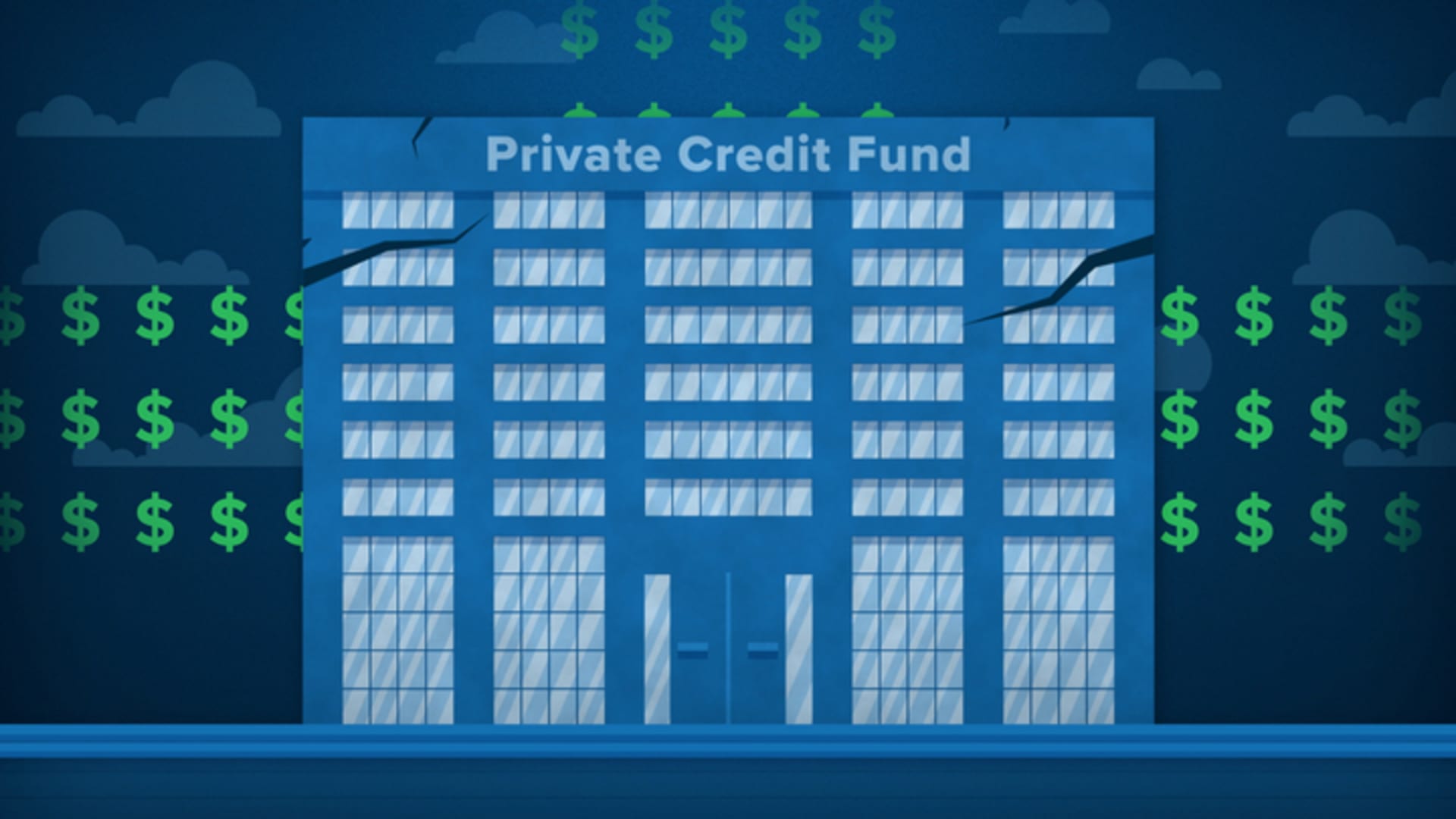
- Rising Default Rates: According to S&P, private credit defaults are expected to increase from 4.4% to 9-10%, primarily driven by the implications of the AI cycle, which may exacerbate risks associated with corporate loans and undermine investor confidence.
- Software Sector Pressure: The software industry accounts for 19% of private credit collateralized loan obligations, and as growth slows and margins compress, the repayment capacity of these loans is expected to be negatively impacted, adding to market uncertainty.
- Liquidity Crisis: With constrained liquidity, investors are beginning to attempt to withdraw funds, particularly with significant withdrawal requests anticipated in June, which could exert further pressure on the market and lead to more default events.
- Pension Fund Risks: While some large state pension funds continue to maintain investments in private credit, their significant risk exposure could have spillover effects on the broader financial markets, especially given that banks have loaned approximately $300 billion to private credit, potentially putting retail investors at risk.
US Stock Market Under Pressure with Mixed Tech Performance
- Market Decline: The S&P 500 index fell by 0.57%, the Dow Jones Industrial Average dropped by 0.58%, and the Nasdaq 100 decreased by 0.60%, indicating market vulnerability amid escalating US-Iran tensions, which negatively impacted investor sentiment.
- Mixed Tech Performance: While Marvell Technology surged over 6%, software companies like Atlassian and Datadog saw declines exceeding 7%, highlighting significant internal divergence within the tech sector that could affect overall market stability.
- Supportive Employment Data: The May ADP employment change rose by 122,000, surpassing expectations of 120,000 and marking the largest increase in 16 months, indicating resilience in the US labor market that may provide support for stocks.
- Mortgage Applications Decline: For the week ending May 29, US MBA mortgage applications fell by 2.5%, with the purchase mortgage sub-index down 2.9%, reflecting pressure from rising interest rates on the housing market, which could impact future consumer spending.
Private Credit Market Faces Ongoing Pressure as Redemption Requests Surge
- Surge in Redemption Requests: The Cliffwater private credit fund faced redemption requests totaling about 17% in Q2, capping withdrawals at 5%, raising concerns about the health of the $1.8 trillion private credit market.
- Major Companies Decline: In response to market conditions, KKR's stock fell 5.43% to $89.32, Apollo dropped 3.70% to $123.99, Ares decreased by 4.90% to $121.99, and Blackstone fell 5.45% to $108.65, indicating weakened investor confidence in private credit.
- Historic Redemption Levels: According to a Bank of America report, redemption requests at non-traded business development companies reached historic highs in Q1 and are expected to rise further in Q2, with Apollo Debt Solutions' requests projected to increase from 11.2% in Q1 to 15% in Q2.
- Market Sentiment Shift: Although Blue Owl Capital's co-CEO indicated a potential shift in investor sentiment, the latest redemption data suggests ongoing pressure in the market, with expectations for elevated redemptions continuing into Q3.
Private Equity Withdrawal Caps Impact Market Movements
- Private Equity Market Volatility: Partners Group's decision to cap withdrawals from one of its funds led to a 6% drop in Blackstone's stock and over a 5.5% decline in KKR, indicating market concerns regarding liquidity risks in the private equity sector.
- Palo Alto's Cautious Outlook: Despite Palo Alto Networks providing stronger-than-expected revenue guidance, its stock fell 2%, reflecting market skepticism about future growth, even as it reported adjusted earnings of 85 cents per share, surpassing analyst expectations.
- GitLab's Workforce Reduction: GitLab shares dropped nearly 4% after guiding for adjusted earnings per share below analyst estimates and announcing a 14% workforce reduction, which is expected to incur restructuring charges between $30 million and $35 million, highlighting the challenges the company faces.
- Marvell Technology's Stock Surge: Following a remarkable 32% increase in a single day, Marvell Technology's stock jumped over 13% in premarket trading, reflecting strong investor confidence in its robust performance and future growth potential.
Concerns Over Private Market Valuations Resurface
- Investor Redemption Restrictions: Switzerland's Partners Group has moved to limit investor withdrawals from its $8.6 billion Global Value SICAV fund to 5% of net asset value due to redemption requests hitting 9.8%, indicating increasing liquidity pressures.
- Severe Market Reaction: Following this news, KKR shares fell 4.7% in premarket trading, Blackstone dropped 3.9%, and Ares Management declined 2.5%, reflecting market concerns over the health of private markets.
- Emerging Industry Trends: Partners Group CEO David Layton noted that redemption pressures in private credit are now spreading to other asset classes, highlighting investor worries about liquidity mismatches and deteriorating asset quality.
- Increasing Similar Measures: As more U.S. private equity firms implement redemption restrictions, market focus on liquidity risks is intensifying, potentially leading to more investors seeking exits and exacerbating market instability.
Market Capitalization Comparison: KKR vs. Baker Hughes
- Importance of Market Cap: KKR & CO Inc has a market capitalization of $85.54 billion compared to Baker Hughes Company at $63.35 billion, allowing investors to accurately assess company value and avoid misguided investment decisions.
- Investor Misconceptions: Many novice investors mistakenly judge company value solely by stock price, while market cap provides a more realistic comparison of company sizes, helping investors understand relative value among different firms.
- Impact on Market Positioning: Market capitalization not only affects a company's ranking among peers but also determines which mutual funds and ETFs are willing to hold the stock; for instance, large-cap funds typically focus on companies valued at $10 billion or more, influencing capital inflows.
- Index Influence: The S&P MidCap index, which excludes the largest 100 companies to focus on smaller firms, illustrates the significance of market cap in investment strategies and market performance, particularly as smaller companies can outperform larger rivals in favorable market conditions.
Private Credit Defaults Expected to Rise to Record Levels
- Rising Default Rates: According to S&P, private credit defaults are expected to increase from 4.4% to 9-10%, primarily driven by the implications of the AI cycle, which may exacerbate risks associated with corporate loans and undermine investor confidence.
- Software Sector Pressure: The software industry accounts for 19% of private credit collateralized loan obligations, and as growth slows and margins compress, the repayment capacity of these loans is expected to be negatively impacted, adding to market uncertainty.
- Liquidity Crisis: With constrained liquidity, investors are beginning to attempt to withdraw funds, particularly with significant withdrawal requests anticipated in June, which could exert further pressure on the market and lead to more default events.
- Pension Fund Risks: While some large state pension funds continue to maintain investments in private credit, their significant risk exposure could have spillover effects on the broader financial markets, especially given that banks have loaned approximately $300 billion to private credit, potentially putting retail investors at risk.