3M Unveils AI Tool to Accelerate Innovation at CES 2026, Transforming Industry Futures
Written by Emily J. Thompson, Senior Investment Analyst
Updated: Dec 22 2025
0mins
Should l Buy MMM?
Source: PRnewswire
- Innovation Engine Restart: At CES 2026, 3M unveils an AI-powered tool designed to accelerate customer innovation, enabling businesses to experiment, simulate, and create with 3M materials like never before, which is expected to significantly enhance product development efficiency and market responsiveness.
- New Industry Collaboration Models: On the Mobility Stage at CES, 3M will join Audi AG and Synopsys to discuss how virtual materials are compressing development cycles and de-risking product launches, driving deeper integration between automotive and consumer electronics, thereby enhancing industry competitiveness.
- Future Factory Redefinition: 3M will participate in a discussion hosted by NAM and MLC, showcasing how leveraging data, AI, and manufacturing 4.0 technologies can address the convergence of consumer technology and advanced manufacturing, reshaping production and supply chains to improve overall operational efficiency.
- Market-Driven R&D: 3M's CEO William Brown emphasizes the company's commitment to increasing R&D investments in high-impact markets, anticipating that rapid new product introductions will meet evolving customer demands and strengthen market competitiveness.
Trade with 70% Backtested Accuracy
Stop guessing "Should I Buy MMM?" and start using high-conviction signals backed by rigorous historical data.
Sign up today to access powerful investing tools and make smarter, data-driven decisions.
Analyst Views on MMM
Wall Street analysts forecast MMM stock price to rise
11 Analyst Rating
6 Buy
3 Hold
2 Sell
Moderate Buy
Current: 145.250

Low
100.00
Averages
152.00
High
184.00
Current: 145.250
Low
100.00
Averages
152.00
High
184.00
About MMM
3M Company is a diversified technology company. The Company is a manufacturer and marketer of a variety of products and services. The Company’s segments include Safety and Industrial; Transportation and Electronics, and Consumer. Its Safety and Industrial segment includes industrial abrasives and finishing for metalworking applications; autobody repair solutions; industrial specialty products, such as personal hygiene products, masking, and packaging materials, and others. Its Transportation and Electronics segment includes advanced ceramic solutions; attachment/bonding, films, sound and temperature management for transportation vehicles; premium large format graphic films for advertising and fleet signage. Its Consumer segment includes cleaning products for the home; consumer air quality products, and picture hanging accessories. Its brands include 3M Cubitron II abrasives, Scotch-Brite, Filtrete, Command, Scotchgard, Meguiar’s, Nexcare, Post-it and others.
About the author

Emily J. Thompson
Emily J. Thompson, a Chartered Financial Analyst (CFA) with 12 years in investment research, graduated with honors from the Wharton School. Specializing in industrial and technology stocks, she provides in-depth analysis for Intellectia’s earnings and market brief reports.
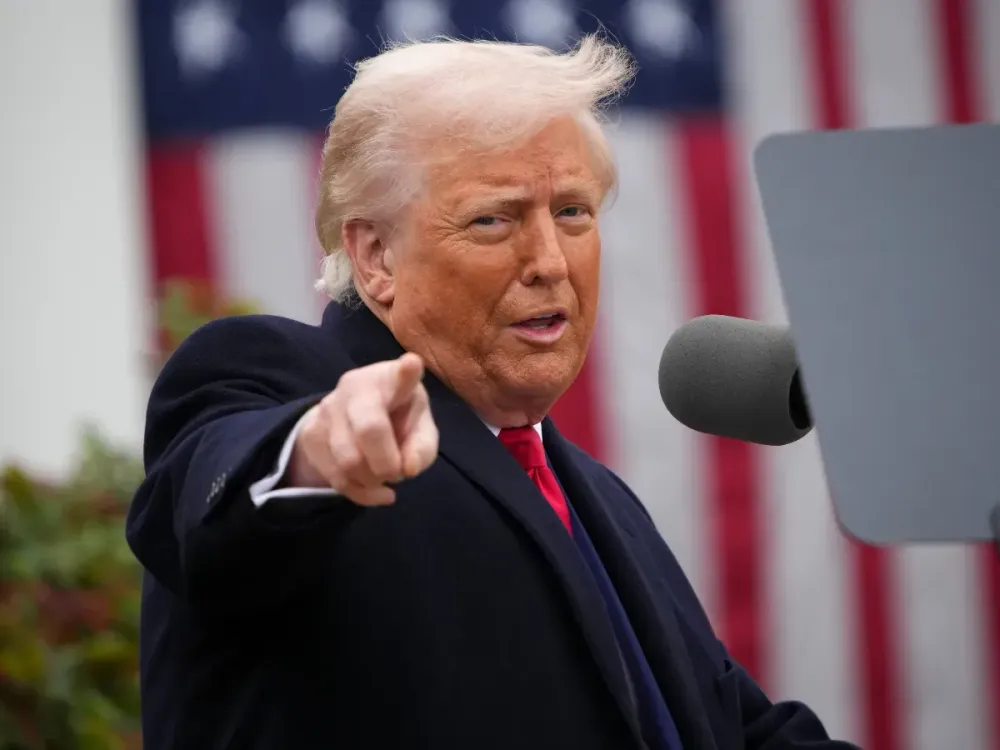
U.S. Manufacturing Severely Impacted by Tariffs


- Stock Performance Comparison: GE and DE shares rose 44% and 21% respectively over the past year, outperforming the S&P 500's 17% and Nasdaq's 13%, indicating some resilience among manufacturing stocks under tariff policies.
- Tariff Impact Analysis: Trump's 'Liberation Day' tariffs raised the minimum import tax rate to 10%, leading to declines in U.S. manufacturing investment, construction spending, and employment in the months following the policy, with construction spending down 11.1% and manufacturing jobs decreasing by 77,000, demonstrating the tariffs' failure to effectively stimulate domestic production.
- Company-Level Impact: 3M expects tariffs to reduce its 2025 adjusted earnings by $0.2 to $0.4 per share, while DE's tariff costs are projected to reach $1.2 billion, with CEO John May stating that tariffs will continue to pressure margins in its large farm equipment business.
- U.S.-China Trade Plunge: Following the tariffs, U.S. imports from China fell by 30% and exports to China decreased by over 25%, with Chinese goods accounting for only 10% of total U.S. imports by the end of 2025, highlighting a significant deterioration in trade relations.
See More

3M CO: Jefferies Lowers Price Target to $160 from $180


- Price Adjustment: The target price for MCO has been cut to $160 from $180.
- Market Impact: This adjustment may influence investor sentiment and market performance for MCO.
See More
2026 Economic Outlook and Uber Developments


- GDP Growth Slowdown: The GDP growth rate for Q1 2026 is only 0.7%, significantly lower than the previous estimate of 1.4%, indicating a sluggish economic recovery that may dampen investor confidence and negatively impact stock market performance.
- Rising Inflation Pressure: With inflation exceeding 3% in January, combined with slowing GDP growth, concerns about stagflation may arise, leading to reduced consumer spending and threatening corporate profitability.
- Surge in Oil Prices: West Texas Intermediate crude oil prices have surged from $57 on January 2 to $93, even exceeding $100 at times, increasing consumer energy expenditure pressure and potentially suppressing spending in other areas.
- Uber's Autonomous Driving Partnerships: Uber has recently formed partnerships with several companies, including Waymo and Lucid, indicating its proactive positioning in the autonomous driving sector, which may lay the groundwork for future market share growth.
See More

2026 Economic Outlook and Oil Price Fluctuations
- GDP Growth Slowdown: The GDP growth rate for Q1 2026 is only 0.7%, significantly lower than the previous estimate of 1.4%, indicating economic stagnation that may heighten investor concerns about future economic prospects.
- High Inflation Pressure: With inflation exceeding 3% in January, combined with low growth, market fears of stagflation are rising, which could negatively impact consumer spending and business investment decisions, further dragging down economic recovery.
- Surging Oil Prices Impact: As of the recording date, West Texas Intermediate crude oil prices have reached $93 per barrel, a significant increase from $57 on January 2, which may force consumers to cut back on other expenditures due to rising energy costs, affecting overall economic activity.
- Geopolitical Risks: The rise in oil prices is primarily driven by geopolitical conflicts rather than demand growth, particularly due to uncertainties surrounding Iran, which could lead to a more pessimistic economic outlook, necessitating close monitoring of related developments.
See More
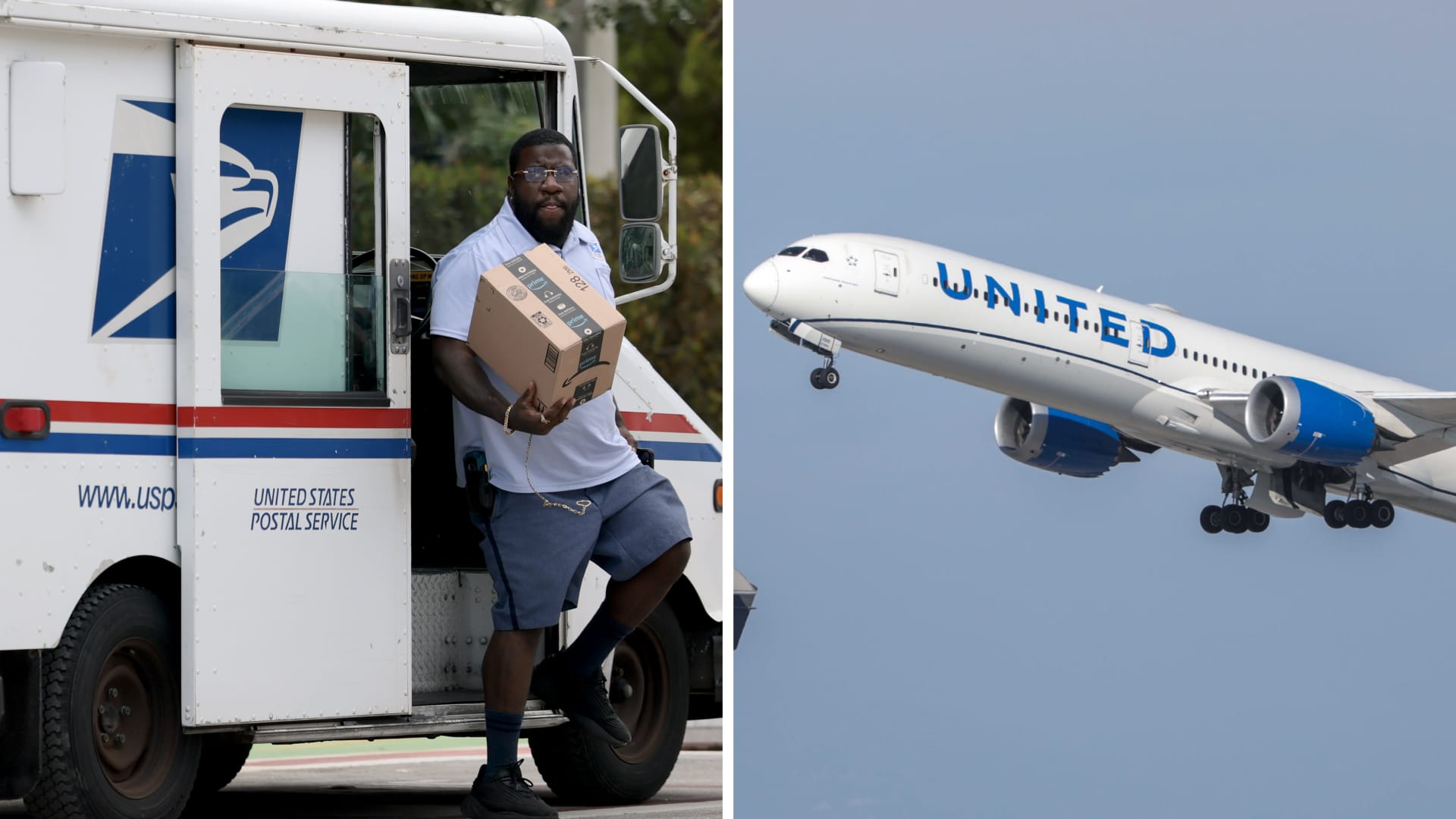
U.S. Consumers Face Economic Impact from Soaring Oil Prices

- Surging Oil Prices: The blockage of the Strait of Hormuz has caused Brent crude oil's May contract to surge over 55% in March, marking the largest monthly gain since 1998, leading to economic pressures on U.S. consumers in areas like travel and mail delivery.
- Postal Service Adjustments: The U.S. Postal Service plans to implement an 8% temporary fuel surcharge on packages and express mail starting in late April, lasting until 2027, to cover rising operational costs, although this measure requires regulatory approval.
- Airline Response: United Airlines intends to cut back on some lower-profit flights and anticipates oil prices reaching $175 per barrel, which could increase its fuel costs by $11 billion, more than double its previous highest profits, resulting in higher ticket prices for travelers.
- Declining Consumer Confidence: According to the University of Michigan's survey, the consumer confidence index fell nearly 6% in March to a historic low, indicating worsening economic expectations due to the war and rising inflation concerns among consumers.
See More

U.S. Consumers Face Impact of Soaring Oil Prices

- Surging Oil Prices: The blockage of the Strait of Hormuz has led to a more than 55% increase in Brent crude's May contract in March, marking the largest monthly gain since 1998, which is causing economic strain on U.S. consumers in areas like travel and mail delivery.
- Postal Service Adjustments: The U.S. Postal Service plans to implement a temporary 8% fuel surcharge starting in late April, lasting until 2027, aimed at covering business costs, although this fee is lower than those imposed by competitors.
- Airline Responses: United Airlines anticipates oil prices reaching $175 per barrel and plans to cut back on some lower-profit flights, with the CEO stating that rising fuel costs could increase the company's fuel bill by $11 billion, more than double its profits in peak years.
- Declining Consumer Confidence: According to the University of Michigan's survey, the consumer confidence index fell nearly 6% in March to one of its lowest levels on record, reflecting the negative economic impact of war and rising inflation concerns.
See More
U.S. Manufacturing Severely Impacted by Tariffs
- Stock Performance Comparison: GE and DE shares rose 44% and 21% respectively over the past year, outperforming the S&P 500's 17% and Nasdaq's 13%, indicating some resilience among manufacturing stocks under tariff policies.
- Tariff Impact Analysis: Trump's 'Liberation Day' tariffs raised the minimum import tax rate to 10%, leading to declines in U.S. manufacturing investment, construction spending, and employment in the months following the policy, with construction spending down 11.1% and manufacturing jobs decreasing by 77,000, demonstrating the tariffs' failure to effectively stimulate domestic production.
- Company-Level Impact: 3M expects tariffs to reduce its 2025 adjusted earnings by $0.2 to $0.4 per share, while DE's tariff costs are projected to reach $1.2 billion, with CEO John May stating that tariffs will continue to pressure margins in its large farm equipment business.
- U.S.-China Trade Plunge: Following the tariffs, U.S. imports from China fell by 30% and exports to China decreased by over 25%, with Chinese goods accounting for only 10% of total U.S. imports by the end of 2025, highlighting a significant deterioration in trade relations.
See More
3M CO: Jefferies Lowers Price Target to $160 from $180
- Price Adjustment: The target price for MCO has been cut to $160 from $180.
- Market Impact: This adjustment may influence investor sentiment and market performance for MCO.
See More
2026 Economic Outlook and Uber Developments
- GDP Growth Slowdown: The GDP growth rate for Q1 2026 is only 0.7%, significantly lower than the previous estimate of 1.4%, indicating a sluggish economic recovery that may dampen investor confidence and negatively impact stock market performance.
- Rising Inflation Pressure: With inflation exceeding 3% in January, combined with slowing GDP growth, concerns about stagflation may arise, leading to reduced consumer spending and threatening corporate profitability.
- Surge in Oil Prices: West Texas Intermediate crude oil prices have surged from $57 on January 2 to $93, even exceeding $100 at times, increasing consumer energy expenditure pressure and potentially suppressing spending in other areas.
- Uber's Autonomous Driving Partnerships: Uber has recently formed partnerships with several companies, including Waymo and Lucid, indicating its proactive positioning in the autonomous driving sector, which may lay the groundwork for future market share growth.
See More
2026 Economic Outlook and Oil Price Fluctuations
- GDP Growth Slowdown: The GDP growth rate for Q1 2026 is only 0.7%, significantly lower than the previous estimate of 1.4%, indicating economic stagnation that may heighten investor concerns about future economic prospects.
- High Inflation Pressure: With inflation exceeding 3% in January, combined with low growth, market fears of stagflation are rising, which could negatively impact consumer spending and business investment decisions, further dragging down economic recovery.
- Surging Oil Prices Impact: As of the recording date, West Texas Intermediate crude oil prices have reached $93 per barrel, a significant increase from $57 on January 2, which may force consumers to cut back on other expenditures due to rising energy costs, affecting overall economic activity.
- Geopolitical Risks: The rise in oil prices is primarily driven by geopolitical conflicts rather than demand growth, particularly due to uncertainties surrounding Iran, which could lead to a more pessimistic economic outlook, necessitating close monitoring of related developments.
See More
U.S. Consumers Face Economic Impact from Soaring Oil Prices
- Surging Oil Prices: The blockage of the Strait of Hormuz has caused Brent crude oil's May contract to surge over 55% in March, marking the largest monthly gain since 1998, leading to economic pressures on U.S. consumers in areas like travel and mail delivery.
- Postal Service Adjustments: The U.S. Postal Service plans to implement an 8% temporary fuel surcharge on packages and express mail starting in late April, lasting until 2027, to cover rising operational costs, although this measure requires regulatory approval.
- Airline Response: United Airlines intends to cut back on some lower-profit flights and anticipates oil prices reaching $175 per barrel, which could increase its fuel costs by $11 billion, more than double its previous highest profits, resulting in higher ticket prices for travelers.
- Declining Consumer Confidence: According to the University of Michigan's survey, the consumer confidence index fell nearly 6% in March to a historic low, indicating worsening economic expectations due to the war and rising inflation concerns among consumers.
See More
U.S. Consumers Face Impact of Soaring Oil Prices
- Surging Oil Prices: The blockage of the Strait of Hormuz has led to a more than 55% increase in Brent crude's May contract in March, marking the largest monthly gain since 1998, which is causing economic strain on U.S. consumers in areas like travel and mail delivery.
- Postal Service Adjustments: The U.S. Postal Service plans to implement a temporary 8% fuel surcharge starting in late April, lasting until 2027, aimed at covering business costs, although this fee is lower than those imposed by competitors.
- Airline Responses: United Airlines anticipates oil prices reaching $175 per barrel and plans to cut back on some lower-profit flights, with the CEO stating that rising fuel costs could increase the company's fuel bill by $11 billion, more than double its profits in peak years.
- Declining Consumer Confidence: According to the University of Michigan's survey, the consumer confidence index fell nearly 6% in March to one of its lowest levels on record, reflecting the negative economic impact of war and rising inflation concerns.
See More