

3 Strategies to Calm Stock Market Anxiety Ahead of Key Jobs Report
Written by Emily J. Thompson, Senior Investment Analyst
Updated: Feb 09 2026
0mins


Source: Barron's
Stock Market Outlook: The Super Bowl Indicator suggests a positive year for the stock market, particularly following the Seattle Seahawks' victory.
Investor Sentiment: Even skeptics of the Super Bowl Indicator can find reasons for optimism as the market approaches a significant January jobs report.
Trade with 70% Backtested Accuracy
Stop guessing "Should I Buy PEP?" and start using high-conviction signals backed by rigorous historical data.
Sign up today to access powerful investing tools and make smarter, data-driven decisions.
Analyst Views on PEP
Wall Street analysts forecast PEP stock price to rise
12 Analyst Rating
6 Buy
6 Hold
0 Sell
Moderate Buy
Current: 143.290

Low
144.00
Averages
161.90
High
172.00
Current: 143.290
Low
144.00
Averages
161.90
High
172.00
About PEP
PepsiCo, Inc. is a global beverage and convenient food company. The Company’s segments include PepsiCo Foods North America (PFNA), PepsiCo Beverages North America (PBNA), International Beverages Franchise (IB Franchise), Europe, Middle East and Africa (EMEA), Latin America Foods (LatAm Foods), and Asia Pacific Foods. PFNA segment includes all of its convenient food businesses in the United States and Canada. PBNA segment includes all of its beverage businesses in the United States and Canada. IB Franchise segment includes its international franchise beverage businesses, as well as its SodaStream business. EMEA segment includes its convenient food businesses and beverage businesses with Company-owned bottlers in Europe, the Middle East and Africa. LatAm Foods segment includes all of its convenient food businesses in Latin America. Asia Pacific Foods segment consists of its convenient food businesses in Asia Pacific, including China, Australia and New Zealand, as well as India.
About the author

Emily J. Thompson
Emily J. Thompson, a Chartered Financial Analyst (CFA) with 12 years in investment research, graduated with honors from the Wharton School. Specializing in industrial and technology stocks, she provides in-depth analysis for Intellectia’s earnings and market brief reports.
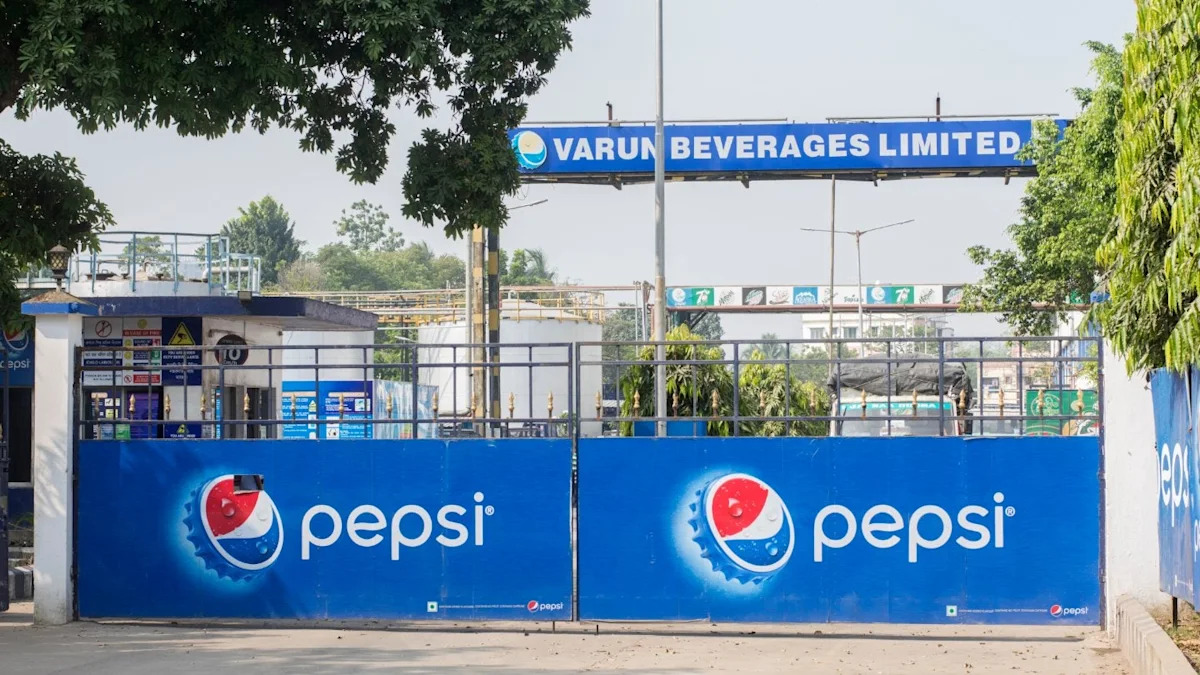
Varun Beverages Acquires DFIL Kenya to Expand in Africa

- Acquisition Overview: India-based Varun Beverages has agreed to acquire DFIL Kenya's value-added dairy beverages, juices, and packaged drinking water business for Rs3.05 billion ($32 million), enhancing its penetration in the East African market.
- Strategic Location Advantage: The acquisition includes a manufacturing facility strategically located on a national highway in Nakuru, Kenya, which will improve production and distribution efficiency, thereby supporting Varun's expansion plans in the region.
- Market Expansion Plans: Varun Beverages stated that this acquisition will facilitate the launch of a carbonated soft drinks range in Kenya, further diversifying its product offerings and catering to the diverse needs of local consumers, thus enhancing its competitive edge.
- Ongoing Acquisition Strategy: This deal marks the latest in a series of acquisitions by Varun Beverages in Africa, following its purchase of South Africa's Crickley Dairy in March and Twizza last December, demonstrating its aggressive expansion strategy in the African market.
See More
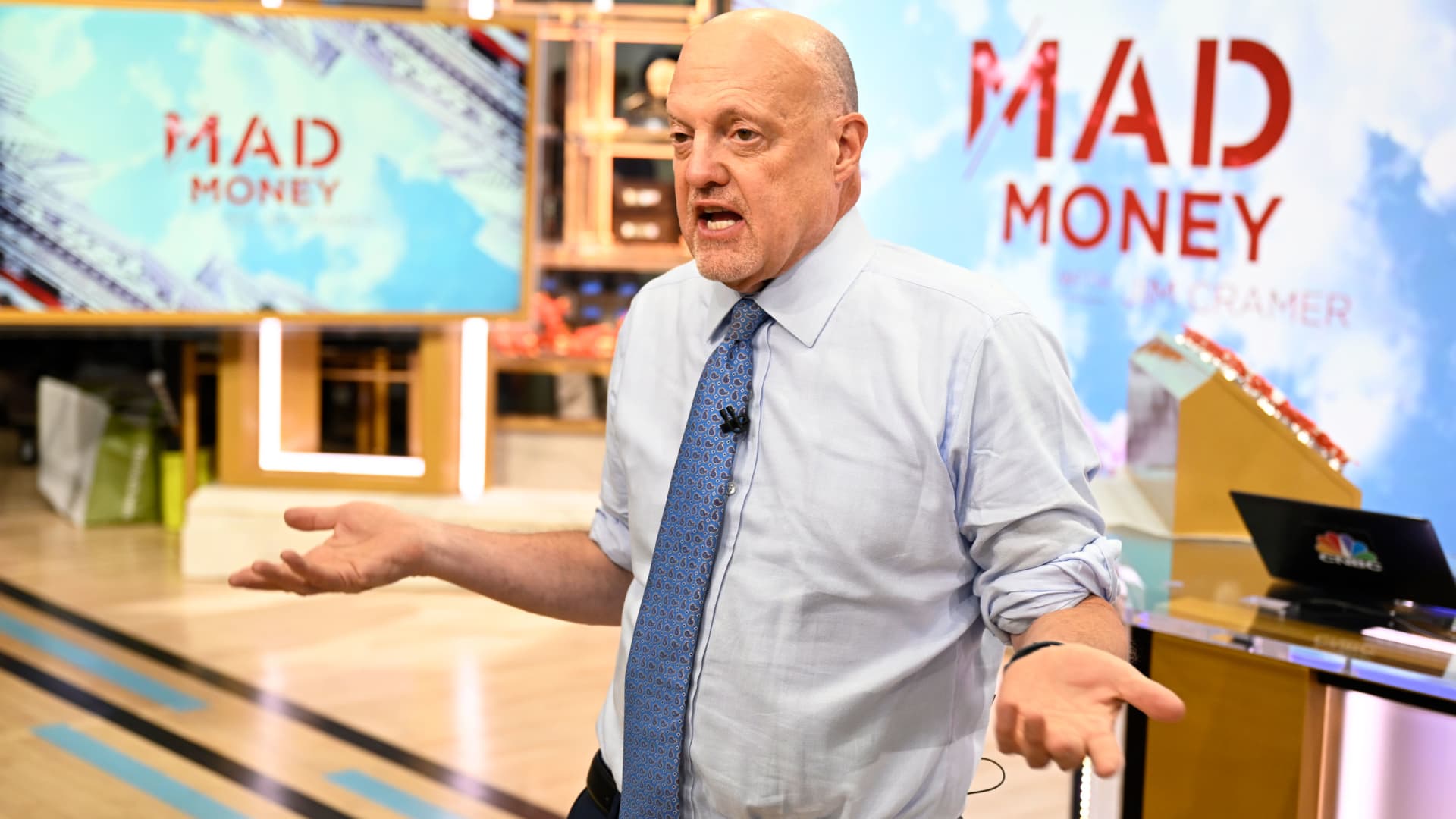
Market Rotation Creates Buying Opportunities, Says Jim Cramer
- Market Rotation Insight: Jim Cramer highlights that the recent market rotation has created buying opportunities for high-quality stocks, as many quality companies have been pulled lower by institutional selling despite their unchanged fundamentals, urging investors to seize this moment.
- Stock Recommendations: Cramer specifically points to PepsiCo, suggesting that its recent pullback offers a favorable entry point ahead of its July 9 earnings report, while he also sees potential in Starbucks as its CEO works on a successful turnaround.
- Risky Investment Opportunities: For investors willing to take on more risk, Cramer emphasizes Constellation Brands, noting that despite ongoing concerns about spirits, its beer business appears to be stabilizing, making it worth a look.
- Consumer and AI Dynamics: Cramer mentions that TJX Companies will benefit from weakened consumer spending as an off-price retailer capitalizes on excess inventory from traditional retailers, while a rebound in AI stocks has negatively impacted healthcare stocks, including Johnson & Johnson.
See More

Market Rotation Creates Buying Opportunities for Quality Stocks
- Investment Opportunity: CNBC's Jim Cramer highlighted that the latest market rotation presents buying opportunities for high-quality companies that have been unfairly dragged down by institutional selling, urging investors to seize this moment.
- Stock Recommendations: Cramer specifically mentioned Johnson & Johnson, PepsiCo, Starbucks, Constellation Brands, and TJX as stocks that are undervalued amid market fluctuations, making them worthy of investor attention.
- Market Dynamics: Following last week's jobs report indicating a slowdown in hiring, many large money managers repositioned their portfolios, leading to a drop in high-quality stock prices, which Cramer believes creates a favorable buying environment.
- Sector Impact: Cramer emphasized that discount retailers like TJX may benefit from weakened consumer spending, as excess inventory at traditional retailers provides them with more discounted merchandise, enhancing their competitive edge in the market.
See More

Multiple Companies Face Dividend Cut Risks

- Dividend Cut Risks: According to Wolfe Research, several companies are at risk of cutting dividends, particularly those with high debt levels and payout ratios exceeding 80%, which could directly impact income investors' cash flow.
- Whirlpool's Dividend Suspension: Whirlpool announced in May that it would suspend its dividend to pay down debt and navigate what it termed a 'recession-level industry decline,' reflecting the company's strategy under financial pressure, which may affect shareholder confidence.
- PepsiCo's Dividend Increase: Despite increasing its dividend in June, PepsiCo, with a 4.14% yield, appeared on Wolfe's screen, and its second-quarter earnings report is expected this Thursday, with analysts maintaining an optimistic outlook, indicating market confidence in its stability.
- UPS's Turnaround Plan: United Parcel Service (UPS) currently has a 5.95% dividend yield and aims for $3 billion in annual cost savings by 2026; despite challenges, its stock has risen 11% year-to-date, reflecting market recognition of its turnaround efforts.
See More

Chip Stocks Lead Market Rally Amid Mixed Index Performance


- Market Rally: On Monday, chip stocks led a market rally with the Nasdaq Composite rising 1.3% and the S&P 500 up 0.7%, while the Dow Jones Industrial Average slipped 0.1%, indicating a divergence in market performance.
- Broadcom and Apple Partnership: Broadcom's stock rose 4.4% after announcing its chip supply deal with Apple will extend through 2031, locking in custom silicon revenue for five more years, which is expected to positively impact multiple generations of iPhones.
- Strong AMD Performance: AMD shares surged 8% as Japanese autonomous driving startup Turing revealed that 10% of its AI training needs will utilize AMD graphics processors, reinforcing AMD's image as a budget-friendly option in self-driving technology.
- Microsoft Layoffs Impact: Microsoft announced 4,800 job cuts, leading to a 1.4% decline in its stock price, with analysts suggesting this reflects a strategic shift towards AI infrastructure spending, leaving investors uncertain about the long-term implications for the company.
See More

Investors Eye Fed Minutes and Earnings Reports

- Fed Minutes Insight: The Federal Reserve maintained its benchmark rate at 3.50% to 3.75% during the June 16-17 meeting, removing an easing bias, and investors are keenly awaiting the minutes to gauge any internal dissent that could influence future policy directions.
- PepsiCo Earnings Outlook: PepsiCo shares traded around $141.90 on Monday, below both the 50-day and 200-day moving averages, with analysts suggesting to watch the $148-$150 resistance level, indicating potential short-term pullback risks that investors should consider.
- Delta Air Lines Performance: Delta's stock has surged 33% year-to-date, significantly outpacing the S&P 500's 10% gain, and analysts caution that at the current price of $92, it appears overbought, recommending a buy on pullback to $86 to capitalize on long-term growth potential.
- Market Dynamics Monitoring: Despite a light economic data calendar, analyst Jay Woods emphasizes the importance of monitoring the Fed minutes and the earnings reports from PepsiCo and Delta, as these could significantly impact market sentiment and investment decisions.
See More
Varun Beverages Acquires DFIL Kenya to Expand in Africa
- Acquisition Overview: India-based Varun Beverages has agreed to acquire DFIL Kenya's value-added dairy beverages, juices, and packaged drinking water business for Rs3.05 billion ($32 million), enhancing its penetration in the East African market.
- Strategic Location Advantage: The acquisition includes a manufacturing facility strategically located on a national highway in Nakuru, Kenya, which will improve production and distribution efficiency, thereby supporting Varun's expansion plans in the region.
- Market Expansion Plans: Varun Beverages stated that this acquisition will facilitate the launch of a carbonated soft drinks range in Kenya, further diversifying its product offerings and catering to the diverse needs of local consumers, thus enhancing its competitive edge.
- Ongoing Acquisition Strategy: This deal marks the latest in a series of acquisitions by Varun Beverages in Africa, following its purchase of South Africa's Crickley Dairy in March and Twizza last December, demonstrating its aggressive expansion strategy in the African market.
See More
Market Rotation Creates Buying Opportunities, Says Jim Cramer
- Market Rotation Insight: Jim Cramer highlights that the recent market rotation has created buying opportunities for high-quality stocks, as many quality companies have been pulled lower by institutional selling despite their unchanged fundamentals, urging investors to seize this moment.
- Stock Recommendations: Cramer specifically points to PepsiCo, suggesting that its recent pullback offers a favorable entry point ahead of its July 9 earnings report, while he also sees potential in Starbucks as its CEO works on a successful turnaround.
- Risky Investment Opportunities: For investors willing to take on more risk, Cramer emphasizes Constellation Brands, noting that despite ongoing concerns about spirits, its beer business appears to be stabilizing, making it worth a look.
- Consumer and AI Dynamics: Cramer mentions that TJX Companies will benefit from weakened consumer spending as an off-price retailer capitalizes on excess inventory from traditional retailers, while a rebound in AI stocks has negatively impacted healthcare stocks, including Johnson & Johnson.
See More
Market Rotation Creates Buying Opportunities for Quality Stocks
- Investment Opportunity: CNBC's Jim Cramer highlighted that the latest market rotation presents buying opportunities for high-quality companies that have been unfairly dragged down by institutional selling, urging investors to seize this moment.
- Stock Recommendations: Cramer specifically mentioned Johnson & Johnson, PepsiCo, Starbucks, Constellation Brands, and TJX as stocks that are undervalued amid market fluctuations, making them worthy of investor attention.
- Market Dynamics: Following last week's jobs report indicating a slowdown in hiring, many large money managers repositioned their portfolios, leading to a drop in high-quality stock prices, which Cramer believes creates a favorable buying environment.
- Sector Impact: Cramer emphasized that discount retailers like TJX may benefit from weakened consumer spending, as excess inventory at traditional retailers provides them with more discounted merchandise, enhancing their competitive edge in the market.
See More
Multiple Companies Face Dividend Cut Risks
- Dividend Cut Risks: According to Wolfe Research, several companies are at risk of cutting dividends, particularly those with high debt levels and payout ratios exceeding 80%, which could directly impact income investors' cash flow.
- Whirlpool's Dividend Suspension: Whirlpool announced in May that it would suspend its dividend to pay down debt and navigate what it termed a 'recession-level industry decline,' reflecting the company's strategy under financial pressure, which may affect shareholder confidence.
- PepsiCo's Dividend Increase: Despite increasing its dividend in June, PepsiCo, with a 4.14% yield, appeared on Wolfe's screen, and its second-quarter earnings report is expected this Thursday, with analysts maintaining an optimistic outlook, indicating market confidence in its stability.
- UPS's Turnaround Plan: United Parcel Service (UPS) currently has a 5.95% dividend yield and aims for $3 billion in annual cost savings by 2026; despite challenges, its stock has risen 11% year-to-date, reflecting market recognition of its turnaround efforts.
See More
Chip Stocks Lead Market Rally Amid Mixed Index Performance
- Market Rally: On Monday, chip stocks led a market rally with the Nasdaq Composite rising 1.3% and the S&P 500 up 0.7%, while the Dow Jones Industrial Average slipped 0.1%, indicating a divergence in market performance.
- Broadcom and Apple Partnership: Broadcom's stock rose 4.4% after announcing its chip supply deal with Apple will extend through 2031, locking in custom silicon revenue for five more years, which is expected to positively impact multiple generations of iPhones.
- Strong AMD Performance: AMD shares surged 8% as Japanese autonomous driving startup Turing revealed that 10% of its AI training needs will utilize AMD graphics processors, reinforcing AMD's image as a budget-friendly option in self-driving technology.
- Microsoft Layoffs Impact: Microsoft announced 4,800 job cuts, leading to a 1.4% decline in its stock price, with analysts suggesting this reflects a strategic shift towards AI infrastructure spending, leaving investors uncertain about the long-term implications for the company.
See More
Investors Eye Fed Minutes and Earnings Reports
- Fed Minutes Insight: The Federal Reserve maintained its benchmark rate at 3.50% to 3.75% during the June 16-17 meeting, removing an easing bias, and investors are keenly awaiting the minutes to gauge any internal dissent that could influence future policy directions.
- PepsiCo Earnings Outlook: PepsiCo shares traded around $141.90 on Monday, below both the 50-day and 200-day moving averages, with analysts suggesting to watch the $148-$150 resistance level, indicating potential short-term pullback risks that investors should consider.
- Delta Air Lines Performance: Delta's stock has surged 33% year-to-date, significantly outpacing the S&P 500's 10% gain, and analysts caution that at the current price of $92, it appears overbought, recommending a buy on pullback to $86 to capitalize on long-term growth potential.
- Market Dynamics Monitoring: Despite a light economic data calendar, analyst Jay Woods emphasizes the importance of monitoring the Fed minutes and the earnings reports from PepsiCo and Delta, as these could significantly impact market sentiment and investment decisions.
See More





