3 ETFs to Steer Clear of Amid Oil Market Turmoil

Impact of Energy Shock: The ongoing U.S.-Israeli conflict against Iran has caused a significant energy shock, leading to oil prices briefly exceeding $115 per barrel before settling below $90, with a 30% increase in oil prices over the past month.
Sector Vulnerabilities: Different sectors are affected unevenly by the energy disruptions, with consumer discretionary sectors facing immediate impacts due to rising fuel costs, while airlines are particularly burdened as fuel expenses account for up to 35% of their operating costs.
Market Reactions: European equities are struggling to absorb the oil shocks, reminiscent of the 2022 crisis following Russia's invasion of Ukraine, as energy imports remain critical and domestic capacity is limited.
Investment Considerations: Investors are advised to be cautious, particularly with ETFs related to consumer discretionary sectors, as rising energy costs may lead to decreased consumer spending and further market volatility.
Trade with 70% Backtested Accuracy
Analyst Views on XLY
About the author


Retail Stocks Suffer as the Iran War Impacts Shopping Trends.


Concerns about War: Many Americans are feeling anxious about the ongoing conflict in Iran and its implications.
Ineffectiveness of Retail Therapy: Engaging in shopping or retail therapy is not seen as a viable solution to alleviate these worries.

3 ETFs to Steer Clear of Amid Oil Market Turmoil

Impact of Energy Shock: The ongoing U.S.-Israeli conflict against Iran has caused a significant energy shock, leading to oil prices briefly exceeding $115 per barrel before settling below $90, with a 30% increase in oil prices over the past month.
Sector Vulnerabilities: Different sectors are affected unevenly by the energy disruptions, with consumer discretionary sectors facing immediate impacts due to rising fuel costs, while airlines are particularly burdened as fuel expenses account for up to 35% of their operating costs.
Market Reactions: European equities are struggling to absorb the oil shocks, reminiscent of the 2022 crisis following Russia's invasion of Ukraine, as energy imports remain critical and domestic capacity is limited.
Investment Considerations: Investors are advised to be cautious, particularly with ETFs related to consumer discretionary sectors, as rising energy costs may lead to decreased consumer spending and further market volatility.
3 ETFs That May Gain as Consumers Cut Back on Spending

Consumer Spending Trends: U.S. consumer spending remains resilient, with higher-income households continuing to spend freely, while lower-income consumers are scaling back due to elevated prices and rising debt.
Shift to Discount Retailers: As many households look to trim expenses, shoppers are increasingly turning to discount chains and warehouse clubs, benefiting retailers like TJX Companies, Ross Stores, and Dollar General.
Investment Opportunities: Analysts suggest that investors can benefit from the shift towards a more price-conscious economy by focusing on ETFs that provide exposure to value-oriented retailers, such as XLV and XRT.
Market Performance: Retail ETFs like RTH and XLY have shown strong performance, with RTH rising nearly 17% over the past year, while also providing significant exposure to major retailers like Amazon and Walmart, which dominate the market.

Dutch Bros Rises After Strong Q4 Results — What Potential Gains Does Wall Street Anticipate?

Morgan Stanley's Price Target Update: Morgan Stanley raised its price target on Dutch Bros to $85 from $82, maintaining an overweight rating, while RBC Capital lowered its target to $75 from $80 but kept an outperform rating.
Strong Q4 Performance: Dutch Bros reported Q4 revenues of $443.6 million, exceeding expectations of $424.9 million, and demonstrated a 29.4% increase in revenue year-over-year.
Analyst Ratings and Market Sentiment: Analysts have varied ratings on Dutch Bros, with some maintaining buy ratings and others lowering price targets, reflecting a mix of optimism and caution in the market.
Future Projections: Dutch Bros announced plans for significant capital expenditures in 2026, projecting revenues between $2 billion and $2.03 billion, with same-store sales growth estimated at 3% to 5%.

Crocs Shares Bounce Back, Charts Indicate Potential for Further Growth

Consumer Discretionary Performance: Consumer discretionary stocks have seen minimal growth, with only a 2% increase over the past year as indicated by the Consumer Discretionary Select Sector SPDR ETF.
Comparison with Other S&P Sectors: Among the 11 major S&P sectors, consumer discretionary stocks performed poorly, with only financials showing worse performance, remaining unchanged over the same period.
S&P 500 Growth: In contrast, the S&P 500 has experienced a more robust gain of 12% over the past year, highlighting the underperformance of consumer discretionary and financial sectors.
Market Trends: The overall market trends suggest a challenging environment for consumer discretionary stocks, reflecting broader economic conditions affecting consumer spending.
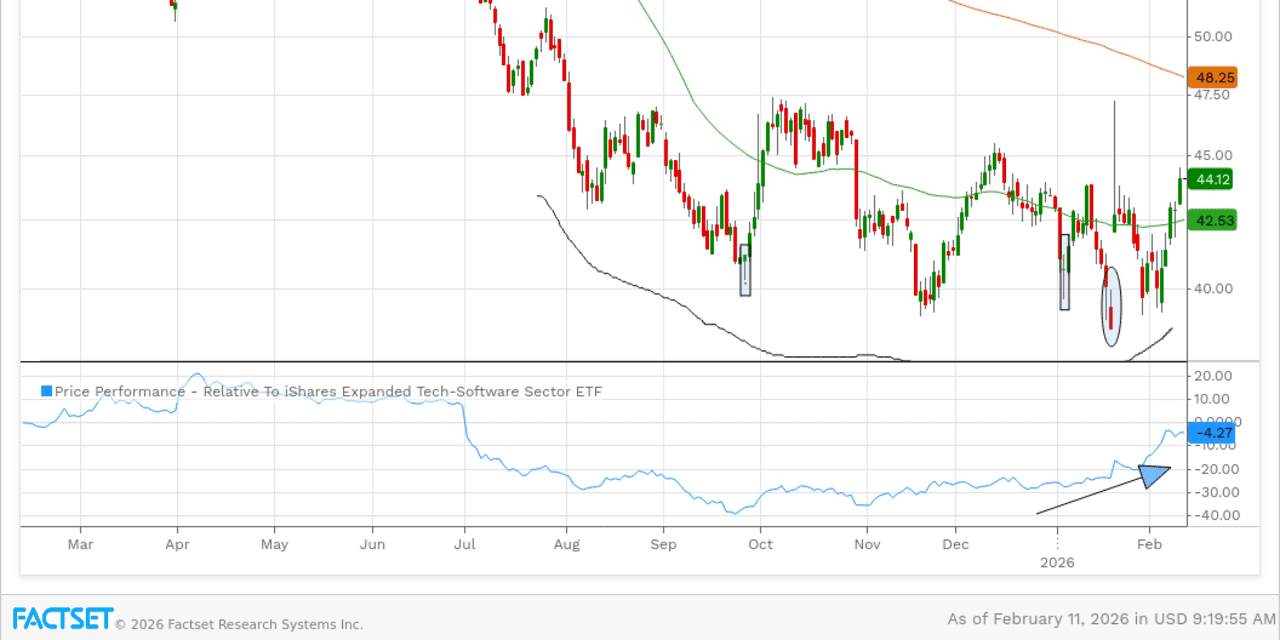
Market Trends Open New Avenues for 3 Previous Stock Selections: Technical Analysis

- Market Dynamics: The stock market is characterized by rapid changes, where previously popular stocks can quickly lose favor.
- Investor Strategy: Investors are increasingly looking back at former stock picks to identify potential opportunities for profit.
Retail Stocks Suffer as the Iran War Impacts Shopping Trends.
Concerns about War: Many Americans are feeling anxious about the ongoing conflict in Iran and its implications.
Ineffectiveness of Retail Therapy: Engaging in shopping or retail therapy is not seen as a viable solution to alleviate these worries.
3 ETFs to Steer Clear of Amid Oil Market Turmoil
Impact of Energy Shock: The ongoing U.S.-Israeli conflict against Iran has caused a significant energy shock, leading to oil prices briefly exceeding $115 per barrel before settling below $90, with a 30% increase in oil prices over the past month.
Sector Vulnerabilities: Different sectors are affected unevenly by the energy disruptions, with consumer discretionary sectors facing immediate impacts due to rising fuel costs, while airlines are particularly burdened as fuel expenses account for up to 35% of their operating costs.
Market Reactions: European equities are struggling to absorb the oil shocks, reminiscent of the 2022 crisis following Russia's invasion of Ukraine, as energy imports remain critical and domestic capacity is limited.
Investment Considerations: Investors are advised to be cautious, particularly with ETFs related to consumer discretionary sectors, as rising energy costs may lead to decreased consumer spending and further market volatility.
3 ETFs That May Gain as Consumers Cut Back on Spending
Consumer Spending Trends: U.S. consumer spending remains resilient, with higher-income households continuing to spend freely, while lower-income consumers are scaling back due to elevated prices and rising debt.
Shift to Discount Retailers: As many households look to trim expenses, shoppers are increasingly turning to discount chains and warehouse clubs, benefiting retailers like TJX Companies, Ross Stores, and Dollar General.
Investment Opportunities: Analysts suggest that investors can benefit from the shift towards a more price-conscious economy by focusing on ETFs that provide exposure to value-oriented retailers, such as XLV and XRT.
Market Performance: Retail ETFs like RTH and XLY have shown strong performance, with RTH rising nearly 17% over the past year, while also providing significant exposure to major retailers like Amazon and Walmart, which dominate the market.
Dutch Bros Rises After Strong Q4 Results — What Potential Gains Does Wall Street Anticipate?
Morgan Stanley's Price Target Update: Morgan Stanley raised its price target on Dutch Bros to $85 from $82, maintaining an overweight rating, while RBC Capital lowered its target to $75 from $80 but kept an outperform rating.
Strong Q4 Performance: Dutch Bros reported Q4 revenues of $443.6 million, exceeding expectations of $424.9 million, and demonstrated a 29.4% increase in revenue year-over-year.
Analyst Ratings and Market Sentiment: Analysts have varied ratings on Dutch Bros, with some maintaining buy ratings and others lowering price targets, reflecting a mix of optimism and caution in the market.
Future Projections: Dutch Bros announced plans for significant capital expenditures in 2026, projecting revenues between $2 billion and $2.03 billion, with same-store sales growth estimated at 3% to 5%.
Crocs Shares Bounce Back, Charts Indicate Potential for Further Growth
Consumer Discretionary Performance: Consumer discretionary stocks have seen minimal growth, with only a 2% increase over the past year as indicated by the Consumer Discretionary Select Sector SPDR ETF.
Comparison with Other S&P Sectors: Among the 11 major S&P sectors, consumer discretionary stocks performed poorly, with only financials showing worse performance, remaining unchanged over the same period.
S&P 500 Growth: In contrast, the S&P 500 has experienced a more robust gain of 12% over the past year, highlighting the underperformance of consumer discretionary and financial sectors.
Market Trends: The overall market trends suggest a challenging environment for consumer discretionary stocks, reflecting broader economic conditions affecting consumer spending.
Market Trends Open New Avenues for 3 Previous Stock Selections: Technical Analysis
- Market Dynamics: The stock market is characterized by rapid changes, where previously popular stocks can quickly lose favor.
- Investor Strategy: Investors are increasingly looking back at former stock picks to identify potential opportunities for profit.