2026 Economic Outlook and Oil Price Fluctuations
Written by Emily J. Thompson, Senior Investment Analyst
Updated: Mar 29 2026
0mins


Source: NASDAQ.COM
- GDP Growth Slowdown: The GDP growth rate for Q1 2026 is only 0.7%, significantly lower than the previous estimate of 1.4%, indicating economic stagnation that may heighten investor concerns about future economic prospects.
- High Inflation Pressure: With inflation exceeding 3% in January, combined with low growth, market fears of stagflation are rising, which could negatively impact consumer spending and business investment decisions, further dragging down economic recovery.
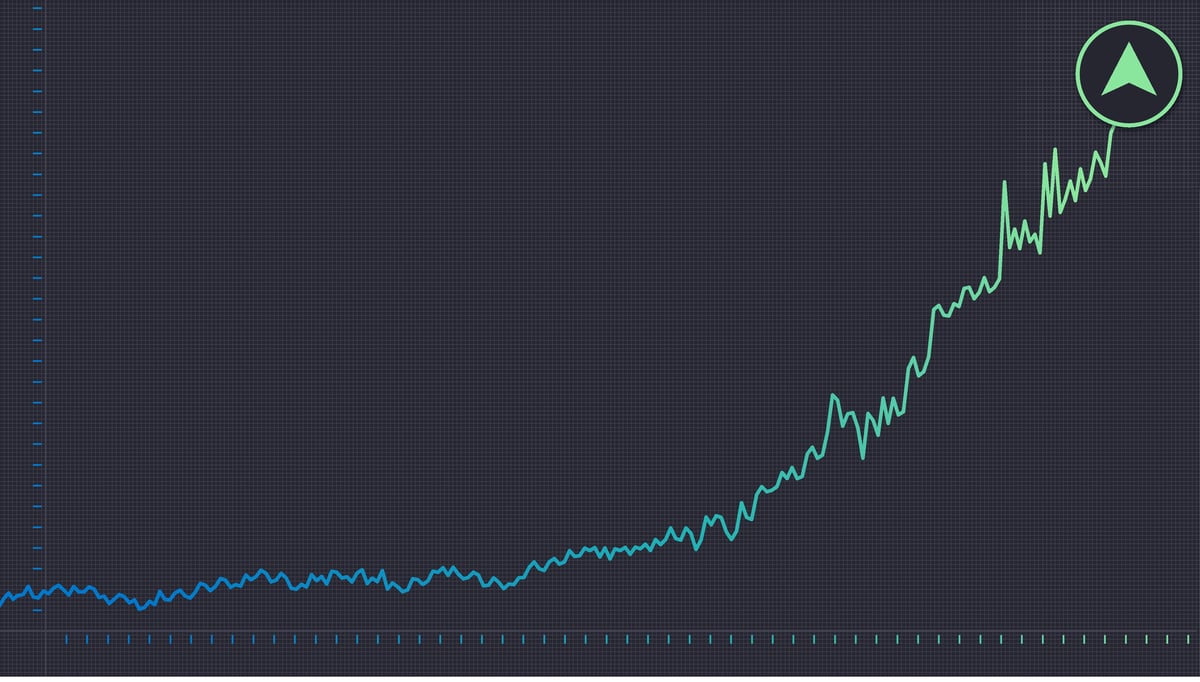
- Surging Oil Prices Impact: As of the recording date, West Texas Intermediate crude oil prices have reached $93 per barrel, a significant increase from $57 on January 2, which may force consumers to cut back on other expenditures due to rising energy costs, affecting overall economic activity.
- Geopolitical Risks: The rise in oil prices is primarily driven by geopolitical conflicts rather than demand growth, particularly due to uncertainties surrounding Iran, which could lead to a more pessimistic economic outlook, necessitating close monitoring of related developments.
Trade with 70% Backtested Accuracy
Stop guessing "Should I Buy UBER?" and start using high-conviction signals backed by rigorous historical data.
Sign up today to access powerful investing tools and make smarter, data-driven decisions.
Analyst Views on UBER
Wall Street analysts forecast UBER stock price to rise
32 Analyst Rating
28 Buy
3 Hold
1 Sell
Strong Buy
Current: 70.920

Low
72.00
Averages
107.10
High
150.00
Current: 70.920
Low
72.00
Averages
107.10
High
150.00
About UBER
Uber Technologies, Inc. operates a technology platform that uses network and technology to power movement from point A to point B. It develops and operates technology applications supporting a variety of offerings on its platform (platform(s)). Its segments include Mobility, Delivery and Freight. Mobility products connect consumers with drivers who provide rides in a variety of vehicles, such as cars, auto rickshaws, motorbikes, minibuses, or taxis. Delivery offerings allow consumers to search for and discover local restaurants, order a meal, and either pick-up at the restaurant or have the meal delivered. In certain markets, the Delivery segment provides offerings for grocery, alcohol, and convenience store delivery as well as select other goods. The Freight segment connects carriers with shippers on its platform, and gives carriers upfront, pricing and the ability to book a shipment. The Freight segment also includes transportation management and other logistics service offerings.
About the author

Emily J. Thompson
Emily J. Thompson, a Chartered Financial Analyst (CFA) with 12 years in investment research, graduated with honors from the Wharton School. Specializing in industrial and technology stocks, she provides in-depth analysis for Intellectia’s earnings and market brief reports.

Uber Launches Shuttle Service for World Cup Fans

- Shuttle Service Launch: Uber's new Uber Shuttle service offers World Cup fans rides from the stadium for as low as $45, significantly reducing travel costs compared to $200 parking fees and $100 mass transit fares, thereby enhancing user experience.
- Service Coverage: The service is available at matches in New York/New Jersey, Miami, Dallas, and Boston, with round-trip options specifically in Miami, addressing fan transportation needs and strengthening Uber's competitive position during major events.
- Group Travel Options: Uber Max provides 14-seat vans for larger groups, available for bookings up to eight hours, which not only enhances service flexibility but also creates additional revenue opportunities for Uber.
- Market Potential: The World Cup is expected to attract millions of visitors to the U.S., presenting a potential revenue boost for Uber's ride-sharing drivers while increasing Uber's exposure in a competitive market, further solidifying its market position.
See More

Comparing Investment Potential of Uber and DoorDash

- Uber's Global Network: Uber operates in over 15,000 cities worldwide, generating nearly $52 billion in revenue for FY 2025, reflecting an 18.3% year-over-year growth that strengthens its competitive position across mobility, delivery, and freight sectors.
- DoorDash's Market Expansion: DoorDash achieved nearly $13.7 billion in revenue for FY 2025, a 27.9% increase, and boasts over 35 million members in its DashPass and Wolt+ programs, indicating strong growth potential in local commerce.
- Profitability Comparison: Uber reported a net income of approximately $10.1 billion with a net margin of about 19.3%, while DoorDash's net income was around $935 million with a 6.8% margin, showing that despite lower profitability, DoorDash is making significant strides towards profitability.
- Risks and Competitive Landscape: Uber faces legal risks regarding driver classification and intense competition from Lyft and Amazon, while DoorDash navigates regulatory scrutiny and relies on Apple and Alphabet's mobile operating systems, which could impact its future market performance.
See More
Comparing Investment Potential of Uber and DoorDash
- Uber's Global Network: Uber operates in over 15,000 cities worldwide, generating nearly $52 billion in revenue for FY 2025, reflecting an 18.3% year-over-year growth, indicating strong growth and profitability in the global transportation market.
- DoorDash's Local Commerce Model: DoorDash achieved approximately $13.7 billion in revenue for FY 2025, a 27.9% increase, and boasts over 35 million subscription users, showcasing its successful expansion in local logistics and improved profitability.
- Risks and Competition: Uber faces legal risks regarding driver classification and intense competition from Lyft and Amazon, while DoorDash navigates regulatory scrutiny and reliance on Apple and Google's mobile operating systems, which could impact their market positions and profitability.
- Valuation Comparison: Uber's forward P/E ratio stands at 22.7x and P/S ratio at 2.9x, compared to DoorDash's 61.8x and 5.1x, indicating that Uber may be relatively undervalued in the market, potentially offering a more attractive investment opportunity for investors.
See More

Robotaxi Market Could Reach $10 Trillion


- Massive Market Potential: According to ARK Invest CEO Cathie Wood, the global robotaxi market is projected to reach between $8 trillion and $10 trillion, indicating that rapid advancements in artificial intelligence will drive swift market development.
- Tesla's Leading Position: Tesla's ongoing investments in full self-driving capabilities have given it a significant edge in the robotaxi market, particularly with its $20 billion capital expenditure plan focusing on AI and autonomy technologies.
- Rivian's Market Opportunity: Although Rivian's valuation stands at only $20 billion, its investments in AI and self-driving are beginning to pay off, especially with a $1.25 billion deal with Uber for 50,000 vehicles for its robotaxi service.
- Competitive Landscape: As the commercialization of robotaxis takes shape, Tesla and Rivian are expected to be key players, with Tesla leveraging its technological advantages while Rivian seeks growth through supply chain strategies, reflecting a significant shift in future mobility.
See More
Legal Battles Hinder U.S. eVTOL Industry Progress

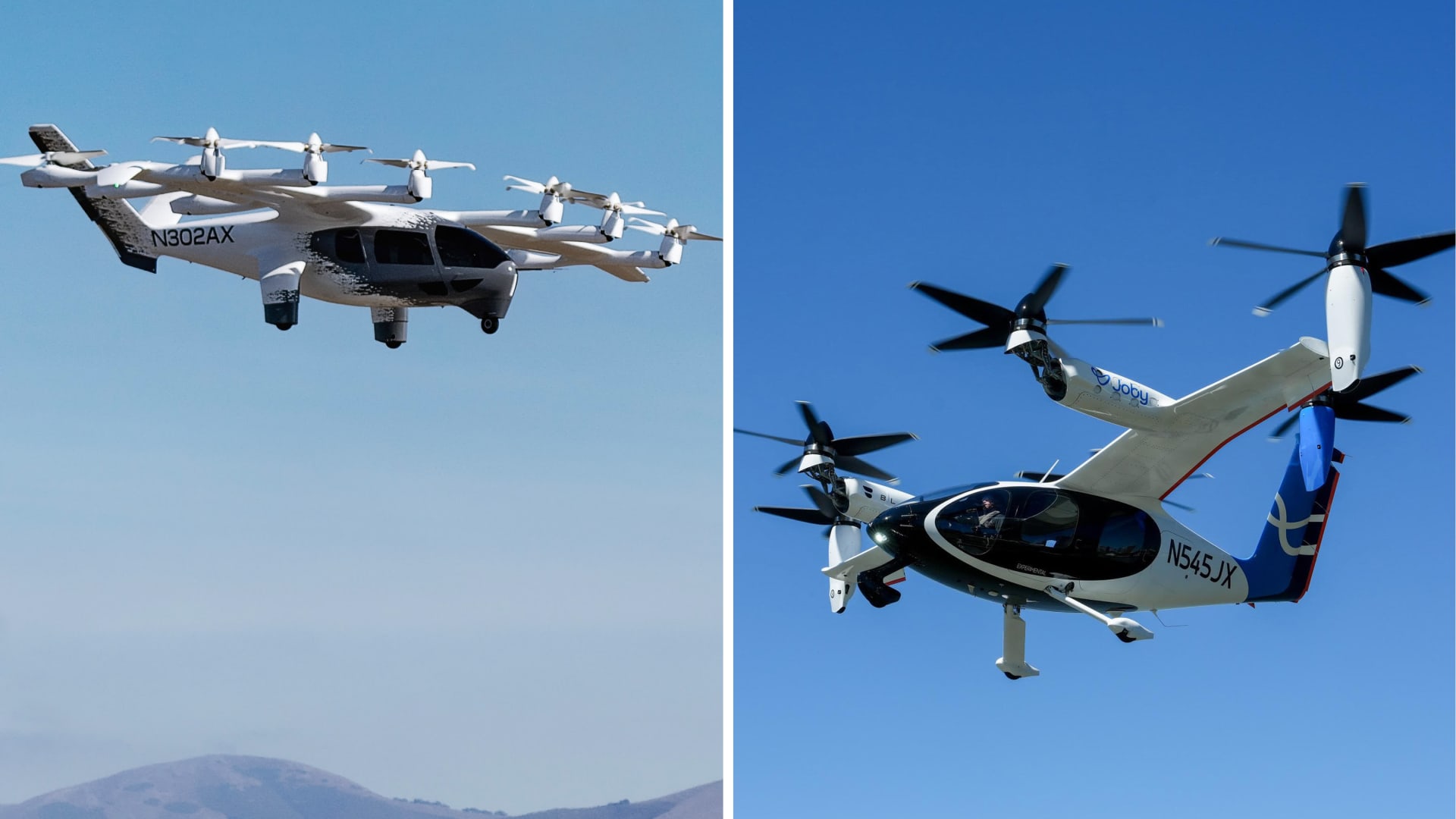
- Legal Disputes Impact Development: Joby Aviation's lawsuit against Archer for corporate espionage has led to declining investor confidence in the eVTOL sector, with Archer's stock down 9% this year and losing over a third of its value, indicating the negative impact of legal issues on market sentiment.
- Certification Delays: Despite the Trump administration's eVTOL Integration Pilot Program aimed at accelerating industry growth, ongoing legal battles threaten to prolong certification timelines and increase costs, as warned by H2 Advisors' Mike Hirschberg, which could hinder overall industry progress.
- Intensifying Market Competition: Archer's patent infringement lawsuit against Vertical Aerospace is ongoing, with Vertical claiming the lawsuit is
See More

eVTOL Industry Faces Legal Challenges Amid Certification Delays
- Escalating Legal Disputes: Legal battles among Joby, Archer, and Vertical are intensifying, potentially derailing their certification processes and investor confidence, leading to decreased interest in the electric vertical takeoff and landing (eVTOL) market.
- Stock Price Declines: Archer's stock has dropped 9% this year, losing over a third of its value in the past year, while Vertical has plummeted nearly 58%, and Joby's stock has fallen nearly 7% this year after a 60% surge, indicating a lack of market confidence in the sector.
- Certification Delays: Despite support from Trump's eVTOL Integration Pilot Program, certification timelines are being pushed back due to legal disputes, increasing costs and potentially impacting the overall development of the industry.
- Uncertain Industry Outlook: As multiple eVTOL manufacturers face legal challenges, industry experts warn investors to prepare for a long-term investment, emphasizing that product quality matters more than certification timelines, suggesting that future market competition will be more intense.
See More
Uber Launches Shuttle Service for World Cup Fans
- Shuttle Service Launch: Uber's new Uber Shuttle service offers World Cup fans rides from the stadium for as low as $45, significantly reducing travel costs compared to $200 parking fees and $100 mass transit fares, thereby enhancing user experience.
- Service Coverage: The service is available at matches in New York/New Jersey, Miami, Dallas, and Boston, with round-trip options specifically in Miami, addressing fan transportation needs and strengthening Uber's competitive position during major events.
- Group Travel Options: Uber Max provides 14-seat vans for larger groups, available for bookings up to eight hours, which not only enhances service flexibility but also creates additional revenue opportunities for Uber.
- Market Potential: The World Cup is expected to attract millions of visitors to the U.S., presenting a potential revenue boost for Uber's ride-sharing drivers while increasing Uber's exposure in a competitive market, further solidifying its market position.
See More
Comparing Investment Potential of Uber and DoorDash
- Uber's Global Network: Uber operates in over 15,000 cities worldwide, generating nearly $52 billion in revenue for FY 2025, reflecting an 18.3% year-over-year growth that strengthens its competitive position across mobility, delivery, and freight sectors.
- DoorDash's Market Expansion: DoorDash achieved nearly $13.7 billion in revenue for FY 2025, a 27.9% increase, and boasts over 35 million members in its DashPass and Wolt+ programs, indicating strong growth potential in local commerce.
- Profitability Comparison: Uber reported a net income of approximately $10.1 billion with a net margin of about 19.3%, while DoorDash's net income was around $935 million with a 6.8% margin, showing that despite lower profitability, DoorDash is making significant strides towards profitability.
- Risks and Competitive Landscape: Uber faces legal risks regarding driver classification and intense competition from Lyft and Amazon, while DoorDash navigates regulatory scrutiny and relies on Apple and Alphabet's mobile operating systems, which could impact its future market performance.
See More
Comparing Investment Potential of Uber and DoorDash
- Uber's Global Network: Uber operates in over 15,000 cities worldwide, generating nearly $52 billion in revenue for FY 2025, reflecting an 18.3% year-over-year growth, indicating strong growth and profitability in the global transportation market.
- DoorDash's Local Commerce Model: DoorDash achieved approximately $13.7 billion in revenue for FY 2025, a 27.9% increase, and boasts over 35 million subscription users, showcasing its successful expansion in local logistics and improved profitability.
- Risks and Competition: Uber faces legal risks regarding driver classification and intense competition from Lyft and Amazon, while DoorDash navigates regulatory scrutiny and reliance on Apple and Google's mobile operating systems, which could impact their market positions and profitability.
- Valuation Comparison: Uber's forward P/E ratio stands at 22.7x and P/S ratio at 2.9x, compared to DoorDash's 61.8x and 5.1x, indicating that Uber may be relatively undervalued in the market, potentially offering a more attractive investment opportunity for investors.
See More
Robotaxi Market Could Reach $10 Trillion
- Massive Market Potential: According to ARK Invest CEO Cathie Wood, the global robotaxi market is projected to reach between $8 trillion and $10 trillion, indicating that rapid advancements in artificial intelligence will drive swift market development.
- Tesla's Leading Position: Tesla's ongoing investments in full self-driving capabilities have given it a significant edge in the robotaxi market, particularly with its $20 billion capital expenditure plan focusing on AI and autonomy technologies.
- Rivian's Market Opportunity: Although Rivian's valuation stands at only $20 billion, its investments in AI and self-driving are beginning to pay off, especially with a $1.25 billion deal with Uber for 50,000 vehicles for its robotaxi service.
- Competitive Landscape: As the commercialization of robotaxis takes shape, Tesla and Rivian are expected to be key players, with Tesla leveraging its technological advantages while Rivian seeks growth through supply chain strategies, reflecting a significant shift in future mobility.
See More
Legal Battles Hinder U.S. eVTOL Industry Progress
- Legal Disputes Impact Development: Joby Aviation's lawsuit against Archer for corporate espionage has led to declining investor confidence in the eVTOL sector, with Archer's stock down 9% this year and losing over a third of its value, indicating the negative impact of legal issues on market sentiment.
- Certification Delays: Despite the Trump administration's eVTOL Integration Pilot Program aimed at accelerating industry growth, ongoing legal battles threaten to prolong certification timelines and increase costs, as warned by H2 Advisors' Mike Hirschberg, which could hinder overall industry progress.
- Intensifying Market Competition: Archer's patent infringement lawsuit against Vertical Aerospace is ongoing, with Vertical claiming the lawsuit is
See More
eVTOL Industry Faces Legal Challenges Amid Certification Delays
- Escalating Legal Disputes: Legal battles among Joby, Archer, and Vertical are intensifying, potentially derailing their certification processes and investor confidence, leading to decreased interest in the electric vertical takeoff and landing (eVTOL) market.
- Stock Price Declines: Archer's stock has dropped 9% this year, losing over a third of its value in the past year, while Vertical has plummeted nearly 58%, and Joby's stock has fallen nearly 7% this year after a 60% surge, indicating a lack of market confidence in the sector.
- Certification Delays: Despite support from Trump's eVTOL Integration Pilot Program, certification timelines are being pushed back due to legal disputes, increasing costs and potentially impacting the overall development of the industry.
- Uncertain Industry Outlook: As multiple eVTOL manufacturers face legal challenges, industry experts warn investors to prepare for a long-term investment, emphasizing that product quality matters more than certification timelines, suggesting that future market competition will be more intense.
See More