10 S&P 500 Stocks at Bargain Prices This Black Friday


Market Overview: The S&P 500 is experiencing a "Black Friday" effect, with several major companies trading at significantly low forward price-to-earnings (P/E) ratios, indicating potential upside of up to 50%.
Bargain Hunting Strategy: Investors can identify undervalued stocks using forward P/E ratios, which compare current share prices to projected earnings, but caution is advised as low ratios may signal underlying issues.
Undervalued Stocks List: A list of the 10 most undervalued S&P 500 companies includes Viatris, Charter Communications, and Global Payments, all showing steep year-to-date losses but with analysts predicting potential rebounds.
Analyst Insights: Despite some companies facing significant declines, analysts maintain optimistic price targets for many of these stocks, suggesting that they may be overlooked opportunities in the current market.
Trade with 70% Backtested Accuracy
Analyst Views on GM

About GM
About the author


GM Invests C$63 Million in Oshawa for Truck Production

- Continued Investment: GM's total investment in Oshawa has reached C$1.5 billion since 2020, including the recent C$63 million announced for upgrading stamping operations, reinforcing its significance in the full-size truck portfolio.
- Production Capacity Enhancement: This investment will support preparations for the next generation of gas-powered full-size pickups while enhancing capabilities in the service parts business, ensuring Oshawa Assembly meets customer demands in the coming years.
- Unique Production Line: Oshawa Assembly is GM's only North American facility producing both light and heavy-duty full-size pickups on the same line, currently operating on two shifts, highlighting its critical role in the company's overall production strategy.
- Future Outlook: GM plans to share product details and launch timing for the next-generation pickups in the future, indicating the company's long-term commitment to the Oshawa facility and its keen insight into market demands.

U.S. Electric Vehicle Customer Satisfaction Reaches New Highs


- Impact of Tax Credit End: The end of federal EV tax credits in the U.S. may lead to fewer new customers, yet existing EV owners show increasing satisfaction, indicating potential market resilience.
- Rising Customer Satisfaction: The JD Power 2026 U.S. electric vehicle ownership study reveals that 96% of battery electric vehicle owners would consider buying or leasing another EV, reflecting significant improvements in performance and charging infrastructure.
- EV Model Rankings: Among premium electric vehicles, the Tesla Model 3 ranks highest at 804 points, with the overall average satisfaction for premium EVs rising from 756 to 786, underscoring Tesla's market leadership.
- Mass Market Performance: In the mass-market segment, the Ford Mustang Mach-e leads with 760 points, while some General Motors models like the Equinox and Blazer score below average, highlighting the competitive intensity in the market.

Supreme Court May Rule on Trump's Tariff Legality


- Consumer Impact of Tariffs: The current average effective tariff rate in the U.S. stands at 16.9%, the highest since 1932, with projections indicating that consumers will pay an additional $1,300 to $1,700 in 2026, significantly increasing household economic burdens.
- Potential Legal Changes: Should the Supreme Court rule IEEPA tariffs unconstitutional, the consumer burden could be halved to between $600 and $800, providing some economic relief for families and influencing future spending patterns.
- Tariff Revenue Analysis: U.S. Customs and Border Protection collected approximately $133.5 billion in tariff revenue in fiscal year 2025, accounting for 60% of total tariff revenue during that period, highlighting the significant impact of tariff policies on government finances.
- Alternative Tariff Pathways: The Trump administration may resort to other legal frameworks to continue imposing tariffs, and economists note that even if IEEPA is overturned, this will limit potential consumer relief while maintaining high tariff burdens.
New York State Withdraws Commercial Robotaxi Proposal

- Proposal Withdrawal Impact: New York Governor Hochul's withdrawal of the commercial robotaxi proposal significantly impacts Waymo, which plans to expand its services to several new cities, indicating a lack of support for autonomous vehicle technology in the state.
- Market Potential Limited: The proposal aimed to allow limited deployment of robotaxis outside New York City, but opposition from labor unions and transit workers prevented it from gaining necessary support, restricting Waymo's market expansion opportunities in New York.
- Testing Permit Unaffected: Despite the proposal's withdrawal, Waymo's testing in New York City will continue, having received a permit from the Department of Transportation, indicating that the company's long-term strategy in the region remains intact.
- Intensifying Competition: Waymo plans to launch its commercial driverless ride-hailing service in cities like Dallas, Denver, and Washington D.C., but faces increasing pressure from competitors such as Tesla and Amazon-owned Zoox, intensifying market competition.

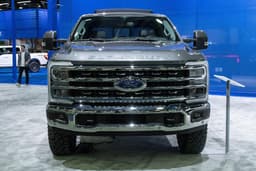
Ford Shifts Focus to Hybrid Vehicles Amid EV Challenges
- Hybrid Profitability Surge: Ford CEO Jim Farley highlighted that some of Ford's hybrid models have become profitable, with increasing customer demand indicating a sustainable path for the company amid its electric vehicle transition challenges.
- Significant Sales Growth: In 2025, Ford sold over 228,000 hybrids in the U.S., marking a nearly 22% increase year-over-year, which not only set a quarterly and annual sales record for Ford but also solidified the F-150 hybrid's status as America's best-selling full-size hybrid pickup.
- Decline in EV Market Share: Despite the strong performance of hybrids, Ford's full EV sales fell by 14% in 2025 and plummeted 52% in Q4, primarily due to the loss of the $7,500 federal EV tax credit, highlighting challenges in the electric vehicle market.
- Future Strategic Planning: Ford is not abandoning the EV market but plans to introduce a new Universal EV Platform and a midsize electric pickup in 2027, demonstrating the company's long-term commitment to electric vehicles, even as it shifts focus to hybrids for immediate profitability.

Ford's Hybrid Sales Hit Record Highs Amid EV Strategy Shift
- Hybrid Profitability Surge: Ford CEO Jim Farley noted that in 2024, some of Ford's hybrid models became more profitable than their gasoline counterparts, indicating a positive shift in consumer preference towards these transitional solutions, which is expected to enhance the company's financial performance.
- Record Sales Performance: In 2025, Ford sold over 228,000 hybrids in the U.S., marking a nearly 22% increase year-over-year, setting both fourth-quarter and full-year sales records, while the F-150 hybrid maintained its status as America's best-selling full-size hybrid pickup, reflecting strong market demand.
- EV Market Challenges: Despite the robust hybrid sales, Ford's full EV sales declined by 14% in 2025 and plummeted 52% in Q4, primarily due to the loss of the $7,500 federal EV tax credit, highlighting the complexities of the market transition.
- Future EV Strategy: Ford is not abandoning the EV market but plans to launch a new Universal EV Platform and a midsize electric pickup in 2027, demonstrating the company's long-term commitment to electric vehicles, even as hybrids remain the focus for profitability in the short term.
GM Invests C$63 Million in Oshawa for Truck Production
- Continued Investment: GM's total investment in Oshawa has reached C$1.5 billion since 2020, including the recent C$63 million announced for upgrading stamping operations, reinforcing its significance in the full-size truck portfolio.
- Production Capacity Enhancement: This investment will support preparations for the next generation of gas-powered full-size pickups while enhancing capabilities in the service parts business, ensuring Oshawa Assembly meets customer demands in the coming years.
- Unique Production Line: Oshawa Assembly is GM's only North American facility producing both light and heavy-duty full-size pickups on the same line, currently operating on two shifts, highlighting its critical role in the company's overall production strategy.
- Future Outlook: GM plans to share product details and launch timing for the next-generation pickups in the future, indicating the company's long-term commitment to the Oshawa facility and its keen insight into market demands.
U.S. Electric Vehicle Customer Satisfaction Reaches New Highs
- Impact of Tax Credit End: The end of federal EV tax credits in the U.S. may lead to fewer new customers, yet existing EV owners show increasing satisfaction, indicating potential market resilience.
- Rising Customer Satisfaction: The JD Power 2026 U.S. electric vehicle ownership study reveals that 96% of battery electric vehicle owners would consider buying or leasing another EV, reflecting significant improvements in performance and charging infrastructure.
- EV Model Rankings: Among premium electric vehicles, the Tesla Model 3 ranks highest at 804 points, with the overall average satisfaction for premium EVs rising from 756 to 786, underscoring Tesla's market leadership.
- Mass Market Performance: In the mass-market segment, the Ford Mustang Mach-e leads with 760 points, while some General Motors models like the Equinox and Blazer score below average, highlighting the competitive intensity in the market.
Supreme Court May Rule on Trump's Tariff Legality
- Consumer Impact of Tariffs: The current average effective tariff rate in the U.S. stands at 16.9%, the highest since 1932, with projections indicating that consumers will pay an additional $1,300 to $1,700 in 2026, significantly increasing household economic burdens.
- Potential Legal Changes: Should the Supreme Court rule IEEPA tariffs unconstitutional, the consumer burden could be halved to between $600 and $800, providing some economic relief for families and influencing future spending patterns.
- Tariff Revenue Analysis: U.S. Customs and Border Protection collected approximately $133.5 billion in tariff revenue in fiscal year 2025, accounting for 60% of total tariff revenue during that period, highlighting the significant impact of tariff policies on government finances.
- Alternative Tariff Pathways: The Trump administration may resort to other legal frameworks to continue imposing tariffs, and economists note that even if IEEPA is overturned, this will limit potential consumer relief while maintaining high tariff burdens.
New York State Withdraws Commercial Robotaxi Proposal
- Proposal Withdrawal Impact: New York Governor Hochul's withdrawal of the commercial robotaxi proposal significantly impacts Waymo, which plans to expand its services to several new cities, indicating a lack of support for autonomous vehicle technology in the state.
- Market Potential Limited: The proposal aimed to allow limited deployment of robotaxis outside New York City, but opposition from labor unions and transit workers prevented it from gaining necessary support, restricting Waymo's market expansion opportunities in New York.
- Testing Permit Unaffected: Despite the proposal's withdrawal, Waymo's testing in New York City will continue, having received a permit from the Department of Transportation, indicating that the company's long-term strategy in the region remains intact.
- Intensifying Competition: Waymo plans to launch its commercial driverless ride-hailing service in cities like Dallas, Denver, and Washington D.C., but faces increasing pressure from competitors such as Tesla and Amazon-owned Zoox, intensifying market competition.
Ford Shifts Focus to Hybrid Vehicles Amid EV Challenges
- Hybrid Profitability Surge: Ford CEO Jim Farley highlighted that some of Ford's hybrid models have become profitable, with increasing customer demand indicating a sustainable path for the company amid its electric vehicle transition challenges.
- Significant Sales Growth: In 2025, Ford sold over 228,000 hybrids in the U.S., marking a nearly 22% increase year-over-year, which not only set a quarterly and annual sales record for Ford but also solidified the F-150 hybrid's status as America's best-selling full-size hybrid pickup.
- Decline in EV Market Share: Despite the strong performance of hybrids, Ford's full EV sales fell by 14% in 2025 and plummeted 52% in Q4, primarily due to the loss of the $7,500 federal EV tax credit, highlighting challenges in the electric vehicle market.
- Future Strategic Planning: Ford is not abandoning the EV market but plans to introduce a new Universal EV Platform and a midsize electric pickup in 2027, demonstrating the company's long-term commitment to electric vehicles, even as it shifts focus to hybrids for immediate profitability.
Ford's Hybrid Sales Hit Record Highs Amid EV Strategy Shift
- Hybrid Profitability Surge: Ford CEO Jim Farley noted that in 2024, some of Ford's hybrid models became more profitable than their gasoline counterparts, indicating a positive shift in consumer preference towards these transitional solutions, which is expected to enhance the company's financial performance.
- Record Sales Performance: In 2025, Ford sold over 228,000 hybrids in the U.S., marking a nearly 22% increase year-over-year, setting both fourth-quarter and full-year sales records, while the F-150 hybrid maintained its status as America's best-selling full-size hybrid pickup, reflecting strong market demand.
- EV Market Challenges: Despite the robust hybrid sales, Ford's full EV sales declined by 14% in 2025 and plummeted 52% in Q4, primarily due to the loss of the $7,500 federal EV tax credit, highlighting the complexities of the market transition.
- Future EV Strategy: Ford is not abandoning the EV market but plans to launch a new Universal EV Platform and a midsize electric pickup in 2027, demonstrating the company's long-term commitment to electric vehicles, even as hybrids remain the focus for profitability in the short term.