

US Bancorp Reports Record Financing Amid Market Decline
US Bancorp's stock fell 3.02% and hit a 20-day low amid a broader market decline, with the Nasdaq-100 down 1.04% and the S&P 500 down 1.22%.
Despite the stock's decline, US Bancorp Impact Finance achieved record results in 2025, raising approximately $5.7 billion in third-party capital through its tax credit syndications platform. This achievement underscores the company's leadership in community development and sustainable investing, financing 6,812 affordable housing units and 4.4 GW of renewable energy generation capacity. The growing market demand for tax credit transfers, exceeding $7 billion since the Inflation Reduction Act, further solidifies US Bancorp's strategic position.
The implications of these results highlight US Bancorp's resilience and commitment to sustainable finance, even as the broader market faces challenges. Investors may view this as a positive indicator of the company's long-term growth potential.
Trade with 70% Backtested Accuracy
Analyst Views on USB

About USB
About the author


USB Options Contract Analysis and Investment Opportunities

- Put Option Appeal: The current bid for the $60.00 put option is $3.65, and if an investor sells this contract, they commit to buying the stock at $60.00, effectively lowering their cost basis to $56.35, which is approximately a 3% discount from the current price of $61.64, making it attractive for those interested in USB shares.
- Yield Potential Analysis: Should the put option expire worthless, it would yield a 6.08% return on the cash commitment, or an annualized return of 9.82%, highlighting the YieldBoost potential of this strategy, appealing to investors seeking stable income.
- Call Option Returns: The $62.50 call option has a current bid of $4.60, and if an investor buys USB shares at $61.64 and sells this call, they could achieve an 8.86% total return if the stock is called away by February 2027, showcasing the attractiveness of this strategy.
- Risk-Reward Trade-off: With the $62.50 strike price representing only about a 1% premium to the current stock price, and a 48% chance of the call option expiring worthless, investors could retain both their shares and the premium collected, enhancing the investment's appeal.

Analysis of US Bancorp Preferred Shares Performance
- Price Performance Comparison: US Bancorp's 4.00% Preferred Shares (USB.PRR) fell approximately 0.4% on Tuesday, while common shares (USB) rose about 0.6%, indicating relative weakness in preferred shares amidst market fluctuations, which may affect investor perceptions of their attractiveness.
- Dividend History Review: The dividend payment history of USB.PRR demonstrates its provision of stable returns to investors; despite the current price decline, its 4.00% yield remains appealing to those seeking fixed income, highlighting the importance of preferred shares in a low-interest-rate environment.
- Market Sentiment Analysis: The current market sentiment appears optimistic towards US Bancorp's common shares, likely due to expectations of overall economic recovery, while the performance of preferred shares may be influenced by investor risk appetite, leading to their underperformance.
- Investor Focus: As market attention on dividend yields intensifies, the performance of USB.PRR could impact asset allocation decisions among investors, particularly those seeking stable income, potentially leading to a reassessment of the attractiveness of preferred shares.

US Stocks Close Higher, Led by Tech Gains


- Strong Market Performance: The S&P 500 rose by 0.72%, reaching a 2.5-week high, while the Dow Jones Industrial Average increased by 0.29%, setting a new all-time high, reflecting robust confidence in tech stocks and chipmakers.
- Supportive Economic Data: The US June ISM services index stood at 54.0, meeting expectations, with the employment sub-index rising to 51.2, surpassing the anticipated 48.2, indicating ongoing economic expansion that may alleviate Fed rate hike pressures.
- Optimistic Earnings Outlook: Bloomberg Intelligence forecasts a 23% increase in Q2 earnings, close to Q1's 30% surge, primarily driven by strong performance in AI infrastructure stocks, expected to contribute nearly 60% of earnings growth, further boosting market sentiment.
- International Market Fluctuations: While US stocks rose, European markets generally declined, with Eurozone May retail sales increasing by only 0.2%, below the expected 0.3%, highlighting uneven global economic recovery that could impact investor confidence.
Mixed Performance in US Stocks, Led by Chipmakers


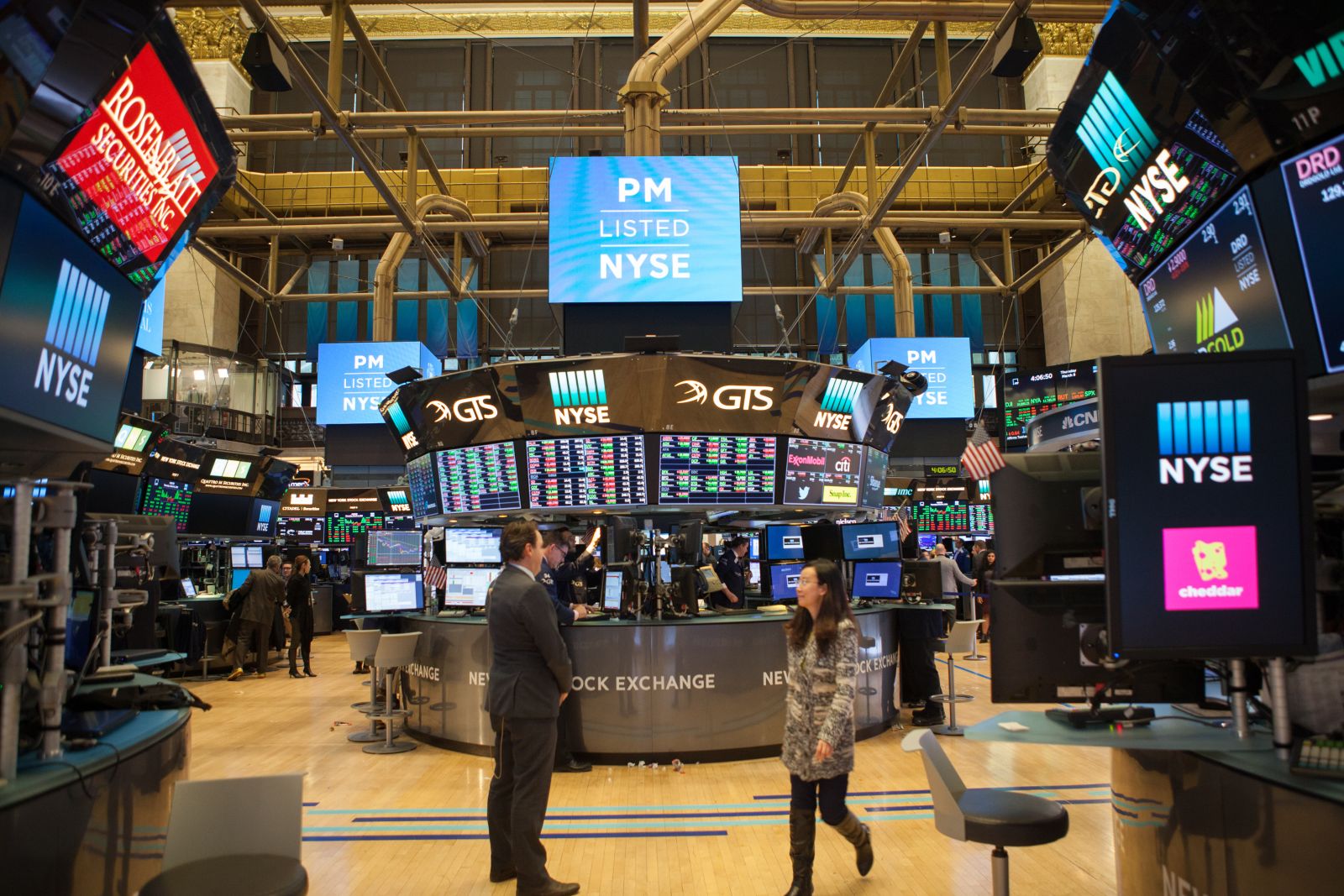
- Chipmaker Rally: Chipmakers and AI infrastructure stocks are leading the market today, with the iShares Semiconductor ETF (SOXX) up over 3%, and Advanced Micro Devices (AMD) and Western Digital (WDC) rising more than 9%, indicating a resurgence of confidence in tech stocks that could drive overall market gains.
- Service Sector Expansion: The US June ISM services index fell to 54.0, meeting expectations, and although the pace of growth has slowed, the employment sub-index rose to 51.2, surpassing the expected 48.2, suggesting that companies are still hiring amid easing cost pressures, potentially supporting economic growth.
- Strong Q2 Earnings Outlook: Bloomberg Intelligence forecasts a 23% increase in Q2 earnings, close to Q1's 30% growth, primarily driven by AI spending, which is expected to account for nearly 60% of S&P 500 earnings-per-share growth, providing an optimistic outlook for investors.
- International Market Volatility: While US markets show positive performance, overseas markets are generally declining, with the Euro Stoxx 50 down 0.43%, reflecting global economic uncertainties that may impact investor sentiment.
US Stocks Show Mixed Movement, Led by Chipmakers
- Market Performance: The S&P 500 Index rose by 0.43% and the Nasdaq 100 Index increased by 1.17%, driven by strong performances from chipmakers and AI infrastructure stocks, reflecting heightened investor confidence in technology shares.
- Oil Price Impact: WTI crude oil prices fell by 0.5% as Saudi Arabia and the UAE ramped up shipments to near pre-war levels, which eased inflation expectations and led to a 2 basis point drop in the 10-year T-note yield to 4.46%, providing support for the bond market.
- Earnings Outlook: Bloomberg Intelligence forecasts a 23% increase in Q2 earnings, close to Q1's 30% growth, indicating that AI spending will be a major driver, expected to contribute nearly 60% to the S&P 500's earnings-per-share growth.
- International Market Dynamics: European stock markets are generally down, with Eurozone May retail sales rising 0.2% month-over-month, below the expected 0.3%, while German May factory orders increased by 1.9%, exceeding the expected 1.1%, indicating a mixed economic recovery.

Jefferies Upgrades U.S. Bancorp to Buy, Downgrades Huntington Bancshares

- USB Upgrade: Jefferies upgraded U.S. Bancorp (USB) from Hold to Buy, citing its net interest and fee income trending towards the high end of guidance, with potential operating leverage improvement for 2026 raised from 200 basis points to nearly 300, indicating strong profitability and diversified revenue streams.
- CFR Rating Change: Jefferies raised Cullen/Frost (CFR) from Underperform to Hold due to positive asset sensitivity amid rising rate hike expectations, which, combined with moderating expense growth, could support operating leverage and EPS growth, making the risk/reward balance more favorable.
- HBAN Downgrade: Jefferies downgraded Huntington Bancshares (HBAN) from Buy to Hold, reflecting ongoing M&A-related discounts until deal integrations are complete and clearer visibility on deposit costs and net interest margin trends, impacting its loan profitability optimization strategy.
- Market Reaction: Despite USB and CFR stocks remaining largely unchanged, HBAN saw a 0.7% dip in premarket trading, indicating a cautious market response to the rating changes and reflecting the complex outlook for the banking sector.
USB Options Contract Analysis and Investment Opportunities
- Put Option Appeal: The current bid for the $60.00 put option is $3.65, and if an investor sells this contract, they commit to buying the stock at $60.00, effectively lowering their cost basis to $56.35, which is approximately a 3% discount from the current price of $61.64, making it attractive for those interested in USB shares.
- Yield Potential Analysis: Should the put option expire worthless, it would yield a 6.08% return on the cash commitment, or an annualized return of 9.82%, highlighting the YieldBoost potential of this strategy, appealing to investors seeking stable income.
- Call Option Returns: The $62.50 call option has a current bid of $4.60, and if an investor buys USB shares at $61.64 and sells this call, they could achieve an 8.86% total return if the stock is called away by February 2027, showcasing the attractiveness of this strategy.
- Risk-Reward Trade-off: With the $62.50 strike price representing only about a 1% premium to the current stock price, and a 48% chance of the call option expiring worthless, investors could retain both their shares and the premium collected, enhancing the investment's appeal.
Analysis of US Bancorp Preferred Shares Performance
- Price Performance Comparison: US Bancorp's 4.00% Preferred Shares (USB.PRR) fell approximately 0.4% on Tuesday, while common shares (USB) rose about 0.6%, indicating relative weakness in preferred shares amidst market fluctuations, which may affect investor perceptions of their attractiveness.
- Dividend History Review: The dividend payment history of USB.PRR demonstrates its provision of stable returns to investors; despite the current price decline, its 4.00% yield remains appealing to those seeking fixed income, highlighting the importance of preferred shares in a low-interest-rate environment.
- Market Sentiment Analysis: The current market sentiment appears optimistic towards US Bancorp's common shares, likely due to expectations of overall economic recovery, while the performance of preferred shares may be influenced by investor risk appetite, leading to their underperformance.
- Investor Focus: As market attention on dividend yields intensifies, the performance of USB.PRR could impact asset allocation decisions among investors, particularly those seeking stable income, potentially leading to a reassessment of the attractiveness of preferred shares.
US Stocks Close Higher, Led by Tech Gains
- Strong Market Performance: The S&P 500 rose by 0.72%, reaching a 2.5-week high, while the Dow Jones Industrial Average increased by 0.29%, setting a new all-time high, reflecting robust confidence in tech stocks and chipmakers.
- Supportive Economic Data: The US June ISM services index stood at 54.0, meeting expectations, with the employment sub-index rising to 51.2, surpassing the anticipated 48.2, indicating ongoing economic expansion that may alleviate Fed rate hike pressures.
- Optimistic Earnings Outlook: Bloomberg Intelligence forecasts a 23% increase in Q2 earnings, close to Q1's 30% surge, primarily driven by strong performance in AI infrastructure stocks, expected to contribute nearly 60% of earnings growth, further boosting market sentiment.
- International Market Fluctuations: While US stocks rose, European markets generally declined, with Eurozone May retail sales increasing by only 0.2%, below the expected 0.3%, highlighting uneven global economic recovery that could impact investor confidence.
Mixed Performance in US Stocks, Led by Chipmakers
- Chipmaker Rally: Chipmakers and AI infrastructure stocks are leading the market today, with the iShares Semiconductor ETF (SOXX) up over 3%, and Advanced Micro Devices (AMD) and Western Digital (WDC) rising more than 9%, indicating a resurgence of confidence in tech stocks that could drive overall market gains.
- Service Sector Expansion: The US June ISM services index fell to 54.0, meeting expectations, and although the pace of growth has slowed, the employment sub-index rose to 51.2, surpassing the expected 48.2, suggesting that companies are still hiring amid easing cost pressures, potentially supporting economic growth.
- Strong Q2 Earnings Outlook: Bloomberg Intelligence forecasts a 23% increase in Q2 earnings, close to Q1's 30% growth, primarily driven by AI spending, which is expected to account for nearly 60% of S&P 500 earnings-per-share growth, providing an optimistic outlook for investors.
- International Market Volatility: While US markets show positive performance, overseas markets are generally declining, with the Euro Stoxx 50 down 0.43%, reflecting global economic uncertainties that may impact investor sentiment.
US Stocks Show Mixed Movement, Led by Chipmakers
- Market Performance: The S&P 500 Index rose by 0.43% and the Nasdaq 100 Index increased by 1.17%, driven by strong performances from chipmakers and AI infrastructure stocks, reflecting heightened investor confidence in technology shares.
- Oil Price Impact: WTI crude oil prices fell by 0.5% as Saudi Arabia and the UAE ramped up shipments to near pre-war levels, which eased inflation expectations and led to a 2 basis point drop in the 10-year T-note yield to 4.46%, providing support for the bond market.
- Earnings Outlook: Bloomberg Intelligence forecasts a 23% increase in Q2 earnings, close to Q1's 30% growth, indicating that AI spending will be a major driver, expected to contribute nearly 60% to the S&P 500's earnings-per-share growth.
- International Market Dynamics: European stock markets are generally down, with Eurozone May retail sales rising 0.2% month-over-month, below the expected 0.3%, while German May factory orders increased by 1.9%, exceeding the expected 1.1%, indicating a mixed economic recovery.
Jefferies Upgrades U.S. Bancorp to Buy, Downgrades Huntington Bancshares
- USB Upgrade: Jefferies upgraded U.S. Bancorp (USB) from Hold to Buy, citing its net interest and fee income trending towards the high end of guidance, with potential operating leverage improvement for 2026 raised from 200 basis points to nearly 300, indicating strong profitability and diversified revenue streams.
- CFR Rating Change: Jefferies raised Cullen/Frost (CFR) from Underperform to Hold due to positive asset sensitivity amid rising rate hike expectations, which, combined with moderating expense growth, could support operating leverage and EPS growth, making the risk/reward balance more favorable.
- HBAN Downgrade: Jefferies downgraded Huntington Bancshares (HBAN) from Buy to Hold, reflecting ongoing M&A-related discounts until deal integrations are complete and clearer visibility on deposit costs and net interest margin trends, impacting its loan profitability optimization strategy.
- Market Reaction: Despite USB and CFR stocks remaining largely unchanged, HBAN saw a 0.7% dip in premarket trading, indicating a cautious market response to the rating changes and reflecting the complex outlook for the banking sector.





