UnitedHealth Group shares surge after Medicare payment increase announcement
UnitedHealth Group Inc (UNH) shares rose by 6.54% in pre-market trading, reaching a 20-day high.
The Trump administration's announcement of a 2.48% increase in Medicare Advantage payments for 2027, amounting to over $13 billion, has significantly boosted investor confidence in the healthcare insurance sector. Following this news, UnitedHealth's stock surged by approximately 9.9%, reflecting strong market optimism regarding the profitability of insurers. This policy change is expected to enhance the financial stability of insurers and attract more beneficiaries to Medicare Advantage plans.
The increase in Medicare payments is likely to improve the competitive positioning of UnitedHealth and its peers, as it alleviates market pressures and enhances their revenue outlook. Investors are optimistic about the potential for increased premiums and benefits, which could further drive growth in the sector.
Trade with 70% Backtested Accuracy
Analyst Views on UNH

About UNH
About the author


UnitedHealth Group's Path to Recovery

- Stock Recovery: UnitedHealth Group's stock surged 25% in the first half of the year, indicating a gradual restoration of investor confidence after a 34% decline, reflecting market approval of its turnaround strategy.
- Revenue Growth: In the recent quarter, UnitedHealth's total revenue increased by 2% to $111 billion, with adjusted earnings per share of $7.23 exceeding expectations, demonstrating significant progress in cost management and improved profitability.
- Operational Efficiency: The company streamlined operations by reducing prior authorization requirements by 30% and leveraging AI tools, achieving 95% electronic processing of requests and 90% approvals within one business day, enhancing responsiveness in healthcare services.
- Medicare Rate Increase: The government approved a 2.48% average rate increase for Medicare Advantage plans in 2027, which will provide additional revenue for UnitedHealth and other insurers, further supporting their growth potential in the coming years.

2027 Health Insurance Premiums May Rise 14%

- Premium Increase Trend: KFF's analysis reveals that 77 insurers across 16 states and Washington, D.C. are proposing a median premium increase of 14% for 2027, following a 20% rise in 2026, marking two consecutive years of double-digit hikes that exacerbate affordability issues.
- Enrollment Decline: Approximately 19 million people are covered under the Affordable Care Act, but enrollment has dropped by about 4 million this year due to the expiration of enhanced COVID-era subsidies, indicating that high premiums are deterring potential enrollees.
- Loss of Healthy Consumers: KFF highlights that rising premiums and the loss of subsidies discourage healthier individuals from enrolling, leaving insurers with a sicker member pool and higher medical costs, with insurers attributing roughly 4 percentage points of their requested premium increases for 2027 to this trend.
- Rising Medical Costs: Insurers cite increasing medical expenses, inflation, higher labor costs, and growing expenditures on GLP-1 weight-loss and diabetes treatments as key factors driving their need to raise premiums, reflecting the multifaceted pressures facing the industry.

UnitedHealth Group Shows Signs of Recovery
- Earnings Improvement: UnitedHealth Group's total revenue increased by 2% to $111 billion in the recent quarter, with adjusted earnings per share at $7.23 exceeding expectations, indicating effective cost management and potential for further profitability enhancement in the future.
- Leadership Changes: Longtime CEO Stephen Hemsley returned to the helm, and the completion of an independent audit with necessary new measures reflects decisive actions taken by the company in the face of challenges, boosting investor confidence.
- Technology Utilization: The company is leveraging AI tools to enhance operational efficiency, reducing prior authorization requirements by 30%, with 95% of requests processed electronically and 90% approved within one business day, streamlining processes and improving customer satisfaction.
- Market Outlook: Despite ongoing margin pressure from high utilization trends, UnitedHealth anticipates a 2.48% increase in Medicare Advantage rates for 2027, which will support future growth and further solidify its competitive position in the market.
Market Update: Tech Stocks Retreat, Healthcare Sector Gains


- Tech Stock Retreat: On Tuesday, the S&P 500 and Nasdaq fell by 0.70% and 1.5%, respectively, primarily dragged down by technology and momentum stocks, particularly semiconductor firms like Advanced Micro, Broadcom, and Micron, which faced sell-offs following Samsung's disappointing preliminary second-quarter earnings, prompting investors to seek refuge in safer sectors like healthcare and financials.
- Healthcare Sector Strength: Amidst a broader market downturn, the healthcare sector is thriving, with Johnson & Johnson's stock rising 3.6% on Tuesday and nearly 30% year-to-date, while Eli Lilly's shares gained 3% after JPMorgan raised its price target from $1,300 to $1,400, driven by strong GLP-1 sales and international demand for its weight-loss drug Mounjaro.
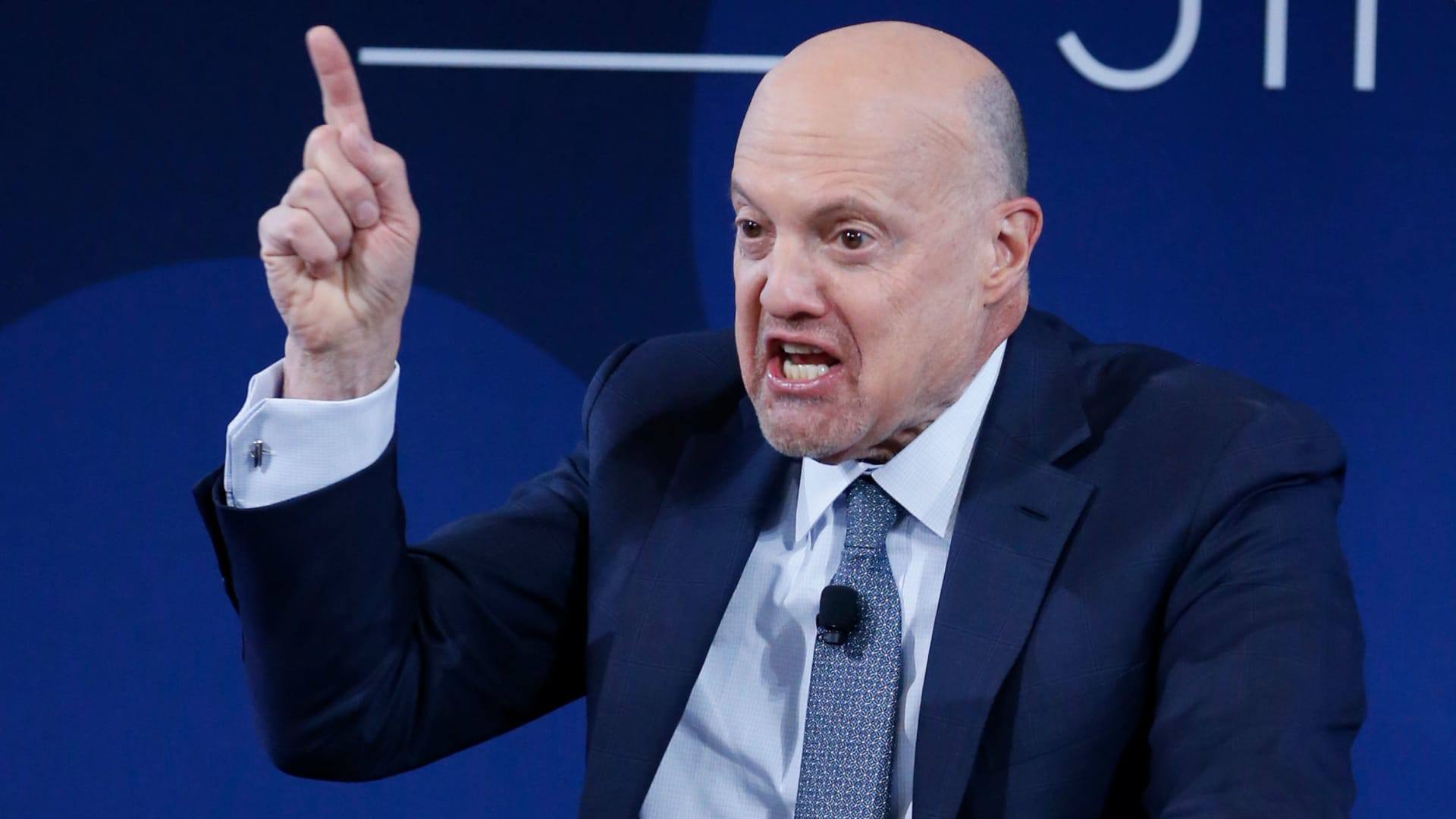
- Financial Sector Performance: The financial sector has been the best performer this month, with Wells Fargo's shares up 6.6% over the past month ahead of earnings next Tuesday, despite being down 5.3% year-to-date, as Jim Cramer suggests it could be a breakout quarter, emphasizing the need for strong performance after previous disappointments.
- Rapid Trade Review: In the rapid-fire trading segment of the video, stocks mentioned included Fiserv, Vertex, Walmart, and Rivian, highlighting the club's focus on a diversified portfolio while underscoring the importance of vigilance amidst market volatility.
UnitedHealth Audit Shows High Diagnosis Accuracy Amid Medicare Payment Allegations
- High Diagnosis Accuracy: An external audit of UnitedHealth's HouseCalls home-visit unit revealed that over 96% of diagnoses in 2025 were accurate, with only 3.4% unsupported by patient medical records, indicating strong compliance in service quality.
- Government Investigation Context: Despite facing allegations of receiving extra Medicare payments through dubious diagnoses, the audit results defend UnitedHealth by demonstrating high accuracy in health risk assessments, potentially alleviating future regulatory pressures.
- No Policy Changes: UnitedHealth stated that it will not revise company policies based on the 12-page report, reflecting confidence in existing processes while also indicating openness to further scrutiny.
- Leadership Commitment: CEO Stephen Hemsley pledged to commission external reviews in 2025 following the company's first quarterly earnings miss since 2008, underscoring a commitment to transparency and compliance.

Long-Term Investment Strategy in Healthcare Sector


- Strong Financial Performance: Johnson & Johnson reported Q1 revenue of $24.1 billion, a 9.9% increase year-over-year, with adjusted EPS of $2.70 exceeding analyst expectations, and it forecasts annual sales between $99.7 billion and $100.7 billion, indicating robust growth potential in innovative medicine and medtech.
- Diversification Advantage: Abbott Laboratories achieved Q1 sales of $11.2 billion, up 7.8% year-over-year, with strong performance in medical devices and diagnostics offsetting declines in nutrition, and it expects full-year revenue growth of 6.5% to 7.5%, solidifying its position in global healthcare demand.
- Market Dominance: UnitedHealth Group's Q1 revenue reached $111.7 billion, a 2% increase year-over-year, with its Optum division leveraging data analytics and pharmacy care for vertical integration, projecting full-year EPS exceeding $17.35, up at least 31%, reinforcing its leadership in the U.S. private health insurance market.
- Stable Dividend Returns: Johnson & Johnson, Abbott, and UnitedHealth Group are all Dividend Kings, having increased dividends for 64, 54, and 17 consecutive years respectively, showcasing their strong cash flow management and appeal to long-term investors, particularly in times of economic uncertainty, providing low volatility and high margin of safety.
UnitedHealth Group's Path to Recovery
- Stock Recovery: UnitedHealth Group's stock surged 25% in the first half of the year, indicating a gradual restoration of investor confidence after a 34% decline, reflecting market approval of its turnaround strategy.
- Revenue Growth: In the recent quarter, UnitedHealth's total revenue increased by 2% to $111 billion, with adjusted earnings per share of $7.23 exceeding expectations, demonstrating significant progress in cost management and improved profitability.
- Operational Efficiency: The company streamlined operations by reducing prior authorization requirements by 30% and leveraging AI tools, achieving 95% electronic processing of requests and 90% approvals within one business day, enhancing responsiveness in healthcare services.
- Medicare Rate Increase: The government approved a 2.48% average rate increase for Medicare Advantage plans in 2027, which will provide additional revenue for UnitedHealth and other insurers, further supporting their growth potential in the coming years.
2027 Health Insurance Premiums May Rise 14%
- Premium Increase Trend: KFF's analysis reveals that 77 insurers across 16 states and Washington, D.C. are proposing a median premium increase of 14% for 2027, following a 20% rise in 2026, marking two consecutive years of double-digit hikes that exacerbate affordability issues.
- Enrollment Decline: Approximately 19 million people are covered under the Affordable Care Act, but enrollment has dropped by about 4 million this year due to the expiration of enhanced COVID-era subsidies, indicating that high premiums are deterring potential enrollees.
- Loss of Healthy Consumers: KFF highlights that rising premiums and the loss of subsidies discourage healthier individuals from enrolling, leaving insurers with a sicker member pool and higher medical costs, with insurers attributing roughly 4 percentage points of their requested premium increases for 2027 to this trend.
- Rising Medical Costs: Insurers cite increasing medical expenses, inflation, higher labor costs, and growing expenditures on GLP-1 weight-loss and diabetes treatments as key factors driving their need to raise premiums, reflecting the multifaceted pressures facing the industry.
UnitedHealth Group Shows Signs of Recovery
- Earnings Improvement: UnitedHealth Group's total revenue increased by 2% to $111 billion in the recent quarter, with adjusted earnings per share at $7.23 exceeding expectations, indicating effective cost management and potential for further profitability enhancement in the future.
- Leadership Changes: Longtime CEO Stephen Hemsley returned to the helm, and the completion of an independent audit with necessary new measures reflects decisive actions taken by the company in the face of challenges, boosting investor confidence.
- Technology Utilization: The company is leveraging AI tools to enhance operational efficiency, reducing prior authorization requirements by 30%, with 95% of requests processed electronically and 90% approved within one business day, streamlining processes and improving customer satisfaction.
- Market Outlook: Despite ongoing margin pressure from high utilization trends, UnitedHealth anticipates a 2.48% increase in Medicare Advantage rates for 2027, which will support future growth and further solidify its competitive position in the market.
Market Update: Tech Stocks Retreat, Healthcare Sector Gains
- Tech Stock Retreat: On Tuesday, the S&P 500 and Nasdaq fell by 0.70% and 1.5%, respectively, primarily dragged down by technology and momentum stocks, particularly semiconductor firms like Advanced Micro, Broadcom, and Micron, which faced sell-offs following Samsung's disappointing preliminary second-quarter earnings, prompting investors to seek refuge in safer sectors like healthcare and financials.
- Healthcare Sector Strength: Amidst a broader market downturn, the healthcare sector is thriving, with Johnson & Johnson's stock rising 3.6% on Tuesday and nearly 30% year-to-date, while Eli Lilly's shares gained 3% after JPMorgan raised its price target from $1,300 to $1,400, driven by strong GLP-1 sales and international demand for its weight-loss drug Mounjaro.
- Financial Sector Performance: The financial sector has been the best performer this month, with Wells Fargo's shares up 6.6% over the past month ahead of earnings next Tuesday, despite being down 5.3% year-to-date, as Jim Cramer suggests it could be a breakout quarter, emphasizing the need for strong performance after previous disappointments.
- Rapid Trade Review: In the rapid-fire trading segment of the video, stocks mentioned included Fiserv, Vertex, Walmart, and Rivian, highlighting the club's focus on a diversified portfolio while underscoring the importance of vigilance amidst market volatility.
UnitedHealth Audit Shows High Diagnosis Accuracy Amid Medicare Payment Allegations
- High Diagnosis Accuracy: An external audit of UnitedHealth's HouseCalls home-visit unit revealed that over 96% of diagnoses in 2025 were accurate, with only 3.4% unsupported by patient medical records, indicating strong compliance in service quality.
- Government Investigation Context: Despite facing allegations of receiving extra Medicare payments through dubious diagnoses, the audit results defend UnitedHealth by demonstrating high accuracy in health risk assessments, potentially alleviating future regulatory pressures.
- No Policy Changes: UnitedHealth stated that it will not revise company policies based on the 12-page report, reflecting confidence in existing processes while also indicating openness to further scrutiny.
- Leadership Commitment: CEO Stephen Hemsley pledged to commission external reviews in 2025 following the company's first quarterly earnings miss since 2008, underscoring a commitment to transparency and compliance.
Long-Term Investment Strategy in Healthcare Sector
- Strong Financial Performance: Johnson & Johnson reported Q1 revenue of $24.1 billion, a 9.9% increase year-over-year, with adjusted EPS of $2.70 exceeding analyst expectations, and it forecasts annual sales between $99.7 billion and $100.7 billion, indicating robust growth potential in innovative medicine and medtech.
- Diversification Advantage: Abbott Laboratories achieved Q1 sales of $11.2 billion, up 7.8% year-over-year, with strong performance in medical devices and diagnostics offsetting declines in nutrition, and it expects full-year revenue growth of 6.5% to 7.5%, solidifying its position in global healthcare demand.
- Market Dominance: UnitedHealth Group's Q1 revenue reached $111.7 billion, a 2% increase year-over-year, with its Optum division leveraging data analytics and pharmacy care for vertical integration, projecting full-year EPS exceeding $17.35, up at least 31%, reinforcing its leadership in the U.S. private health insurance market.
- Stable Dividend Returns: Johnson & Johnson, Abbott, and UnitedHealth Group are all Dividend Kings, having increased dividends for 64, 54, and 17 consecutive years respectively, showcasing their strong cash flow management and appeal to long-term investors, particularly in times of economic uncertainty, providing low volatility and high margin of safety.