United Airlines Reaches Tentative Labor Deal with Flight Attendants
Written by Emily J. Thompson, Senior Investment Analyst
Updated: Mar 26 2026
0mins

Should l Buy UAL?
Source: CNBC
United Airlines' stock fell 6.64% as it crossed below the 5-day SMA amid a challenging market environment.
The company has reached a tentative agreement with its flight attendants union, marking the first pay raises in six years. This agreement, if ratified, will enhance employee compensation significantly, with top pay reaching $100 per hour and a total signing bonus of $740 million. These changes aim to improve working conditions and employee morale, potentially influencing labor negotiations across the airline industry.
This tentative deal could lead to improved retention rates and employee satisfaction at United Airlines, which may positively impact its operational efficiency and customer service in the long run.
Trade with 70% Backtested Accuracy
Stop guessing "Should I Buy UAL?" and start using high-conviction signals backed by rigorous historical data.
Sign up today to access powerful investing tools and make smarter, data-driven decisions.
Analyst Views on UAL
Wall Street analysts forecast UAL stock price to rise
16 Analyst Rating
15 Buy
1 Hold
0 Sell
Strong Buy
Current: 96.620

Low
115.00
Averages
139.07
High
156.00
Current: 96.620
Low
115.00
Averages
139.07
High
156.00
About UAL
United Airlines Holdings, Inc. is a holding company. The Company transports people and cargo throughout North America and to destinations in Asia, Europe, Africa, the Pacific, the Middle East and Latin America. The Company, through United Airlines, Inc., and its regional carriers, operates across over six continents, with hubs at Chicago O'Hare International Airport (ORD), Denver International Airport (DEN), George Bush Intercontinental Airport (IAH), Los Angeles International Airport (LAX), Newark Liberty International Airport (EWR), San Francisco International Airport (SFO), Washington Dulles International Airport (IAD) and A.B. Won Pat International Airport (GUM). Its hub and spoke system allow it to transport passengers between a large number of destinations with frequent services. The Company has contractual relationships with various regional carriers to provide regional aircraft service branded as United Express. It provides freight and mail transportation services (Air Cargo).
About the author

Emily J. Thompson
Emily J. Thompson, a Chartered Financial Analyst (CFA) with 12 years in investment research, graduated with honors from the Wharton School. Specializing in industrial and technology stocks, she provides in-depth analysis for Intellectia’s earnings and market brief reports.
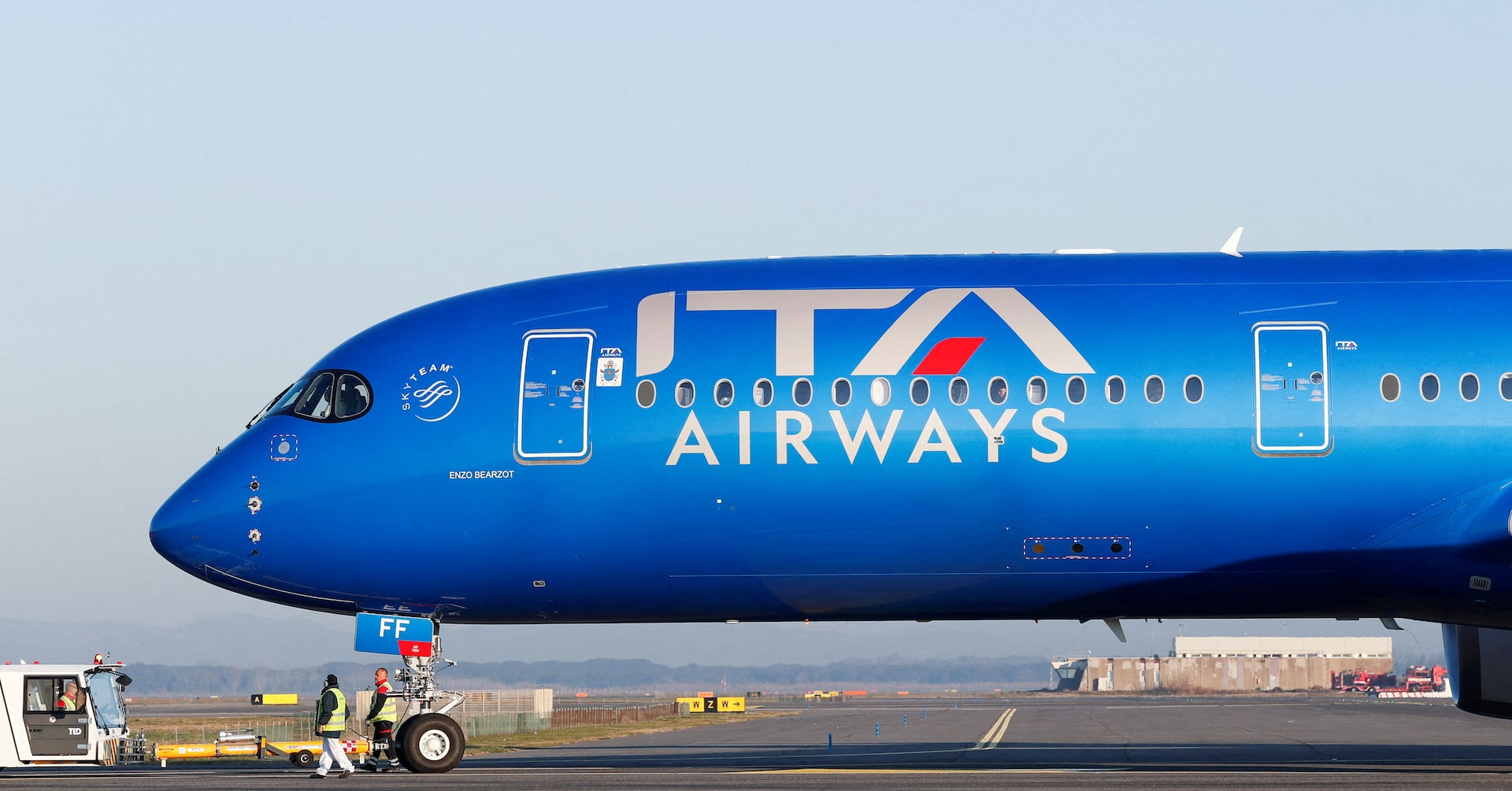
United Airlines Flight Attendants Ratify New Labor Contract
- Significant Pay Increase: The new contract for United Airlines flight attendants raises base pay by nearly one-third, specifically a 31% increase, which will substantially enhance the income levels of approximately 30,000 attendants, improving employee satisfaction and retention rates.
- Enhanced Compensation Structure: The agreement also includes boarding pay for the time passengers take to board, further improving the overall compensation framework for attendants, reflecting the company's recognition of their contributions and helping to elevate service quality.
- Historic Retroactive Pay: The contract includes up to $741 million in retroactive pay, ensuring that employees are compensated for income losses prior to the contract's effective date, which enhances economic security for staff and boosts team morale.
- Successful Mediation Outcome: The agreement was reached with the assistance of the National Mediation Board, marking an improvement in relations between United Airlines and its flight attendants, thus avoiding potential labor disputes and laying a foundation for future collaboration.
See More
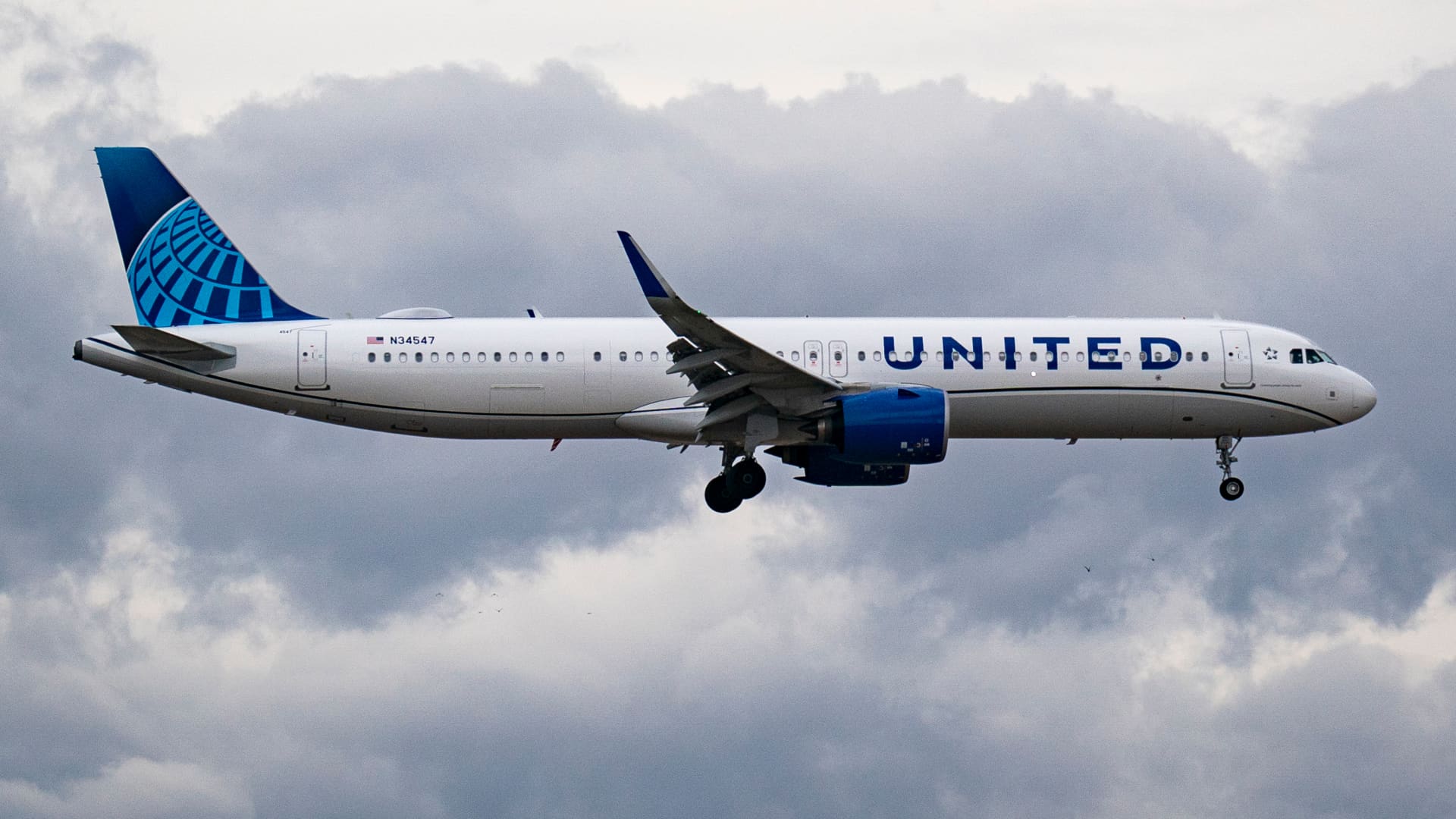
United Airlines Flight Attendants Approve New Labor Contract with Significant Raises
- Significant Pay Increase: United Airlines has reached a new labor contract with approximately 30,000 flight attendants that includes a 31% average raise in base pay, marking a crucial step in the industry's recovery as it is the last major carrier to finalize a deal post-COVID.
- Contract Approval: The contract received 82% approval from flight attendants, with nearly 90% participation in the vote, indicating strong support for the new agreement, particularly benefiting thousands of new hires since the pandemic.
- Compensation and Benefits Enhancements: The new contract features a compensation increase of approximately 7% to 8% and $741 million in back pay, alongside quality-of-life improvements such as boarding pay and restrictions on red-eye flights, aimed at enhancing the work-life balance of flight attendants.
- Industry Implications: This agreement not only provides United Airlines flight attendants with their first raise in nearly six years but may also influence negotiation strategies across other airlines, pushing the entire industry towards better labor conditions.
See More
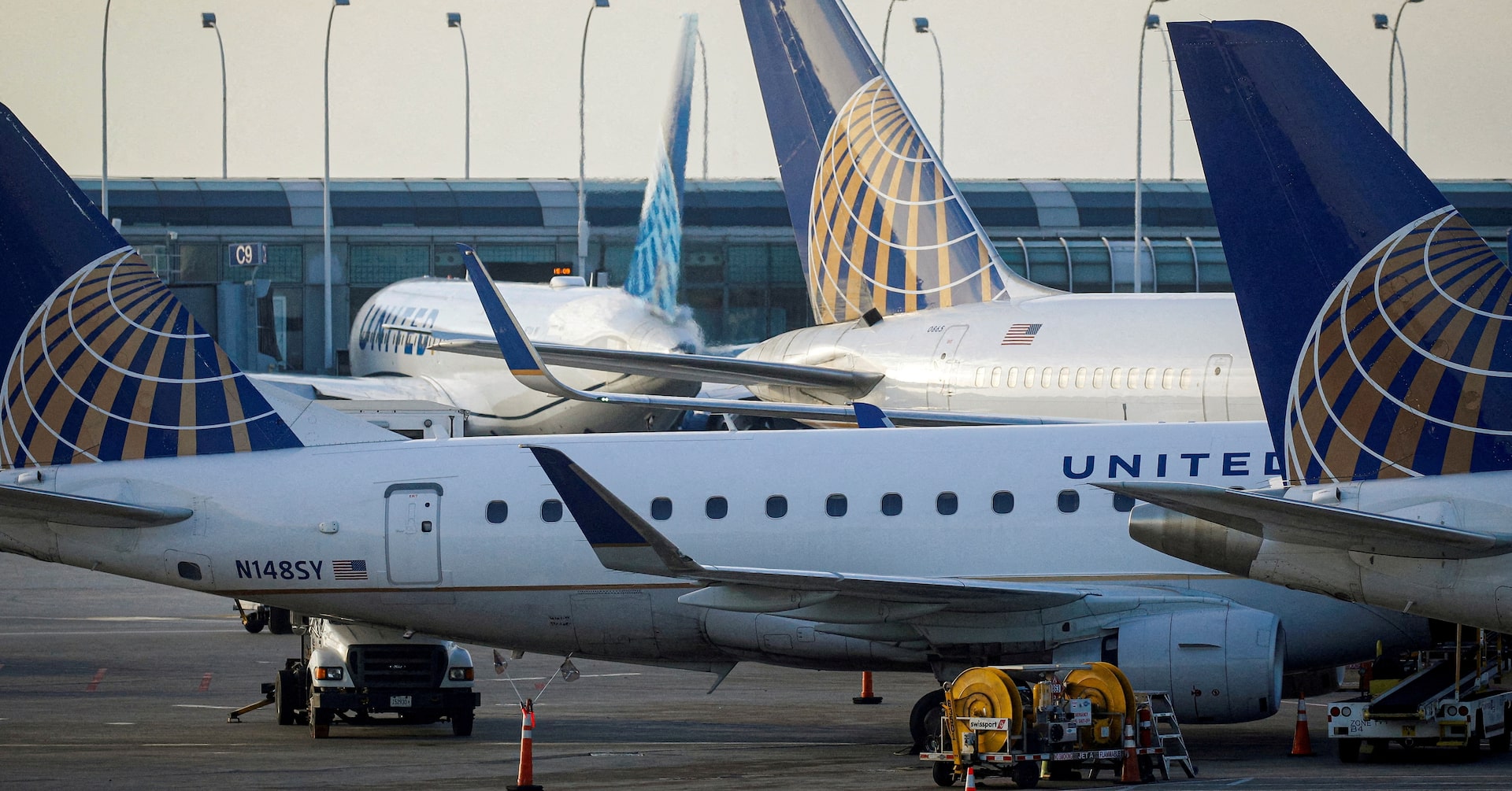
United Airlines Flight Attendants Ratify New Labor Contract with Significant Pay Raises
- Significant Pay Increase: United Airlines flight attendants will receive an average 31% raise in base pay by August, marking their first pay increase in nearly six years, which will greatly enhance the financial situation of approximately 30,000 crew members.
- High Approval Rate: The contract was approved by 82% of flight attendants, with nearly 90% voter turnout, indicating strong employee support for the new agreement, particularly benefiting new hires since the pandemic.
- Quality of Life Improvements: The new contract includes boarding pay and 'sit pay' for delays over 2.5 hours, along with restrictions on red-eye flights, aimed at enhancing working conditions and overall quality of life for flight attendants.
- Compensation and Back Pay: The agreement features a 7% to 8% increase in compensation and $741 million in back pay, reflecting the company's commitment to its employees and a positive outlook for future operations.
See More
US Stocks Rise Slightly, Led by Tech Gains

- Market Performance: The S&P 500 and Nasdaq 100 indices both reached all-time highs, rising 0.19% and 0.29% respectively, reflecting strong corporate earnings and optimism around artificial intelligence, although gains were limited by rising oil prices and bond yields.
- Middle East Impact: The failure of the US and Iran to reach a peace agreement led to an increase in global bond yields, with the 10-year T-note yield rising 5 basis points to 4.41%, raising concerns that sustained high energy prices could force central banks to tighten monetary policy.
- Chinese Trade Data: China's April exports rose 14.1% year-on-year, significantly exceeding expectations of 8.4%, while imports increased by 25.3%, indicating positive signals for global economic recovery that could benefit global markets.
- Earnings Reports: As of Monday, 83% of the 450 S&P 500 companies that reported earnings exceeded expectations, with Q1 earnings projected to grow 12% year-on-year, but only 3% when excluding the technology sector, highlighting disparities in profitability across industries.
See More

US Stocks Rise Slightly, Nasdaq Hits All-Time High

- Market Performance: The S&P 500 Index rose by 0.25% and the Nasdaq 100 Index increased by 0.17%, reaching all-time highs, reflecting strong corporate earnings and optimism around artificial intelligence, although rising oil prices and bond yields limited gains.
- Middle East Impact: The failure of the US and Iran to reach a peace agreement has led to rising global bond yields, with the 10-year T-note yield increasing by 3 basis points to 4.39%, raising concerns that elevated energy prices could force central banks to tighten monetary policy.
- Chinese Trade Data: China's April exports rose by 14.1% year-on-year and imports increased by 25.3%, both exceeding market expectations, indicating positive signals for global economic recovery that could benefit global markets.
- Earnings Reports: So far, 83% of the 446 S&P 500 companies that reported earnings have beaten estimates, with Q1 earnings projected to climb by 12% year-on-year, although excluding the technology sector, the growth is only 3%, marking the weakest performance in two years.
See More

U.S. Stocks Rise Slightly Amid Strong Corporate Earnings
- Market Performance: The S&P 500 rose by 0.17% and the Nasdaq 100 reached an all-time high, reflecting strong corporate earnings and optimism around AI, although rising oil prices and bond yields limited gains.
- Middle East Impact: The failure of the U.S. and Iran to reach a peace agreement has led to rising global bond yields, with the 10-year Treasury yield increasing to 4.39%, potentially forcing central banks to tighten monetary policy, which could affect market liquidity.
- Chinese Trade Data: China's April exports rose 14.1% year-on-year and imports increased by 25.3%, both exceeding market expectations, providing a positive signal for global economic growth and potentially boosting international investment sentiment.
- Corporate Earnings Situation: So far, 83% of the 446 S&P 500 companies have exceeded earnings expectations, with Q1 earnings projected to grow by 12% year-on-year, demonstrating corporate resilience in the economic recovery, although growth in the tech sector has slowed to 3%.
See More
United Airlines Flight Attendants Ratify New Labor Contract
- Significant Pay Increase: The new contract for United Airlines flight attendants raises base pay by nearly one-third, specifically a 31% increase, which will substantially enhance the income levels of approximately 30,000 attendants, improving employee satisfaction and retention rates.
- Enhanced Compensation Structure: The agreement also includes boarding pay for the time passengers take to board, further improving the overall compensation framework for attendants, reflecting the company's recognition of their contributions and helping to elevate service quality.
- Historic Retroactive Pay: The contract includes up to $741 million in retroactive pay, ensuring that employees are compensated for income losses prior to the contract's effective date, which enhances economic security for staff and boosts team morale.
- Successful Mediation Outcome: The agreement was reached with the assistance of the National Mediation Board, marking an improvement in relations between United Airlines and its flight attendants, thus avoiding potential labor disputes and laying a foundation for future collaboration.
See More
United Airlines Flight Attendants Approve New Labor Contract with Significant Raises
- Significant Pay Increase: United Airlines has reached a new labor contract with approximately 30,000 flight attendants that includes a 31% average raise in base pay, marking a crucial step in the industry's recovery as it is the last major carrier to finalize a deal post-COVID.
- Contract Approval: The contract received 82% approval from flight attendants, with nearly 90% participation in the vote, indicating strong support for the new agreement, particularly benefiting thousands of new hires since the pandemic.
- Compensation and Benefits Enhancements: The new contract features a compensation increase of approximately 7% to 8% and $741 million in back pay, alongside quality-of-life improvements such as boarding pay and restrictions on red-eye flights, aimed at enhancing the work-life balance of flight attendants.
- Industry Implications: This agreement not only provides United Airlines flight attendants with their first raise in nearly six years but may also influence negotiation strategies across other airlines, pushing the entire industry towards better labor conditions.
See More
United Airlines Flight Attendants Ratify New Labor Contract with Significant Pay Raises
- Significant Pay Increase: United Airlines flight attendants will receive an average 31% raise in base pay by August, marking their first pay increase in nearly six years, which will greatly enhance the financial situation of approximately 30,000 crew members.
- High Approval Rate: The contract was approved by 82% of flight attendants, with nearly 90% voter turnout, indicating strong employee support for the new agreement, particularly benefiting new hires since the pandemic.
- Quality of Life Improvements: The new contract includes boarding pay and 'sit pay' for delays over 2.5 hours, along with restrictions on red-eye flights, aimed at enhancing working conditions and overall quality of life for flight attendants.
- Compensation and Back Pay: The agreement features a 7% to 8% increase in compensation and $741 million in back pay, reflecting the company's commitment to its employees and a positive outlook for future operations.
See More
US Stocks Rise Slightly, Led by Tech Gains
- Market Performance: The S&P 500 and Nasdaq 100 indices both reached all-time highs, rising 0.19% and 0.29% respectively, reflecting strong corporate earnings and optimism around artificial intelligence, although gains were limited by rising oil prices and bond yields.
- Middle East Impact: The failure of the US and Iran to reach a peace agreement led to an increase in global bond yields, with the 10-year T-note yield rising 5 basis points to 4.41%, raising concerns that sustained high energy prices could force central banks to tighten monetary policy.
- Chinese Trade Data: China's April exports rose 14.1% year-on-year, significantly exceeding expectations of 8.4%, while imports increased by 25.3%, indicating positive signals for global economic recovery that could benefit global markets.
- Earnings Reports: As of Monday, 83% of the 450 S&P 500 companies that reported earnings exceeded expectations, with Q1 earnings projected to grow 12% year-on-year, but only 3% when excluding the technology sector, highlighting disparities in profitability across industries.
See More
US Stocks Rise Slightly, Nasdaq Hits All-Time High
- Market Performance: The S&P 500 Index rose by 0.25% and the Nasdaq 100 Index increased by 0.17%, reaching all-time highs, reflecting strong corporate earnings and optimism around artificial intelligence, although rising oil prices and bond yields limited gains.
- Middle East Impact: The failure of the US and Iran to reach a peace agreement has led to rising global bond yields, with the 10-year T-note yield increasing by 3 basis points to 4.39%, raising concerns that elevated energy prices could force central banks to tighten monetary policy.
- Chinese Trade Data: China's April exports rose by 14.1% year-on-year and imports increased by 25.3%, both exceeding market expectations, indicating positive signals for global economic recovery that could benefit global markets.
- Earnings Reports: So far, 83% of the 446 S&P 500 companies that reported earnings have beaten estimates, with Q1 earnings projected to climb by 12% year-on-year, although excluding the technology sector, the growth is only 3%, marking the weakest performance in two years.
See More
U.S. Stocks Rise Slightly Amid Strong Corporate Earnings
- Market Performance: The S&P 500 rose by 0.17% and the Nasdaq 100 reached an all-time high, reflecting strong corporate earnings and optimism around AI, although rising oil prices and bond yields limited gains.
- Middle East Impact: The failure of the U.S. and Iran to reach a peace agreement has led to rising global bond yields, with the 10-year Treasury yield increasing to 4.39%, potentially forcing central banks to tighten monetary policy, which could affect market liquidity.
- Chinese Trade Data: China's April exports rose 14.1% year-on-year and imports increased by 25.3%, both exceeding market expectations, providing a positive signal for global economic growth and potentially boosting international investment sentiment.
- Corporate Earnings Situation: So far, 83% of the 446 S&P 500 companies have exceeded earnings expectations, with Q1 earnings projected to grow by 12% year-on-year, demonstrating corporate resilience in the economic recovery, although growth in the tech sector has slowed to 3%.
See More