Under Armour Appoints New Executives to Drive Transformation
Written by Emily J. Thompson, Senior Investment Analyst
Updated: Jan 15 2026
0mins
Source: Newsfilter
Under Armour's stock rose by 5.05% as it crossed above the 5-day SMA, reflecting positive market conditions.
The company has appointed Kara Trent as Chief Merchandising Officer and Adam Peake as President of the Americas, aiming to enhance brand performance and accelerate omni-channel growth. These strategic executive changes are expected to strengthen Under Armour's market position and operational efficiency, driving sustainable growth.
These appointments signal a commitment to improving product strategies and market relevance, which could positively impact Under Armour's financial performance in the upcoming quarters.
Trade with 70% Backtested Accuracy
Stop guessing "Should I Buy UAA?" and start using high-conviction signals backed by rigorous historical data.
Sign up today to access powerful investing tools and make smarter, data-driven decisions.
Analyst Views on UAA
Wall Street analysts forecast UAA stock price to fall
19 Analyst Rating
4 Buy
12 Hold
3 Sell
Hold
Current: 5.700

Low
4.00
Averages
5.69
High
9.00
Current: 5.700
Low
4.00
Averages
5.69
High
9.00
About UAA
Under Armour, Inc. is an inventor, marketer and distributor of branded athletic performance apparel, footwear and accessories for men, women and youth. Its primary business operates in four geographic segments: North America, comprising the United States and Canada, Europe, the Middle East and Africa (EMEA), Asia-Pacific, and Latin America. Its apparel comes in three primary fit types: compression (tight fit), fitted (athletic fit) and loose (relaxed fit). Its footwear includes products for running, training, basketball, cleated sports, recovery and outdoor applications, as well as casual use. Its accessories primarily include athletic performance gloves, bags, headwear and socks. It sells its apparel, footwear and accessories in North America through wholesale and direct-to-consumer channels. It sells its apparel, footwear and accessories in EMEA primarily through wholesale customers and independent distributors, along with e-commerce Websites and brand and factory house stores.
About the author

Emily J. Thompson
Emily J. Thompson, a Chartered Financial Analyst (CFA) with 12 years in investment research, graduated with honors from the Wharton School. Specializing in industrial and technology stocks, she provides in-depth analysis for Intellectia’s earnings and market brief reports.

Prada Unveils Astronaut Inner Layer Garment
- Astronaut Garment Launch: Italian luxury brand Prada has unveiled an inner-layer garment for NASA astronauts in collaboration with Axiom Space, marking its significant entry into the space industry aimed at attracting affluent consumers considering space travel.
- Technological Innovation: The new garment features knitted ventilation tubes, enhancing astronaut comfort and functionality in space, showcasing Prada's capability in merging high fashion with technology.
- Market Strategy: Prada's space suit initiative aligns with NASA's Artemis 3 and Artemis 4 missions, set to launch in 2027 and 2028 respectively, further elevating the brand's avant-garde image and market influence.
- Industry Trend: Amid challenges in the luxury goods sector, Prada's partnership in space exploration not only demonstrates its innovative prowess but may also lead other luxury brands to explore opportunities in the space domain.
See More
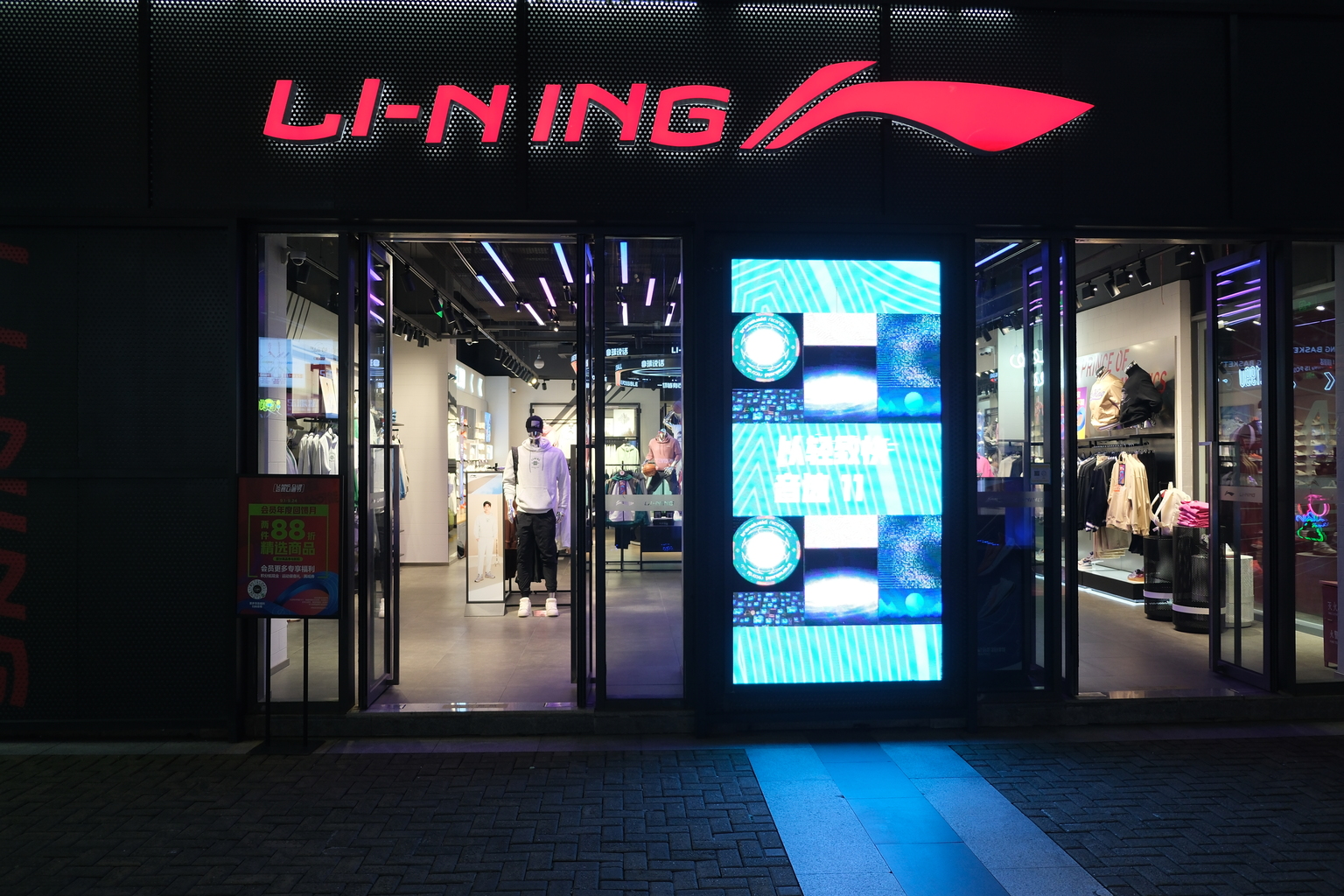
Stephen Curry Signs Long-Term Deal with Li Ning
- Brand Partnership Impact: NBA star Stephen Curry has signed a long-term shoe and apparel deal with Chinese sportswear brand Li Ning, which could disrupt the basketball shoe market for Nike and Adidas in China, while also affecting brands like Under Armour and Skechers.
- Market Expansion Potential: The partnership will focus on developing professional sports equipment across multiple categories, expected to help both the Curry brand and Li Ning expand globally in basketball, golf, and lifestyle sportswear, enhancing their market competitiveness.
- Athlete Perspective: Curry emphasized that Li Ning approaches its business from an athlete's perspective, aiming to inspire the next generation through high-quality and innovative products, highlighting that their collaboration will foster mutual growth for both brands.
- End of Historical Partnership: The 12-year association between Curry and Under Armour concluded at the end of 2025, and this new collaboration with Li Ning marks a significant shift in his career, potentially altering his positioning in the sports equipment market.
See More
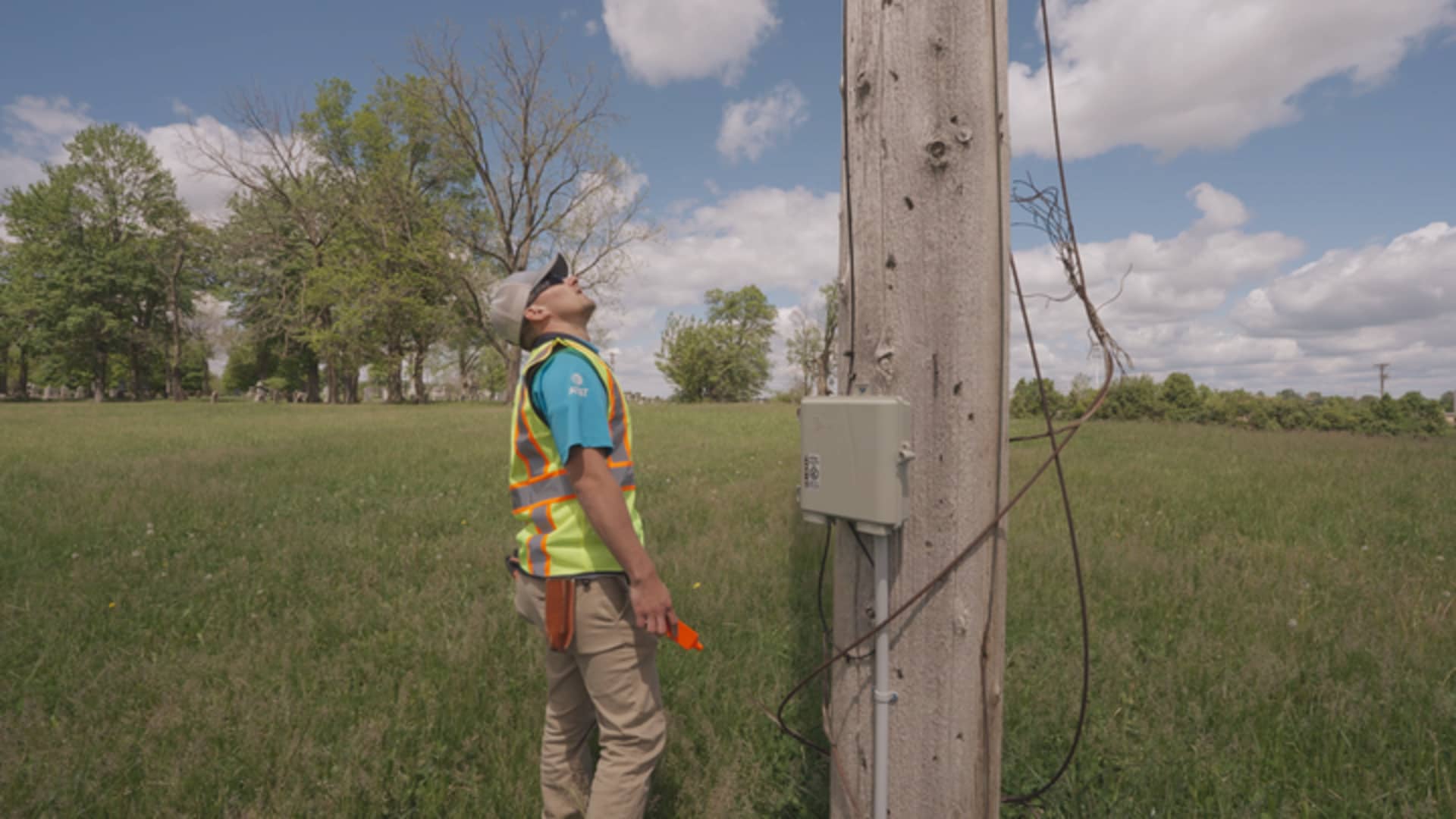
AT&T Faces Crisis in Finding Skilled Blue-Collar Workers


- Shortage of Blue-Collar Workers: AT&T CEO John Stankey highlighted the urgent need for skilled blue-collar workers knowledgeable in electricity and photonics, as the job prospects for college graduates diminish in the AI era, creating a recruitment challenge for the company.
- Investment and Hiring Plans: AT&T plans to invest $250 billion over the next five years, with approximately 15% allocated for hiring and training blue-collar technicians to meet the surging demand from AI data centers and increased network usage, indicating a strategic pivot towards blue-collar labor.
- Shifts in Industry Trends: The rise of AI poses a threat to many traditional white-collar jobs, leading to a slowdown in employment growth for new graduates, particularly in marketing, legal, and IT sectors, reflecting significant changes in the economic landscape.
- Salary and Benefits Competition: To attract skilled technicians, AT&T offers sign-on and retention bonuses of up to $10,000, with entry-level wages ranging from $18.18 to $31.45 per hour, showcasing the intense competition in recruiting blue-collar workers.
See More
Wall Street's Latest Ratings Overview

- Nvidia's Positive Outlook: Oppenheimer reiterates Nvidia as an outperform, projecting CY26 free cash flow to approach $200 billion, and if half is allocated for dividends, the yield could reach nearly 2.5%, which would bolster investor confidence and drive stock price appreciation.
- Apple's Strong Ecosystem: Daiwa raises Apple's price target from $310 to $325, emphasizing its vast ecosystem as a core strength, while acknowledging potential memory management challenges in 2H CY26, the long-term outlook remains favorable for this core holding.
- Positive Outlook for Housing Platform: UBS upgrades KE Holdings to buy from neutral, citing significant upside due to its agency business in tier 1 cities, particularly as the market recovery is led by the secondary market, positioning the company for strong performance.
- Wendy's Potential Privatization: Argus upgrades Wendy's to buy from neutral, driven by news of a potential move to take the restaurant chain private, with Trian Fund Management owning about 40% of the stock, indicating strong market confidence in this strategic shift.
See More

Under Armour Q4 Fiscal 2026 Earnings Call Insights
- Revenue Decline: Under Armour reported a 4% decline in Q4 fiscal 2026 revenue to $5 billion, primarily due to a 3% drop in wholesale revenue, despite a 5% increase in direct-to-consumer sales, reflecting consumer uncertainty and market pressures.
- Margin Pressure: The gross margin for Q4 decreased by 470 basis points year-over-year to 42%, with adjusted gross margin down 360 basis points to 43.1%, indicating significant external cost impacts, particularly from U.S. tariffs contributing 260 basis points of pressure.
- Future Outlook: Management anticipates a slight revenue decline in fiscal 2027, primarily due to the exit of the Curry brand, although gross margin is expected to expand by 220 to 270 basis points, reflecting strategic adjustments in product focus and brand value enhancement.
- Restructuring Plan: Under Armour is implementing a restructuring plan with an estimated total cost of approximately $305 million, expected to be substantially complete by December 31, aimed at enhancing operational efficiency through SKU reduction and a focus on premium products, despite ongoing market challenges.
See More
Significant Stock Movements for Vestis and Others


- Vestis Earnings Beat: Vestis surged over 30% after reporting fiscal Q2 results that exceeded expectations, along with an upward revision of its fiscal 2026 EBITDA outlook, indicating strong growth potential in the apparel sector.
- Zebra's Strong Performance: Zebra Technologies reported Q1 earnings of $4.75 per share, surpassing the $4.25 expected by analysts, with revenues of $1.5 billion, and Q2 guidance also exceeded estimates, highlighting ongoing growth in the automation sector.
- Ralliant's Earnings Surprise: Ralliant's adjusted Q1 earnings of 57 cents per share exceeded both company guidance and FactSet consensus of 49 cents, leading to a 14% stock increase, reflecting robust demand in the high-precision instruments market.
- Hub Group Financial Restatement: Hub Group's shares fell over 10% after announcing a restatement of its year-end 2023 and 2024 results, which may negatively impact investor confidence.
See More
Prada Unveils Astronaut Inner Layer Garment
- Astronaut Garment Launch: Italian luxury brand Prada has unveiled an inner-layer garment for NASA astronauts in collaboration with Axiom Space, marking its significant entry into the space industry aimed at attracting affluent consumers considering space travel.
- Technological Innovation: The new garment features knitted ventilation tubes, enhancing astronaut comfort and functionality in space, showcasing Prada's capability in merging high fashion with technology.
- Market Strategy: Prada's space suit initiative aligns with NASA's Artemis 3 and Artemis 4 missions, set to launch in 2027 and 2028 respectively, further elevating the brand's avant-garde image and market influence.
- Industry Trend: Amid challenges in the luxury goods sector, Prada's partnership in space exploration not only demonstrates its innovative prowess but may also lead other luxury brands to explore opportunities in the space domain.
See More
Stephen Curry Signs Long-Term Deal with Li Ning
- Brand Partnership Impact: NBA star Stephen Curry has signed a long-term shoe and apparel deal with Chinese sportswear brand Li Ning, which could disrupt the basketball shoe market for Nike and Adidas in China, while also affecting brands like Under Armour and Skechers.
- Market Expansion Potential: The partnership will focus on developing professional sports equipment across multiple categories, expected to help both the Curry brand and Li Ning expand globally in basketball, golf, and lifestyle sportswear, enhancing their market competitiveness.
- Athlete Perspective: Curry emphasized that Li Ning approaches its business from an athlete's perspective, aiming to inspire the next generation through high-quality and innovative products, highlighting that their collaboration will foster mutual growth for both brands.
- End of Historical Partnership: The 12-year association between Curry and Under Armour concluded at the end of 2025, and this new collaboration with Li Ning marks a significant shift in his career, potentially altering his positioning in the sports equipment market.
See More
AT&T Faces Crisis in Finding Skilled Blue-Collar Workers
- Shortage of Blue-Collar Workers: AT&T CEO John Stankey highlighted the urgent need for skilled blue-collar workers knowledgeable in electricity and photonics, as the job prospects for college graduates diminish in the AI era, creating a recruitment challenge for the company.
- Investment and Hiring Plans: AT&T plans to invest $250 billion over the next five years, with approximately 15% allocated for hiring and training blue-collar technicians to meet the surging demand from AI data centers and increased network usage, indicating a strategic pivot towards blue-collar labor.
- Shifts in Industry Trends: The rise of AI poses a threat to many traditional white-collar jobs, leading to a slowdown in employment growth for new graduates, particularly in marketing, legal, and IT sectors, reflecting significant changes in the economic landscape.
- Salary and Benefits Competition: To attract skilled technicians, AT&T offers sign-on and retention bonuses of up to $10,000, with entry-level wages ranging from $18.18 to $31.45 per hour, showcasing the intense competition in recruiting blue-collar workers.
See More
Wall Street's Latest Ratings Overview
- Nvidia's Positive Outlook: Oppenheimer reiterates Nvidia as an outperform, projecting CY26 free cash flow to approach $200 billion, and if half is allocated for dividends, the yield could reach nearly 2.5%, which would bolster investor confidence and drive stock price appreciation.
- Apple's Strong Ecosystem: Daiwa raises Apple's price target from $310 to $325, emphasizing its vast ecosystem as a core strength, while acknowledging potential memory management challenges in 2H CY26, the long-term outlook remains favorable for this core holding.
- Positive Outlook for Housing Platform: UBS upgrades KE Holdings to buy from neutral, citing significant upside due to its agency business in tier 1 cities, particularly as the market recovery is led by the secondary market, positioning the company for strong performance.
- Wendy's Potential Privatization: Argus upgrades Wendy's to buy from neutral, driven by news of a potential move to take the restaurant chain private, with Trian Fund Management owning about 40% of the stock, indicating strong market confidence in this strategic shift.
See More
Under Armour Q4 Fiscal 2026 Earnings Call Insights
- Revenue Decline: Under Armour reported a 4% decline in Q4 fiscal 2026 revenue to $5 billion, primarily due to a 3% drop in wholesale revenue, despite a 5% increase in direct-to-consumer sales, reflecting consumer uncertainty and market pressures.
- Margin Pressure: The gross margin for Q4 decreased by 470 basis points year-over-year to 42%, with adjusted gross margin down 360 basis points to 43.1%, indicating significant external cost impacts, particularly from U.S. tariffs contributing 260 basis points of pressure.
- Future Outlook: Management anticipates a slight revenue decline in fiscal 2027, primarily due to the exit of the Curry brand, although gross margin is expected to expand by 220 to 270 basis points, reflecting strategic adjustments in product focus and brand value enhancement.
- Restructuring Plan: Under Armour is implementing a restructuring plan with an estimated total cost of approximately $305 million, expected to be substantially complete by December 31, aimed at enhancing operational efficiency through SKU reduction and a focus on premium products, despite ongoing market challenges.
See More
Significant Stock Movements for Vestis and Others
- Vestis Earnings Beat: Vestis surged over 30% after reporting fiscal Q2 results that exceeded expectations, along with an upward revision of its fiscal 2026 EBITDA outlook, indicating strong growth potential in the apparel sector.
- Zebra's Strong Performance: Zebra Technologies reported Q1 earnings of $4.75 per share, surpassing the $4.25 expected by analysts, with revenues of $1.5 billion, and Q2 guidance also exceeded estimates, highlighting ongoing growth in the automation sector.
- Ralliant's Earnings Surprise: Ralliant's adjusted Q1 earnings of 57 cents per share exceeded both company guidance and FactSet consensus of 49 cents, leading to a 14% stock increase, reflecting robust demand in the high-precision instruments market.
- Hub Group Financial Restatement: Hub Group's shares fell over 10% after announcing a restatement of its year-end 2023 and 2024 results, which may negatively impact investor confidence.
See More