Uber Technologies Inc Hits 5-Day Low Amid Market Weakness
Written by Emily J. Thompson, Senior Investment Analyst
Updated: Feb 15 2026
0mins

Should l Buy UBER?
Source: NASDAQ.COM
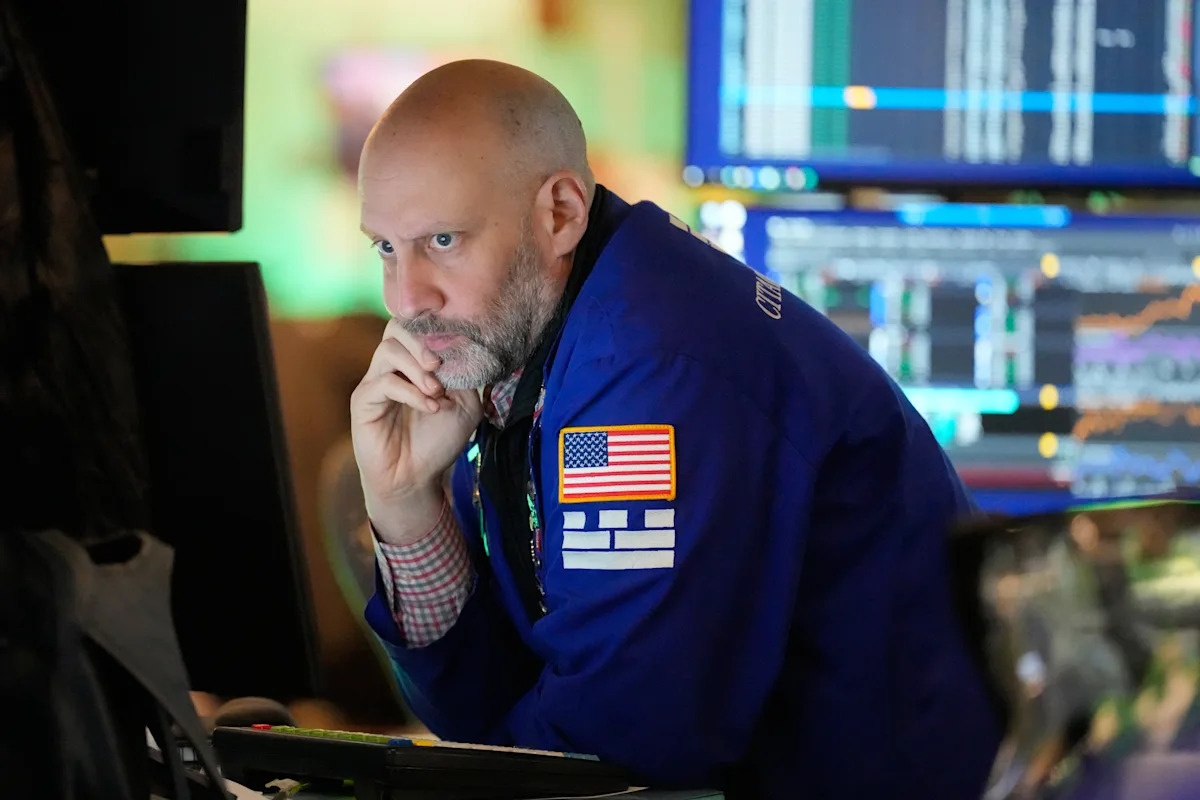
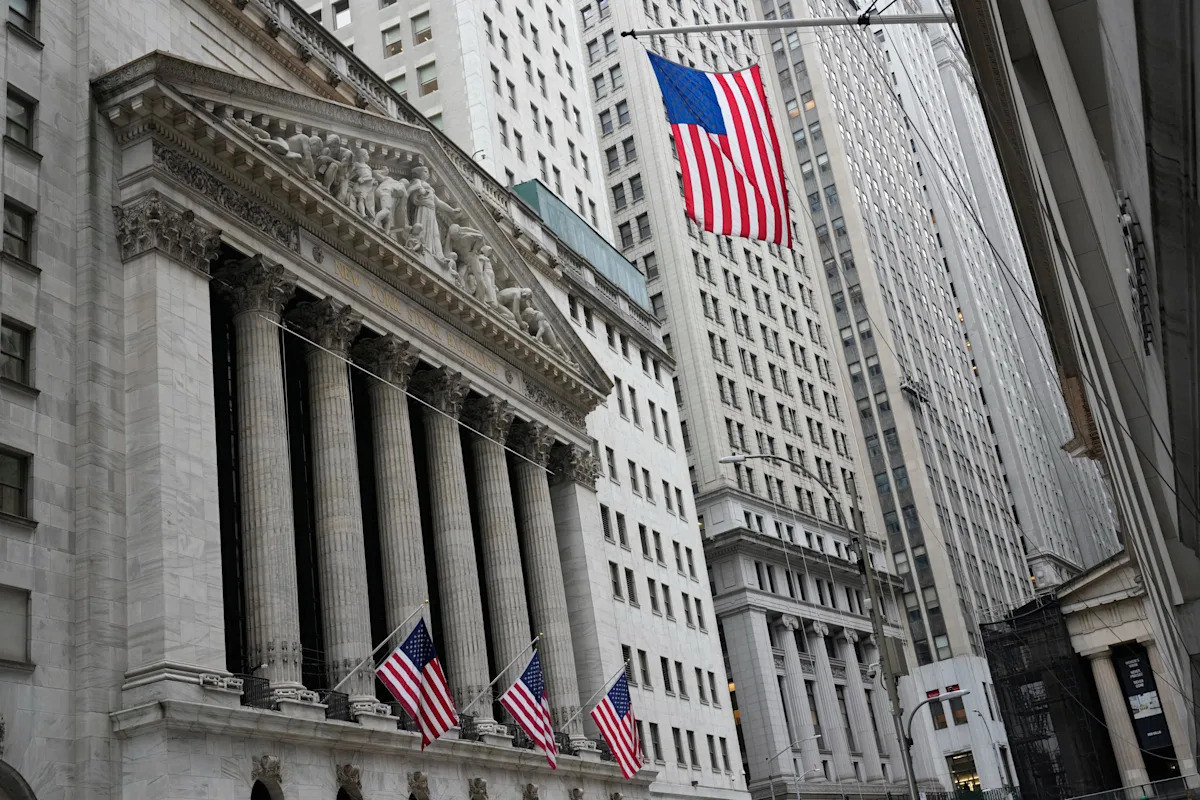
Uber Technologies Inc experienced a price decline of 5.02%, hitting a 5-day low as the Nasdaq-100 and S&P 500 indices also faced losses of 0.44% and 0.17%, respectively.
The broader market weakness has been attributed to ongoing concerns regarding the tech sector and consumer sentiment, which have negatively impacted investor confidence. This environment has led to a cautious approach among traders, affecting stocks like Uber.
As Uber navigates these challenges, the company continues to explore growth opportunities, including its recent expansion efforts and innovative service offerings. However, the current market conditions may require a strategic reassessment to maintain investor interest.
Trade with 70% Backtested Accuracy
Stop guessing "Should I Buy UBER?" and start using high-conviction signals backed by rigorous historical data.
Sign up today to access powerful investing tools and make smarter, data-driven decisions.
Analyst Views on UBER
Wall Street analysts forecast UBER stock price to rise
32 Analyst Rating
28 Buy
3 Hold
1 Sell
Strong Buy
Current: 75.130

Low
72.00
Averages
107.10
High
150.00
Current: 75.130
Low
72.00
Averages
107.10
High
150.00
About UBER
Uber Technologies, Inc. operates a technology platform that uses network and technology to power movement from point A to point B. It develops and operates technology applications supporting a variety of offerings on its platform (platform(s)). Its segments include Mobility, Delivery and Freight. Mobility products connect consumers with drivers who provide rides in a variety of vehicles, such as cars, auto rickshaws, motorbikes, minibuses, or taxis. Delivery offerings allow consumers to search for and discover local restaurants, order a meal, and either pick-up at the restaurant or have the meal delivered. In certain markets, the Delivery segment provides offerings for grocery, alcohol, and convenience store delivery as well as select other goods. The Freight segment connects carriers with shippers on its platform, and gives carriers upfront, pricing and the ability to book a shipment. The Freight segment also includes transportation management and other logistics service offerings.
About the author

Emily J. Thompson
Emily J. Thompson, a Chartered Financial Analyst (CFA) with 12 years in investment research, graduated with honors from the Wharton School. Specializing in industrial and technology stocks, she provides in-depth analysis for Intellectia’s earnings and market brief reports.
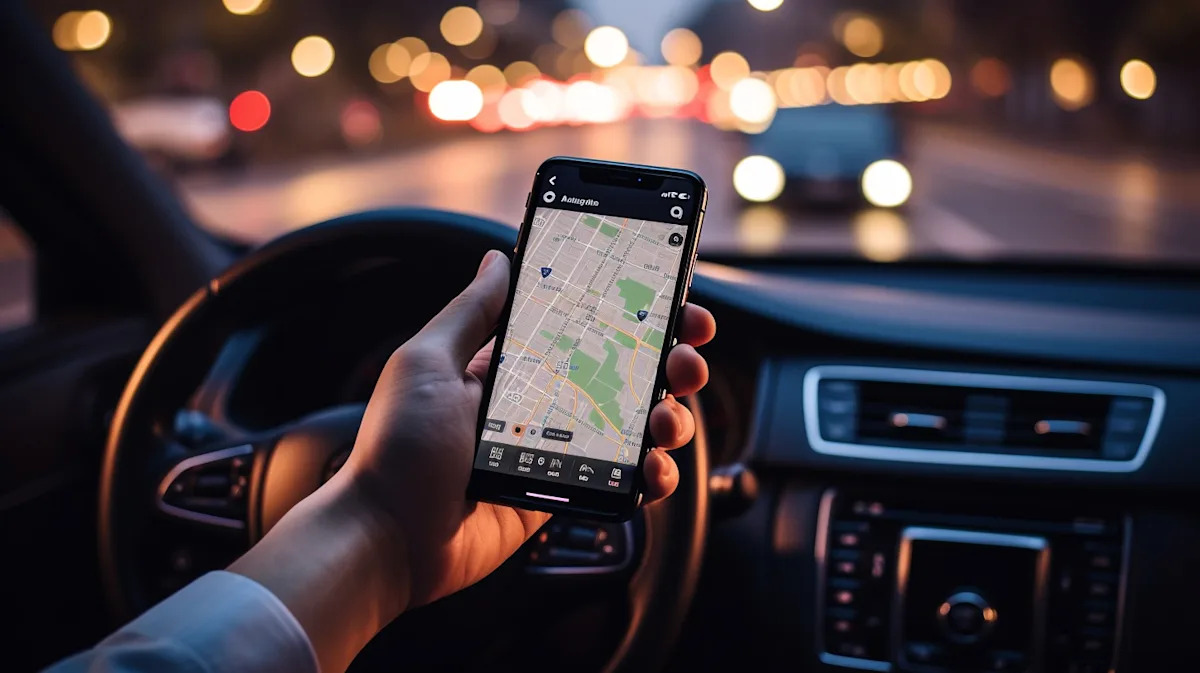
Billionaire Bill Ackman Includes Uber in Top Stock Picks
- Portfolio Highlight: Billionaire Bill Ackman includes Uber in his top stock picks, representing 15.90% of total holdings, indicating strong confidence in the company and likely attracting more investor attention.
- Financial Performance: As of Q4 2025, Pershing Square held over 30.21 million shares of Uber, valued at approximately $2.47 billion, showing a slight reduction in stake but still reflecting confidence in Uber's future growth.
- Growth Potential: Uber achieved 20% constant-currency bookings growth and 13.6 billion annual trips in 2025, with a 50% rise in operating profit, indicating strong market performance and profitability.
- Strategic Vision: At the Morgan Stanley conference, CFO Balaji Krishnamurthy outlined Uber's strategic pillars, including reinvestment in core business and spending on autonomous vehicle technology, demonstrating a clear roadmap for future development.
See More
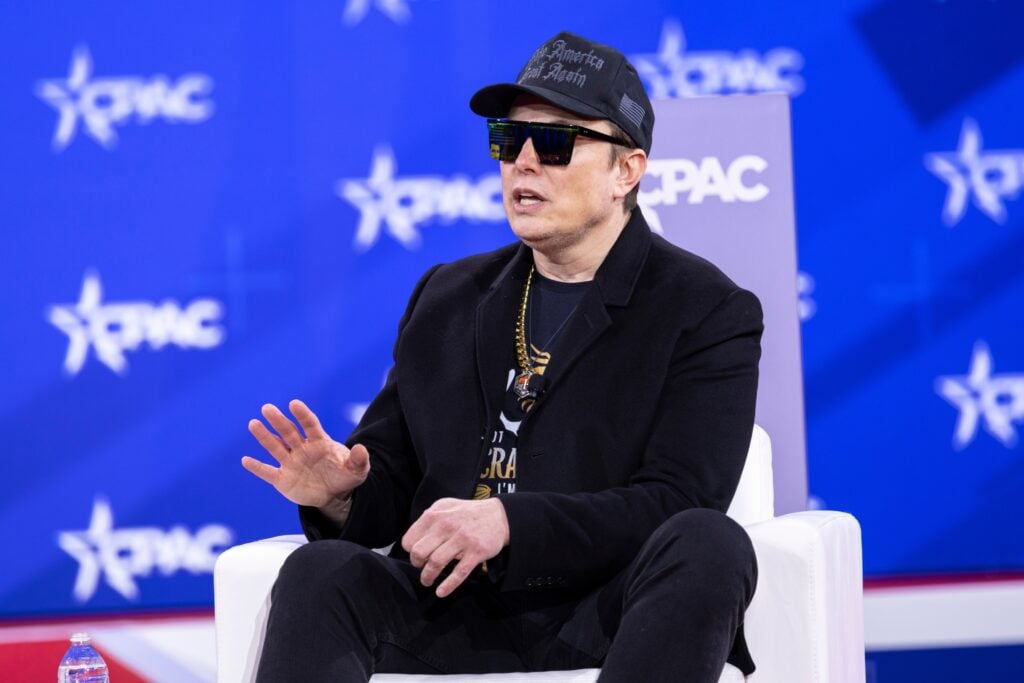
The Boring Company Demonstrates Strength at CONEXPO
- Surge in Passenger Usage: At the recent CONEXPO-CON/AGG construction trade show, The Boring Company served approximately 82,000 passengers on its Las Vegas Loop, highlighting its potential as a solution to traffic congestion, especially given the total attendance of 140,000.
- Airport Expansion Plans: The company plans to complete an expansion of the Vegas Loop this year, adding service from Harry Reid International Airport to downtown Las Vegas, which is expected to accommodate 20,000 passengers per hour, significantly enhancing transportation efficiency between the airport and the city.
- Competitive Pricing Advantage: The anticipated fare from the airport to downtown is $12, while rides to the Las Vegas Convention Center will cost $10, representing a 50% to 80% reduction compared to average prices from ride-sharing companies like Uber, likely attracting a substantial number of passengers to The Boring Company's services.
- Market Share Potential: As The Boring Company expands its underground transportation offerings, it is expected to impact the market share of Uber and other ride-sharing companies in the airport transportation sector, further solidifying its strategic position in future transportation solutions.
See More

Trump Administration Blacklists Anthropic, Shocking Washington Officials

- Blacklist Shock: The Trump administration's decision to blacklist Anthropic has shocked Washington officials, as the company's AI models were favored by the Department of Defense for their superior performance, leaving the military without a key technology vendor for sensitive operations.
- Contractual Risks: Designated as a supply chain risk, Anthropic must ensure defense contractors do not use its models, a label typically reserved for foreign adversaries, potentially jeopardizing hundreds of millions in contracts and imposing significant financial pressure on the company.
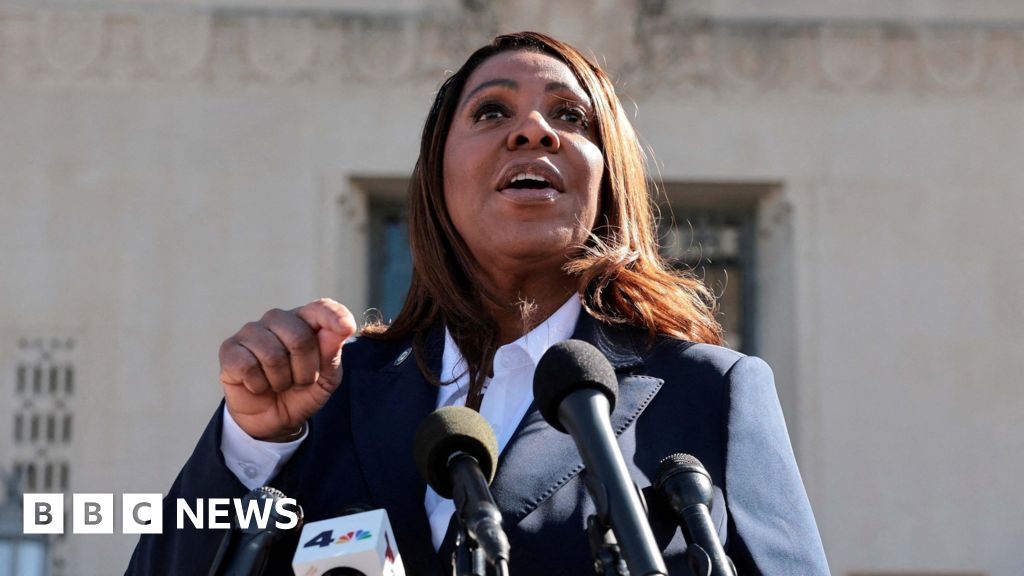
- Legal Challenge: Anthropic has filed a lawsuit against the Trump administration, claiming the government's actions are 'unprecedented and unlawful' and asserting that they are causing irreparable harm, which could impact its market position in the defense sector.
- Technological Dependency: Despite being blacklisted, Anthropic's Claude models are still widely used across various government agencies, and the transition to new vendors is complicated and time-consuming, which may lead to decreased efficiency for the Department of Defense during critical military operations.
See More

Anthropic Faces Pentagon Ban Amid Controversy


- Pentagon Ban: The Department of Defense has designated Anthropic as a supply chain risk, prohibiting its technology from use in sensitive military environments, jeopardizing hundreds of millions in contracts and straining its relationship with the Pentagon.
- Legal Challenge: Anthropic has filed a lawsuit against the Trump administration, claiming the ban is 'unprecedented and unlawful' and asserting that it causes irreparable harm to the company, potentially threatening its future business prospects.
- Technological Dependence: Despite the shocking decision, many officials view Anthropic's AI models as superior for military applications, particularly in their integration with existing contractors like Palantir, highlighting a significant reliance on this technology.
- Market Pressure: Since its founding in 2021, Anthropic has raised billions, achieving a valuation of $380 billion, but faces intense competition from rivals like OpenAI, forcing it to accelerate commercialization efforts to maintain its market position.
See More
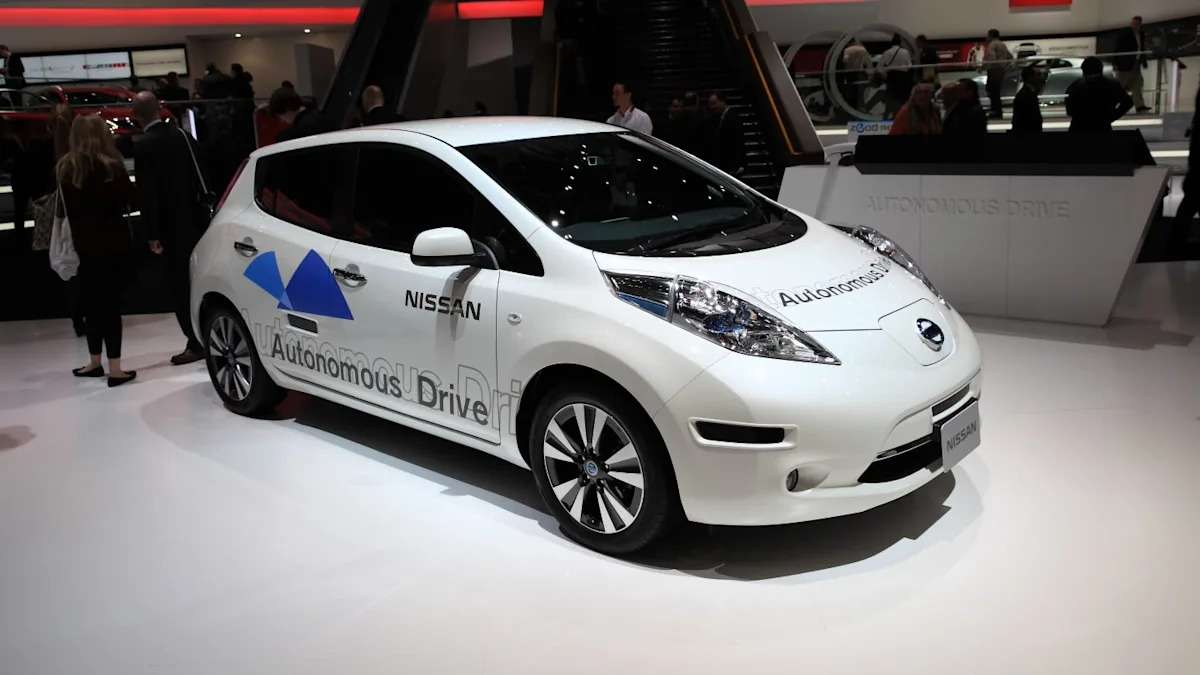
Nissan and Uber Near Agreement for Autonomous Ride-Hailing
- Global Partnership Agreement: Nissan is nearing an agreement with Uber to deploy autonomous ride-hailing services globally, which will enhance Nissan's competitiveness in the future mobility market.
- Technology Development Collaboration: Nissan is partnering with UK startup Wayve Technologies to develop self-driving systems for future ride-hailing fleets, with plans to launch production vehicles equipped with hands-free driving capabilities for urban environments in fiscal 2027.
- Funding Support: Wayve recently secured $1.2 billion in Series D funding, achieving a post-money valuation of $8.6 billion, with additional milestone-based capital commitments from Uber, bringing the total funding to $1.5 billion, providing robust support for technology development.
- Market Sales Status: Nissan reported global sales of 272,782 vehicles in January 2026, with a decline of 11% in Japan to 35,287 units, while overseas sales rose by 2.8% to 217,316 units, indicating Nissan's potential in the global market.
See More
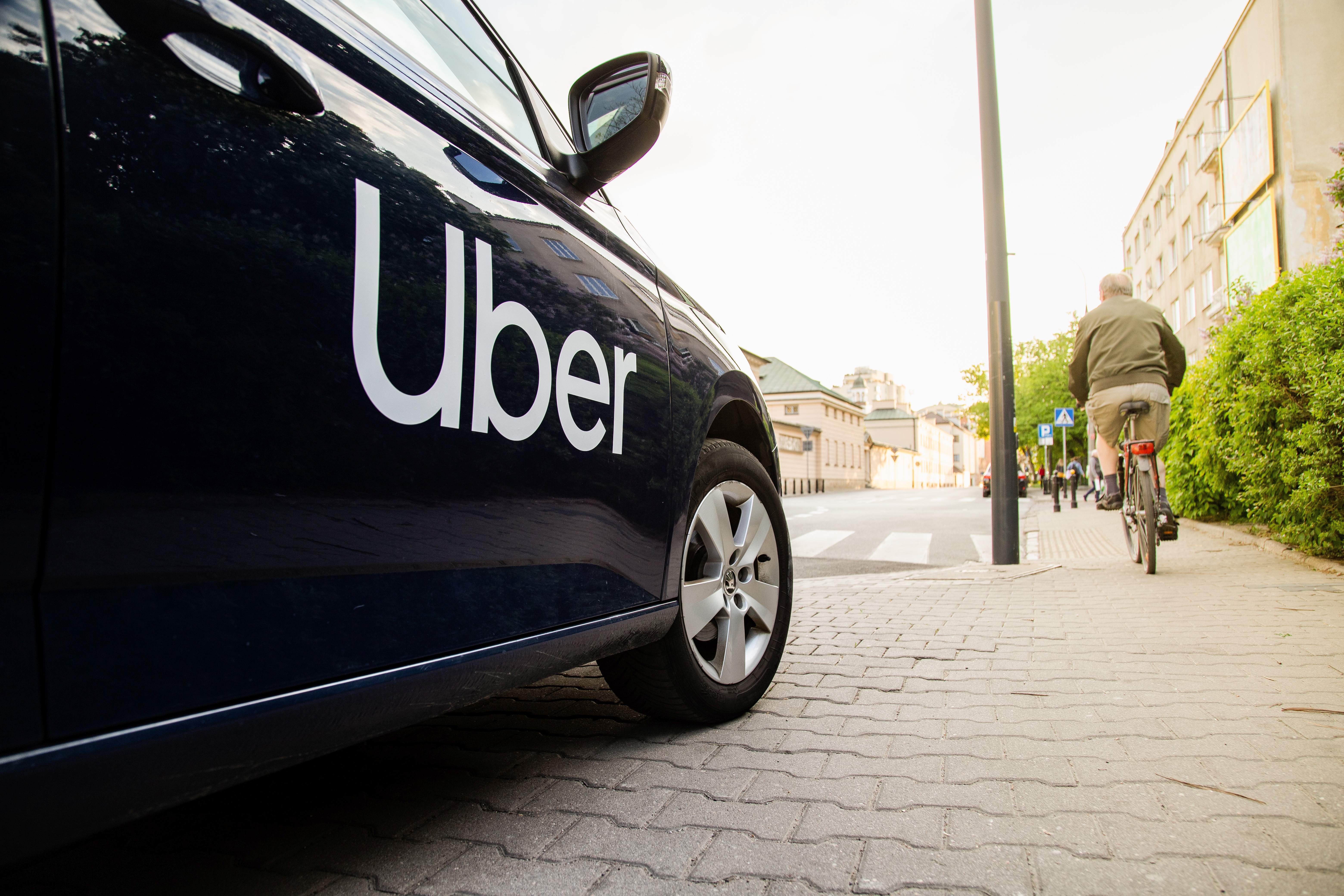
Uber Launches Nationwide Female-Only Rider-Driver Matching Service
- Safety Enhancement: Uber is launching a female-only rider-driver matching service across the U.S. to address thousands of sexual assault complaints, aiming to enhance passenger safety by providing an option for female drivers.
- Market Coverage: This service will be available in markets like New York, Philadelphia, and Washington, D.C., following a pilot in over two dozen cities last year, demonstrating Uber's commitment to addressing the needs of female passengers.
- Booking Convenience: Riders can set preferences in the app to choose the 'Women Drivers' option and book trips in advance, thereby increasing the likelihood of being matched with a female driver, which enhances the overall user experience.
- Teen Account Applicability: The feature is also available in cities where teen accounts are offered, indicating Uber's focus on expanding service offerings while addressing safety concerns for young female passengers.
See More
Billionaire Bill Ackman Includes Uber in Top Stock Picks
- Portfolio Highlight: Billionaire Bill Ackman includes Uber in his top stock picks, representing 15.90% of total holdings, indicating strong confidence in the company and likely attracting more investor attention.
- Financial Performance: As of Q4 2025, Pershing Square held over 30.21 million shares of Uber, valued at approximately $2.47 billion, showing a slight reduction in stake but still reflecting confidence in Uber's future growth.
- Growth Potential: Uber achieved 20% constant-currency bookings growth and 13.6 billion annual trips in 2025, with a 50% rise in operating profit, indicating strong market performance and profitability.
- Strategic Vision: At the Morgan Stanley conference, CFO Balaji Krishnamurthy outlined Uber's strategic pillars, including reinvestment in core business and spending on autonomous vehicle technology, demonstrating a clear roadmap for future development.
See More
The Boring Company Demonstrates Strength at CONEXPO
- Surge in Passenger Usage: At the recent CONEXPO-CON/AGG construction trade show, The Boring Company served approximately 82,000 passengers on its Las Vegas Loop, highlighting its potential as a solution to traffic congestion, especially given the total attendance of 140,000.
- Airport Expansion Plans: The company plans to complete an expansion of the Vegas Loop this year, adding service from Harry Reid International Airport to downtown Las Vegas, which is expected to accommodate 20,000 passengers per hour, significantly enhancing transportation efficiency between the airport and the city.
- Competitive Pricing Advantage: The anticipated fare from the airport to downtown is $12, while rides to the Las Vegas Convention Center will cost $10, representing a 50% to 80% reduction compared to average prices from ride-sharing companies like Uber, likely attracting a substantial number of passengers to The Boring Company's services.
- Market Share Potential: As The Boring Company expands its underground transportation offerings, it is expected to impact the market share of Uber and other ride-sharing companies in the airport transportation sector, further solidifying its strategic position in future transportation solutions.
See More
Trump Administration Blacklists Anthropic, Shocking Washington Officials
- Blacklist Shock: The Trump administration's decision to blacklist Anthropic has shocked Washington officials, as the company's AI models were favored by the Department of Defense for their superior performance, leaving the military without a key technology vendor for sensitive operations.
- Contractual Risks: Designated as a supply chain risk, Anthropic must ensure defense contractors do not use its models, a label typically reserved for foreign adversaries, potentially jeopardizing hundreds of millions in contracts and imposing significant financial pressure on the company.
- Legal Challenge: Anthropic has filed a lawsuit against the Trump administration, claiming the government's actions are 'unprecedented and unlawful' and asserting that they are causing irreparable harm, which could impact its market position in the defense sector.
- Technological Dependency: Despite being blacklisted, Anthropic's Claude models are still widely used across various government agencies, and the transition to new vendors is complicated and time-consuming, which may lead to decreased efficiency for the Department of Defense during critical military operations.
See More
Anthropic Faces Pentagon Ban Amid Controversy
- Pentagon Ban: The Department of Defense has designated Anthropic as a supply chain risk, prohibiting its technology from use in sensitive military environments, jeopardizing hundreds of millions in contracts and straining its relationship with the Pentagon.
- Legal Challenge: Anthropic has filed a lawsuit against the Trump administration, claiming the ban is 'unprecedented and unlawful' and asserting that it causes irreparable harm to the company, potentially threatening its future business prospects.
- Technological Dependence: Despite the shocking decision, many officials view Anthropic's AI models as superior for military applications, particularly in their integration with existing contractors like Palantir, highlighting a significant reliance on this technology.
- Market Pressure: Since its founding in 2021, Anthropic has raised billions, achieving a valuation of $380 billion, but faces intense competition from rivals like OpenAI, forcing it to accelerate commercialization efforts to maintain its market position.
See More
Nissan and Uber Near Agreement for Autonomous Ride-Hailing
- Global Partnership Agreement: Nissan is nearing an agreement with Uber to deploy autonomous ride-hailing services globally, which will enhance Nissan's competitiveness in the future mobility market.
- Technology Development Collaboration: Nissan is partnering with UK startup Wayve Technologies to develop self-driving systems for future ride-hailing fleets, with plans to launch production vehicles equipped with hands-free driving capabilities for urban environments in fiscal 2027.
- Funding Support: Wayve recently secured $1.2 billion in Series D funding, achieving a post-money valuation of $8.6 billion, with additional milestone-based capital commitments from Uber, bringing the total funding to $1.5 billion, providing robust support for technology development.
- Market Sales Status: Nissan reported global sales of 272,782 vehicles in January 2026, with a decline of 11% in Japan to 35,287 units, while overseas sales rose by 2.8% to 217,316 units, indicating Nissan's potential in the global market.
See More
Uber Launches Nationwide Female-Only Rider-Driver Matching Service
- Safety Enhancement: Uber is launching a female-only rider-driver matching service across the U.S. to address thousands of sexual assault complaints, aiming to enhance passenger safety by providing an option for female drivers.
- Market Coverage: This service will be available in markets like New York, Philadelphia, and Washington, D.C., following a pilot in over two dozen cities last year, demonstrating Uber's commitment to addressing the needs of female passengers.
- Booking Convenience: Riders can set preferences in the app to choose the 'Women Drivers' option and book trips in advance, thereby increasing the likelihood of being matched with a female driver, which enhances the overall user experience.
- Teen Account Applicability: The feature is also available in cities where teen accounts are offered, indicating Uber's focus on expanding service offerings while addressing safety concerns for young female passengers.
See More