Tyson Foods Appoints New CEO Amid Market Challenges
Tyson Foods' stock fell 3.00% as it hit a 20-day low, reflecting investor concerns amid ongoing market challenges.
The company announced the appointment of Jeff Schomburger as the new CEO, succeeding Donnie King, who has led the company through various challenges. Schomburger's extensive experience is expected to drive transformation and strategic growth. Despite the leadership change, Tyson Foods reaffirmed its full-year income forecast, indicating confidence in future performance, although the stock experienced a decline amid market uncertainty.
The leadership transition comes at a critical time for Tyson Foods, as it navigates a volatile market landscape. Investors are keen to see how Schomburger's strategies will unfold and impact the company's performance moving forward.
Trade with 70% Backtested Accuracy
Analyst Views on TSN

About TSN
About the author

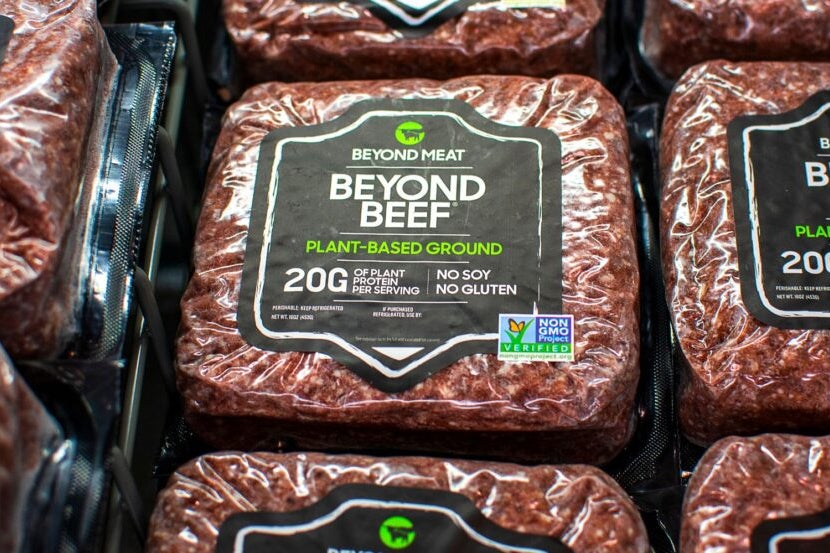
Analysis of Beyond Meat's Stock Price Collapse


- Revenue Decline: Beyond Meat's revenue has plummeted from $465 million in 2021 to $276 million in 2025, indicating four consecutive years of no growth, which reflects a challenging market environment with declining demand and increased competition.
- Gross Margin Erosion: The company's aggressive markdowns to liquidate inventory have led to a drastic reduction in gross margin from 25.2% in 2021 to 2.8% in 2025, severely impacting profitability and exacerbating its financial struggles.
- Strategic Transformation Challenges: Beyond Meat aims to rebrand itself with new products like
U.S. Consumer Sentiment Rises Amid Energy Price Easing


- Consumer Sentiment Improvement: The University of Michigan's preliminary consumer sentiment index rose to 48.9 in June from a record low of 44.8 in May, indicating cautious optimism among consumers despite being the second-lowest level since the 1970s, reflecting lingering economic concerns.
- Energy Price Impact: A significant drop in oil prices, with U.S. crude down 3.4% to $84.76 per barrel, driven by optimism over a potential U.S.-Iran deal, served as a primary catalyst for the sentiment increase, particularly benefiting middle and lower-income households who are more sensitive to fuel costs.
- Strong Retail Spending: The rise in consumer morale aligns with data showing U.S. retail sales increased in May, driven by e-commerce growth, suggesting that household demand remains robust despite high borrowing costs and uneven inflation, as reported by the National Retail Federation.
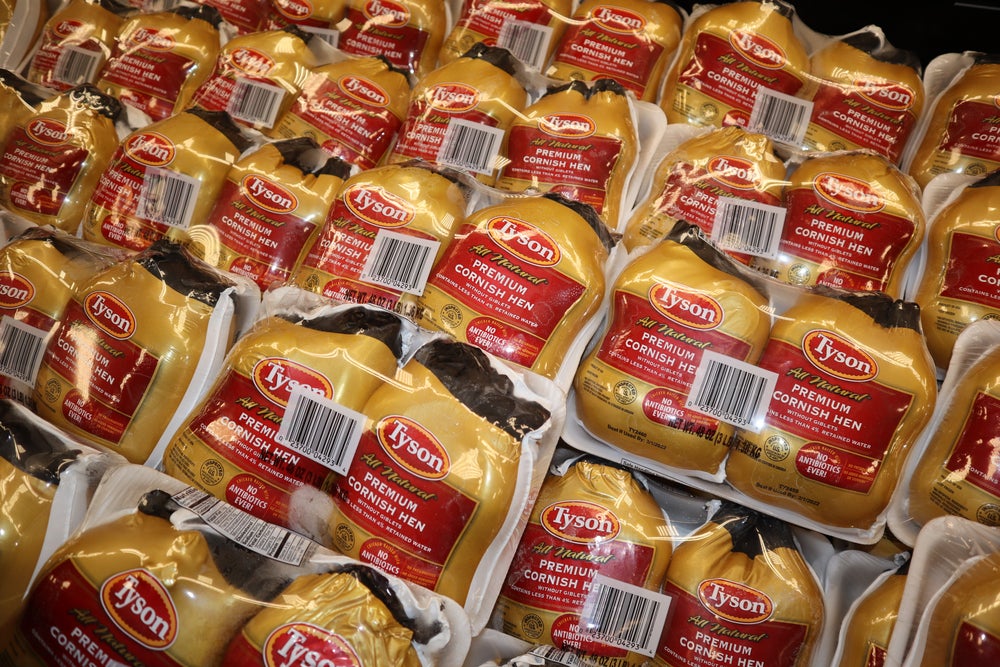
- Divergent Stock Performance: Consumer staples stocks like Tyson Foods and Philip Morris saw slight gains, while consumer discretionary stocks faced pressure, with the Consumer Staples Select Sector SPDR Fund (XLP) rising about 0.1% and the consumer discretionary ETF (XLY) slipping 0.7%, indicating varying market confidence across sectors.

SpaceX IPO Set to Break Records with $75 Billion Valuation

- SpaceX IPO Expectations: SpaceX is set to go public on Friday with a valuation of $75 billion, marking the largest IPO in history, which is expected to inject significant capital into the market, thereby boosting investor confidence and driving growth in related sectors.
- IPO Market Dynamics: So far in 2023, 71 companies have gone public, raising nearly $36 billion, indicating strong demand for emerging enterprises, and SpaceX's IPO is likely to intensify this trend, attracting more investor interest in the tech sector.
- ARK Fund Performance: The ARK Venture Fund holds approximately 11% of SpaceX, with a 4% increase over the past month and over 70% year-to-date, reflecting strong market confidence in SpaceX's growth potential, which may attract more institutional investors.
- Related Stock Performance: Several space-related stocks, such as Iridium Communications and Virgin Galactic, have surged over 100% and 96% in the past three months, respectively, demonstrating investor enthusiasm for the space industry, and SpaceX's IPO is expected to further fuel this investment frenzy.
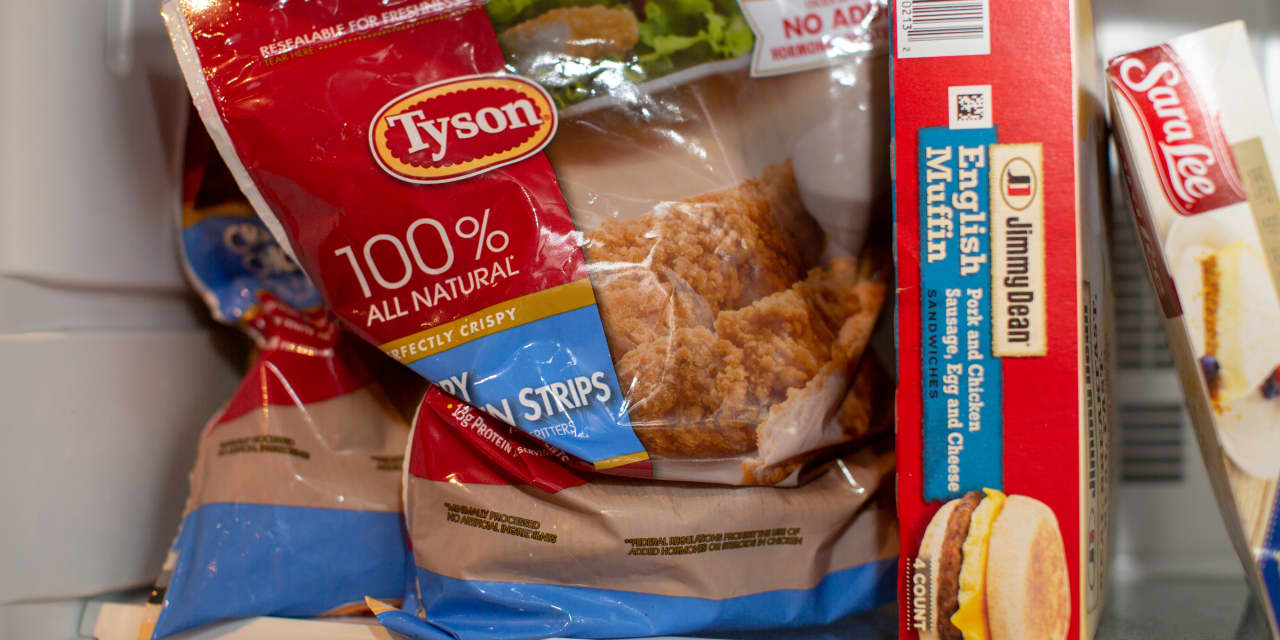
New World Screwworm Invasion Exacerbates Rising Beef Prices

- Beef Price Surge: The invasion of the New World screwworm has led to a 12.9% year-over-year increase in beef prices, despite a 1.27% decline in May, indicating a persistent upward trend that adds economic pressure on consumers.
- Supply Chain Crisis: The U.S. cattle herd has reached a 75-year low, and the arrival of the screwworm further disrupts ranchers' expansion plans, leading to tight beef supplies and anticipated price increases that will affect consumer purchasing power.
- Increased Demand for Substitutes: Consumers are turning to cheaper meat alternatives like chicken and pork in response to rising beef prices, and while beef demand remains at a 40-year high, this substitution trend may intensify as prices continue to rise.
- Significant Economic Impact: Cattle ranchers face additional labor and veterinary costs, which are expected to significantly impact producers' profits, ultimately passing these costs onto consumers and potentially leading to further increases in grocery beef prices.
Tyson Foods Appoints New COO Wes Morris Amid Leadership Changes
- Executive Appointment: Tyson Foods has appointed Wes Morris as Chief Operating Officer, effective June 15, bringing over 20 years of experience within the company, where he will oversee multiple business segments including Chicken, Beef, Pork, Prepared Foods, and International.
- Leadership Transition: The appointment of Morris follows the retirement of Devin Cole, indicating a further adjustment in the executive team, as Morris previously served as president of Prepared Foods and Poultry, showcasing his extensive industry experience.
- Market Reaction: Despite the leadership changes, Tyson Foods' stock fell by 0.72% to $58.31 in the latest trading session, reflecting a cautious market response to the new COO's appointment.
- Future Outlook: Morris's appointment aligns with Jeff Schomburger's recent selection as the new CEO, indicating that the company is making strategic personnel adjustments to ensure long-term growth in the face of market challenges.
US Stocks Plunge Sharply, Tech Sector Under Pressure


- Market Decline: The S&P 500 fell 2.64% and the Nasdaq 100 dropped 4.77%, indicating a significant loss of investor confidence in tech stocks, particularly as AI infrastructure and semiconductor companies faced sell-offs, which could impact future investment strategies.
- Strong Employment Data: US nonfarm payrolls rose by 172,000 in May, significantly exceeding expectations of 88,000, while the unemployment rate held steady at 4.3%, potentially prompting the Fed to consider a rate hike at the upcoming meeting, thereby affecting market liquidity and investor sentiment.
- Rising Bond Yields: The 10-year Treasury yield climbed to 4.55%, a two-week high, reflecting heightened expectations for future rate hikes, which may lead to capital outflows from the stock market, further exacerbating market volatility.
- Tech Stock Retreat: Following Broadcom's disappointing chip sales outlook, Marvell and Micron stocks plummeted over 16% and 13%, respectively, suggesting that the market's overly optimistic sentiment towards tech stocks may be correcting, impacting investor confidence.
Analysis of Beyond Meat's Stock Price Collapse
- Revenue Decline: Beyond Meat's revenue has plummeted from $465 million in 2021 to $276 million in 2025, indicating four consecutive years of no growth, which reflects a challenging market environment with declining demand and increased competition.
- Gross Margin Erosion: The company's aggressive markdowns to liquidate inventory have led to a drastic reduction in gross margin from 25.2% in 2021 to 2.8% in 2025, severely impacting profitability and exacerbating its financial struggles.
- Strategic Transformation Challenges: Beyond Meat aims to rebrand itself with new products like
U.S. Consumer Sentiment Rises Amid Energy Price Easing
- Consumer Sentiment Improvement: The University of Michigan's preliminary consumer sentiment index rose to 48.9 in June from a record low of 44.8 in May, indicating cautious optimism among consumers despite being the second-lowest level since the 1970s, reflecting lingering economic concerns.
- Energy Price Impact: A significant drop in oil prices, with U.S. crude down 3.4% to $84.76 per barrel, driven by optimism over a potential U.S.-Iran deal, served as a primary catalyst for the sentiment increase, particularly benefiting middle and lower-income households who are more sensitive to fuel costs.
- Strong Retail Spending: The rise in consumer morale aligns with data showing U.S. retail sales increased in May, driven by e-commerce growth, suggesting that household demand remains robust despite high borrowing costs and uneven inflation, as reported by the National Retail Federation.
- Divergent Stock Performance: Consumer staples stocks like Tyson Foods and Philip Morris saw slight gains, while consumer discretionary stocks faced pressure, with the Consumer Staples Select Sector SPDR Fund (XLP) rising about 0.1% and the consumer discretionary ETF (XLY) slipping 0.7%, indicating varying market confidence across sectors.
SpaceX IPO Set to Break Records with $75 Billion Valuation
- SpaceX IPO Expectations: SpaceX is set to go public on Friday with a valuation of $75 billion, marking the largest IPO in history, which is expected to inject significant capital into the market, thereby boosting investor confidence and driving growth in related sectors.
- IPO Market Dynamics: So far in 2023, 71 companies have gone public, raising nearly $36 billion, indicating strong demand for emerging enterprises, and SpaceX's IPO is likely to intensify this trend, attracting more investor interest in the tech sector.
- ARK Fund Performance: The ARK Venture Fund holds approximately 11% of SpaceX, with a 4% increase over the past month and over 70% year-to-date, reflecting strong market confidence in SpaceX's growth potential, which may attract more institutional investors.
- Related Stock Performance: Several space-related stocks, such as Iridium Communications and Virgin Galactic, have surged over 100% and 96% in the past three months, respectively, demonstrating investor enthusiasm for the space industry, and SpaceX's IPO is expected to further fuel this investment frenzy.
New World Screwworm Invasion Exacerbates Rising Beef Prices
- Beef Price Surge: The invasion of the New World screwworm has led to a 12.9% year-over-year increase in beef prices, despite a 1.27% decline in May, indicating a persistent upward trend that adds economic pressure on consumers.
- Supply Chain Crisis: The U.S. cattle herd has reached a 75-year low, and the arrival of the screwworm further disrupts ranchers' expansion plans, leading to tight beef supplies and anticipated price increases that will affect consumer purchasing power.
- Increased Demand for Substitutes: Consumers are turning to cheaper meat alternatives like chicken and pork in response to rising beef prices, and while beef demand remains at a 40-year high, this substitution trend may intensify as prices continue to rise.
- Significant Economic Impact: Cattle ranchers face additional labor and veterinary costs, which are expected to significantly impact producers' profits, ultimately passing these costs onto consumers and potentially leading to further increases in grocery beef prices.
Tyson Foods Appoints New COO Wes Morris Amid Leadership Changes
- Executive Appointment: Tyson Foods has appointed Wes Morris as Chief Operating Officer, effective June 15, bringing over 20 years of experience within the company, where he will oversee multiple business segments including Chicken, Beef, Pork, Prepared Foods, and International.
- Leadership Transition: The appointment of Morris follows the retirement of Devin Cole, indicating a further adjustment in the executive team, as Morris previously served as president of Prepared Foods and Poultry, showcasing his extensive industry experience.
- Market Reaction: Despite the leadership changes, Tyson Foods' stock fell by 0.72% to $58.31 in the latest trading session, reflecting a cautious market response to the new COO's appointment.
- Future Outlook: Morris's appointment aligns with Jeff Schomburger's recent selection as the new CEO, indicating that the company is making strategic personnel adjustments to ensure long-term growth in the face of market challenges.
US Stocks Plunge Sharply, Tech Sector Under Pressure
- Market Decline: The S&P 500 fell 2.64% and the Nasdaq 100 dropped 4.77%, indicating a significant loss of investor confidence in tech stocks, particularly as AI infrastructure and semiconductor companies faced sell-offs, which could impact future investment strategies.
- Strong Employment Data: US nonfarm payrolls rose by 172,000 in May, significantly exceeding expectations of 88,000, while the unemployment rate held steady at 4.3%, potentially prompting the Fed to consider a rate hike at the upcoming meeting, thereby affecting market liquidity and investor sentiment.
- Rising Bond Yields: The 10-year Treasury yield climbed to 4.55%, a two-week high, reflecting heightened expectations for future rate hikes, which may lead to capital outflows from the stock market, further exacerbating market volatility.
- Tech Stock Retreat: Following Broadcom's disappointing chip sales outlook, Marvell and Micron stocks plummeted over 16% and 13%, respectively, suggesting that the market's overly optimistic sentiment towards tech stocks may be correcting, impacting investor confidence.