Trilogy Metals Inc. faces pressure amid mining policy shifts
Written by Emily J. Thompson, Senior Investment Analyst
Updated: Aug 01 2025
0mins
Source: 4
Trilogy Metals Inc. saw its stock price drop by 11.92% as it crossed below the 5-day SMA, reflecting broader market trends.
The Trump administration's recent decision to abandon minimum price guarantees for U.S. critical minerals projects has raised concerns about the financial viability of mining operations, potentially impacting investor confidence in the sector. This policy shift comes amid a backdrop of significant market declines, with the Nasdaq-100 down 2.21% and the S&P 500 down 1.27%.
As the industry grapples with these changes, companies like Trilogy Metals may face increased financial pressures, which could hinder investment and growth in the critical minerals space.
Trade with 70% Backtested Accuracy
Stop guessing "Should I Buy TMQ?" and start using high-conviction signals backed by rigorous historical data.
Sign up today to access powerful investing tools and make smarter, data-driven decisions.
Analyst Views on TMQ
Wall Street analysts forecast TMQ stock price to rise
2 Analyst Rating
1 Buy
1 Hold
0 Sell
Moderate Buy
Current: 3.510

Low
4.68
Averages
5.22
High
5.76
Current: 3.510
Low
4.68
Averages
5.22
High
5.76
About TMQ
Trilogy Metals Inc. is a metal exploration and development company. The Company holds a 50 % interest in Ambler Metals LLC, which has a 100 % interest in the Upper Kobuk Mineral Projects (UKMP) in northwestern Alaska. It hosts poly metallic volcanogenic massive sulfide (VMS) deposits that contain copper, zinc, lead, gold and silver, and carbonate replacement deposits. The two projects are the feasibility-stage Arctic copper-zinc-lead-gold-silver volcanogenic massive sulfide (“VMS”) project and the Bornite copper-cobalt carbonate replacement project. Both properties are located within a land package that spans approximately 190,929 hectares. The Arctic deposit is a poly metallic VMS deposit located over 470 km north-west of the City of Fairbanks, Alaska. The Bornite deposit is a carbonate hosted copper-cobalt deposit located near Kobuk, Alaska, and is approximately 25 km south-west of its Arctic Project.
About the author

Emily J. Thompson
Emily J. Thompson, a Chartered Financial Analyst (CFA) with 12 years in investment research, graduated with honors from the Wharton School. Specializing in industrial and technology stocks, she provides in-depth analysis for Intellectia’s earnings and market brief reports.

U.S. Government Extends Trilogy Metals Investment Deadline
- Investment Deadline Extended: The U.S. government has extended the closing date for Trilogy Metals' planned $35.6 million strategic equity investment to July 31, allowing the company additional time to finalize documentation and ensure the investment proceeds smoothly.
- Agreement Finalization: This extension enables Trilogy Metals and the U.S. government to complete definitive agreements, ensuring support for the development of its copper project in Alaska's Ambler Mining District under Title III of the Defense Production Act.
- High-Grade Deposits: Trilogy's Alaskan project is recognized as one of North America's highest-grade undeveloped copper-zinc-lead-gold-silver deposits, and the investment will facilitate the development and utilization of resources in the region, enhancing the company's competitive position in the market.
- Infrastructure Development: Trilogy and its 50-50 joint venture partner South32, through Ambler Metals, are in discussions toward a framework agreement governing the financing and construction of the Ambler Access Project, a proposed 211-mile industrial-use road connecting the Ambler Mining District to the Dalton Highway, further facilitating resource transportation.
See More

Trilogy Metals Updates on $35.6 Million Strategic Investment
- Investment Delay: Trilogy Metals has agreed with the U.S. Department of War to extend the closing date for the $35.6 million strategic investment from May 31, 2026, to July 31, 2026, allowing time to finalize necessary documentation and ensure a smooth transaction.
- Key Milestone Progress: Trilogy Metals and Ambler Metals are discussing a framework agreement for the Ambler Access Project, aimed at guiding the financing and construction of a 211-mile industrial-use road, further advancing the development of the Ambler Mining District.
- FOCI Assessment Completed: The U.S. Government has completed its Foreign Ownership, Control, or Influence (FOCI) risk assessment of Trilogy Metals, paving the way for the signing of definitive agreements and ensuring compliance and security.
- Congressional Act Reauthorization: The U.S. Congress has reauthorized the Defense Production Act, providing a legal foundation for strategic investment programs in domestic critical mineral companies, underscoring Trilogy Metals' significance in U.S. critical mineral supply chain security.
See More
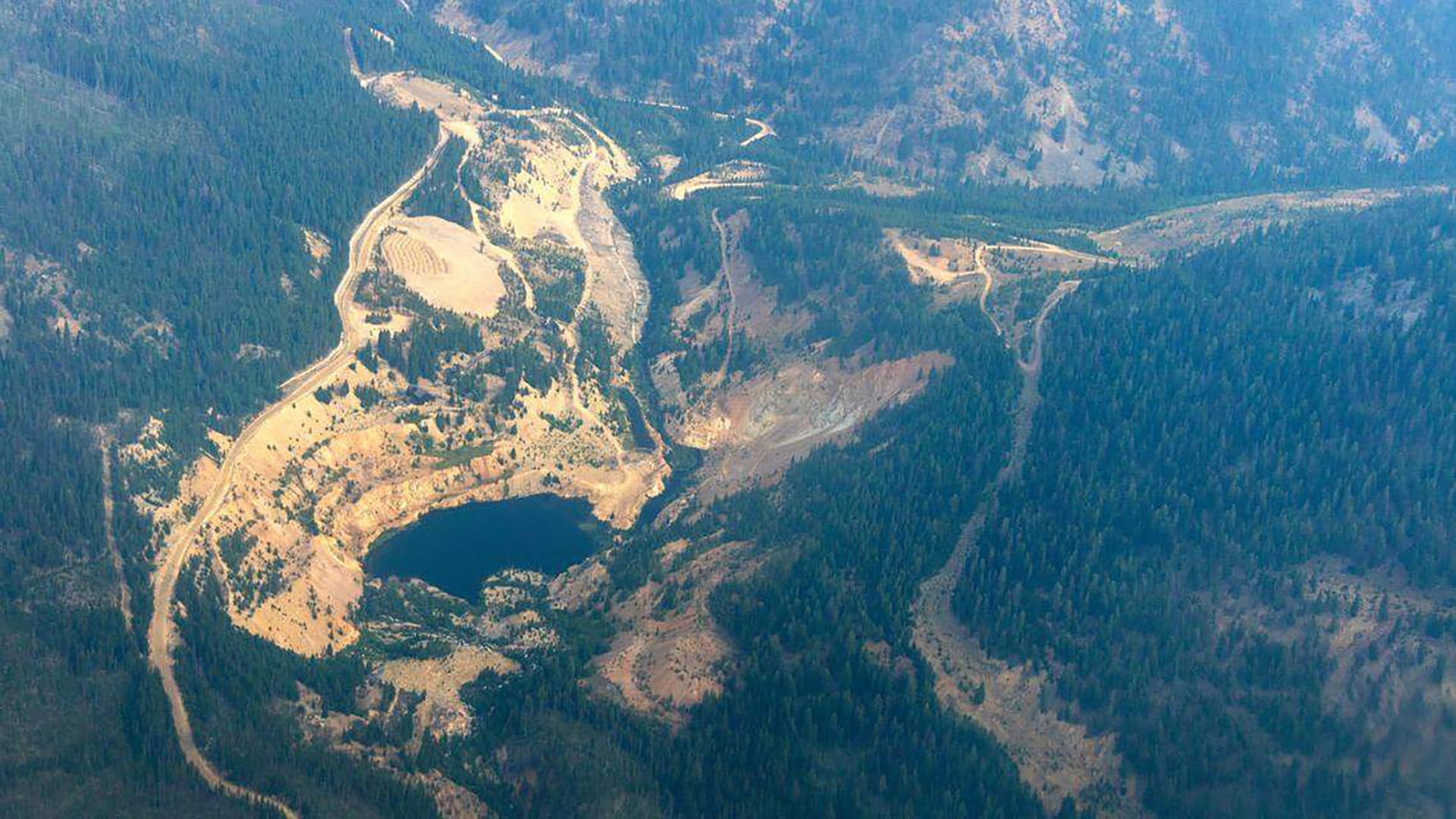
Perpetua Resources Secures $2.9 Billion Loan to Advance Mining Project


- Record Financing: Perpetua Resources has secured a $2.9 billion loan from the U.S. Export-Import Bank, marking the largest loan under EXIM's 'Make More in America' initiative, highlighting a strategic investment in critical minerals by the U.S.
- Project Significance: The funding will advance the Stibnite Gold Project in Idaho, which will not only produce gold but also provide antimony, essential for defense applications, with the potential to meet 35% of U.S. antimony demand within the first six years of production.
- Positive Market Reaction: Shares of Perpetua Resources rose over 12% following the announcement, reflecting market optimism regarding the company's growth potential, particularly as the U.S. seeks to reduce its reliance on Chinese mineral supplies.
- Government Support Strategy: This financing is part of a broader U.S. government initiative to bolster domestic production of critical minerals, ensuring national security and economic independence, while furthering collaboration with the Department of Defense to meet antimony needs.
See More
Trilogy Metals' Arctic Project Receives FAST-41 Designation
- Project Certification Milestone: Trilogy Metals' Arctic Project has been officially accepted as a 'Covered Project' under the FAST-41 program, marking its significance in U.S. domestic critical mineral development and expected to expedite the environmental assessment process and enhance project feasibility.
- Strategic Policy Support: The project's certification aligns with President Trump's resource policy aimed at reducing U.S. reliance on foreign copper supplies, which is anticipated to enhance national security and promote domestic mineral production.
- Environmental Assessment Process: In April 2026, Ambler Metals filed for a Clean Water Act Section 404 permit with the U.S. Army Corps of Engineers, initiating federal permitting for the Arctic Project, with the FAST-41 designation providing a transparent timetable and coordinated review process for the project.
- Growing Market Demand: According to Wood Mackenzie, global copper consumption is projected to rise by 24% by 2035, making the development of the Arctic Project particularly crucial to meet increasing market demand and enhance Trilogy Metals' competitive position.
See More
Trilogy Metals Announces Annual Meeting Voting Results
- Voting Results: Trilogy Metals held its Annual Meeting on May 13, 2026, with 108,434,019 shares (62.84%) represented, and all proposals were approved, indicating strong shareholder support for the management team.
- Director Election Outcomes: Tony Giardini received 99.63% of votes in favor, demonstrating robust trust among shareholders, while other nominees also garnered over 85% support, reflecting stability in the company's governance structure.
- Auditor Appointment: The proposal to appoint auditors received 99.71% approval, indicating high shareholder confidence in the company's financial transparency and audit quality, which will help enhance investor trust.
- Executive Compensation Advisory Vote: The non-binding advisory vote on executive compensation saw 94.53% shareholder support for the current pay structure, showcasing satisfaction with management compensation, which aids in attracting and retaining key talent.
See More
Trilogy Metals Welcomes Alaska Land Transfer for Mining Development
- Land Transfer Progress: The U.S. Department of the Interior's decision to transfer approximately 1.4 million acres of federal land to Alaska marks a significant step toward advancing responsible resource development in the Ambler Mining District, which is expected to facilitate mineral resource development in the region.
- Infrastructure Development Support: The land transfer will provide a more stable framework for infrastructure projects like the Ambler Road, a 211-mile industrial-use-only road designed to connect the Ambler Mining District to the Dalton Highway, aimed at unlocking one of North America's most prospective mineral belts.
- Regulatory Complexity Reduction: By shifting land management from federal agencies to the State of Alaska, the transfer is expected to reduce regulatory complexity and enhance coordination for future permitting and right-of-way approvals, thereby accelerating the mineral development process.
- Supply Chain Strengthening Opportunity: The Ambler Mining District is viewed as a significant opportunity to strengthen U.S. supply chains for critical minerals essential to energy transition technologies and national security, with infrastructure access being a key prerequisite for advancing exploration and development activities.
See More
U.S. Government Extends Trilogy Metals Investment Deadline
- Investment Deadline Extended: The U.S. government has extended the closing date for Trilogy Metals' planned $35.6 million strategic equity investment to July 31, allowing the company additional time to finalize documentation and ensure the investment proceeds smoothly.
- Agreement Finalization: This extension enables Trilogy Metals and the U.S. government to complete definitive agreements, ensuring support for the development of its copper project in Alaska's Ambler Mining District under Title III of the Defense Production Act.
- High-Grade Deposits: Trilogy's Alaskan project is recognized as one of North America's highest-grade undeveloped copper-zinc-lead-gold-silver deposits, and the investment will facilitate the development and utilization of resources in the region, enhancing the company's competitive position in the market.
- Infrastructure Development: Trilogy and its 50-50 joint venture partner South32, through Ambler Metals, are in discussions toward a framework agreement governing the financing and construction of the Ambler Access Project, a proposed 211-mile industrial-use road connecting the Ambler Mining District to the Dalton Highway, further facilitating resource transportation.
See More
Trilogy Metals Updates on $35.6 Million Strategic Investment
- Investment Delay: Trilogy Metals has agreed with the U.S. Department of War to extend the closing date for the $35.6 million strategic investment from May 31, 2026, to July 31, 2026, allowing time to finalize necessary documentation and ensure a smooth transaction.
- Key Milestone Progress: Trilogy Metals and Ambler Metals are discussing a framework agreement for the Ambler Access Project, aimed at guiding the financing and construction of a 211-mile industrial-use road, further advancing the development of the Ambler Mining District.
- FOCI Assessment Completed: The U.S. Government has completed its Foreign Ownership, Control, or Influence (FOCI) risk assessment of Trilogy Metals, paving the way for the signing of definitive agreements and ensuring compliance and security.
- Congressional Act Reauthorization: The U.S. Congress has reauthorized the Defense Production Act, providing a legal foundation for strategic investment programs in domestic critical mineral companies, underscoring Trilogy Metals' significance in U.S. critical mineral supply chain security.
See More
Perpetua Resources Secures $2.9 Billion Loan to Advance Mining Project
- Record Financing: Perpetua Resources has secured a $2.9 billion loan from the U.S. Export-Import Bank, marking the largest loan under EXIM's 'Make More in America' initiative, highlighting a strategic investment in critical minerals by the U.S.
- Project Significance: The funding will advance the Stibnite Gold Project in Idaho, which will not only produce gold but also provide antimony, essential for defense applications, with the potential to meet 35% of U.S. antimony demand within the first six years of production.
- Positive Market Reaction: Shares of Perpetua Resources rose over 12% following the announcement, reflecting market optimism regarding the company's growth potential, particularly as the U.S. seeks to reduce its reliance on Chinese mineral supplies.
- Government Support Strategy: This financing is part of a broader U.S. government initiative to bolster domestic production of critical minerals, ensuring national security and economic independence, while furthering collaboration with the Department of Defense to meet antimony needs.
See More
Trilogy Metals' Arctic Project Receives FAST-41 Designation
- Project Certification Milestone: Trilogy Metals' Arctic Project has been officially accepted as a 'Covered Project' under the FAST-41 program, marking its significance in U.S. domestic critical mineral development and expected to expedite the environmental assessment process and enhance project feasibility.
- Strategic Policy Support: The project's certification aligns with President Trump's resource policy aimed at reducing U.S. reliance on foreign copper supplies, which is anticipated to enhance national security and promote domestic mineral production.
- Environmental Assessment Process: In April 2026, Ambler Metals filed for a Clean Water Act Section 404 permit with the U.S. Army Corps of Engineers, initiating federal permitting for the Arctic Project, with the FAST-41 designation providing a transparent timetable and coordinated review process for the project.
- Growing Market Demand: According to Wood Mackenzie, global copper consumption is projected to rise by 24% by 2035, making the development of the Arctic Project particularly crucial to meet increasing market demand and enhance Trilogy Metals' competitive position.
See More
Trilogy Metals Announces Annual Meeting Voting Results
- Voting Results: Trilogy Metals held its Annual Meeting on May 13, 2026, with 108,434,019 shares (62.84%) represented, and all proposals were approved, indicating strong shareholder support for the management team.
- Director Election Outcomes: Tony Giardini received 99.63% of votes in favor, demonstrating robust trust among shareholders, while other nominees also garnered over 85% support, reflecting stability in the company's governance structure.
- Auditor Appointment: The proposal to appoint auditors received 99.71% approval, indicating high shareholder confidence in the company's financial transparency and audit quality, which will help enhance investor trust.
- Executive Compensation Advisory Vote: The non-binding advisory vote on executive compensation saw 94.53% shareholder support for the current pay structure, showcasing satisfaction with management compensation, which aids in attracting and retaining key talent.
See More
Trilogy Metals Welcomes Alaska Land Transfer for Mining Development
- Land Transfer Progress: The U.S. Department of the Interior's decision to transfer approximately 1.4 million acres of federal land to Alaska marks a significant step toward advancing responsible resource development in the Ambler Mining District, which is expected to facilitate mineral resource development in the region.
- Infrastructure Development Support: The land transfer will provide a more stable framework for infrastructure projects like the Ambler Road, a 211-mile industrial-use-only road designed to connect the Ambler Mining District to the Dalton Highway, aimed at unlocking one of North America's most prospective mineral belts.
- Regulatory Complexity Reduction: By shifting land management from federal agencies to the State of Alaska, the transfer is expected to reduce regulatory complexity and enhance coordination for future permitting and right-of-way approvals, thereby accelerating the mineral development process.
- Supply Chain Strengthening Opportunity: The Ambler Mining District is viewed as a significant opportunity to strengthen U.S. supply chains for critical minerals essential to energy transition technologies and national security, with infrastructure access being a key prerequisite for advancing exploration and development activities.
See More