Tesla Plans Major Capital Increase Amid Declining Deliveries

Tesla's stock fell 3.28% as it hit a 20-day low, reflecting broader market weakness with the Nasdaq-100 down 2.02% and S&P 500 down 1.28%.
The company plans to more than double its capital spending to over $20 billion by 2026, focusing on autonomous driving and humanoid robots, while ceasing production of the Model X and Model S. This strategic pivot comes amid a reported 16% decline in vehicle deliveries for Q4 2025, raising concerns about its core business performance and market competitiveness.
Despite these challenges, Tesla's significant cash reserves of over $44 billion position it well for future investments. The shift towards emerging technologies indicates a long-term vision, but the immediate impact of declining deliveries could weigh on investor sentiment.
Trade with 70% Backtested Accuracy
Analyst Views on TSLA

About TSLA
About the author

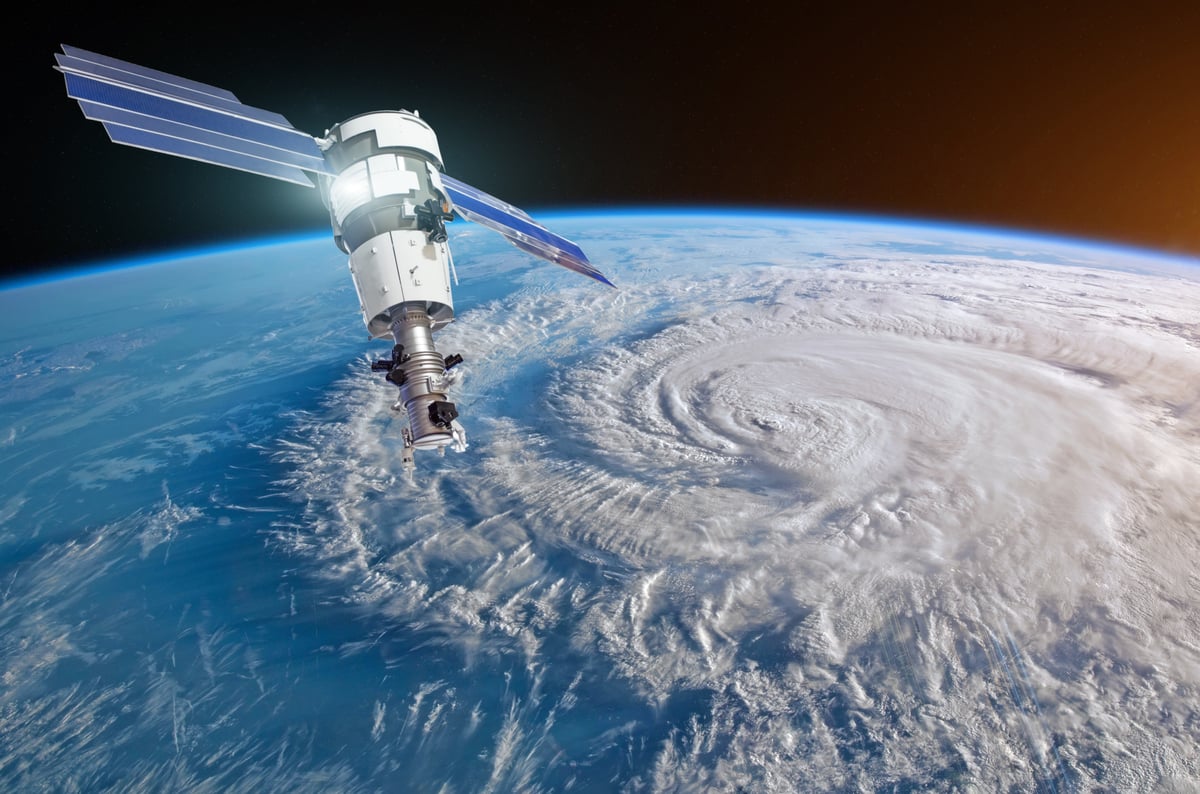
SpaceX Plans IPO with Valuation Over $1.75 Trillion
- Rapid User Growth: As of February 2026, Starlink's subscriber count exceeded 10 million, a significant increase from 4.6 million at the end of 2024, indicating robust demand for satellite internet services, with expectations for continued rapid growth solidifying its market position.
- Diversified Business Model: In addition to Starlink, SpaceX offers commercial rocket launch services, maintaining a leadership position despite competitors like Rocket Lab, as it can internally manage launch services, reducing costs and enhancing Starlink's profitability.
- Potential Merger Opportunities: Analysts suggest an increasing likelihood of a merger between SpaceX and Tesla, which would consolidate Musk's financially powerful businesses under one corporate structure, enhancing overall market competitiveness, particularly in emerging sectors like robotaxi services and humanoid robots.
- IPO Plans: Musk is reportedly planning to launch Starlink's initial public offering in June, aiming to raise funds through stock sales that could value the company at over $1.75 trillion, providing substantial financial support for future expansion and technological innovation.
Tesla's Outlook for the Next Five Years
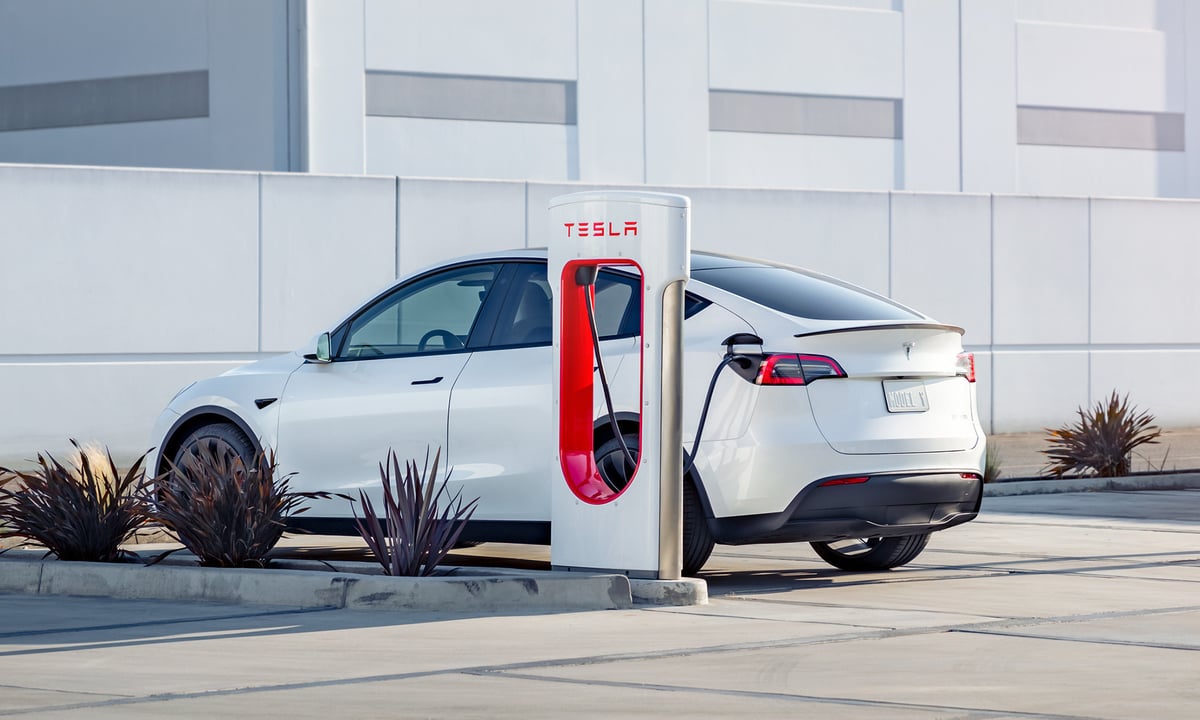
- EV Revenue Share: In 2025, Tesla's revenue is projected to reach $94.8 billion, with 73% derived from electric vehicle sales, yet the company faces declining demand and increased competition, pressuring sales performance.
- Strategic Transition Challenges: Tesla's decision to discontinue the Model S and Model X signifies a full pivot towards autonomous driving and robotics, but investors should anticipate slow progress and potential future strategic shifts.
- High Market Valuation: With a price-to-earnings ratio of 377, Tesla's valuation reflects extremely high market expectations for its future potential, while its current business faces significant challenges, warranting caution from investors.
- Uncertain Future Returns: If Tesla fails to exceed the already lofty expectations set by the market, disappointing investment returns could materialize over the next five years, particularly given the influence of external variables.
Musk's Views on Parenting and AI Spark Online Debate
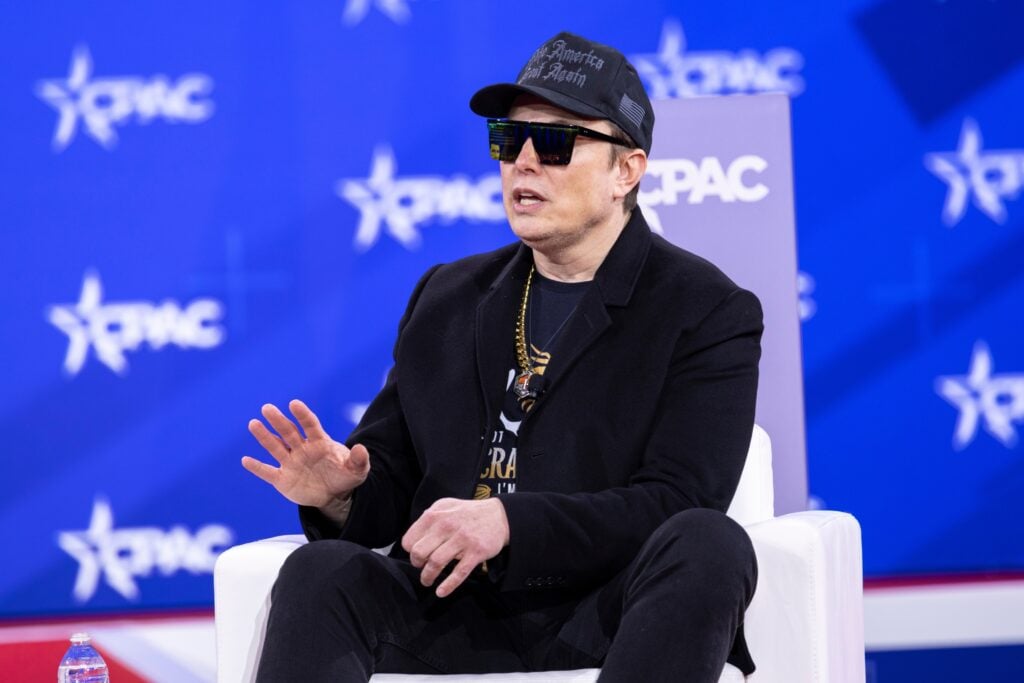
- Musk's Perspective: Tesla CEO Elon Musk responded to an AI researcher on social media, asserting that those without children lack a stake in the future, indicating his belief that parenting is closely tied to responsibility for future generations.
- Public Reaction: Social media users questioned this view, arguing that moral authority should not solely depend on parenthood, highlighting that many childless scientists and leaders also deeply care about the future, reflecting a divide in public opinion on Musk's stance.
- Askell's Response: AI researcher Askell countered Musk's remarks by stating her intention to have children while expressing her strong concern for humanity's future, emphasizing that parenting can indeed enhance one's investment in future outcomes.
- Morality and Responsibility: Musk referenced Askell's ex-husband MacAskill's refusal to draft a constitution for the AI chatbot Grok, claiming that “constitutions should not be written by hypocrites,” further igniting discussions on moral responsibility in technological advancements.
Musk Responds to AI Researcher’s Parenting Analogy
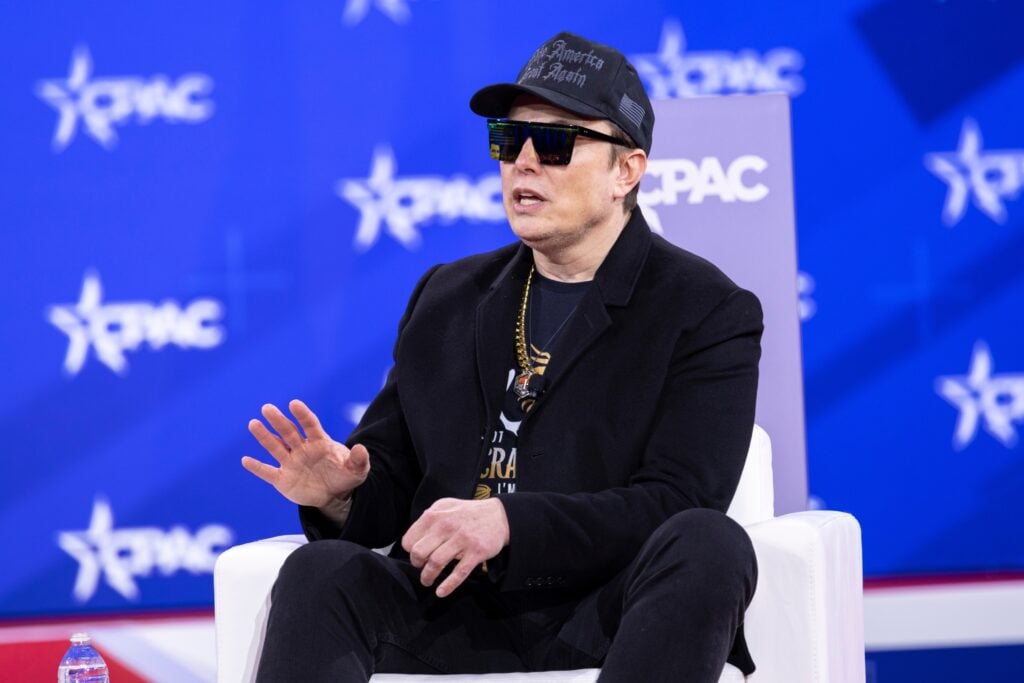
- Musk's Perspective: Tesla CEO Elon Musk responded on social media to AI ethics researcher Amanda Askell's comparison of parenting to AI model training, asserting that those without children lack a stake in the future, highlighting his deep concern for future generations.
- AI Moral Framework Discussion: Askell mentioned in a Wall Street Journal profile that she guides the reasoning of the AI model Claude, emphasizing that different inputs shape the model's traits, which reflects human-like elements, a point that sparked Musk's strong reaction.
- Social Media Reactions: Users on social media questioned Musk's statements, arguing that moral authority should not solely depend on having children, pointing out that many childless scientists and leaders also care about the future, indicating a divide in public opinion regarding Musk's views.
- Askell's Response: Askell addressed Musk's comments by stating her intention to have children and emphasized that her concern for the future is not contingent on familial ties, showcasing her commitment to human welfare.
Trump's Comments on Iran Trigger Stock Market Reversal

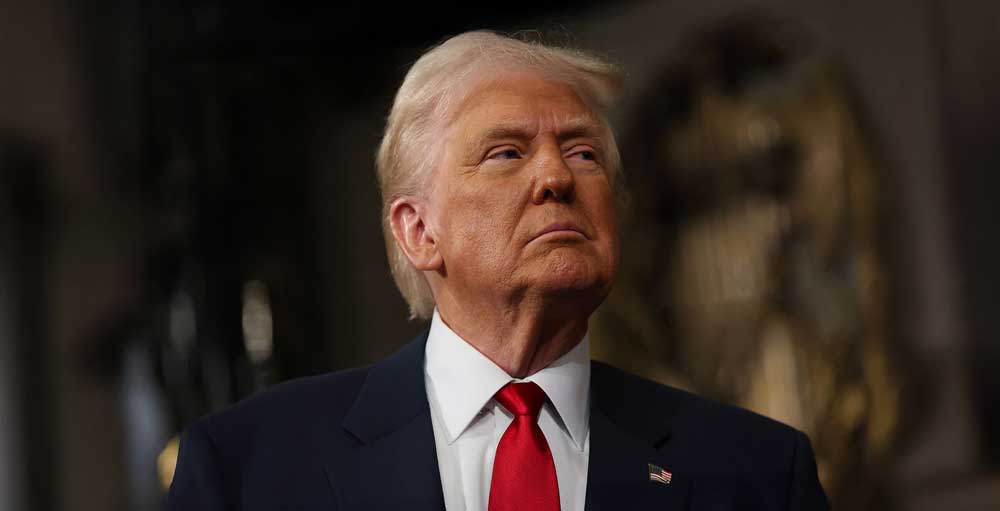
- Market Reversal: President Trump's comments on Iran led to a stock market reversal on Monday, indicating investor sensitivity to geopolitical risks and potential volatility in market sentiment.
- Oil Price Fluctuation: Following Trump's remarks, oil prices spiked lower, reflecting concerns over future supply chains and economic growth, which could adversely affect earnings expectations in related sectors.
- Investor Reaction: Market participants reacted strongly to Trump's statements, resulting in increased volatility in stock indices, highlighting investors' heightened awareness and anxiety regarding policy changes.
- Geopolitical Impact: Trump's comments not only affected the U.S. market but could also trigger ripple effects globally, raising investor vigilance towards international developments and their potential implications for market stability.
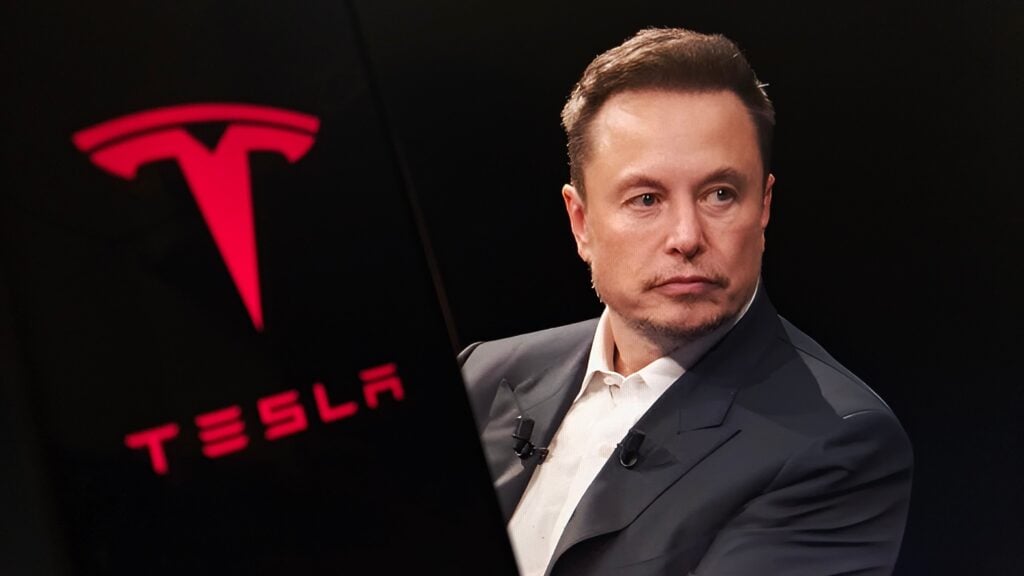
Tesla Loses Key Robotaxi Software Leader Ahead of Production
- Executive Departure Impact: Tesla has lost Thomas Dmytryk, the software leader for its robotaxi service, after 11 years, just weeks before Cybercab production is set to begin, which could hinder the company's execution and technological progress.
- Key Project Management Changes: Dmytryk's departure follows that of Cybercab project manager Victor Nechita in late February, and this series of executive changes may significantly impact Tesla's robotaxi plans, especially with commitments to expand into seven new cities.
- Declining Market Expectations: Prediction markets indicate traders believe Tesla will deliver fewer than 350,000 vehicles in Q1 2026, a sharp decline from 418,000 in Q4 2025, reflecting a pessimistic sentiment regarding the company's future performance.
- Uncertain Financial Outlook: Analyst Emmanuel Rosner projects that Tesla's robotaxi business will incur a loss of approximately $500 million in 2026, despite expectations of breakeven in 2027, which may further undermine investor confidence.
SpaceX Plans IPO with Valuation Over $1.75 Trillion
- Rapid User Growth: As of February 2026, Starlink's subscriber count exceeded 10 million, a significant increase from 4.6 million at the end of 2024, indicating robust demand for satellite internet services, with expectations for continued rapid growth solidifying its market position.
- Diversified Business Model: In addition to Starlink, SpaceX offers commercial rocket launch services, maintaining a leadership position despite competitors like Rocket Lab, as it can internally manage launch services, reducing costs and enhancing Starlink's profitability.
- Potential Merger Opportunities: Analysts suggest an increasing likelihood of a merger between SpaceX and Tesla, which would consolidate Musk's financially powerful businesses under one corporate structure, enhancing overall market competitiveness, particularly in emerging sectors like robotaxi services and humanoid robots.
- IPO Plans: Musk is reportedly planning to launch Starlink's initial public offering in June, aiming to raise funds through stock sales that could value the company at over $1.75 trillion, providing substantial financial support for future expansion and technological innovation.
Tesla's Outlook for the Next Five Years
- EV Revenue Share: In 2025, Tesla's revenue is projected to reach $94.8 billion, with 73% derived from electric vehicle sales, yet the company faces declining demand and increased competition, pressuring sales performance.
- Strategic Transition Challenges: Tesla's decision to discontinue the Model S and Model X signifies a full pivot towards autonomous driving and robotics, but investors should anticipate slow progress and potential future strategic shifts.
- High Market Valuation: With a price-to-earnings ratio of 377, Tesla's valuation reflects extremely high market expectations for its future potential, while its current business faces significant challenges, warranting caution from investors.
- Uncertain Future Returns: If Tesla fails to exceed the already lofty expectations set by the market, disappointing investment returns could materialize over the next five years, particularly given the influence of external variables.
Musk's Views on Parenting and AI Spark Online Debate
- Musk's Perspective: Tesla CEO Elon Musk responded to an AI researcher on social media, asserting that those without children lack a stake in the future, indicating his belief that parenting is closely tied to responsibility for future generations.
- Public Reaction: Social media users questioned this view, arguing that moral authority should not solely depend on parenthood, highlighting that many childless scientists and leaders also deeply care about the future, reflecting a divide in public opinion on Musk's stance.
- Askell's Response: AI researcher Askell countered Musk's remarks by stating her intention to have children while expressing her strong concern for humanity's future, emphasizing that parenting can indeed enhance one's investment in future outcomes.
- Morality and Responsibility: Musk referenced Askell's ex-husband MacAskill's refusal to draft a constitution for the AI chatbot Grok, claiming that “constitutions should not be written by hypocrites,” further igniting discussions on moral responsibility in technological advancements.
Musk Responds to AI Researcher’s Parenting Analogy
- Musk's Perspective: Tesla CEO Elon Musk responded on social media to AI ethics researcher Amanda Askell's comparison of parenting to AI model training, asserting that those without children lack a stake in the future, highlighting his deep concern for future generations.
- AI Moral Framework Discussion: Askell mentioned in a Wall Street Journal profile that she guides the reasoning of the AI model Claude, emphasizing that different inputs shape the model's traits, which reflects human-like elements, a point that sparked Musk's strong reaction.
- Social Media Reactions: Users on social media questioned Musk's statements, arguing that moral authority should not solely depend on having children, pointing out that many childless scientists and leaders also care about the future, indicating a divide in public opinion regarding Musk's views.
- Askell's Response: Askell addressed Musk's comments by stating her intention to have children and emphasized that her concern for the future is not contingent on familial ties, showcasing her commitment to human welfare.
Trump's Comments on Iran Trigger Stock Market Reversal
- Market Reversal: President Trump's comments on Iran led to a stock market reversal on Monday, indicating investor sensitivity to geopolitical risks and potential volatility in market sentiment.
- Oil Price Fluctuation: Following Trump's remarks, oil prices spiked lower, reflecting concerns over future supply chains and economic growth, which could adversely affect earnings expectations in related sectors.
- Investor Reaction: Market participants reacted strongly to Trump's statements, resulting in increased volatility in stock indices, highlighting investors' heightened awareness and anxiety regarding policy changes.
- Geopolitical Impact: Trump's comments not only affected the U.S. market but could also trigger ripple effects globally, raising investor vigilance towards international developments and their potential implications for market stability.
Tesla Loses Key Robotaxi Software Leader Ahead of Production
- Executive Departure Impact: Tesla has lost Thomas Dmytryk, the software leader for its robotaxi service, after 11 years, just weeks before Cybercab production is set to begin, which could hinder the company's execution and technological progress.
- Key Project Management Changes: Dmytryk's departure follows that of Cybercab project manager Victor Nechita in late February, and this series of executive changes may significantly impact Tesla's robotaxi plans, especially with commitments to expand into seven new cities.
- Declining Market Expectations: Prediction markets indicate traders believe Tesla will deliver fewer than 350,000 vehicles in Q1 2026, a sharp decline from 418,000 in Q4 2025, reflecting a pessimistic sentiment regarding the company's future performance.
- Uncertain Financial Outlook: Analyst Emmanuel Rosner projects that Tesla's robotaxi business will incur a loss of approximately $500 million in 2026, despite expectations of breakeven in 2027, which may further undermine investor confidence.