Sweetgreen's Q1 Sales Decline Raises Concerns
Sweetgreen Inc. stock rose 4.94% and reached a 20-day high despite broader market declines, with the Nasdaq-100 down 0.82% and the S&P 500 down 0.33%.
The stock's increase comes amid a challenging earnings report where Sweetgreen's Q1 comparable sales fell 12.8%, and overall revenue dropped to $161.5 million, missing estimates. The company faces significant customer attrition, with average annual sales per store declining from $2.91 million to $2.57 million. Although management anticipates a cautious outlook for the year, there is optimism regarding new lower-priced wraps that could attract customers and potentially improve sales.
Despite the positive stock movement, the underlying challenges in the fast-casual salad market raise concerns about Sweetgreen's long-term profitability and growth potential.
Trade with 70% Backtested Accuracy
Analyst Views on SG

About SG
About the author

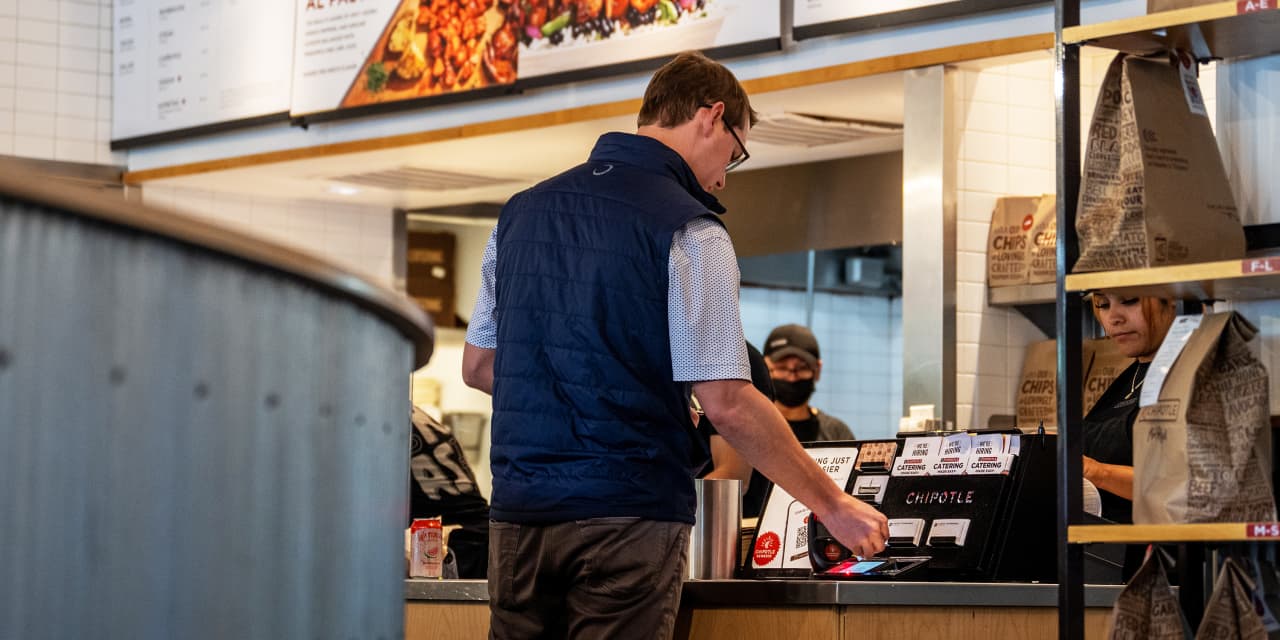
Sweetgreen Opens First Location in Nashville

- First Nashville Location: Sweetgreen is set to open its first restaurant in Nashville's Gulch neighborhood on June 30, marking the brand's debut in Tennessee, which is expected to attract health-conscious consumers and expand its market presence.
- Community Activation Week: The opening day will kick off a week of community events featuring live music, prize giveaways, and complimentary meals, with the first 50 guests receiving a free entree valued at $20, aimed at strengthening the brand's connection with the local community.
- Menu Innovation: The new location will offer a variety of healthy meal options, including seasonal items like the Tomato Panzanella and Picnic Bowl, showcasing Sweetgreen's commitment to high-quality, sustainably sourced ingredients, which is likely to draw health-focused customers.
- Charitable Partnership: On opening day, Sweetgreen will donate a bowl of food to the Second Harvest Food Bank of Middle Tennessee for every meal purchased, reflecting the brand's social responsibility and aiming to address food insecurity in the local community.

Sweetgreen's Post-IPO Performance Review
- IPO Performance: Sweetgreen went public on November 18, 2021, at $28 per share, opening at $52 and reaching a high of $53 the next day, but now trades at around $9, reflecting market disappointment in its growth prospects.
- Expansion and Sales Growth: Prior to its IPO, Sweetgreen had expanded to 130 locations across 13 states, serving 1.35 million customers with over 67% of sales from digital channels, yet same-store sales growth has sharply declined due to inflation and changing consumer preferences.
- Operational Challenges: Despite attempts to boost revenue through new store openings, these efforts failed to enhance same-store sales or average unit volumes, leading to increased costs and resulting in ongoing losses since its public debut.
- Future Outlook: For 2026, same-store sales are expected to decline by 2%-4%, and while analysts predict a 4% rise in total revenue, the lack of catalysts suggests Sweetgreen's stock is unlikely to return to its all-time highs, diminishing the prospects for millionaire-making gains in the next decade.
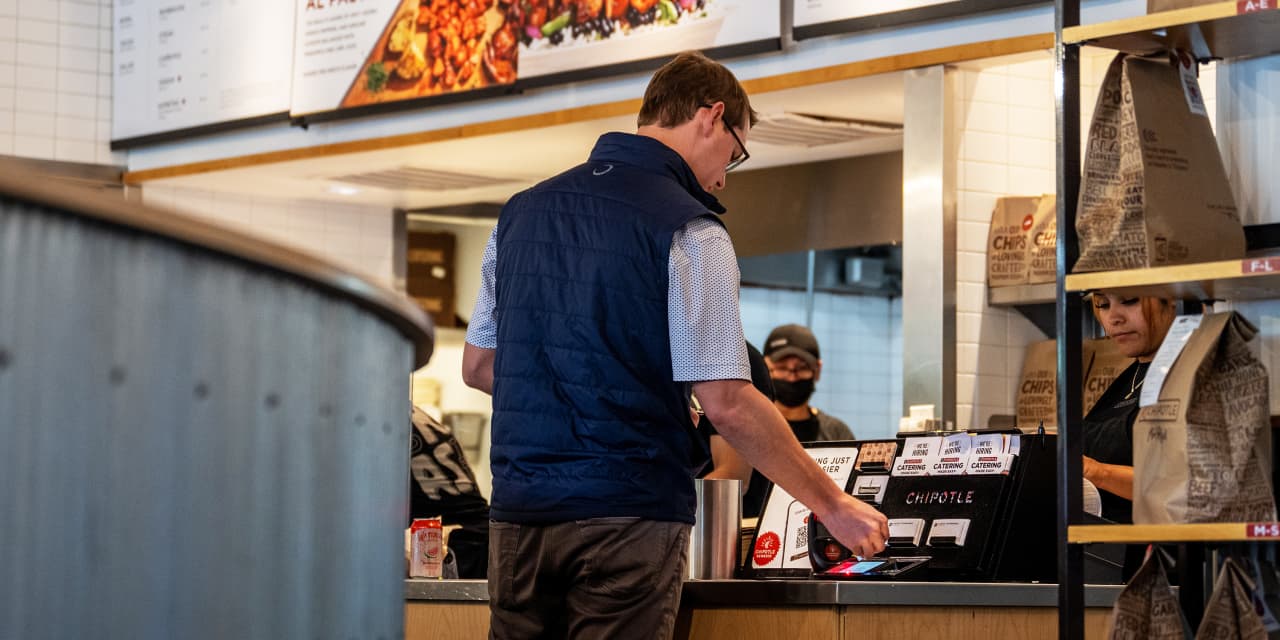
Sweetgreen's Stock Plummets 70% Facing Challenges
- Poor Stock Performance: Sweetgreen's stock currently trades around $9, representing a nearly 70% decline from its IPO price of $28 in 2021, reflecting market pessimism regarding its future growth and eroding investor confidence.
- Slowing Sales Growth: While Sweetgreen achieved a total revenue growth of 54% in 2021, it is projected to only grow by 24% in 2023, with same-store sales growth plummeting from 25% to 4%, indicating significant challenges in its business model.
- Expansion Strategy Missteps: Sweetgreen has continued to open new locations over the past three years, planning 25 new stores in 2023, but these expansions have failed to boost same-store sales or average unit volumes, instead increasing operational costs and leading to ongoing losses.
- Bleak Future Outlook: Analysts expect Sweetgreen's same-store sales to decline by 2%-4% in 2026, and while total revenue may rise by 4%, the lack of new growth catalysts makes it unlikely for the stock to return to its historical highs, prompting investors to proceed with caution.

Dutch Bros Rapid Expansion vs. Sweetgreen's Revenue Decline

- Dutch Bros Expansion Plan: Dutch Bros aims to open 2,029 locations by 2029, currently operating less than 1,200, indicating a robust annual growth rate of approximately 19%, positioning itself advantageously in the rapidly growing coffee market.
- Sweetgreen Revenue Decline: Sweetgreen has experienced a revenue drop for three consecutive quarters, with a year-over-year customer count decline of 11% per restaurant in Q1, highlighting increasing competitive pressure in the premium health food sector.
- Profitability Comparison: Dutch Bros boasts $116 million in retained earnings, while Sweetgreen has incurred losses of $884 million, illustrating a significant disparity in profitability, with Dutch Bros demonstrating a more sustainable business model.
- Market Expectation Divergence: Analysts rate Sweetgreen as a “hold,” while Dutch Bros is rated a “strong buy,” indicating a clear divergence in market expectations regarding the future performance of the two companies.
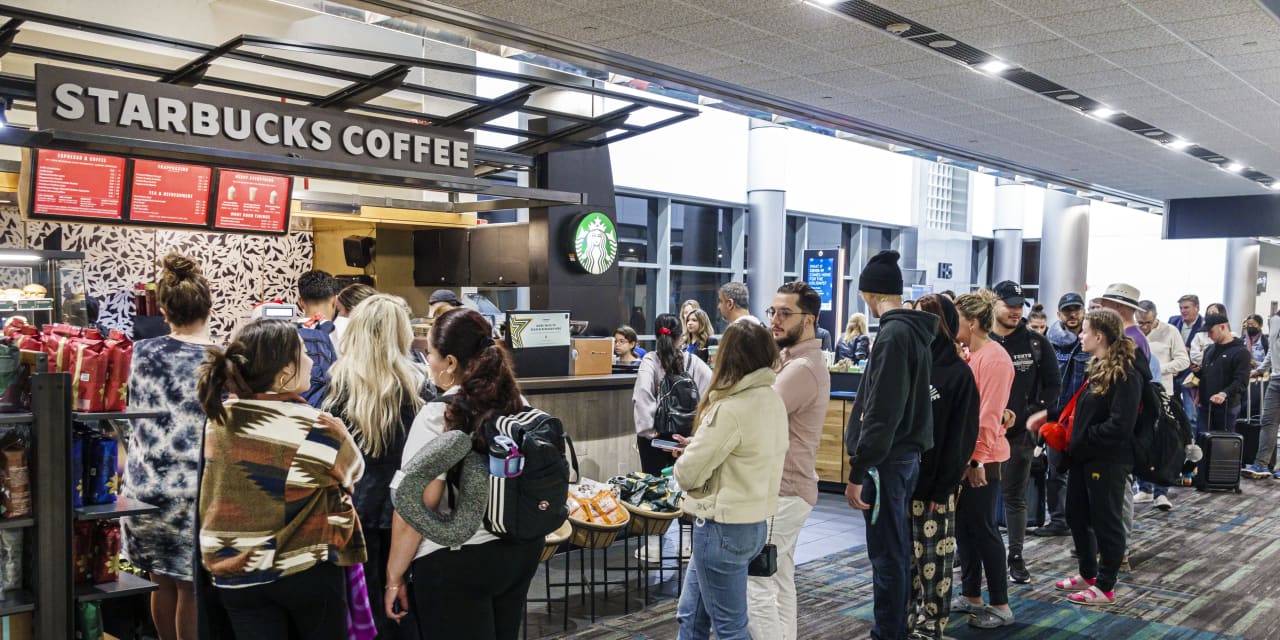
Investment Comparison: Dutch Bros vs Sweetgreen
- Growth Rate Comparison: Dutch Bros aims to increase its locations from 1,200 to 2,029 by 2029, representing an annual growth rate of approximately 19%, showcasing its rapid expansion potential, while Sweetgreen has faced three consecutive quarters of revenue declines with an 11% drop in customer traffic.
- Profitability Differences: Dutch Bros boasts a gross margin of 25.01% and operates 72% of its locations, ensuring profitability, whereas Sweetgreen has incurred losses totaling $884 million over the past three years, indicating a fragile business model.
- Market Valuation Analysis: Although Dutch Bros trades at a high price-to-earnings ratio of 105, reflecting its premium valuation, its consistent growth and profitability make it attractive; in contrast, Sweetgreen's 71 times earnings ratio comes with expected losses in the next two years.
- Investor Sentiment: Analysts rate Dutch Bros as a
Sweetgreen Stock Drops 25.1% Amid Struggles
- Stock Plunge: Sweetgreen's shares fell 25.1% last week, reflecting a pessimistic market sentiment regarding its future prospects, particularly given its inability to generate profit since going public in 2021, which severely undermines investor confidence.
- Weak Sales Growth: Despite the launch of a new menu item—wraps—in an attempt to attract customers, same-store sales still reported a negative growth of 12.8%, indicating significant challenges in restoring customer traffic.
- Increasing Operating Losses: The company reported an operating loss of $34 million last quarter, highlighting a continued deterioration in profitability, as management's innovative menu strategy has yet to effectively improve financial conditions, potentially leading to further investor attrition.
- Rating Downgrade Impact: UBS downgraded Sweetgreen's stock from
Sweetgreen Opens First Location in Nashville
- First Nashville Location: Sweetgreen is set to open its first restaurant in Nashville's Gulch neighborhood on June 30, marking the brand's debut in Tennessee, which is expected to attract health-conscious consumers and expand its market presence.
- Community Activation Week: The opening day will kick off a week of community events featuring live music, prize giveaways, and complimentary meals, with the first 50 guests receiving a free entree valued at $20, aimed at strengthening the brand's connection with the local community.
- Menu Innovation: The new location will offer a variety of healthy meal options, including seasonal items like the Tomato Panzanella and Picnic Bowl, showcasing Sweetgreen's commitment to high-quality, sustainably sourced ingredients, which is likely to draw health-focused customers.
- Charitable Partnership: On opening day, Sweetgreen will donate a bowl of food to the Second Harvest Food Bank of Middle Tennessee for every meal purchased, reflecting the brand's social responsibility and aiming to address food insecurity in the local community.
Sweetgreen's Post-IPO Performance Review
- IPO Performance: Sweetgreen went public on November 18, 2021, at $28 per share, opening at $52 and reaching a high of $53 the next day, but now trades at around $9, reflecting market disappointment in its growth prospects.
- Expansion and Sales Growth: Prior to its IPO, Sweetgreen had expanded to 130 locations across 13 states, serving 1.35 million customers with over 67% of sales from digital channels, yet same-store sales growth has sharply declined due to inflation and changing consumer preferences.
- Operational Challenges: Despite attempts to boost revenue through new store openings, these efforts failed to enhance same-store sales or average unit volumes, leading to increased costs and resulting in ongoing losses since its public debut.
- Future Outlook: For 2026, same-store sales are expected to decline by 2%-4%, and while analysts predict a 4% rise in total revenue, the lack of catalysts suggests Sweetgreen's stock is unlikely to return to its all-time highs, diminishing the prospects for millionaire-making gains in the next decade.
Sweetgreen's Stock Plummets 70% Facing Challenges
- Poor Stock Performance: Sweetgreen's stock currently trades around $9, representing a nearly 70% decline from its IPO price of $28 in 2021, reflecting market pessimism regarding its future growth and eroding investor confidence.
- Slowing Sales Growth: While Sweetgreen achieved a total revenue growth of 54% in 2021, it is projected to only grow by 24% in 2023, with same-store sales growth plummeting from 25% to 4%, indicating significant challenges in its business model.
- Expansion Strategy Missteps: Sweetgreen has continued to open new locations over the past three years, planning 25 new stores in 2023, but these expansions have failed to boost same-store sales or average unit volumes, instead increasing operational costs and leading to ongoing losses.
- Bleak Future Outlook: Analysts expect Sweetgreen's same-store sales to decline by 2%-4% in 2026, and while total revenue may rise by 4%, the lack of new growth catalysts makes it unlikely for the stock to return to its historical highs, prompting investors to proceed with caution.
Dutch Bros Rapid Expansion vs. Sweetgreen's Revenue Decline
- Dutch Bros Expansion Plan: Dutch Bros aims to open 2,029 locations by 2029, currently operating less than 1,200, indicating a robust annual growth rate of approximately 19%, positioning itself advantageously in the rapidly growing coffee market.
- Sweetgreen Revenue Decline: Sweetgreen has experienced a revenue drop for three consecutive quarters, with a year-over-year customer count decline of 11% per restaurant in Q1, highlighting increasing competitive pressure in the premium health food sector.
- Profitability Comparison: Dutch Bros boasts $116 million in retained earnings, while Sweetgreen has incurred losses of $884 million, illustrating a significant disparity in profitability, with Dutch Bros demonstrating a more sustainable business model.
- Market Expectation Divergence: Analysts rate Sweetgreen as a “hold,” while Dutch Bros is rated a “strong buy,” indicating a clear divergence in market expectations regarding the future performance of the two companies.
Investment Comparison: Dutch Bros vs Sweetgreen
- Growth Rate Comparison: Dutch Bros aims to increase its locations from 1,200 to 2,029 by 2029, representing an annual growth rate of approximately 19%, showcasing its rapid expansion potential, while Sweetgreen has faced three consecutive quarters of revenue declines with an 11% drop in customer traffic.
- Profitability Differences: Dutch Bros boasts a gross margin of 25.01% and operates 72% of its locations, ensuring profitability, whereas Sweetgreen has incurred losses totaling $884 million over the past three years, indicating a fragile business model.
- Market Valuation Analysis: Although Dutch Bros trades at a high price-to-earnings ratio of 105, reflecting its premium valuation, its consistent growth and profitability make it attractive; in contrast, Sweetgreen's 71 times earnings ratio comes with expected losses in the next two years.
- Investor Sentiment: Analysts rate Dutch Bros as a
Sweetgreen Stock Drops 25.1% Amid Struggles
- Stock Plunge: Sweetgreen's shares fell 25.1% last week, reflecting a pessimistic market sentiment regarding its future prospects, particularly given its inability to generate profit since going public in 2021, which severely undermines investor confidence.
- Weak Sales Growth: Despite the launch of a new menu item—wraps—in an attempt to attract customers, same-store sales still reported a negative growth of 12.8%, indicating significant challenges in restoring customer traffic.
- Increasing Operating Losses: The company reported an operating loss of $34 million last quarter, highlighting a continued deterioration in profitability, as management's innovative menu strategy has yet to effectively improve financial conditions, potentially leading to further investor attrition.
- Rating Downgrade Impact: UBS downgraded Sweetgreen's stock from