

Serve Robotics Acquires Diligent Robotics for $29 Million, Expanding into Healthcare
Serve Robotics' stock has hit a 5-day low, reflecting market caution despite the company's recent acquisition announcement.
The acquisition of Diligent Robotics for $29 million marks Serve Robotics' first entry into the healthcare sector, with Diligent's Moxi robots expected to generate annual revenues of $200,000 to $400,000 per hospital. This strategic move aims to enhance Serve's market share and operational efficiency in high-demand environments like hospitals, leveraging shared AI technology to improve robot capabilities.
While the acquisition presents significant growth opportunities, the stock's current performance below its 20-day and 100-day simple moving averages indicates investor uncertainty regarding the company's future trajectory.
Trade with 70% Backtested Accuracy
Analyst Views on SERV

About SERV
About the author


Appian and GitLab Options Trading Activity Surges


- Appian Options Volume: Today, Appian Corp's options volume reached 7,394 contracts, equivalent to approximately 739,400 shares, indicating a trading activity level of 77.8% of its average daily volume over the past month, which may reflect market interest in its future performance.
- High Volume Call Options: Within Appian, the $30 strike call option stands out with 6,544 contracts traded today, representing about 654,400 shares, indicating investor expectations for the stock's future upside.
- GitLab Options Activity: Concurrently, GitLab Inc saw options trading volume of 42,247 contracts, representing approximately 4.2 million shares, or about 76.2% of its average daily volume over the past month, suggesting sustained market interest in its stock.
- GitLab Call Option Popularity: For GitLab, the $35 strike call option also showed strong performance with 6,858 contracts traded today, representing approximately 685,800 shares, reflecting investor confidence in its future growth.

Serve Robotics Forecasts Nearly Tenfold Revenue Growth
- Revenue Surge: Serve Robotics reported total revenue of $3 million in Q1 2026, marking a staggering 578% year-over-year increase, primarily driven by the inclusion of Diligent's revenue for the first time, highlighting the company's robust growth potential in the small-scale delivery market.
- Market Expansion: The acquisition of Diligent has expanded Serve's geographic footprint to 44 U.S. cities, with plans to enter international markets such as Australia, Japan, Canada, and England in 2026 and 2027, further broadening its business reach.
- Cost Reduction: Serve's Gen 3 autonomous robots are expected to reduce delivery costs from the current $10 to just $1 per delivery, which will not only enhance consumer purchasing power but also increase profit margins for restaurants and delivery platforms, driving overall industry growth.
- Financial Challenges: Despite rapid revenue growth, Serve incurred operating expenses of $42.8 million in Q1, resulting in a net loss of $49 million, indicating significant financial pressure during its aggressive expansion, with potential future financing needs to sustain operations.
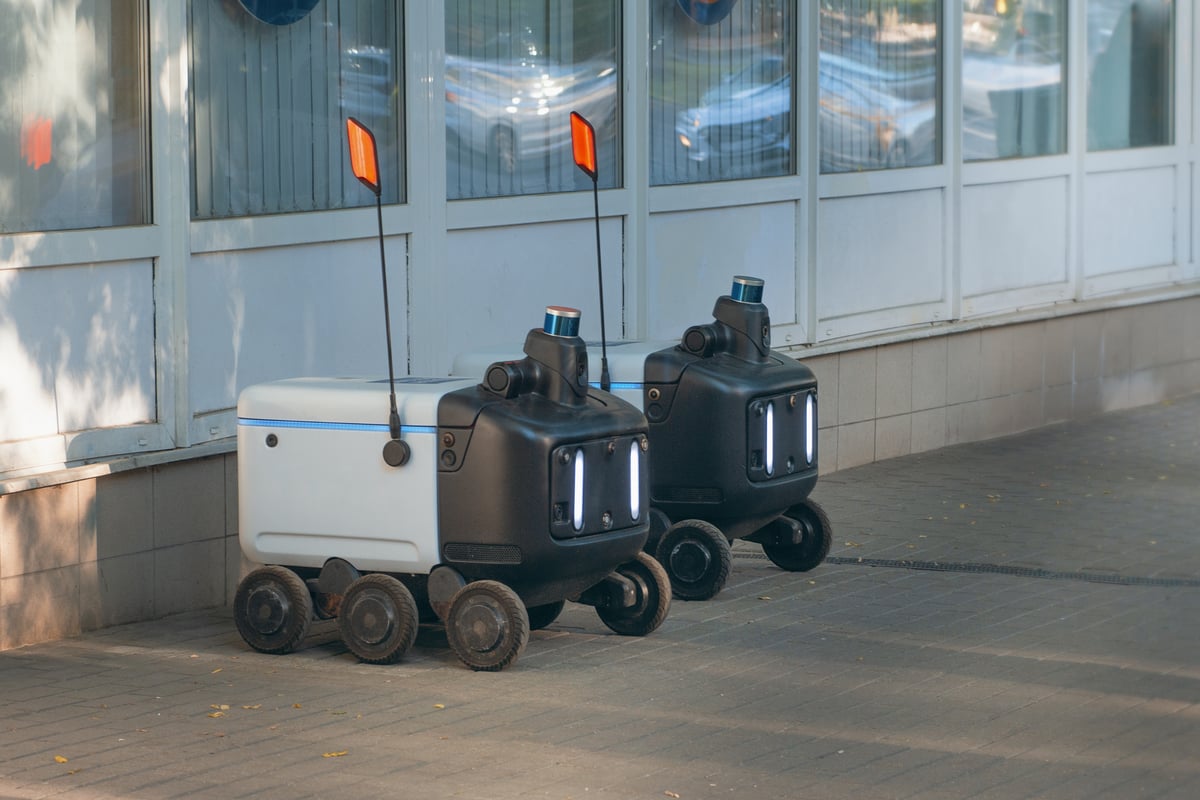
Serve Robotics Reports 578% Revenue Surge in Q1
- Significant Market Opportunity: With a market cap of $680 million, Serve Robotics targets a last-mile logistics market projected to reach $450 billion by 2030, highlighting its growth potential and strategic significance.
- Revenue Surge: In Q1 2026, Serve generated $3 million in total revenue, marking a staggering 578% year-over-year increase, partly due to the inclusion of Diligent's revenue, indicating successful business expansion.
- Cost Reduction Potential: Serve's Gen 3 autonomous robots can reduce delivery costs from $10 to just $1 per order, which not only enhances profit margins for restaurants and delivery platforms but also attracts more consumers, strengthening market competitiveness.
- Global Expansion Plans: Serve aims to enter countries like Australia, Japan, Canada, and England between 2026 and 2027, further broadening its market reach and expected to drive future revenue growth.

Serve Robotics Reports Nearly $3 Million Q1 Revenue, Up 7x YoY
- Significant Revenue Growth: Serve Robotics reported nearly $3 million in Q1 2026 revenue, representing a nearly 7x year-over-year increase, exceeding expectations and demonstrating strong market performance.
- Software Services Contribution: Approximately one-third of Q1 revenue came from software services, with nearly half of total revenue being recurring, indicating a shift towards a sustainable revenue model that enhances financial stability.
- Operational Efficiency Improvement: The company provides over 10,000 robot supply hours to partners daily, with more than 800 active robots, showcasing significant enhancements in operational scale and efficiency.
- Cautious Future Outlook: While management reiterated a total revenue target of $26 million for 2026, they expect slower growth in Q2, emphasizing a focus on improving operational efficiency and robot productivity to meet future market demands.

Serve Robotics Reports 582% Revenue Surge in Q1
- Significant Revenue Growth: Serve Robotics reported a staggering 582% increase in Q1 revenue to $3.0 million, indicating a strategic shift from fleet expansion to monetizing its deployed robots, which is expected to enhance future revenue stability.
- Software Services Contribution: Software services accounted for about one-third of Q1 revenue, with nearly half of total revenue being recurring, a change that not only improves the company's revenue structure but also indicates expanding market potential in the software domain.
- Improved Operational Efficiency: The company saw an improvement in gross margin during Q1, supported by higher revenue per robot and better operational efficiency, which will help reduce future operating costs and enhance profitability.
- Market Expansion and Integration: Serve Robotics expanded its operational footprint to 44 cities across 14 states, with the acquisition of Diligent Robotics pushing into healthcare robotics, which is expected to drive growth in hospital clients and enhance market competitiveness.
Serve Robotics Q1 Earnings Beat Expectations Despite Revenue Miss
- Earnings Highlights: Serve Robotics reported a Q1 non-GAAP EPS of -$0.50, beating expectations by $0.01, indicating improvements in cost management despite still posting a loss.
- Revenue Surge: The company achieved revenue of $3 million, representing a staggering 581.8% year-over-year growth, although it fell short of market expectations, showcasing its potential and growth momentum in market expansion.
- Guidance Reaffirmation: Serve Robotics reaffirmed its 2026 financial guidance, projecting full-year revenue of approximately $26 million, slightly above the consensus of $25.99 million, reflecting the company's confidence in future growth.
- Operating Expense Outlook: The company anticipates 2026 non-GAAP operating expenses to range between $160 million and $170 million, demonstrating cautious management of costs while expanding operations, aimed at achieving sustainable growth.
Appian and GitLab Options Trading Activity Surges
- Appian Options Volume: Today, Appian Corp's options volume reached 7,394 contracts, equivalent to approximately 739,400 shares, indicating a trading activity level of 77.8% of its average daily volume over the past month, which may reflect market interest in its future performance.
- High Volume Call Options: Within Appian, the $30 strike call option stands out with 6,544 contracts traded today, representing about 654,400 shares, indicating investor expectations for the stock's future upside.
- GitLab Options Activity: Concurrently, GitLab Inc saw options trading volume of 42,247 contracts, representing approximately 4.2 million shares, or about 76.2% of its average daily volume over the past month, suggesting sustained market interest in its stock.
- GitLab Call Option Popularity: For GitLab, the $35 strike call option also showed strong performance with 6,858 contracts traded today, representing approximately 685,800 shares, reflecting investor confidence in its future growth.
Serve Robotics Forecasts Nearly Tenfold Revenue Growth
- Revenue Surge: Serve Robotics reported total revenue of $3 million in Q1 2026, marking a staggering 578% year-over-year increase, primarily driven by the inclusion of Diligent's revenue for the first time, highlighting the company's robust growth potential in the small-scale delivery market.
- Market Expansion: The acquisition of Diligent has expanded Serve's geographic footprint to 44 U.S. cities, with plans to enter international markets such as Australia, Japan, Canada, and England in 2026 and 2027, further broadening its business reach.
- Cost Reduction: Serve's Gen 3 autonomous robots are expected to reduce delivery costs from the current $10 to just $1 per delivery, which will not only enhance consumer purchasing power but also increase profit margins for restaurants and delivery platforms, driving overall industry growth.
- Financial Challenges: Despite rapid revenue growth, Serve incurred operating expenses of $42.8 million in Q1, resulting in a net loss of $49 million, indicating significant financial pressure during its aggressive expansion, with potential future financing needs to sustain operations.
Serve Robotics Reports 578% Revenue Surge in Q1
- Significant Market Opportunity: With a market cap of $680 million, Serve Robotics targets a last-mile logistics market projected to reach $450 billion by 2030, highlighting its growth potential and strategic significance.
- Revenue Surge: In Q1 2026, Serve generated $3 million in total revenue, marking a staggering 578% year-over-year increase, partly due to the inclusion of Diligent's revenue, indicating successful business expansion.
- Cost Reduction Potential: Serve's Gen 3 autonomous robots can reduce delivery costs from $10 to just $1 per order, which not only enhances profit margins for restaurants and delivery platforms but also attracts more consumers, strengthening market competitiveness.
- Global Expansion Plans: Serve aims to enter countries like Australia, Japan, Canada, and England between 2026 and 2027, further broadening its market reach and expected to drive future revenue growth.
Serve Robotics Reports Nearly $3 Million Q1 Revenue, Up 7x YoY
- Significant Revenue Growth: Serve Robotics reported nearly $3 million in Q1 2026 revenue, representing a nearly 7x year-over-year increase, exceeding expectations and demonstrating strong market performance.
- Software Services Contribution: Approximately one-third of Q1 revenue came from software services, with nearly half of total revenue being recurring, indicating a shift towards a sustainable revenue model that enhances financial stability.
- Operational Efficiency Improvement: The company provides over 10,000 robot supply hours to partners daily, with more than 800 active robots, showcasing significant enhancements in operational scale and efficiency.
- Cautious Future Outlook: While management reiterated a total revenue target of $26 million for 2026, they expect slower growth in Q2, emphasizing a focus on improving operational efficiency and robot productivity to meet future market demands.
Serve Robotics Reports 582% Revenue Surge in Q1
- Significant Revenue Growth: Serve Robotics reported a staggering 582% increase in Q1 revenue to $3.0 million, indicating a strategic shift from fleet expansion to monetizing its deployed robots, which is expected to enhance future revenue stability.
- Software Services Contribution: Software services accounted for about one-third of Q1 revenue, with nearly half of total revenue being recurring, a change that not only improves the company's revenue structure but also indicates expanding market potential in the software domain.
- Improved Operational Efficiency: The company saw an improvement in gross margin during Q1, supported by higher revenue per robot and better operational efficiency, which will help reduce future operating costs and enhance profitability.
- Market Expansion and Integration: Serve Robotics expanded its operational footprint to 44 cities across 14 states, with the acquisition of Diligent Robotics pushing into healthcare robotics, which is expected to drive growth in hospital clients and enhance market competitiveness.
Serve Robotics Q1 Earnings Beat Expectations Despite Revenue Miss
- Earnings Highlights: Serve Robotics reported a Q1 non-GAAP EPS of -$0.50, beating expectations by $0.01, indicating improvements in cost management despite still posting a loss.
- Revenue Surge: The company achieved revenue of $3 million, representing a staggering 581.8% year-over-year growth, although it fell short of market expectations, showcasing its potential and growth momentum in market expansion.
- Guidance Reaffirmation: Serve Robotics reaffirmed its 2026 financial guidance, projecting full-year revenue of approximately $26 million, slightly above the consensus of $25.99 million, reflecting the company's confidence in future growth.
- Operating Expense Outlook: The company anticipates 2026 non-GAAP operating expenses to range between $160 million and $170 million, demonstrating cautious management of costs while expanding operations, aimed at achieving sustainable growth.





