Saia Reports Decline in LTL Shipments Amid Weak Market Demand
Written by Emily J. Thompson, Senior Investment Analyst
Updated: Dec 03 2024
0mins
Saia Inc. experienced a significant drop in its stock price, hitting a 5-day low, as the company reported a 2.1% decline in LTL shipments per workday for January 2026 compared to the previous year, indicating weak market demand.
The decline in shipments, along with a 7.0% drop in LTL tonnage and a 5.1% decrease in weight per shipment, suggests that Saia may face rising operational costs and pressure on profit margins. Although there was a slight recovery in February with a 0.3% increase in shipments, the overall trend remains concerning, warranting close monitoring of future performance.
These developments highlight the challenges Saia faces in a sluggish market, which could impact investor confidence and the company's revenue outlook.
Trade with 70% Backtested Accuracy
Stop guessing "Should I Buy SAIA?" and start using high-conviction signals backed by rigorous historical data.
Sign up today to access powerful investing tools and make smarter, data-driven decisions.
Analyst Views on SAIA
Wall Street analysts forecast SAIA stock price to fall
18 Analyst Rating
9 Buy
9 Hold
0 Sell
Moderate Buy
Current: 472.370

Low
250.00
Averages
350.29
High
431.00
Current: 472.370
Low
250.00
Averages
350.29
High
431.00
About SAIA
Saia, Inc., is a transportation company. The Company provides less-than-truckload (LTL) services through a single integrated organization. It offers customers a wide range of other value-added services, including non-asset truckload, expedited and logistics services across North America. Saia Motor Freight Line, LLC (Saia LTL Freight), a subsidiary of the Company, is an LTL carrier that provides direct service to the 48 contiguous states and provides LTL services to Canada and Mexico through relationships with third-party interline carriers. Saia LTL Freight specializes in offering its customers a range of LTL services, including time-definite and expedited options. Saia LTL Freight provides its customers with solutions for shipments between 100 and 10,000 pounds. Saia LTL Freight operates a network comprised of 213 owned and leased terminals, plus three general offices and one warehouse and owns over 7,700 tractors and 26,500 trailers, including equipment acquired with finance leases.
About the author

Emily J. Thompson
Emily J. Thompson, a Chartered Financial Analyst (CFA) with 12 years in investment research, graduated with honors from the Wharton School. Specializing in industrial and technology stocks, she provides in-depth analysis for Intellectia’s earnings and market brief reports.

FedEx Freight Spins Off and Begins Trading as Independent Entity


- Spin-Off Launch: FedEx Freight will complete its spinoff from FedEx Corp on Monday, starting to trade on the New York Stock Exchange under the symbol 'FDXF', marking its operation as the largest less-than-truckload service provider in the U.S. as an independent entity.
- Market Recovery: This debut occurs as freight rates may be emerging from a four-year slump, partly due to several operators exiting the market due to financial losses and federal regulators pushing to restrict commercial driver licenses to U.S. citizens only, creating market opportunities for the new company.
- Profit Potential: BMO Capital Markets analyst Fadi Chamoun noted that as a newly separated entity, FedEx Freight has significant margin improvement opportunities, though this is highly dependent on management's execution, particularly in enhancing service quality and revenue per shipment.
- Medium-Term Growth Outlook: CFO Marshall Witt stated that the company expects average revenue growth of 4% to 6% and core profit growth of 10% to 12% in the medium term, although short-term profits will be dampened by modernization investments and spinoff costs, long-term margin strength is anticipated through cost controls and automation.
See More

Tech Rally Lifts S&P 500 to Record Highs


- Tech Stock Performance: The S&P 500 reached new highs due to a tech rally, although Snowflake and Salesforce underperformed investor expectations, with gains of 2.6% and losses of 10% over the past three months, indicating a divergence in market sentiment towards tech stocks.
- Analyst Expectations: The majority of the 46 analysts covering Snowflake maintain buy or overweight ratings with a target price of $231.38, while 40 analysts for Salesforce share a similar outlook with a target of $254.43, suggesting ongoing confidence in both companies' future performance.
- Airline Stock Recovery: Airline stocks have performed well over the past month, with Delta Air Lines up about 16% and American Airlines up 22%, reflecting optimistic market sentiment ahead of the summer travel season, despite overall stock prices remaining below January highs.
- Impact of FedEx Spin-off: The upcoming listing of FedEx Freight marks increased Wall Street interest in less-than-truckload companies, with FedEx shares surging 45% over the past six months, indicating market recognition of its growth potential.
See More

Saia Inc. Expands Network with New Terminals in U.S.
- Network Expansion: Saia Inc. has opened two new freight terminals in Marysville, Washington, and Edinburgh, Indiana, which began operations on May 4 and this week respectively, aimed at enhancing service capabilities in the Pacific Northwest and Midwest to meet growing freight demand.
- Enhanced Regional Connectivity: The Marysville terminal supports freight movement across Washington and neighboring markets, while the Edinburgh facility strengthens coverage in a high-traffic logistics corridor south of Indianapolis, improving network flexibility and reducing transit variability for customers.
- Customer-Centric Strategy: Saia's Executive Vice President Patrick Sugar stated that the openings reflect the company's commitment to better meet customer needs by adding capacity in key areas, creating more efficient routing opportunities, and delivering a more consistent service experience.
- Infrastructure Investment: Saia continues to invest in its infrastructure to support long-term growth, ensuring its network aligns with evolving customer demands, thereby reinforcing its commitment to serving its clients and showcasing its leadership in freight and logistics services.
See More
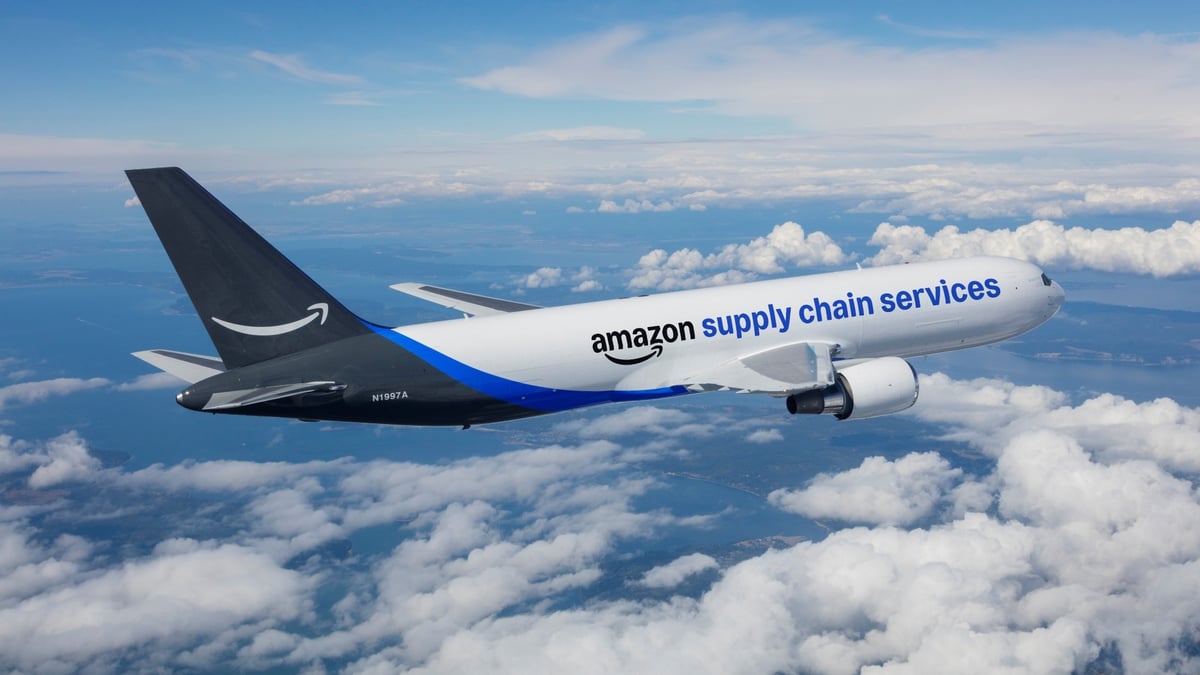
Amazon Launches Supply Chain Services, Disrupting Logistics Industry


- New Business Launch: Amazon announced the launch of Amazon Supply Chain Services (ASCS), opening its logistics network to external business customers, marking its direct competition in the logistics sector and potentially pressuring traditional delivery companies.
- Diverse Customer Base: Initial customers include Procter & Gamble, 3M, Lands' End, and American Eagle, which utilize Amazon's logistics services for raw material transportation and inventory unification, showcasing Amazon's potential in supply chain management.
- Large Market Size: The global third-party logistics services market is valued at $1.3 trillion, indicating that Amazon does not need to capture a significant market share to impact its overall business, highlighting the strategic significance of its market entry.
- Complex Competitive Outlook: While Amazon has robust infrastructure, historical precedents suggest that its threat to supermarkets and pharmacy sectors was exaggerated, indicating that its future success in logistics may still require time to validate.
See More

Saia, Inc. Reports Record Q1 2026 Earnings with $806 Million Revenue
- Record Revenue: Saia, Inc. achieved a record revenue of $806.2 million in Q1 2026, reflecting a 2.4% year-over-year increase, showcasing the company's resilience amid rising diesel costs and inflationary pressures, thus enhancing its competitive position in the market.
- Improving Claims Ratio: The company maintained a cargo claims ratio below 0.5% for the sixth consecutive quarter, indicating enhanced operational efficiency and improved customer service quality, which is likely to boost customer satisfaction and loyalty.
- Contract Renewals Drive Revenue Growth: The first quarter saw a contract renewal rate of 6.7%, which helped to gradually increase revenue per shipment throughout the quarter, although overall revenue per shipment decreased by 1.2%, reflecting intense market competition despite a 12.3% rise in fuel surcharge revenue.
- Optimistic Future Outlook: Management anticipates a 400 to 450 basis point improvement in operating ratio for Q2, contingent on normal seasonal demand development, which could further solidify the company's market position, although high diesel costs and inflation remain key uncertainties.
See More

XPO Stock Doubles Amid Positive Industry Outlook

- Significant Revenue Growth: XPO's Q1 revenue rose 7.3% year-over-year to $2.1 billion, surpassing market expectations of $2.04 billion, indicating a recovery in tonnage and shipments that reflects improving industry demand.
- Operational Efficiency Improvement: The company's operating ratio improved by 200 basis points to 83.9%, primarily due to a record low damage claims ratio of 0.2%, which not only reduced costs but also enhanced overall profitability.
- Capital Expenditure Plans: XPO plans to allocate 8%-12% of its revenue to capital expenditures through 2027 and expects free cash flow to double from last year's $329 million, demonstrating strong cash flow management and future investment potential.
- Market Share Expansion: The bankruptcy of Yellow has allowed XPO and its peers to gain market share, with industry dynamics enhancing pricing power, leading to anticipated sustained profit growth in the coming years, further solidifying its market position.
See More
FedEx Freight Spins Off and Begins Trading as Independent Entity
- Spin-Off Launch: FedEx Freight will complete its spinoff from FedEx Corp on Monday, starting to trade on the New York Stock Exchange under the symbol 'FDXF', marking its operation as the largest less-than-truckload service provider in the U.S. as an independent entity.
- Market Recovery: This debut occurs as freight rates may be emerging from a four-year slump, partly due to several operators exiting the market due to financial losses and federal regulators pushing to restrict commercial driver licenses to U.S. citizens only, creating market opportunities for the new company.
- Profit Potential: BMO Capital Markets analyst Fadi Chamoun noted that as a newly separated entity, FedEx Freight has significant margin improvement opportunities, though this is highly dependent on management's execution, particularly in enhancing service quality and revenue per shipment.
- Medium-Term Growth Outlook: CFO Marshall Witt stated that the company expects average revenue growth of 4% to 6% and core profit growth of 10% to 12% in the medium term, although short-term profits will be dampened by modernization investments and spinoff costs, long-term margin strength is anticipated through cost controls and automation.
See More
Tech Rally Lifts S&P 500 to Record Highs
- Tech Stock Performance: The S&P 500 reached new highs due to a tech rally, although Snowflake and Salesforce underperformed investor expectations, with gains of 2.6% and losses of 10% over the past three months, indicating a divergence in market sentiment towards tech stocks.
- Analyst Expectations: The majority of the 46 analysts covering Snowflake maintain buy or overweight ratings with a target price of $231.38, while 40 analysts for Salesforce share a similar outlook with a target of $254.43, suggesting ongoing confidence in both companies' future performance.
- Airline Stock Recovery: Airline stocks have performed well over the past month, with Delta Air Lines up about 16% and American Airlines up 22%, reflecting optimistic market sentiment ahead of the summer travel season, despite overall stock prices remaining below January highs.
- Impact of FedEx Spin-off: The upcoming listing of FedEx Freight marks increased Wall Street interest in less-than-truckload companies, with FedEx shares surging 45% over the past six months, indicating market recognition of its growth potential.
See More
Saia Inc. Expands Network with New Terminals in U.S.
- Network Expansion: Saia Inc. has opened two new freight terminals in Marysville, Washington, and Edinburgh, Indiana, which began operations on May 4 and this week respectively, aimed at enhancing service capabilities in the Pacific Northwest and Midwest to meet growing freight demand.
- Enhanced Regional Connectivity: The Marysville terminal supports freight movement across Washington and neighboring markets, while the Edinburgh facility strengthens coverage in a high-traffic logistics corridor south of Indianapolis, improving network flexibility and reducing transit variability for customers.
- Customer-Centric Strategy: Saia's Executive Vice President Patrick Sugar stated that the openings reflect the company's commitment to better meet customer needs by adding capacity in key areas, creating more efficient routing opportunities, and delivering a more consistent service experience.
- Infrastructure Investment: Saia continues to invest in its infrastructure to support long-term growth, ensuring its network aligns with evolving customer demands, thereby reinforcing its commitment to serving its clients and showcasing its leadership in freight and logistics services.
See More
Amazon Launches Supply Chain Services, Disrupting Logistics Industry
- New Business Launch: Amazon announced the launch of Amazon Supply Chain Services (ASCS), opening its logistics network to external business customers, marking its direct competition in the logistics sector and potentially pressuring traditional delivery companies.
- Diverse Customer Base: Initial customers include Procter & Gamble, 3M, Lands' End, and American Eagle, which utilize Amazon's logistics services for raw material transportation and inventory unification, showcasing Amazon's potential in supply chain management.
- Large Market Size: The global third-party logistics services market is valued at $1.3 trillion, indicating that Amazon does not need to capture a significant market share to impact its overall business, highlighting the strategic significance of its market entry.
- Complex Competitive Outlook: While Amazon has robust infrastructure, historical precedents suggest that its threat to supermarkets and pharmacy sectors was exaggerated, indicating that its future success in logistics may still require time to validate.
See More
Saia, Inc. Reports Record Q1 2026 Earnings with $806 Million Revenue
- Record Revenue: Saia, Inc. achieved a record revenue of $806.2 million in Q1 2026, reflecting a 2.4% year-over-year increase, showcasing the company's resilience amid rising diesel costs and inflationary pressures, thus enhancing its competitive position in the market.
- Improving Claims Ratio: The company maintained a cargo claims ratio below 0.5% for the sixth consecutive quarter, indicating enhanced operational efficiency and improved customer service quality, which is likely to boost customer satisfaction and loyalty.
- Contract Renewals Drive Revenue Growth: The first quarter saw a contract renewal rate of 6.7%, which helped to gradually increase revenue per shipment throughout the quarter, although overall revenue per shipment decreased by 1.2%, reflecting intense market competition despite a 12.3% rise in fuel surcharge revenue.
- Optimistic Future Outlook: Management anticipates a 400 to 450 basis point improvement in operating ratio for Q2, contingent on normal seasonal demand development, which could further solidify the company's market position, although high diesel costs and inflation remain key uncertainties.
See More
XPO Stock Doubles Amid Positive Industry Outlook
- Significant Revenue Growth: XPO's Q1 revenue rose 7.3% year-over-year to $2.1 billion, surpassing market expectations of $2.04 billion, indicating a recovery in tonnage and shipments that reflects improving industry demand.
- Operational Efficiency Improvement: The company's operating ratio improved by 200 basis points to 83.9%, primarily due to a record low damage claims ratio of 0.2%, which not only reduced costs but also enhanced overall profitability.
- Capital Expenditure Plans: XPO plans to allocate 8%-12% of its revenue to capital expenditures through 2027 and expects free cash flow to double from last year's $329 million, demonstrating strong cash flow management and future investment potential.
- Market Share Expansion: The bankruptcy of Yellow has allowed XPO and its peers to gain market share, with industry dynamics enhancing pricing power, leading to anticipated sustained profit growth in the coming years, further solidifying its market position.
See More