Rocket Lab's Stock Declines Amid Broader Market Gains
Rocket Lab Corp's stock fell by 5.33% as it crossed below the 5-day SMA, reflecting a downturn in its recent performance.
Despite the broader market strength, with the Nasdaq-100 up 0.26% and the S&P 500 up 0.06%, Rocket Lab's stock is experiencing a decline. This movement comes amid a backdrop of positive news regarding the company's anticipated 54.5% increase in Q1 sales to $189.4 million, although losses are expected to decrease only slightly. The market's focus on the upcoming SpaceX IPO and other competitors may be overshadowing Rocket Lab's growth potential.
The implications of this decline suggest that while Rocket Lab has strong growth prospects, investor sentiment may be influenced by external factors such as competitive pressures and market dynamics, leading to a temporary setback in its stock performance.
Trade with 70% Backtested Accuracy
Analyst Views on RKLB

About RKLB
About the author

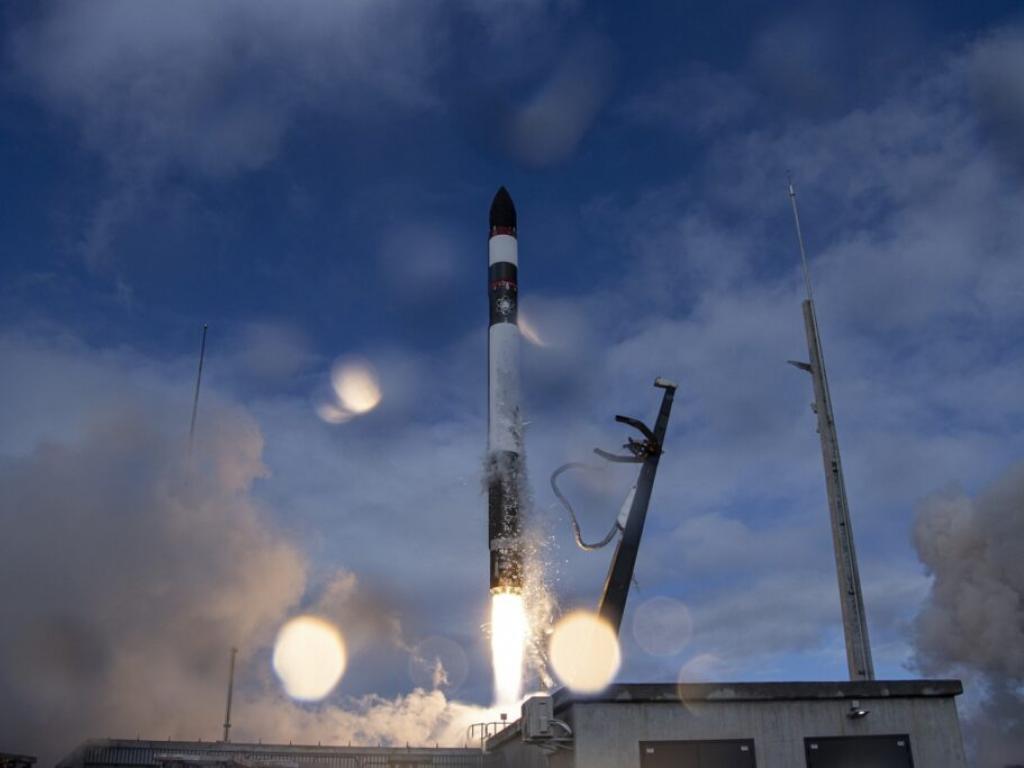
Rocket Lab Secures NASA Launch Contracts

- Satellite Launch Achievement: Rocket Lab successfully placed Synspective's tenth StriX radar Earth-observation satellite into a 552 km orbit, showcasing its technical prowess and market competitiveness in satellite launches, thereby reinforcing its position as a reliable launch service provider.
- NASA Contract Approval: Selected by NASA for three dedicated Electron launches supporting the PolSIR and TSIS-2 science missions starting in 2027, this contract not only provides a stable revenue stream but also enhances Rocket Lab's influence in the government and defense sectors.
- VICTUS HAZE Mission Success: The record-fast execution of the VICTUS HAZE mission demonstrates Rocket Lab's capability as a prime contractor, delivering vertically integrated spacecraft, launch, and on-orbit operations for a critical U.S. Space Force program, which could help secure higher-value defense contracts.
- Future Financial Outlook: Projecting $1.7 billion in revenue and $167.5 million in earnings by 2029, Rocket Lab's positive financial forecasts indicate significant growth potential in the defense and commercial space sectors, despite risks related to cash burn and equity dilution.
Analysis of Competition in Space Security Ecosystem
- Market Competition Landscape: Rocket Lab, BlackSky, and Kratos compete across different layers of the space security ecosystem, focusing on satellite networks, real-time intelligence, and launch capabilities, showcasing their unique market positioning and strategic directions.
- Shift in Defense Spending: The shift in defense spending towards more resilient satellite networks and real-time intelligence benefits all three companies, potentially driving their long-term growth and market share expansion.
- Investor Focus: A key question for investors is which stock offers the best mix of upside potential and long-term strategic relevance, reflecting market expectations for future demand in space security.
- Price Data Reference: Market prices as of June 17, 2026, indicate that Rocket Lab, BlackSky, and Kratos saw stock price increases of 4.67%, 1.68%, and 1.92% respectively, demonstrating market confidence and investment interest in these companies.

Space Economy Thrives, Creating New Job Opportunities

- Growth of Space Economy: According to the World Economic Forum, the global space economy is growing at an annual rate of 9%, with the U.S. sector's total value reaching $613 billion in Q2 2025, reflecting a nearly $51.5 billion increase since 2012, indicating strong growth potential in the industry.
- Job Market Expansion: The U.S. space sector employs over 373,000 individuals, with a 27% increase over the past decade, significantly outpacing the 14% growth in the overall private sector, showcasing the industry's success in attracting young talent.
- Salary Attractiveness: The private space sector boasts an annual payroll of approximately $57.9 billion, with salaries typically ranging from $100,000 to $135,000, drawing many applicants despite facing a 16% employee turnover rate and skill shortages.
- Skills Shortage Challenge: Over half of space economy jobs require STEM skills, yet only about a quarter of the U.S. workforce has relevant training, leading to fierce competition among companies for talent, which hampers the industry's continued expansion.
SpaceX IPO Triggers Revaluation of Space Economy

- Impact of SpaceX IPO: SpaceX's listing on Nasdaq is expected to be one of the largest IPOs in history, establishing a market benchmark for the launch economy and prompting investors to seek listed investment opportunities, thereby enhancing the sector's overall investment appeal.
- Rocket Lab's Strong Performance: Rocket Lab reported record Q1 2026 revenue of $200.3 million, a 63% year-over-year increase, with a backlog exceeding $2.2 billion, demonstrating its robust growth potential in the space launch market.
- Strategic Importance of Neutron Rocket: Rocket Lab's Neutron rocket is targeted for its first flight in 2026, aiming to enter the medium-lift market dominated by SpaceX; a successful launch would significantly enhance its competitive position as a credible challenger among U.S.-listed companies.
- Sector Revaluation and Investment Opportunities: Following SpaceX's IPO, investor interest in the space industry has surged, with Rocket Lab emerging as the most direct public investment choice, reflecting market expectations for long-term growth in space launch and related systems.
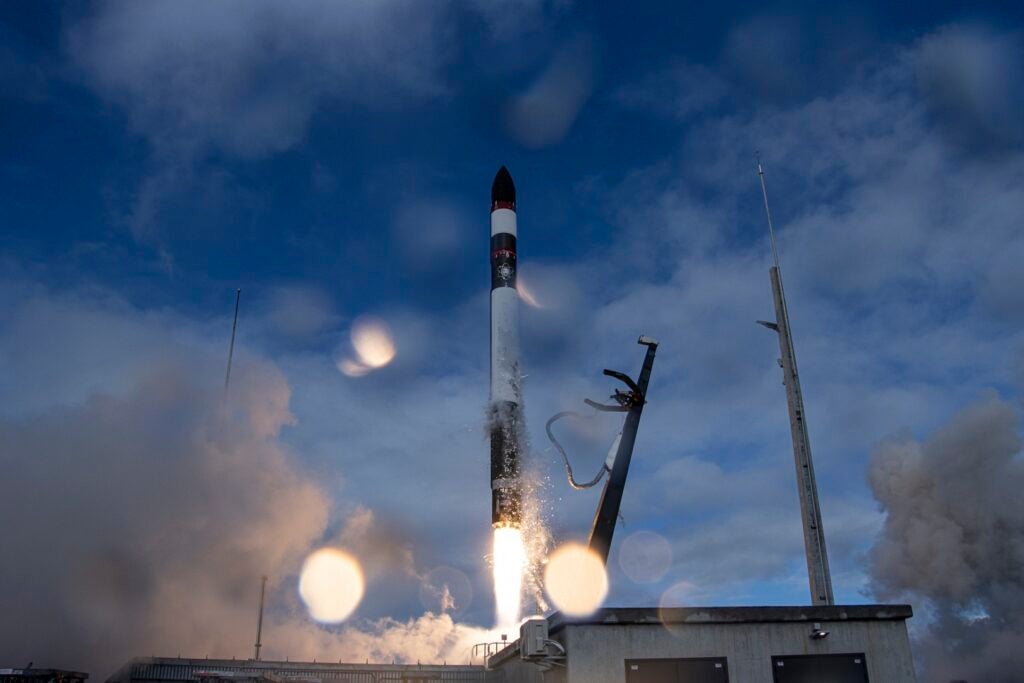
SpaceX IPO Triggers Revaluation of Space Economy
- Space Economy Valuation Surge: SpaceX's 2026 Nasdaq listing is projected to be one of the largest IPOs in history, establishing a market reference price for the launch economy and prompting investors to seek listed investment opportunities.
- Rocket Lab's Strong Performance: Rocket Lab reported record Q1 2026 revenue of $200.3 million, a 63% year-over-year increase, with a backlog exceeding $2.2 billion, indicating robust growth potential in the space launch market.
- Strategic Importance of Neutron: Rocket Lab's Neutron rocket is targeted for a 2026 debut, aiming to compete directly with SpaceX's Falcon 9; a successful launch would significantly enhance its market position as a credible competitor among U.S.-listed companies.
- Industry Restructuring and Investor Focus: Following SpaceX's IPO, the revaluation of the space industry has accelerated, with Rocket Lab emerging as the most cited public proxy, reflecting growing investor confidence in the sector's investment potential.
Rocket Lab Successfully Launches Synspective's 10th Satellite
- 100% Success Rate: Rocket Lab successfully launched Synspective's 10th satellite, marking the deployment of all 10 satellites in its StriX network, which further solidifies its leadership in the small launch market.
- Future Launch Plans: Synspective has booked 17 additional launches with Rocket Lab to complete its satellite constellation deployment over the next decade, demonstrating strong confidence in its Earth observation capabilities.
- Positive Stock Reaction: Rocket Lab's stock rose approximately 5% following the successful launch and continued to gain 1% in after-hours trading, reflecting market recognition of its ongoing success and investor optimism.
- NASA Collaboration Expansion: Rocket Lab has been selected by NASA for three Electron rocket launches, enhancing its influence in the aerospace sector, with missions expected to occur in 2027, indicating growth potential in government contracts.
Rocket Lab Secures NASA Launch Contracts
- Satellite Launch Achievement: Rocket Lab successfully placed Synspective's tenth StriX radar Earth-observation satellite into a 552 km orbit, showcasing its technical prowess and market competitiveness in satellite launches, thereby reinforcing its position as a reliable launch service provider.
- NASA Contract Approval: Selected by NASA for three dedicated Electron launches supporting the PolSIR and TSIS-2 science missions starting in 2027, this contract not only provides a stable revenue stream but also enhances Rocket Lab's influence in the government and defense sectors.
- VICTUS HAZE Mission Success: The record-fast execution of the VICTUS HAZE mission demonstrates Rocket Lab's capability as a prime contractor, delivering vertically integrated spacecraft, launch, and on-orbit operations for a critical U.S. Space Force program, which could help secure higher-value defense contracts.
- Future Financial Outlook: Projecting $1.7 billion in revenue and $167.5 million in earnings by 2029, Rocket Lab's positive financial forecasts indicate significant growth potential in the defense and commercial space sectors, despite risks related to cash burn and equity dilution.
Analysis of Competition in Space Security Ecosystem
- Market Competition Landscape: Rocket Lab, BlackSky, and Kratos compete across different layers of the space security ecosystem, focusing on satellite networks, real-time intelligence, and launch capabilities, showcasing their unique market positioning and strategic directions.
- Shift in Defense Spending: The shift in defense spending towards more resilient satellite networks and real-time intelligence benefits all three companies, potentially driving their long-term growth and market share expansion.
- Investor Focus: A key question for investors is which stock offers the best mix of upside potential and long-term strategic relevance, reflecting market expectations for future demand in space security.
- Price Data Reference: Market prices as of June 17, 2026, indicate that Rocket Lab, BlackSky, and Kratos saw stock price increases of 4.67%, 1.68%, and 1.92% respectively, demonstrating market confidence and investment interest in these companies.
Space Economy Thrives, Creating New Job Opportunities
- Growth of Space Economy: According to the World Economic Forum, the global space economy is growing at an annual rate of 9%, with the U.S. sector's total value reaching $613 billion in Q2 2025, reflecting a nearly $51.5 billion increase since 2012, indicating strong growth potential in the industry.
- Job Market Expansion: The U.S. space sector employs over 373,000 individuals, with a 27% increase over the past decade, significantly outpacing the 14% growth in the overall private sector, showcasing the industry's success in attracting young talent.
- Salary Attractiveness: The private space sector boasts an annual payroll of approximately $57.9 billion, with salaries typically ranging from $100,000 to $135,000, drawing many applicants despite facing a 16% employee turnover rate and skill shortages.
- Skills Shortage Challenge: Over half of space economy jobs require STEM skills, yet only about a quarter of the U.S. workforce has relevant training, leading to fierce competition among companies for talent, which hampers the industry's continued expansion.
SpaceX IPO Triggers Revaluation of Space Economy
- Impact of SpaceX IPO: SpaceX's listing on Nasdaq is expected to be one of the largest IPOs in history, establishing a market benchmark for the launch economy and prompting investors to seek listed investment opportunities, thereby enhancing the sector's overall investment appeal.
- Rocket Lab's Strong Performance: Rocket Lab reported record Q1 2026 revenue of $200.3 million, a 63% year-over-year increase, with a backlog exceeding $2.2 billion, demonstrating its robust growth potential in the space launch market.
- Strategic Importance of Neutron Rocket: Rocket Lab's Neutron rocket is targeted for its first flight in 2026, aiming to enter the medium-lift market dominated by SpaceX; a successful launch would significantly enhance its competitive position as a credible challenger among U.S.-listed companies.
- Sector Revaluation and Investment Opportunities: Following SpaceX's IPO, investor interest in the space industry has surged, with Rocket Lab emerging as the most direct public investment choice, reflecting market expectations for long-term growth in space launch and related systems.
SpaceX IPO Triggers Revaluation of Space Economy
- Space Economy Valuation Surge: SpaceX's 2026 Nasdaq listing is projected to be one of the largest IPOs in history, establishing a market reference price for the launch economy and prompting investors to seek listed investment opportunities.
- Rocket Lab's Strong Performance: Rocket Lab reported record Q1 2026 revenue of $200.3 million, a 63% year-over-year increase, with a backlog exceeding $2.2 billion, indicating robust growth potential in the space launch market.
- Strategic Importance of Neutron: Rocket Lab's Neutron rocket is targeted for a 2026 debut, aiming to compete directly with SpaceX's Falcon 9; a successful launch would significantly enhance its market position as a credible competitor among U.S.-listed companies.
- Industry Restructuring and Investor Focus: Following SpaceX's IPO, the revaluation of the space industry has accelerated, with Rocket Lab emerging as the most cited public proxy, reflecting growing investor confidence in the sector's investment potential.
Rocket Lab Successfully Launches Synspective's 10th Satellite
- 100% Success Rate: Rocket Lab successfully launched Synspective's 10th satellite, marking the deployment of all 10 satellites in its StriX network, which further solidifies its leadership in the small launch market.
- Future Launch Plans: Synspective has booked 17 additional launches with Rocket Lab to complete its satellite constellation deployment over the next decade, demonstrating strong confidence in its Earth observation capabilities.
- Positive Stock Reaction: Rocket Lab's stock rose approximately 5% following the successful launch and continued to gain 1% in after-hours trading, reflecting market recognition of its ongoing success and investor optimism.
- NASA Collaboration Expansion: Rocket Lab has been selected by NASA for three Electron rocket launches, enhancing its influence in the aerospace sector, with missions expected to occur in 2027, indicating growth potential in government contracts.