

Philip Morris Faces Challenges Amid FDA Resistance to Nicotine Pouch Approval
Philip Morris International Inc (PM) has seen its stock price decline as it hits a 20-day low amid broader market gains, with the Nasdaq-100 up 0.75% and the S&P 500 up 0.55%.
The recent resistance to the FDA's fast-track approval plan for nicotine pouches has raised concerns for PM, as the initiative faces scrutiny over addiction risks among youth. This uncertainty complicates the company's efforts to expand its smoke-free product line, which has been a significant focus of its growth strategy. Despite the challenges, PM continues to emphasize its commitment to innovation and sustainability, as highlighted in its recent Value Report 2025.
The implications of this resistance could impact PM's market position and growth trajectory, especially as nicotine pouches represent a rapidly growing segment in the tobacco industry. Investors will be closely monitoring how the company navigates these regulatory hurdles while maintaining its leadership in smoke-free alternatives.
Trade with 70% Backtested Accuracy
Analyst Views on PM

About PM
About the author


Philip Morris International Announces Key Leadership Appointments
- Leadership Strengthening: Philip Morris International has appointed Marco Hannappel as President of the Europe Region and Can Kuterdem as President of the Latin America & Canada Region, effective August 1, 2026, aiming to support the company's transition towards a smoke-free future and enhance its leadership pipeline.
- Experienced Leaders: Hannappel has held several senior leadership roles since joining the company in 2019, successfully driving business growth in complex market environments, indicating the company's emphasis on international experience and market adaptability in its leadership selection.
- Strategic Restructuring: These appointments align with the new organizational model implemented in early 2026, aimed at enhancing overall business performance through strengthened regional leadership, ensuring that the regional presidents report directly to Frederic de Wilde, CEO of the International Business Unit.
- Market Orientation: Kuterdem's successful transformation of the Polish market into a multi-category business during his tenure as Managing Director highlights his people-centric leadership style and market orientation, suggesting new growth opportunities for the company in the Latin America and Canada region.

SpaceX's Strong IPO Performance and Valuation Concerns

- IPO Performance: SpaceX went public on June 12 at $135 per share, opened at $150, and is currently trading at $180, achieving a market cap of $2.1 trillion, which reflects strong market expectations for its future growth.
- Valuation Risks: Despite its massive valuation, SpaceX trades at 113 times its projected 2025 revenue of $18.7 billion, indicating concerns about its profitability, especially as losses in its space and AI divisions offset Starlink's profits.
- Profitability Challenges: Currently unprofitable, SpaceX's losses in its space and newly integrated AI divisions completely erase Starlink's profits, leading analysts to advise against investing in its stock until the hype subsides to avoid risks associated with high valuations.
- Investment Recommendations: Analysts suggest accumulating solid dividend stocks like Realty Income, Williams Companies, and Philip Morris International to ensure consistent income amidst market volatility, demonstrating a cautious approach towards high-risk stocks.

SpaceX IPO Too Hot; Consider Stable Dividend Stocks Instead
- SpaceX IPO Performance: SpaceX went public on June 12 at $135 per share, opened at $150, and currently trades at $180, giving it a market cap of $2.1 trillion, making it the sixth most valuable company globally; however, it trades at 113 times its projected 2025 revenue, indicating significant overvaluation risks.
- Profitability Concerns: Currently unprofitable, SpaceX's losses from its space and newly integrated AI divisions completely offset Starlink's profits, suggesting that investors should exercise caution and wait for the hype to subside before considering an investment.
- Real Estate Investment Trust: Realty Income, owning over 15,500 commercial properties, has maintained an occupancy rate above 96% since its IPO in 1994, with expected adjusted funds from operations per share growth of 3%-4% in 2026, offering a forward dividend yield of 5.2%, making it a solid investment choice.
- Natural Gas Pipeline Company: Williams operates over 33,000 miles of pipeline, with analysts projecting a 13% EPS growth to $2.38, covering its $2.10 forward dividend, and has raised its payout annually for the past decade, showcasing its stable profitability and investment appeal.
U.S. Consumer Sentiment Rises Amid Energy Price Easing

- Consumer Sentiment Improvement: The University of Michigan's preliminary consumer sentiment index rose to 48.9 in June from a record low of 44.8 in May, indicating cautious optimism among consumers despite being the second-lowest level since the 1970s, reflecting lingering economic concerns.
- Energy Price Impact: A significant drop in oil prices, with U.S. crude down 3.4% to $84.76 per barrel, driven by optimism over a potential U.S.-Iran deal, served as a primary catalyst for the sentiment increase, particularly benefiting middle and lower-income households who are more sensitive to fuel costs.
- Strong Retail Spending: The rise in consumer morale aligns with data showing U.S. retail sales increased in May, driven by e-commerce growth, suggesting that household demand remains robust despite high borrowing costs and uneven inflation, as reported by the National Retail Federation.
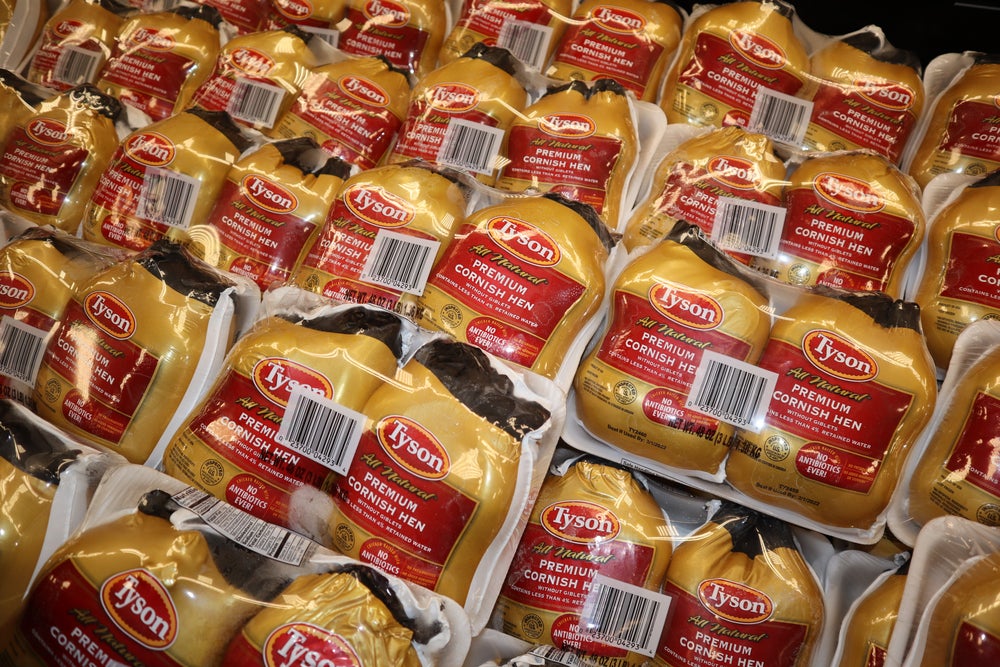
- Divergent Stock Performance: Consumer staples stocks like Tyson Foods and Philip Morris saw slight gains, while consumer discretionary stocks faced pressure, with the Consumer Staples Select Sector SPDR Fund (XLP) rising about 0.1% and the consumer discretionary ETF (XLY) slipping 0.7%, indicating varying market confidence across sectors.

Philip Morris Declares Quarterly Dividend
- Quarterly Dividend Declaration: Philip Morris International's Board of Directors declared a quarterly dividend of $1.47 per common share, payable on July 20, 2026, reflecting the company's stable cash flow and commitment to shareholders.
- Dividend Payment Dates: The record date for the dividend is June 25, 2026, with the ex-dividend date also set for June 25, which will influence investors' holding decisions and may attract more long-term investors.
- Smoke-Free Product Market: As of December 31, 2025, Philip Morris's smoke-free products are sold in over 105 markets, with 43 million legal-age consumers using them, indicating significant progress in the company's transformation efforts.
- R&D Investment: Since 2008, Philip Morris has invested over $16 billion in developing smoke-free products, demonstrating the company's commitment to reducing cigarette sales and promoting the commercialization of healthier alternatives.
Philip Morris Declares $1.47 Quarterly Dividend, Consistent Yield
- Stable Quarterly Dividend: Philip Morris has declared a quarterly dividend of $1.47 per share, consistent with previous quarters, demonstrating the company's ongoing ability to maintain cash flow and shareholder returns, which is likely to attract income-seeking investors.
- Dividend Payment Schedule: The dividend is payable on July 20, with a record date of June 25 and an ex-dividend date also on June 25, ensuring shareholders receive timely returns and bolstering investor confidence.
- Consistent Dividend Performance: The company has announced a dividend of $1.47 for four consecutive quarters, indicating its ability to uphold a stable dividend policy amid market challenges, reflecting management's confidence in future cash flows.
- Market Impact Analysis: Despite facing pressures from a $500 million impairment in Canada and ruble depreciation, the stable dividend policy may alleviate investor concerns regarding the company's long-term profitability, enhancing its appeal in the consumer staples sector.
Philip Morris International Announces Key Leadership Appointments
- Leadership Strengthening: Philip Morris International has appointed Marco Hannappel as President of the Europe Region and Can Kuterdem as President of the Latin America & Canada Region, effective August 1, 2026, aiming to support the company's transition towards a smoke-free future and enhance its leadership pipeline.
- Experienced Leaders: Hannappel has held several senior leadership roles since joining the company in 2019, successfully driving business growth in complex market environments, indicating the company's emphasis on international experience and market adaptability in its leadership selection.
- Strategic Restructuring: These appointments align with the new organizational model implemented in early 2026, aimed at enhancing overall business performance through strengthened regional leadership, ensuring that the regional presidents report directly to Frederic de Wilde, CEO of the International Business Unit.
- Market Orientation: Kuterdem's successful transformation of the Polish market into a multi-category business during his tenure as Managing Director highlights his people-centric leadership style and market orientation, suggesting new growth opportunities for the company in the Latin America and Canada region.
SpaceX's Strong IPO Performance and Valuation Concerns
- IPO Performance: SpaceX went public on June 12 at $135 per share, opened at $150, and is currently trading at $180, achieving a market cap of $2.1 trillion, which reflects strong market expectations for its future growth.
- Valuation Risks: Despite its massive valuation, SpaceX trades at 113 times its projected 2025 revenue of $18.7 billion, indicating concerns about its profitability, especially as losses in its space and AI divisions offset Starlink's profits.
- Profitability Challenges: Currently unprofitable, SpaceX's losses in its space and newly integrated AI divisions completely erase Starlink's profits, leading analysts to advise against investing in its stock until the hype subsides to avoid risks associated with high valuations.
- Investment Recommendations: Analysts suggest accumulating solid dividend stocks like Realty Income, Williams Companies, and Philip Morris International to ensure consistent income amidst market volatility, demonstrating a cautious approach towards high-risk stocks.
SpaceX IPO Too Hot; Consider Stable Dividend Stocks Instead
- SpaceX IPO Performance: SpaceX went public on June 12 at $135 per share, opened at $150, and currently trades at $180, giving it a market cap of $2.1 trillion, making it the sixth most valuable company globally; however, it trades at 113 times its projected 2025 revenue, indicating significant overvaluation risks.
- Profitability Concerns: Currently unprofitable, SpaceX's losses from its space and newly integrated AI divisions completely offset Starlink's profits, suggesting that investors should exercise caution and wait for the hype to subside before considering an investment.
- Real Estate Investment Trust: Realty Income, owning over 15,500 commercial properties, has maintained an occupancy rate above 96% since its IPO in 1994, with expected adjusted funds from operations per share growth of 3%-4% in 2026, offering a forward dividend yield of 5.2%, making it a solid investment choice.
- Natural Gas Pipeline Company: Williams operates over 33,000 miles of pipeline, with analysts projecting a 13% EPS growth to $2.38, covering its $2.10 forward dividend, and has raised its payout annually for the past decade, showcasing its stable profitability and investment appeal.
U.S. Consumer Sentiment Rises Amid Energy Price Easing
- Consumer Sentiment Improvement: The University of Michigan's preliminary consumer sentiment index rose to 48.9 in June from a record low of 44.8 in May, indicating cautious optimism among consumers despite being the second-lowest level since the 1970s, reflecting lingering economic concerns.
- Energy Price Impact: A significant drop in oil prices, with U.S. crude down 3.4% to $84.76 per barrel, driven by optimism over a potential U.S.-Iran deal, served as a primary catalyst for the sentiment increase, particularly benefiting middle and lower-income households who are more sensitive to fuel costs.
- Strong Retail Spending: The rise in consumer morale aligns with data showing U.S. retail sales increased in May, driven by e-commerce growth, suggesting that household demand remains robust despite high borrowing costs and uneven inflation, as reported by the National Retail Federation.
- Divergent Stock Performance: Consumer staples stocks like Tyson Foods and Philip Morris saw slight gains, while consumer discretionary stocks faced pressure, with the Consumer Staples Select Sector SPDR Fund (XLP) rising about 0.1% and the consumer discretionary ETF (XLY) slipping 0.7%, indicating varying market confidence across sectors.
Philip Morris Declares Quarterly Dividend
- Quarterly Dividend Declaration: Philip Morris International's Board of Directors declared a quarterly dividend of $1.47 per common share, payable on July 20, 2026, reflecting the company's stable cash flow and commitment to shareholders.
- Dividend Payment Dates: The record date for the dividend is June 25, 2026, with the ex-dividend date also set for June 25, which will influence investors' holding decisions and may attract more long-term investors.
- Smoke-Free Product Market: As of December 31, 2025, Philip Morris's smoke-free products are sold in over 105 markets, with 43 million legal-age consumers using them, indicating significant progress in the company's transformation efforts.
- R&D Investment: Since 2008, Philip Morris has invested over $16 billion in developing smoke-free products, demonstrating the company's commitment to reducing cigarette sales and promoting the commercialization of healthier alternatives.
Philip Morris Declares $1.47 Quarterly Dividend, Consistent Yield
- Stable Quarterly Dividend: Philip Morris has declared a quarterly dividend of $1.47 per share, consistent with previous quarters, demonstrating the company's ongoing ability to maintain cash flow and shareholder returns, which is likely to attract income-seeking investors.
- Dividend Payment Schedule: The dividend is payable on July 20, with a record date of June 25 and an ex-dividend date also on June 25, ensuring shareholders receive timely returns and bolstering investor confidence.
- Consistent Dividend Performance: The company has announced a dividend of $1.47 for four consecutive quarters, indicating its ability to uphold a stable dividend policy amid market challenges, reflecting management's confidence in future cash flows.
- Market Impact Analysis: Despite facing pressures from a $500 million impairment in Canada and ruble depreciation, the stable dividend policy may alleviate investor concerns regarding the company's long-term profitability, enhancing its appeal in the consumer staples sector.




