O'Reilly Automotive Stock Drops Amid Market Gains
O'Reilly Automotive's stock has dropped 3.5% today, hitting a 52-week low and making it the worst performer in the Nasdaq 100, indicating market concerns about its future growth and potentially impacting investor confidence.
The decline in O'Reilly Automotive's stock comes amid strong market performance, with the S&P 500 and Nasdaq 100 both reaching all-time highs. This suggests a sector rotation, as investors may be reallocating their assets towards better-performing stocks, leading to a reassessment of O'Reilly's profitability in the current economic climate.
The volatility in O'Reilly's stock price may prompt investors to reconsider their positions, especially given the competitive challenges the company faces in the automotive parts market, which could lead to further market share loss.
Trade with 70% Backtested Accuracy
Analyst Views on ORLY

About ORLY
About the author


Stock Performance Comparison: PANW vs. ORLY


- Price Movement: As of midday Thursday, PANW's stock is up approximately 3.1%, indicating a positive market sentiment towards its future performance, which may reflect investor confidence in its growth potential.
- ORLY Decline: In contrast, ORLY's stock is down about 0.7%, suggesting potential market concerns regarding its recent performance or outlook, which could impact investor confidence and future financing capabilities.
- Market Comparison: The differing stock performances may reflect varying market dynamics within their respective industries, prompting investors to monitor fundamental changes for more informed investment decisions.
- Investor Sentiment: The rise in PANW may attract more investor interest, while ORLY's decline could lead to capital outflows, affecting shareholder returns and market positioning.
Investment Outlook for O'Reilly and Lucid

- O'Reilly's Growth Potential: O'Reilly Automotive has achieved an annual revenue growth of approximately 8% and earnings growth of 17% over the past decade, positioning itself as a leader among auto parts retailers; despite a 15% decline from its all-time high, its strong performance indicates potential for long-term investment.
- Valuation Concerns: While O'Reilly reported an 8% sales increase and a 16% earnings increase in Q1, its price-to-sales ratio stands at 4.2x and price-to-earnings ratio at 29x, both exceeding five-year averages, suggesting that the current stock price remains expensive, prompting value investors to exercise patience.
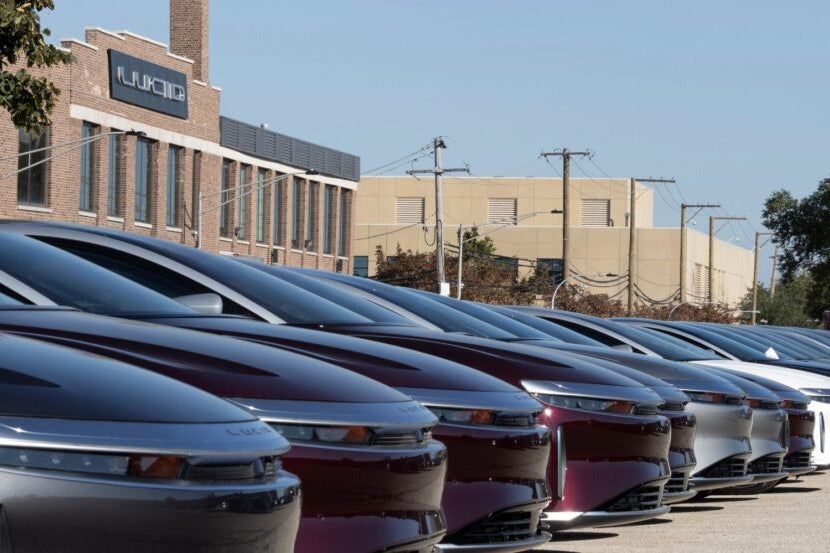
- Lucid's Production Challenges: Lucid Group's stock has plummeted about 99% from its peak, with only 4,774 vehicles produced in Q1, significantly trailing Tesla's 451,758 vehicles, indicating a lack of competitiveness in the EV market and risks of failing to meet production targets.
- New Leadership Team's Hurdles: Following a CEO change and the suspension of full-year production guidance, Lucid's new team may have the potential to turn the situation around, but the company continues to incur losses on each vehicle sold, suggesting investors should remain cautious until it achieves gross profitability.

Market Outlook for O'Reilly and Lucid Group
- O'Reilly's Growth Potential: O'Reilly Automotive has seen its revenues increase at an annualized rate of approximately 8% over the past decade, with earnings growing at 17%, indicating strong performance in both retail and commercial segments, despite a current stock price decline of about 15% from its all-time highs.
- Valuation Pressure: Although O'Reilly reported an 8% sales increase and a 16% earnings increase in Q1 2026, its price-to-sales ratio stands at 4.2x, above the five-year average of 4x, and its price-to-earnings ratio is 29x, suggesting that the stock remains expensive, warranting caution for long-term investors.
- Lucid's Production Struggles: Lucid Group produced only 4,774 vehicles in Q1 2026, compared to Tesla's 451,758, highlighting its negligible presence in the EV market, while the company continues to face challenges with ongoing losses on each vehicle sold.
- Challenges for New Leadership Team: With a new CEO and the suspension of full-year production guidance, Lucid's new leadership team may have potential to turn things around, but investors should remain cautious until the company shows signs of profitability.
REE Automotive Decides Not to Appeal Nasdaq Delisting

- REE Automotive Delisting Decision: REE Automotive's stock plummeted 63% to a 52-week low of $0.068 after confirming its Nasdaq delisting, as investors expressed disappointment over the company's failure to regain compliance, intensifying selling pressure and impacting future financing capabilities.
- Hertz Stock Decline: Hertz's stock fell to a five-year low of $2.02 due to investor concerns over the company's financial outlook and fleet management issues following its $100 million equity offering and $350 million debt sale aimed at improving liquidity, leading to diminished investor confidence.
- O'Reilly Acquisition Concerns: O'Reilly Automotive's stock dropped to a 52-week low of $82.71 as investors reassessed the potential impact of a reported $10 billion acquisition of Genuine Parts' automotive business, raising concerns about financing and future debt levels that could affect the company's ongoing share repurchase program.
- Market Sentiment Shift: Despite REE and Hertz stocks crashing 89% and 60% year-to-date, respectively, O'Reilly's market sentiment shifted from neutral to bullish, indicating investor interest in its acquisition potential, although regulatory review risks loom over the deal.

O'Reilly's Potential $10 Billion Acquisition of Genuine Parts Affects AutoZone Stock
- Acquisition Rumors Impact Stock: O'Reilly Automotive's reported buyout offer for Genuine Parts' auto parts distribution arm, potentially valued at over $10 billion, led to a more than 6% drop in AutoZone's stock, indicating investor sensitivity to market dynamics.
- Market Reaction Analysis: Although neither O'Reilly nor Genuine Parts has officially commented on the matter, the market's reaction to the potential merger reflects concerns over industry consolidation, which could affect the stock performance of related companies.
- Business Scale and Impact: Genuine Parts' Napa brand boasts 10,000 retail locations globally, with projected sales exceeding $15 billion by 2025; a successful acquisition by O'Reilly would significantly enhance its market share and competitive position.
- Legal Barrier Risks: While the acquisition rumors have sparked market interest, potential antitrust issues could pose legal hurdles for O'Reilly in acquiring Genuine Parts, prompting investors to carefully assess the long-term impact of this risk on stock prices.

O'Reilly's Potential Acquisition of Genuine Parts Weighs on AutoZone Shares
- Stock Decline: AutoZone's shares fell over 6% on Monday as investor sentiment soured due to speculation surrounding O'Reilly's potential acquisition of Genuine Parts, indicating concerns about industry consolidation that could impact AutoZone's competitive position.
- Acquisition Rumor: Bloomberg reported that O'Reilly Automotive made an all-cash buyout offer exceeding $10 billion for Genuine Parts' auto parts distribution arm, which, if successful, would significantly enhance O'Reilly's market share and operational capacity.
- Market Reaction: Although Genuine Parts has not officially commented on the acquisition rumors, its distribution business is projected to generate over $15 billion in sales by 2025, and a successful acquisition could have profound implications for O'Reilly's future growth trajectory.
- Legal Risks: Despite the heightened market interest from the acquisition rumors, potential antitrust legal hurdles could complicate any deal between O'Reilly and Genuine Parts, necessitating caution from investors regarding trading in related stocks.
Stock Performance Comparison: PANW vs. ORLY
- Price Movement: As of midday Thursday, PANW's stock is up approximately 3.1%, indicating a positive market sentiment towards its future performance, which may reflect investor confidence in its growth potential.
- ORLY Decline: In contrast, ORLY's stock is down about 0.7%, suggesting potential market concerns regarding its recent performance or outlook, which could impact investor confidence and future financing capabilities.
- Market Comparison: The differing stock performances may reflect varying market dynamics within their respective industries, prompting investors to monitor fundamental changes for more informed investment decisions.
- Investor Sentiment: The rise in PANW may attract more investor interest, while ORLY's decline could lead to capital outflows, affecting shareholder returns and market positioning.
Investment Outlook for O'Reilly and Lucid
- O'Reilly's Growth Potential: O'Reilly Automotive has achieved an annual revenue growth of approximately 8% and earnings growth of 17% over the past decade, positioning itself as a leader among auto parts retailers; despite a 15% decline from its all-time high, its strong performance indicates potential for long-term investment.
- Valuation Concerns: While O'Reilly reported an 8% sales increase and a 16% earnings increase in Q1, its price-to-sales ratio stands at 4.2x and price-to-earnings ratio at 29x, both exceeding five-year averages, suggesting that the current stock price remains expensive, prompting value investors to exercise patience.
- Lucid's Production Challenges: Lucid Group's stock has plummeted about 99% from its peak, with only 4,774 vehicles produced in Q1, significantly trailing Tesla's 451,758 vehicles, indicating a lack of competitiveness in the EV market and risks of failing to meet production targets.
- New Leadership Team's Hurdles: Following a CEO change and the suspension of full-year production guidance, Lucid's new team may have the potential to turn the situation around, but the company continues to incur losses on each vehicle sold, suggesting investors should remain cautious until it achieves gross profitability.
Market Outlook for O'Reilly and Lucid Group
- O'Reilly's Growth Potential: O'Reilly Automotive has seen its revenues increase at an annualized rate of approximately 8% over the past decade, with earnings growing at 17%, indicating strong performance in both retail and commercial segments, despite a current stock price decline of about 15% from its all-time highs.
- Valuation Pressure: Although O'Reilly reported an 8% sales increase and a 16% earnings increase in Q1 2026, its price-to-sales ratio stands at 4.2x, above the five-year average of 4x, and its price-to-earnings ratio is 29x, suggesting that the stock remains expensive, warranting caution for long-term investors.
- Lucid's Production Struggles: Lucid Group produced only 4,774 vehicles in Q1 2026, compared to Tesla's 451,758, highlighting its negligible presence in the EV market, while the company continues to face challenges with ongoing losses on each vehicle sold.
- Challenges for New Leadership Team: With a new CEO and the suspension of full-year production guidance, Lucid's new leadership team may have potential to turn things around, but investors should remain cautious until the company shows signs of profitability.
REE Automotive Decides Not to Appeal Nasdaq Delisting
- REE Automotive Delisting Decision: REE Automotive's stock plummeted 63% to a 52-week low of $0.068 after confirming its Nasdaq delisting, as investors expressed disappointment over the company's failure to regain compliance, intensifying selling pressure and impacting future financing capabilities.
- Hertz Stock Decline: Hertz's stock fell to a five-year low of $2.02 due to investor concerns over the company's financial outlook and fleet management issues following its $100 million equity offering and $350 million debt sale aimed at improving liquidity, leading to diminished investor confidence.
- O'Reilly Acquisition Concerns: O'Reilly Automotive's stock dropped to a 52-week low of $82.71 as investors reassessed the potential impact of a reported $10 billion acquisition of Genuine Parts' automotive business, raising concerns about financing and future debt levels that could affect the company's ongoing share repurchase program.
- Market Sentiment Shift: Despite REE and Hertz stocks crashing 89% and 60% year-to-date, respectively, O'Reilly's market sentiment shifted from neutral to bullish, indicating investor interest in its acquisition potential, although regulatory review risks loom over the deal.
O'Reilly's Potential $10 Billion Acquisition of Genuine Parts Affects AutoZone Stock
- Acquisition Rumors Impact Stock: O'Reilly Automotive's reported buyout offer for Genuine Parts' auto parts distribution arm, potentially valued at over $10 billion, led to a more than 6% drop in AutoZone's stock, indicating investor sensitivity to market dynamics.
- Market Reaction Analysis: Although neither O'Reilly nor Genuine Parts has officially commented on the matter, the market's reaction to the potential merger reflects concerns over industry consolidation, which could affect the stock performance of related companies.
- Business Scale and Impact: Genuine Parts' Napa brand boasts 10,000 retail locations globally, with projected sales exceeding $15 billion by 2025; a successful acquisition by O'Reilly would significantly enhance its market share and competitive position.
- Legal Barrier Risks: While the acquisition rumors have sparked market interest, potential antitrust issues could pose legal hurdles for O'Reilly in acquiring Genuine Parts, prompting investors to carefully assess the long-term impact of this risk on stock prices.
O'Reilly's Potential Acquisition of Genuine Parts Weighs on AutoZone Shares
- Stock Decline: AutoZone's shares fell over 6% on Monday as investor sentiment soured due to speculation surrounding O'Reilly's potential acquisition of Genuine Parts, indicating concerns about industry consolidation that could impact AutoZone's competitive position.
- Acquisition Rumor: Bloomberg reported that O'Reilly Automotive made an all-cash buyout offer exceeding $10 billion for Genuine Parts' auto parts distribution arm, which, if successful, would significantly enhance O'Reilly's market share and operational capacity.
- Market Reaction: Although Genuine Parts has not officially commented on the acquisition rumors, its distribution business is projected to generate over $15 billion in sales by 2025, and a successful acquisition could have profound implications for O'Reilly's future growth trajectory.
- Legal Risks: Despite the heightened market interest from the acquisition rumors, potential antitrust legal hurdles could complicate any deal between O'Reilly and Genuine Parts, necessitating caution from investors regarding trading in related stocks.