Oracle's OPERA Cloud Approved by IHG for Enhanced Hospitality Management

Oracle Corp's stock fell 3.00% and hit a 20-day low amid mixed market performance, with the Nasdaq-100 down 0.05% and the S&P 500 up 0.17%.
The decline in Oracle's stock comes despite the recent approval of its OPERA Cloud by IHG Hotels & Resorts as a cloud-based property management system, enhancing operational standardization and decision-making flexibility for franchisees. This approval marks a significant step in their collaboration, showcasing Oracle's technological innovation and scalability in the hospitality sector.
This development could strengthen Oracle's position in the market, as the OPERA Cloud aims to improve guest experiences and operational efficiency across IHG properties, potentially leading to increased adoption and revenue growth in the hospitality management space.
Trade with 70% Backtested Accuracy
Analyst Views on ORCL

About ORCL
About the author


Oracle Corp. Cash Flow Tension Analysis
- Cash Flow Dilemma: Oracle Corp. generated $22 billion in operating cash flow last fiscal year but reported nearly zero free cash flow, indicating excessive capital expenditures that raise investor concerns about future profitability.
- Surge in Capital Expenditures: The company's infrastructure spending skyrocketed from $6.9 billion to $21.2 billion, resulting in a negative free cash flow of $394 million, highlighting financial pressures during its expansion that could impact future shareholder returns.
- Contract Revenue Surge: Oracle's remaining performance obligations reached $523 billion, a staggering 438% year-over-year increase, indicating strong market demand in the cloud infrastructure sector, yet the ability to convert this into cash flow remains uncertain.
- Market Valuation Fluctuations: Oracle's stock price plummeted from $326 to $145, with its price-to-earnings ratio dropping from 40x to 21.7x, reflecting a market reassessment of its future growth potential and sparking discussions on whether it is undervalued.

Defense Tech Investment Soars Amid Geopolitical Tensions
- Funding Surge: The defense tech sector's funding skyrocketed from $869 million in 2020 to $11.2 billion by 2025, reflecting a more than tenfold increase driven by rising global geopolitical tensions, particularly amid the Iran war.
- Rising Demand: Since the U.S. and Israel's initial strikes on Iran at the end of February, defense tech startups have reported a significant uptick in demand from Department of Defense customers, with many offering to buy out capacity or requesting increased production to meet escalating military needs.
- Workforce Expansion: In response to the Iran war, European-headquartered defense startups are set to increase their workforce in the Middle East, with Estonian drone and missile interceptor startup Frankenburg and Ukrainian-UK Uforce both announcing plans to ramp up hiring in the region.
- Challenges and Opportunities: Despite the surge in demand, the U.S. government has not provided a steady flow of contracts, leaving firms divided over whether to scale up capacity at the risk of profitability or hold back, while European startups face tough decisions on resource allocation between Middle Eastern opportunities and their home markets.

Why Oracle Could Outperform Nvidia Over Next Five Years


- Market Share Competition: Over the next five years, Oracle is expected to capture a larger share of the AI chip market, particularly as companies like Broadcom and AMD may dilute Nvidia's dominance, enhancing Oracle's competitive edge.
- Industry Trend Analysis: With the rising demand for AI, Oracle's technology and product offerings may align better with market needs, especially in enterprise solutions, which will help elevate its position in the industry.
- Investor Confidence Boost: Analysts are optimistic about Oracle's prospects, believing its performance will surpass Nvidia's over the next five years, potentially attracting more investor interest and driving stock price increases.
- Innovation Potential: Oracle's ongoing investments and R&D capabilities in the AI sector may allow it to lead in technological innovation over Nvidia, further solidifying its market position and driving long-term growth.

Why Oracle Could Outperform Nvidia in Five Years
- Market Share Competition: Over the next five years, Oracle is expected to capture a larger share of the AI chip market, particularly as companies like Broadcom and AMD may increase their market participation, thereby posing competitive pressure on Nvidia.
- Investment Return Potential: The Motley Fool analyst team notes that despite Nvidia's past performance, it is not included in the current list of 10 recommended stocks, indicating a cautious market sentiment regarding its future growth, which could impact its stock price performance.
- Historical Performance Comparison: According to Motley Fool data, previously recommended stocks like Netflix and Nvidia yielded massive returns for investors, at 532,066% and 1,087,496% respectively, highlighting the strong investment potential in emerging technology companies.
- Power of Investment Community: The Motley Fool's Stock Advisor service fosters a community of individual investors, emphasizing the importance of collective wisdom in identifying potential high-return investments, which may influence investor focus on Oracle and other companies.
Surge in Defense Tech Investments Amid Geopolitical Tensions
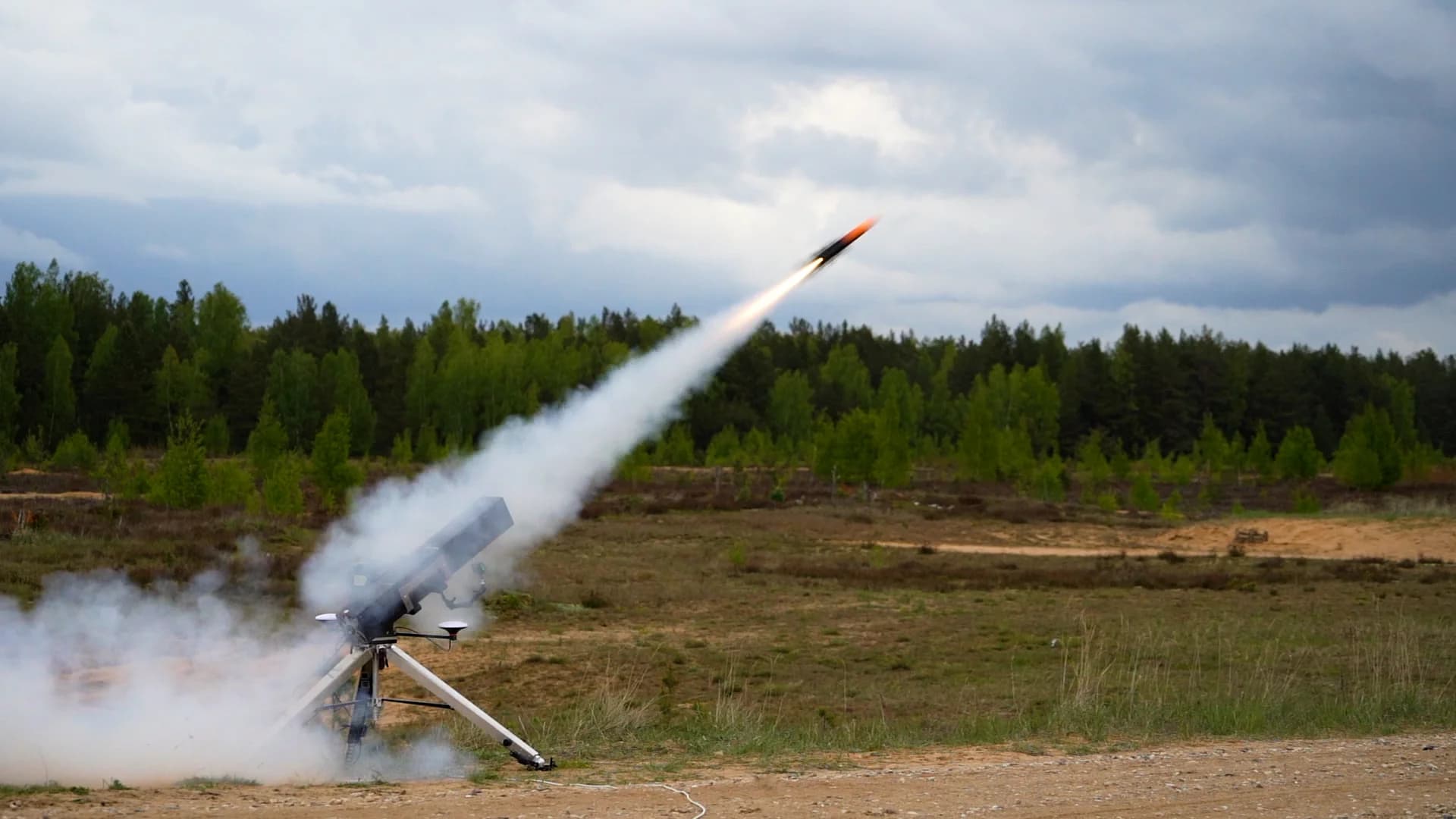
- Significant Investment Growth: According to Dealroom, defense tech funding was only $869 million globally in 2020, but is projected to surge to $11.2 billion by 2025, reflecting a more than tenfold increase driven by rising geopolitical tensions and demand for defense technologies.
- Rising Demand: Since the end of February, following U.S. and Israeli military actions against Iran, defense tech startups have reported a significant uptick in demand from Department of Defense customers, with many clients offering to buy out capacity or requesting increased production, indicating a pressing market need for new technologies.
- Opportunities in the Middle East: As conflicts escalate, defense tech startups in Europe and the U.S. are accelerating commercial discussions with Middle Eastern governments, particularly as interest from Gulf states skyrockets, highlighting urgent needs for defenses against drone and missile attacks.
- Human Resource Expansion: In response to the Iran war, European-headquartered defense startups are set to increase staffing in the Middle East, with Estonian startup Frankenburg and Ukrainian-UK Uforce both indicating plans to ramp up hiring in the region to meet the surging market demand.
Oracle Stock Plummets 57% Amid Rising Debt Concerns

- Significant Stock Decline: Oracle's stock has plummeted 57% from its peak of $328 last September, currently trading at $146.31, reflecting market concerns over its financial health, particularly amid rising debt levels that could undermine investor confidence.
- Surge in Cloud Demand: Despite Oracle generating $17.2 billion in total revenue for Q3 FY2026, a 22% year-over-year increase, with cloud infrastructure revenue soaring 84% to $4.9 billion, the high debt and customer dependency risks cloud its future growth prospects.
- Substantial Order Backlog: Oracle's remaining performance obligations (RPO) reached $553 billion, a staggering 325% increase year-over-year, indicating strong market demand; however, $300 billion of this is tied to high-risk clients like OpenAI, potentially jeopardizing cash flow stability.
- Uncertain Market Environment: While Oracle's P/E ratio of 25.1 is lower than the Nasdaq-100's 29.9, suggesting its stock may be undervalued, the high debt and customer reliance make it prudent for investors to exercise caution amid market instability.
Oracle Corp. Cash Flow Tension Analysis
- Cash Flow Dilemma: Oracle Corp. generated $22 billion in operating cash flow last fiscal year but reported nearly zero free cash flow, indicating excessive capital expenditures that raise investor concerns about future profitability.
- Surge in Capital Expenditures: The company's infrastructure spending skyrocketed from $6.9 billion to $21.2 billion, resulting in a negative free cash flow of $394 million, highlighting financial pressures during its expansion that could impact future shareholder returns.
- Contract Revenue Surge: Oracle's remaining performance obligations reached $523 billion, a staggering 438% year-over-year increase, indicating strong market demand in the cloud infrastructure sector, yet the ability to convert this into cash flow remains uncertain.
- Market Valuation Fluctuations: Oracle's stock price plummeted from $326 to $145, with its price-to-earnings ratio dropping from 40x to 21.7x, reflecting a market reassessment of its future growth potential and sparking discussions on whether it is undervalued.
Defense Tech Investment Soars Amid Geopolitical Tensions
- Funding Surge: The defense tech sector's funding skyrocketed from $869 million in 2020 to $11.2 billion by 2025, reflecting a more than tenfold increase driven by rising global geopolitical tensions, particularly amid the Iran war.
- Rising Demand: Since the U.S. and Israel's initial strikes on Iran at the end of February, defense tech startups have reported a significant uptick in demand from Department of Defense customers, with many offering to buy out capacity or requesting increased production to meet escalating military needs.
- Workforce Expansion: In response to the Iran war, European-headquartered defense startups are set to increase their workforce in the Middle East, with Estonian drone and missile interceptor startup Frankenburg and Ukrainian-UK Uforce both announcing plans to ramp up hiring in the region.
- Challenges and Opportunities: Despite the surge in demand, the U.S. government has not provided a steady flow of contracts, leaving firms divided over whether to scale up capacity at the risk of profitability or hold back, while European startups face tough decisions on resource allocation between Middle Eastern opportunities and their home markets.
Why Oracle Could Outperform Nvidia Over Next Five Years
- Market Share Competition: Over the next five years, Oracle is expected to capture a larger share of the AI chip market, particularly as companies like Broadcom and AMD may dilute Nvidia's dominance, enhancing Oracle's competitive edge.
- Industry Trend Analysis: With the rising demand for AI, Oracle's technology and product offerings may align better with market needs, especially in enterprise solutions, which will help elevate its position in the industry.
- Investor Confidence Boost: Analysts are optimistic about Oracle's prospects, believing its performance will surpass Nvidia's over the next five years, potentially attracting more investor interest and driving stock price increases.
- Innovation Potential: Oracle's ongoing investments and R&D capabilities in the AI sector may allow it to lead in technological innovation over Nvidia, further solidifying its market position and driving long-term growth.
Why Oracle Could Outperform Nvidia in Five Years
- Market Share Competition: Over the next five years, Oracle is expected to capture a larger share of the AI chip market, particularly as companies like Broadcom and AMD may increase their market participation, thereby posing competitive pressure on Nvidia.
- Investment Return Potential: The Motley Fool analyst team notes that despite Nvidia's past performance, it is not included in the current list of 10 recommended stocks, indicating a cautious market sentiment regarding its future growth, which could impact its stock price performance.
- Historical Performance Comparison: According to Motley Fool data, previously recommended stocks like Netflix and Nvidia yielded massive returns for investors, at 532,066% and 1,087,496% respectively, highlighting the strong investment potential in emerging technology companies.
- Power of Investment Community: The Motley Fool's Stock Advisor service fosters a community of individual investors, emphasizing the importance of collective wisdom in identifying potential high-return investments, which may influence investor focus on Oracle and other companies.
Surge in Defense Tech Investments Amid Geopolitical Tensions
- Significant Investment Growth: According to Dealroom, defense tech funding was only $869 million globally in 2020, but is projected to surge to $11.2 billion by 2025, reflecting a more than tenfold increase driven by rising geopolitical tensions and demand for defense technologies.
- Rising Demand: Since the end of February, following U.S. and Israeli military actions against Iran, defense tech startups have reported a significant uptick in demand from Department of Defense customers, with many clients offering to buy out capacity or requesting increased production, indicating a pressing market need for new technologies.
- Opportunities in the Middle East: As conflicts escalate, defense tech startups in Europe and the U.S. are accelerating commercial discussions with Middle Eastern governments, particularly as interest from Gulf states skyrockets, highlighting urgent needs for defenses against drone and missile attacks.
- Human Resource Expansion: In response to the Iran war, European-headquartered defense startups are set to increase staffing in the Middle East, with Estonian startup Frankenburg and Ukrainian-UK Uforce both indicating plans to ramp up hiring in the region to meet the surging market demand.
Oracle Stock Plummets 57% Amid Rising Debt Concerns
- Significant Stock Decline: Oracle's stock has plummeted 57% from its peak of $328 last September, currently trading at $146.31, reflecting market concerns over its financial health, particularly amid rising debt levels that could undermine investor confidence.
- Surge in Cloud Demand: Despite Oracle generating $17.2 billion in total revenue for Q3 FY2026, a 22% year-over-year increase, with cloud infrastructure revenue soaring 84% to $4.9 billion, the high debt and customer dependency risks cloud its future growth prospects.
- Substantial Order Backlog: Oracle's remaining performance obligations (RPO) reached $553 billion, a staggering 325% increase year-over-year, indicating strong market demand; however, $300 billion of this is tied to high-risk clients like OpenAI, potentially jeopardizing cash flow stability.
- Uncertain Market Environment: While Oracle's P/E ratio of 25.1 is lower than the Nasdaq-100's 29.9, suggesting its stock may be undervalued, the high debt and customer reliance make it prudent for investors to exercise caution amid market instability.