NXP Semiconductors Surges as Tech Stocks Rally
Written by Emily J. Thompson, Senior Investment Analyst
Updated: 1 hour ago
0mins

Source: Coinmarketcap
NXP Semiconductors NV's stock rose by 5.00%, crossing above its 5-day SMA, reflecting strong investor interest in the tech sector.
The surge in NXP's stock is attributed to the overall strong performance of technology stocks, with the Nasdaq 100 rising by 2.79% amid positive market sentiment driven by gains in chipmakers and AI infrastructure stocks. This trend indicates a robust recovery in the tech sector, which is benefiting from increased risk appetite among investors.
The implications of this price movement suggest that NXP is well-positioned to capitalize on the ongoing growth in technology and AI-related markets, potentially leading to further gains in the near future.
Trade with 70% Backtested Accuracy
Stop guessing "Should I Buy NXPI?" and start using high-conviction signals backed by rigorous historical data.
Sign up today to access powerful investing tools and make smarter, data-driven decisions.
Analyst Views on NXPI
Wall Street analysts forecast NXPI stock price to fall
20 Analyst Rating
15 Buy
5 Hold
0 Sell
Strong Buy
Current: 283.810

Low
210.00
Averages
253.79
High
289.00
Current: 283.810
Low
210.00
Averages
253.79
High
289.00
About NXPI
NXP Semiconductors N.V. is a Netherlands-based holding company primarily engaged in the semiconductor industry. The Company through its subsidiaries focuses on the design, development, and manufacturing of semiconductor products used in a wide range of applications across automotive, industrial, mobile, and communication infrastructure markets. NXP Semiconductors discloses its revenue by end-markets. Automotive includes products for vehicle control, safety, infotainment, and electrification; Industrial & Internet of Things (IoT) covers applications in smart home, smart city, and industrial automation. The Company has one reportable segment representing the entity as a whole, it reflects the operating decisions and allocation of resources of the Company.
About the author

Emily J. Thompson
Emily J. Thompson, a Chartered Financial Analyst (CFA) with 12 years in investment research, graduated with honors from the Wharton School. Specializing in industrial and technology stocks, she provides in-depth analysis for Intellectia’s earnings and market brief reports.

U.S. Stocks Close Higher Led by Chipmakers Amid Strong Investor Demand


- Chipmaker Rally: The U.S. stock market saw a boost as chipmakers surged, driven by SK Hynix's ADRs being oversubscribed by more than seven times, indicating strong investor demand and enhancing overall market sentiment.
- Optimistic Market Sentiment: Despite escalating tensions in the Middle East, stocks rose, reflecting investor confidence in robust Q2 earnings forecasts, which are expected to increase by 23%, close to Q1's impressive 30% growth.
- Strong Labor Market: Weekly initial unemployment claims unexpectedly fell to 215,000, indicating a resilient labor market that further supports the upward trend in stock prices amid economic uncertainties.
- Airline Stocks Benefit from Oil Price Drop: Airline and cruise line stocks rallied as WTI crude oil prices fell over 1%, showcasing the market's sensitivity to fluctuations in energy prices and their impact on operational costs.
See More
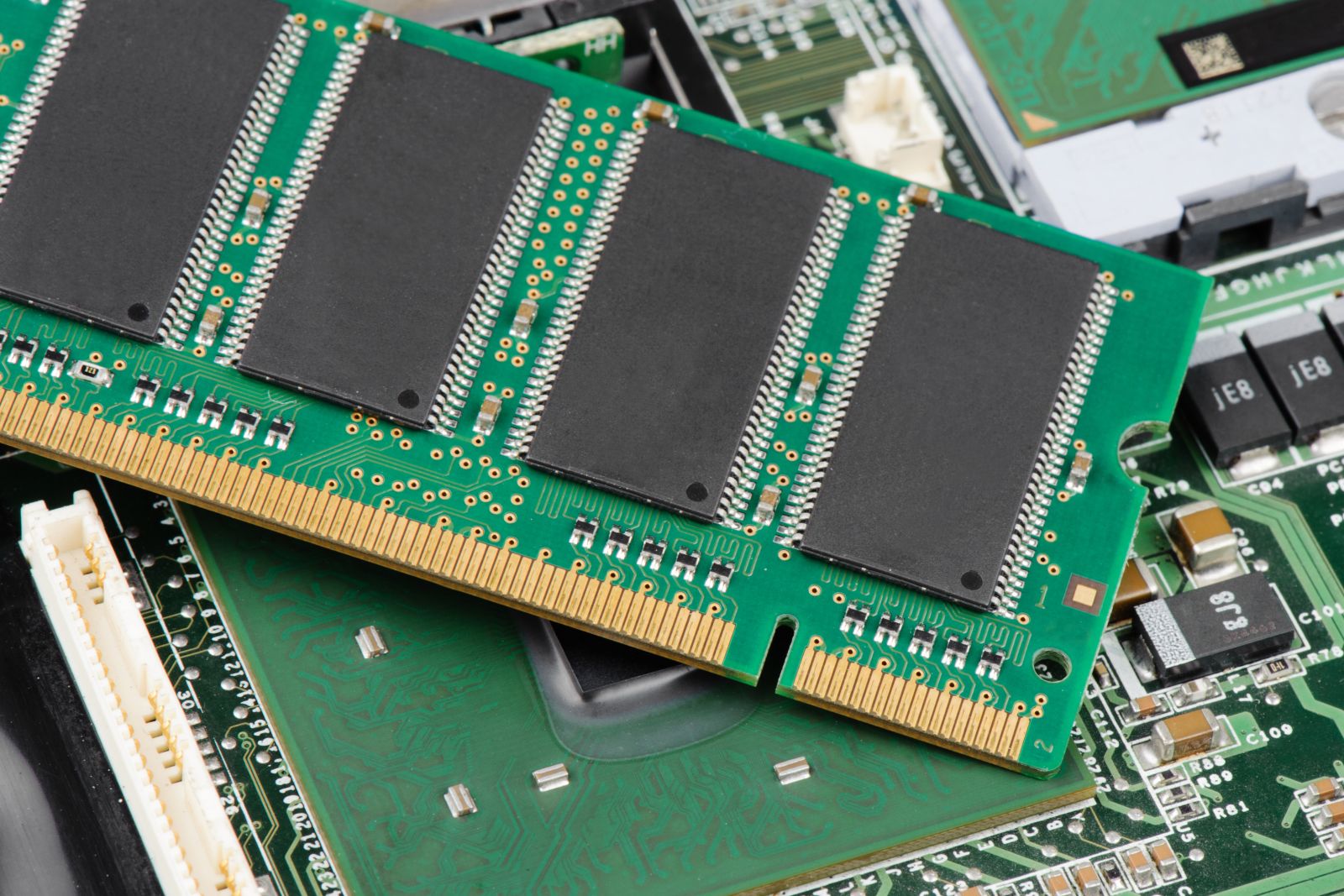
US Stocks Rise, Led by Chipmakers Amid Strong Investor Demand
- Chipmaker Surge: SK Hynix's American depositary receipts (ADRs) were oversubscribed by more than seven times, raising approximately $24.5 billion, making it the second-largest foreign company offering, indicating strong investor demand and driving overall market gains.
- Positive Labor Market Signals: Weekly initial unemployment claims unexpectedly fell by 2,000 to 215,000, marking a six-week low, which suggests a robust labor market and enhances market confidence in economic recovery, potentially influencing Fed policy.
- Optimistic Q2 Earnings Outlook: Bloomberg Intelligence forecasts a 23% increase in Q2 earnings, close to Q1's 30% growth, primarily driven by AI infrastructure stocks, reflecting sustained market confidence in technology sectors.
- International Market Recovery: The Euro Stoxx 50 rose by 1.10%, China's Shanghai Composite increased by 1.65%, and Japan's Nikkei 225 climbed by 1.38%, indicating global market optimism regarding the US economic recovery, further supporting US stock gains.
See More

Mixed Close for US Stocks: Nasdaq Recovers Slightly

- Market Volatility: On Wednesday, the S&P 500 Index fell by 0.28%, the Dow Jones Industrial Average dropped by 1.09%, while the Nasdaq 100 Index rose by 0.27%, indicating mixed market performance under pressure from rising oil prices and bond yields.
- Surge in Oil Prices: Following President Trump's declaration that the ceasefire with Iran is over, WTI crude oil prices surged over 4% to a two-week high, boosting inflation expectations and pushing the 10-year Treasury yield to a 1.5-month high of 4.59%.
- Economic Data: US MBA mortgage applications fell by 2.2% for the week ending July 3, with the purchase mortgage sub-index down 0.6% and the refinancing sub-index down 4.1%, reflecting the negative impact of high rates on housing demand.
- Earnings Outlook: Bloomberg Intelligence forecasts a 23% increase in corporate earnings for Q2, close to Q1's 30% growth, with AI infrastructure stocks expected to contribute nearly 60% of S&P 500 earnings growth, highlighting strong potential in technology investments.
See More

US Stocks Decline as Oil Prices Surge
- Market Decline: The S&P 500 index fell by 0.79%, the Dow Jones Industrial Average dropped by 1.44%, and the Nasdaq 100 index decreased by 0.61%, reflecting heightened investor caution following President Trump's declaration that the ceasefire with Iran is over, prompting a flight to safety.
- Surge in Oil Prices: WTI crude oil prices surged over 7% to a two-week high as the US launched strikes against Iran, raising concerns about potential disruptions to energy supplies and pushing inflation expectations higher, which in turn lifted the 10-year Treasury note yield to a 1.5-month high of 4.59%.
- Mortgage Applications Decline: US MBA mortgage applications fell by 2.2% in the week ending July 3, with the purchase mortgage sub-index down 0.6% and the refinancing sub-index down 4.1%, indicating that high interest rates are negatively impacting housing demand and could further suppress the recovery in the real estate market.
- Optimistic Earnings Outlook: Bloomberg Intelligence forecasts a 23% increase in corporate earnings for Q2, close to the 30% growth seen in Q1, indicating that AI infrastructure stocks are expected to contribute nearly 60% of the S&P 500's earnings-per-share growth, suggesting a positive long-term outlook despite short-term market volatility.
See More

U.S. Stocks Decline as Oil Prices Surge
- Market Decline: The S&P 500 index fell by 0.49%, the Dow Jones Industrial Average dropped by 0.96%, and the Nasdaq 100 index decreased by 0.19%, reflecting investor concerns over escalating tensions in the Middle East, prompting a flight to safety.
- Oil Price Surge: WTI crude oil prices surged over 4% to a two-week high following U.S. military strikes against Iran, raising fears of potential disruptions in energy supplies and further boosting inflation expectations.
- Mortgage Applications Drop: U.S. MBA mortgage applications fell by 2.2% in the week ending July 3, with the purchase mortgage sub-index down 0.6% and refinancing down 4.1%, indicating the negative impact of high interest rates on housing demand.
- Optimistic Earnings Outlook: Bloomberg Intelligence forecasts a 23% increase in corporate earnings for Q2, close to the 30% growth seen in Q1, indicating that AI infrastructure stocks will drive S&P 500 earnings-per-share growth, reflecting market confidence in tech stocks.
See More

US Stocks Close Lower as Chipmakers Weigh on Market
- Market Decline: On Tuesday, the S&P 500 index fell by 0.45%, the Dow Jones Industrial Average dropped by 0.25%, and the Nasdaq 100 index decreased by 1.77%, indicating a broader market decline under pressure from a selloff in chipmakers, reflecting investor concerns over high valuations.
- Samsung's Earnings Disappointment: Despite Samsung Electronics reporting a 19-fold profit surge, its stock plummeted over 8% in South Korea, suggesting market skepticism regarding the future profitability of the semiconductor sector, which could impact investor confidence in related companies.
- Geopolitical Risks Heightened: Crude oil prices surged to a 1.5-week high due to attacks on shipping in the Strait of Hormuz, raising inflation expectations and pushing bond yields higher, with the 10-year T-note yield reaching a 3.5-week high of 4.54%, adding uncertainty to the market.
- Strength in Software Stocks: Despite the overall market pressure, strong performance in software stocks indicates a rotation of funds into other sectors, with companies like Workday seeing stock price increases of over 4%, providing some support for the market.
See More
U.S. Stocks Close Higher Led by Chipmakers Amid Strong Investor Demand
- Chipmaker Rally: The U.S. stock market saw a boost as chipmakers surged, driven by SK Hynix's ADRs being oversubscribed by more than seven times, indicating strong investor demand and enhancing overall market sentiment.
- Optimistic Market Sentiment: Despite escalating tensions in the Middle East, stocks rose, reflecting investor confidence in robust Q2 earnings forecasts, which are expected to increase by 23%, close to Q1's impressive 30% growth.
- Strong Labor Market: Weekly initial unemployment claims unexpectedly fell to 215,000, indicating a resilient labor market that further supports the upward trend in stock prices amid economic uncertainties.
- Airline Stocks Benefit from Oil Price Drop: Airline and cruise line stocks rallied as WTI crude oil prices fell over 1%, showcasing the market's sensitivity to fluctuations in energy prices and their impact on operational costs.
See More
US Stocks Rise, Led by Chipmakers Amid Strong Investor Demand
- Chipmaker Surge: SK Hynix's American depositary receipts (ADRs) were oversubscribed by more than seven times, raising approximately $24.5 billion, making it the second-largest foreign company offering, indicating strong investor demand and driving overall market gains.
- Positive Labor Market Signals: Weekly initial unemployment claims unexpectedly fell by 2,000 to 215,000, marking a six-week low, which suggests a robust labor market and enhances market confidence in economic recovery, potentially influencing Fed policy.
- Optimistic Q2 Earnings Outlook: Bloomberg Intelligence forecasts a 23% increase in Q2 earnings, close to Q1's 30% growth, primarily driven by AI infrastructure stocks, reflecting sustained market confidence in technology sectors.
- International Market Recovery: The Euro Stoxx 50 rose by 1.10%, China's Shanghai Composite increased by 1.65%, and Japan's Nikkei 225 climbed by 1.38%, indicating global market optimism regarding the US economic recovery, further supporting US stock gains.
See More
Mixed Close for US Stocks: Nasdaq Recovers Slightly
- Market Volatility: On Wednesday, the S&P 500 Index fell by 0.28%, the Dow Jones Industrial Average dropped by 1.09%, while the Nasdaq 100 Index rose by 0.27%, indicating mixed market performance under pressure from rising oil prices and bond yields.
- Surge in Oil Prices: Following President Trump's declaration that the ceasefire with Iran is over, WTI crude oil prices surged over 4% to a two-week high, boosting inflation expectations and pushing the 10-year Treasury yield to a 1.5-month high of 4.59%.
- Economic Data: US MBA mortgage applications fell by 2.2% for the week ending July 3, with the purchase mortgage sub-index down 0.6% and the refinancing sub-index down 4.1%, reflecting the negative impact of high rates on housing demand.
- Earnings Outlook: Bloomberg Intelligence forecasts a 23% increase in corporate earnings for Q2, close to Q1's 30% growth, with AI infrastructure stocks expected to contribute nearly 60% of S&P 500 earnings growth, highlighting strong potential in technology investments.
See More
US Stocks Decline as Oil Prices Surge
- Market Decline: The S&P 500 index fell by 0.79%, the Dow Jones Industrial Average dropped by 1.44%, and the Nasdaq 100 index decreased by 0.61%, reflecting heightened investor caution following President Trump's declaration that the ceasefire with Iran is over, prompting a flight to safety.
- Surge in Oil Prices: WTI crude oil prices surged over 7% to a two-week high as the US launched strikes against Iran, raising concerns about potential disruptions to energy supplies and pushing inflation expectations higher, which in turn lifted the 10-year Treasury note yield to a 1.5-month high of 4.59%.
- Mortgage Applications Decline: US MBA mortgage applications fell by 2.2% in the week ending July 3, with the purchase mortgage sub-index down 0.6% and the refinancing sub-index down 4.1%, indicating that high interest rates are negatively impacting housing demand and could further suppress the recovery in the real estate market.
- Optimistic Earnings Outlook: Bloomberg Intelligence forecasts a 23% increase in corporate earnings for Q2, close to the 30% growth seen in Q1, indicating that AI infrastructure stocks are expected to contribute nearly 60% of the S&P 500's earnings-per-share growth, suggesting a positive long-term outlook despite short-term market volatility.
See More
U.S. Stocks Decline as Oil Prices Surge
- Market Decline: The S&P 500 index fell by 0.49%, the Dow Jones Industrial Average dropped by 0.96%, and the Nasdaq 100 index decreased by 0.19%, reflecting investor concerns over escalating tensions in the Middle East, prompting a flight to safety.
- Oil Price Surge: WTI crude oil prices surged over 4% to a two-week high following U.S. military strikes against Iran, raising fears of potential disruptions in energy supplies and further boosting inflation expectations.
- Mortgage Applications Drop: U.S. MBA mortgage applications fell by 2.2% in the week ending July 3, with the purchase mortgage sub-index down 0.6% and refinancing down 4.1%, indicating the negative impact of high interest rates on housing demand.
- Optimistic Earnings Outlook: Bloomberg Intelligence forecasts a 23% increase in corporate earnings for Q2, close to the 30% growth seen in Q1, indicating that AI infrastructure stocks will drive S&P 500 earnings-per-share growth, reflecting market confidence in tech stocks.
See More
US Stocks Close Lower as Chipmakers Weigh on Market
- Market Decline: On Tuesday, the S&P 500 index fell by 0.45%, the Dow Jones Industrial Average dropped by 0.25%, and the Nasdaq 100 index decreased by 1.77%, indicating a broader market decline under pressure from a selloff in chipmakers, reflecting investor concerns over high valuations.
- Samsung's Earnings Disappointment: Despite Samsung Electronics reporting a 19-fold profit surge, its stock plummeted over 8% in South Korea, suggesting market skepticism regarding the future profitability of the semiconductor sector, which could impact investor confidence in related companies.
- Geopolitical Risks Heightened: Crude oil prices surged to a 1.5-week high due to attacks on shipping in the Strait of Hormuz, raising inflation expectations and pushing bond yields higher, with the 10-year T-note yield reaching a 3.5-week high of 4.54%, adding uncertainty to the market.
- Strength in Software Stocks: Despite the overall market pressure, strong performance in software stocks indicates a rotation of funds into other sectors, with companies like Workday seeing stock price increases of over 4%, providing some support for the market.
See More