NatWest Acquires Evelyn Partners for £2.7 Billion
NatWest Group's stock fell 3.98% as it hit a 20-day low amid broader market gains, with the Nasdaq-100 up 0.25% and the S&P 500 up 0.16%.
The decline comes despite the announcement of NatWest's acquisition of Evelyn Partners for £2.7 billion, which aims to enhance its wealth management services and create the U.K.'s leading Private Banking and Wealth Management business. This strategic move is expected to significantly increase NatWest's assets under management and generate annual cost synergies of £100 million, showcasing the financial viability of the deal.
This acquisition is a pivotal step for NatWest, as it not only strengthens its market position but also aligns with its strategy to boost fee income and shareholder value through a £750 million share buyback program. However, the stock's decline indicates a potential sector rotation, as the broader market trends upward.
Trade with 70% Backtested Accuracy
Analyst Views on NWG
About NWG
About the author


NatWest Reports Strong Q1 Earnings with Increased Guidance

- Strong Earnings Performance: NatWest reported a Q1 GAAP EPS of 17.80p with total income of £4.36B, reflecting a 9.5% year-over-year increase, which underscores the company's robust performance amid economic recovery and boosts market confidence.
- Enhanced Capital Generation: The return on tangible equity reached 18.2%, driving a 65 basis point increase in capital generation during the quarter, indicating effective capital management strategies that support future dividends and reinvestment opportunities.
- Increase in TNAV: Tangible net asset value per share rose by 16 pence to 400 pence, demonstrating improved asset quality and profitability, which further solidifies investor confidence in the company's long-term value proposition.
- Optimistic Outlook: Based on the latest expectations for interest rates and economic conditions, NatWest now anticipates income excluding notable items to be at the top end of its previously guided range of £17.2B to £17.6B, reflecting the company's confidence and adaptability in the market.
NatWest Set to Announce Q1 Earnings on May 1st
- Earnings Announcement: NatWest (NWG) is set to release its Q1 2023 earnings on May 1st before market open, with consensus EPS estimate at $0.45, reflecting a significant 97.1% year-over-year decline, while revenue is expected to reach $5.81 billion, marking a 47.0% increase year-over-year.
- Performance Expectations: Over the past year, NatWest has consistently beaten EPS and revenue estimates 100% of the time, indicating strong profitability and market adaptability, which may bolster investor confidence ahead of the earnings report.
- Market Sentiment: Given NatWest's robust performance history, investor sentiment remains optimistic regarding the upcoming earnings report, which is expected to further drive stock price appreciation and enhance market confidence in its future growth prospects.
- Strategic Moves: Recently, NatWest announced its acquisition of Evelyn Partners for £2.7 billion and a £750 million share buyback plan, demonstrating its proactive strategy in expanding its business and enhancing shareholder value.
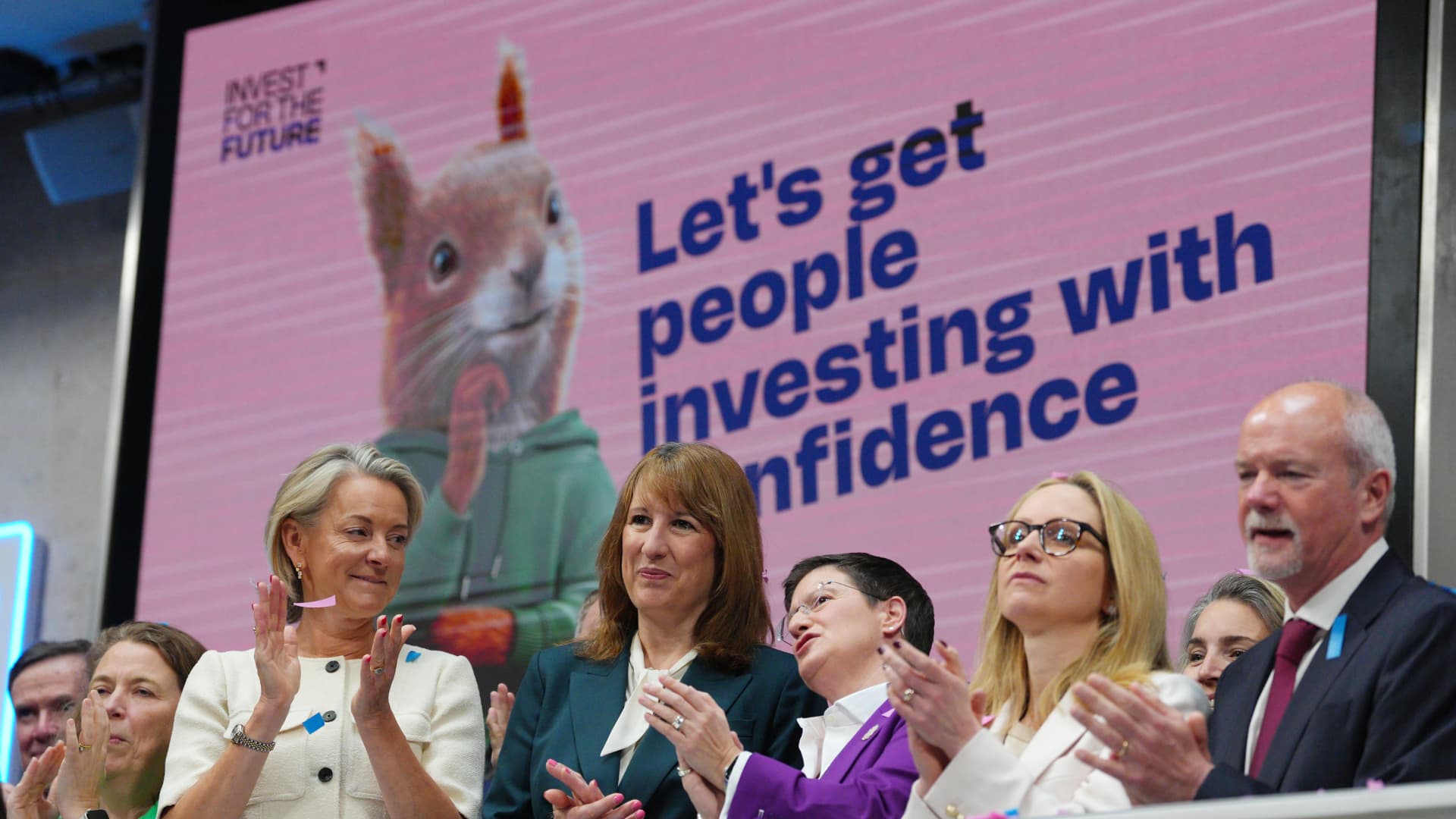
UK Launches Investment Campaign Featuring Savvy the Squirrel


- Campaign Launch: Chancellor Rachel Reeves and CEO Julia Hoggett of the London Stock Exchange have initiated a £20 million investment campaign aimed at encouraging more Britons to invest, with expectations of significantly enhancing public awareness of investment over the next three years.
- Target Audience Defined: The campaign specifically targets approximately 7 million adults holding over £10,000 in cash savings, aiming to shift their perception of investing and reduce the tendency to leave funds idle in cash, thereby driving economic growth and improving personal financial security.
- Broad Industry Support: The initiative has garnered backing from major financial institutions, including Hargreaves Lansdown and St James's Place, demonstrating a collective effort within the financial services sector to elevate investment awareness and strengthen industry collaboration.
- Rich Historical Context: The launch of this campaign starkly contrasts with the investment boom of the 1980s, when the UK government spurred public interest in stock investments through privatization policies, reflecting the evolving investment culture and its potential economic implications today.
NATWEST GROUP PLC: INTRODUCING A NEW STRATEGIC PARTNERSHIP WITH AWS TO ENHANCE SUPPORT FOR TECHNOLOGY-DRIVEN BUSINESSES

Strategic Partnership Announcement: NatWest Group PLC has announced a new strategic partnership aimed at enhancing its support for technology-led businesses.
Focus on Technology Sector: The partnership is designed to strengthen NatWest's commitment to providing resources and support specifically for businesses in the technology sector.

UK Faces Non-Linear Threat to Economic Stability


- GDP Growth Forecast Cut: Deutsche Bank has revised the UK's GDP growth forecast down to a range of 0.7% to 0.35%, a significant downgrade that reflects severe challenges to economic growth amid a global energy price shock, potentially leading to a formal recession.
- Rising Unemployment Risks: The UK saw nearly a 1 percentage point increase in unemployment last year, and with soaring energy costs dampening business investment and hiring, the environment creates a high risk of a rapid economic slide.
- Non-Linear Economic Shifts: The current economic environment makes non-linear shifts more likely, where growth declines faster than traditional models predict, particularly as ongoing conflicts create deep uncertainty for domestic firms.
- Investor Confidence Eroded: With falling investment, reduced consumer spending, and rising unemployment, investor confidence in UK-centric assets is challenged, indicating a more severe economic outlook ahead.

Financial Stocks Rise in Late Wednesday Trading

- Strong Performance in Financial Stocks: Financial stocks continued to rise in late Wednesday trading, indicating a rebound in market confidence towards the financial sector, likely driven by improving economic data.
- Improved Market Sentiment: The positive response from investors towards financial stocks suggests a recovery in market sentiment, which may lead to increased capital inflows into the sector, thereby boosting the overall stock market.
- Increased Trading Volume: As financial stocks rise, trading volume has also increased, indicating a potentially optimistic outlook from investors regarding future market trends, further enhancing market activity.
- Optimistic Industry Outlook: The upward trend in the financial sector may signal signs of economic recovery, attracting more investors' attention to the field, which could subsequently drive up the stock prices of related companies.
NatWest Reports Strong Q1 Earnings with Increased Guidance
- Strong Earnings Performance: NatWest reported a Q1 GAAP EPS of 17.80p with total income of £4.36B, reflecting a 9.5% year-over-year increase, which underscores the company's robust performance amid economic recovery and boosts market confidence.
- Enhanced Capital Generation: The return on tangible equity reached 18.2%, driving a 65 basis point increase in capital generation during the quarter, indicating effective capital management strategies that support future dividends and reinvestment opportunities.
- Increase in TNAV: Tangible net asset value per share rose by 16 pence to 400 pence, demonstrating improved asset quality and profitability, which further solidifies investor confidence in the company's long-term value proposition.
- Optimistic Outlook: Based on the latest expectations for interest rates and economic conditions, NatWest now anticipates income excluding notable items to be at the top end of its previously guided range of £17.2B to £17.6B, reflecting the company's confidence and adaptability in the market.
NatWest Set to Announce Q1 Earnings on May 1st
- Earnings Announcement: NatWest (NWG) is set to release its Q1 2023 earnings on May 1st before market open, with consensus EPS estimate at $0.45, reflecting a significant 97.1% year-over-year decline, while revenue is expected to reach $5.81 billion, marking a 47.0% increase year-over-year.
- Performance Expectations: Over the past year, NatWest has consistently beaten EPS and revenue estimates 100% of the time, indicating strong profitability and market adaptability, which may bolster investor confidence ahead of the earnings report.
- Market Sentiment: Given NatWest's robust performance history, investor sentiment remains optimistic regarding the upcoming earnings report, which is expected to further drive stock price appreciation and enhance market confidence in its future growth prospects.
- Strategic Moves: Recently, NatWest announced its acquisition of Evelyn Partners for £2.7 billion and a £750 million share buyback plan, demonstrating its proactive strategy in expanding its business and enhancing shareholder value.
UK Launches Investment Campaign Featuring Savvy the Squirrel
- Campaign Launch: Chancellor Rachel Reeves and CEO Julia Hoggett of the London Stock Exchange have initiated a £20 million investment campaign aimed at encouraging more Britons to invest, with expectations of significantly enhancing public awareness of investment over the next three years.
- Target Audience Defined: The campaign specifically targets approximately 7 million adults holding over £10,000 in cash savings, aiming to shift their perception of investing and reduce the tendency to leave funds idle in cash, thereby driving economic growth and improving personal financial security.
- Broad Industry Support: The initiative has garnered backing from major financial institutions, including Hargreaves Lansdown and St James's Place, demonstrating a collective effort within the financial services sector to elevate investment awareness and strengthen industry collaboration.
- Rich Historical Context: The launch of this campaign starkly contrasts with the investment boom of the 1980s, when the UK government spurred public interest in stock investments through privatization policies, reflecting the evolving investment culture and its potential economic implications today.
NATWEST GROUP PLC: INTRODUCING A NEW STRATEGIC PARTNERSHIP WITH AWS TO ENHANCE SUPPORT FOR TECHNOLOGY-DRIVEN BUSINESSES
Strategic Partnership Announcement: NatWest Group PLC has announced a new strategic partnership aimed at enhancing its support for technology-led businesses.
Focus on Technology Sector: The partnership is designed to strengthen NatWest's commitment to providing resources and support specifically for businesses in the technology sector.
UK Faces Non-Linear Threat to Economic Stability
- GDP Growth Forecast Cut: Deutsche Bank has revised the UK's GDP growth forecast down to a range of 0.7% to 0.35%, a significant downgrade that reflects severe challenges to economic growth amid a global energy price shock, potentially leading to a formal recession.
- Rising Unemployment Risks: The UK saw nearly a 1 percentage point increase in unemployment last year, and with soaring energy costs dampening business investment and hiring, the environment creates a high risk of a rapid economic slide.
- Non-Linear Economic Shifts: The current economic environment makes non-linear shifts more likely, where growth declines faster than traditional models predict, particularly as ongoing conflicts create deep uncertainty for domestic firms.
- Investor Confidence Eroded: With falling investment, reduced consumer spending, and rising unemployment, investor confidence in UK-centric assets is challenged, indicating a more severe economic outlook ahead.
Financial Stocks Rise in Late Wednesday Trading
- Strong Performance in Financial Stocks: Financial stocks continued to rise in late Wednesday trading, indicating a rebound in market confidence towards the financial sector, likely driven by improving economic data.
- Improved Market Sentiment: The positive response from investors towards financial stocks suggests a recovery in market sentiment, which may lead to increased capital inflows into the sector, thereby boosting the overall stock market.
- Increased Trading Volume: As financial stocks rise, trading volume has also increased, indicating a potentially optimistic outlook from investors regarding future market trends, further enhancing market activity.
- Optimistic Industry Outlook: The upward trend in the financial sector may signal signs of economic recovery, attracting more investors' attention to the field, which could subsequently drive up the stock prices of related companies.